
London's cultural crown jewels from theatres to museums have been thrown a £1.57 billion lifeline by the British government after stars of stage screen warned of a wholescale obliteration of the sector during the Covid-19 shutdown.
The money includes £880 million (Dh4 billion/$1.1bn) of grants for cultural institutions and £270m of repayable loans, all made available by the Department for Digital, Culture, Media and Sport in a bailout package.
Oliver Dowden, the culture minister, said he hoped the cash and resources would buoy the sector as his officials looked for ways to restart live performances with social distancing rules in place. “I am desperate for these institutions to return as quickly as possible but it has to be done in a safe way, that’s why we’ve said already they can rehearse and they can have performances behind closed doors," he said on Monday. "I hope that shortly they will be able to have outside performances.”
Leaders of arts organisations hailed the announcement as a vital intervention to ensure institutions that have been closed down in the pandemic are not shuttered for good.
“When we heard last night, we slept for the first time since March,” Kwame Kwei-Armah, artistic director of London’s Young Vic theatre and a leading voice in the campaign for intervention. “It is a real vindication that we have been listened to and that the government understand that we were dying on our knees and also that we are an important part of our country’s recovery.”
Cultural officials waged a behind the scenes struggle to persuade the Treasury of the value of the industry to the country. Eventually the ministry holding the official purse strings dug deep for a bailout.
“The show must go on,” Rishi Sunak, the Chancellor of the Exchequer, said in a tweet announcing the plan.
Prime Minister Boris Johnson said: “From iconic theatre and musicals, and mesmerising exhibitions at our world-class galleries to gigs performed in local basement venues, the UK’s cultural industry is the beating heart of this country.
“This money will help safeguard the sector for future generations, ensuring arts groups and venues across the UK can stay afloat and support their staff while their doors remain closed and curtains remain down.”
The plight of the entertainment industry has been highlighted during the coronavirus by stars including Dame Judi Dench.
While the UK is reopening, live venues and theatres are low on the list for a return to normal because it is proving tricky to open while social distancing measures are in place.
Ministers are trying to rescue the British economy after the pandemic plunged it into deep recession.
Galleries, heritage sites and independent cinemas will also be eligible for the cultural grants.
The arts funds also included £100m support for English national cultural institutions and the English Heritage Trust, £188m for Scotland, Wales and Northern Ireland, and £120m for infrastructure projects. A £111m plan to triple the number of traineeships nationwide was also announced as part of expanded measures to protect jobs.
The government said the money was the biggest one-off investment in UK culture, and would give a lifeline to cultural and heritage organisations across the country.
“Our world-renowned galleries, museums, heritage sites, music venues and independent cinemas are not only critical to keeping our economy thriving, employing more than 700,000 people, they’re the lifeblood of British culture,” Mr Sunak said.
“That’s why we’re giving them the vital cash they need to safeguard their survival, helping to protect jobs and ensuring that they can continue to provide the sights and sounds that Britain is famous for."
Mr Johnson pledged to publish a timetable this week outlining when theatres and music venues would be allowed to reopen.
Pubs, hairdressers and museums were allowed to open their doors this weekend after more than three months of lockdown.
It represents a high-profile win for a part of the economy that has greatly contributed to Britain’s international image over the years.
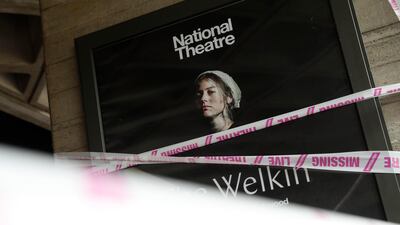
Last week, set designers and other industry workers covered empty theatres nationwide in tape with the message: “Missing live theatre.”
Armando Iannucci, one of the country’s leading political satirists, wrote an open letter to Culture Secretary Oliver Dowden last month asking why a sector that supported 400,000 jobs was being sidelined.

