• The UN wants the Great Barrier Reef listed on Unesco's 'in danger' list. All photos: AFP
    The UN wants the Great Barrier Reef listed on Unesco's 'in danger' list. All photos: AFP
  • Despite warnings, Australia's efforts to save the Great Barrier Reef still fall short of protecting the world's largest coral reef system from pollution and climate change
    Despite warnings, Australia's efforts to save the Great Barrier Reef still fall short of protecting the world's largest coral reef system from pollution and climate change
  • A UN panel said the world's biggest coral reef ecosystem had been significantly affected by climate change and warming of oceans
    A UN panel said the world's biggest coral reef ecosystem had been significantly affected by climate change and warming of oceans
  • A diver documents the bleached coral at Lizard Island on the Great Barrier Reef
    A diver documents the bleached coral at Lizard Island on the Great Barrier Reef
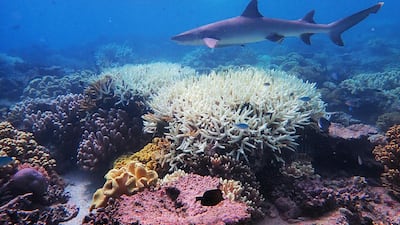
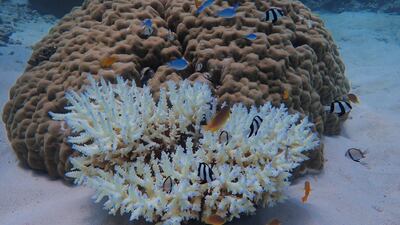
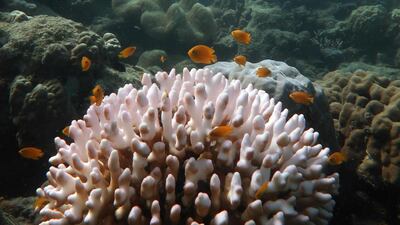
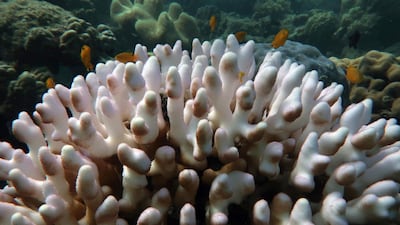
  • Bleaching happens when the water warms too much, causing corals to expel the colourful algae living in their tissues and turn white
    Bleaching happens when the water warms too much, causing corals to expel the colourful algae living in their tissues and turn white
  • Sunscreen worn by divers can cause permanent damage to living reefs
    Sunscreen worn by divers can cause permanent damage to living reefs
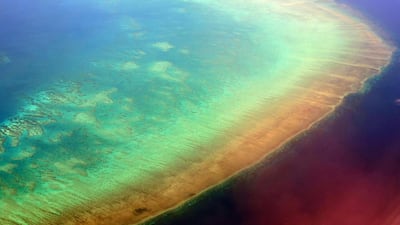
  • The Great Barrier Reef Marine Park encompasses about 99 per cent of the World Heritage-listed natural wonder
    The Great Barrier Reef Marine Park encompasses about 99 per cent of the World Heritage-listed natural wonder
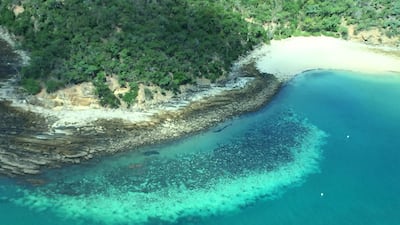
  • A variety of marine life has made a home of the Great Barrier Reef
    A variety of marine life has made a home of the Great Barrier Reef
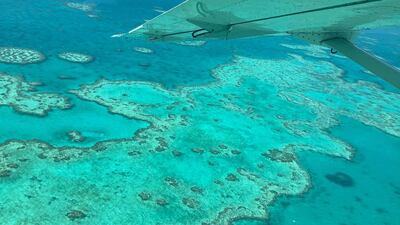
  • An aerial view of the reef off the coast of the Whitsunday Islands, on the central coast of Queensland
    An aerial view of the reef off the coast of the Whitsunday Islands, on the central coast of Queensland
  • Weeks of unseasonably warm weather is causing the worst mass bleaching in two years
    Weeks of unseasonably warm weather is causing the worst mass bleaching in two years
  • The effect has been widespread and severe, authorities say
    The effect has been widespread and severe, authorities say
  • Weather patterns over the next few weeks will be critical in determining the overall extent and severity of coral bleaching across the marine park.
    Weather patterns over the next few weeks will be critical in determining the overall extent and severity of coral bleaching across the marine park.
  • While coral can survive bleaching if water temperatures cool again soon, but some coral death has already been seen
    While coral can survive bleaching if water temperatures cool again soon, but some coral death has already been seen
  • The reef has suffered significantly from coral bleaching caused by unusually warm ocean temperatures in 2016, 2017 and 2020
    The reef has suffered significantly from coral bleaching caused by unusually warm ocean temperatures in 2016, 2017 and 2020
  • Previous bleaching damaged two thirds of the coral at the famous site
    Previous bleaching damaged two thirds of the coral at the famous site
  • The Great Barrier Reef Marine Park Authority manages the world’s largest coral reef ecosystem
    The Great Barrier Reef Marine Park Authority manages the world’s largest coral reef ecosystem
  • UN officials are due to assess whether the reef’s World Heritage listing should be downgraded, due to the ravages of climate change
    UN officials are due to assess whether the reef’s World Heritage listing should be downgraded, due to the ravages of climate change
  • The UN delegation will inspect the reef’s health next week
    The UN delegation will inspect the reef’s health next week

Great Barrier Reef should be put on 'in danger' list, UN panel says


  • English
  • Arabic

Australia's Great Barrier Reef should be listed as a world heritage site "in danger", a UN panel recommended on Tuesday, saying the world's biggest coral reef ecosystem has been significantly affected by climate change and warming oceans.

Frequent bleaching events are threatening the reef, including four in the past seven years and the first during a La Nina phenomenon, which typically brings cooler temperatures, this year.

Bleaching happens when the water warms too much, causing corals to expel the colourful algae living in their tissues and turn white.

Corals are sessile animals that take root on the ocean floor. They can survive bleaching but it can stunt their growth and affects reproduction.

"The resilience of the [reef[ to recover from climate change impacts is substantially compromised," said a report by the UN Educational, Scientific and Cultural Organisation (Unesco) scientists, who visited the reef off the Queensland coast in March.

The report was expected to be released before a meeting of the Unesco world heritage committee in June scheduled to be held in Russia but that was postponed due to the war in Ukraine. Dates for the next meeting have yet to be decided.

Though efforts to address climate change have been stepped up, particularly research on coral restoration, "utmost urgency" is required to save the reef, the report said.

Canberra, the capital of Australia, has lobbied for years to keep the reef — which contributes $4.3 billion to the economy — off the endangered list as it could lead to losing its heritage status, taking some shine off its attraction for tourists.

Prior to Covid-19, about 2 million tourists visited the reef off Australia's north-east coast every year, official data showed, providing jobs for 64,000 people.

Last year, Australia dodged an "in danger" listing for the reef after heavy lobbying by the previous government led Unesco to postpone a decision to this year.

Environment Minister Tanya Plibersek said the government would push Unesco to avoid listing the Great Barrier as endangered because climate change was threatening all coral reefs across the world.

"We'll clearly make the point to Unesco that there is no need to single the Great Barrier Reef out in this way," Ms Plibersek said during a media briefing.

  • This undated handout photo from the ARC Centre of Excellence for Coral Reef Studies at James Cook University, shows coral bleaching on the Great Barrier Reef. AFP
    This undated handout photo from the ARC Centre of Excellence for Coral Reef Studies at James Cook University, shows coral bleaching on the Great Barrier Reef. AFP
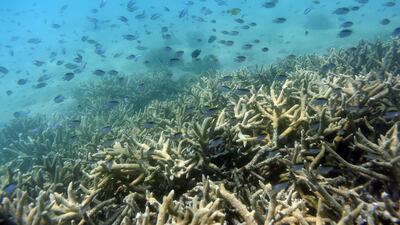
  • Fish swim along the edges of a coral reef off Great Keppel Island in Australia. The government agency that manages Australia's Great Barrier Reef on Friday, Aug. 30, 2019, downgraded its outlook for the corals' condition from "poor" to "very poor" due to warming oceans. AP
    Fish swim along the edges of a coral reef off Great Keppel Island in Australia. The government agency that manages Australia's Great Barrier Reef on Friday, Aug. 30, 2019, downgraded its outlook for the corals' condition from "poor" to "very poor" due to warming oceans. AP
  • This undated handout photo from the ARC Centre of Excellence for Coral Reef Studies at James Cook University, shows coral bleaching on the Great Barrier Reef. AFP
    This undated handout photo from the ARC Centre of Excellence for Coral Reef Studies at James Cook University, shows coral bleaching on the Great Barrier Reef. AFP
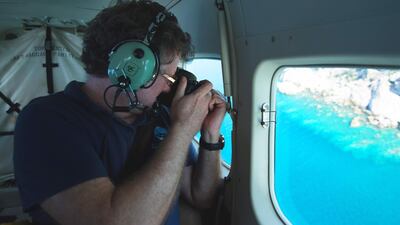
  • This undated handout photo from the ARC Centre of Excellence for Coral Reef Studies at James Cook University, shows an aerial survey of coral bleaching on the Great Barrier Reef. AFP
    This undated handout photo from the ARC Centre of Excellence for Coral Reef Studies at James Cook University, shows an aerial survey of coral bleaching on the Great Barrier Reef. AFP
  • This undated handout photo from the ARC Centre of Excellence for Coral Reef Studies at James Cook University, shows an aerial survey of coral bleaching on the Great Barrier Reef. AFP
    This undated handout photo from the ARC Centre of Excellence for Coral Reef Studies at James Cook University, shows an aerial survey of coral bleaching on the Great Barrier Reef. AFP
  • This undated handout photo from the ARC Centre of Excellence for Coral Reef Studies at James Cook University, shows an aerial survey of coral bleaching on the Great Barrier Reef. AFP
    This undated handout photo from the ARC Centre of Excellence for Coral Reef Studies at James Cook University, shows an aerial survey of coral bleaching on the Great Barrier Reef. AFP
  • This undated handout photo from the ARC Centre of Excellence for Coral Reef Studies at James Cook University, shows coral bleaching on the Great Barrier Reef. AFP
    This undated handout photo from the ARC Centre of Excellence for Coral Reef Studies at James Cook University, shows coral bleaching on the Great Barrier Reef. AFP
  • Aerial of a portion of the Great Barrier Reef off the coast of Cairns, Queensland, Australia. Getty Images
    Aerial of a portion of the Great Barrier Reef off the coast of Cairns, Queensland, Australia. Getty Images
  • This undated handout photo from the ARC Centre of Excellence for Coral Reef Studies at James Cook University, shows professor Terry Hughes conducting an aerial survey of coral bleaching on the Great Barrier Reef. AFP
    This undated handout photo from the ARC Centre of Excellence for Coral Reef Studies at James Cook University, shows professor Terry Hughes conducting an aerial survey of coral bleaching on the Great Barrier Reef. AFP

"The reason that Unesco in the past has singled out a place as at risk is because they wanted to see greater government investment or greater government action and since the change of government, both of those things have happened."

Australia's recently elected Labour government has pledged to spend $800 million in coming years to protect the reef. The parliament in September passed legislation for net zero emissions by 2050.

The independent Great Barrier Reef Foundation said it was already aware of the series of threats identified in the UN report but the recommendation to add the reef to the endangered list was premature.

"The Great Barrier Reef is a wonder, she's got her challenges, but she's definitely not on her last legs in any case," managing director Anna Marsden told Reuters.

The top 10 Unesco World Heritage sites - in pictures

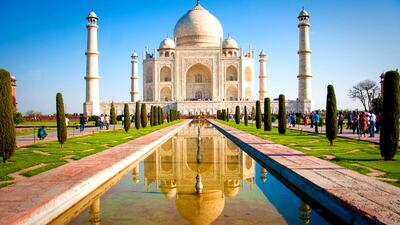
  • 1. India's Taj Mahal is the world's most searched for Unesco World Heritage site, according to Zitango Travel, travel agents and destination specialists.
    1. India's Taj Mahal is the world's most searched for Unesco World Heritage site, according to Zitango Travel, travel agents and destination specialists.
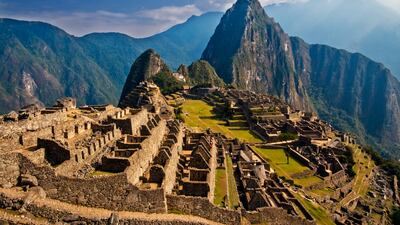
  • 2. Peru's ancient Inca capital Machu Picchu is the world's second most searched for Unesco Heritage site. Photo: Pedro Szekely / flickr
    2. Peru's ancient Inca capital Machu Picchu is the world's second most searched for Unesco Heritage site. Photo: Pedro Szekely / flickr
  • 3. Rio de Janeiro, Brazil, which was added to the Unesco list in 2017. AFP
    3. Rio de Janeiro, Brazil, which was added to the Unesco list in 2017. AFP
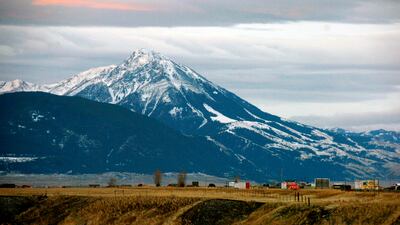
  • 4. Yellowstone National Park in western US is the fourth most searched for Unesco heritage site. AP Photo
    4. Yellowstone National Park in western US is the fourth most searched for Unesco heritage site. AP Photo
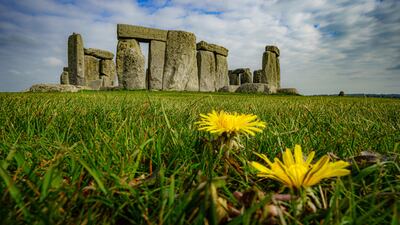
  • 5. The stone circle at Stonehenge, Wiltshire, in the UK. PA
    5. The stone circle at Stonehenge, Wiltshire, in the UK. PA
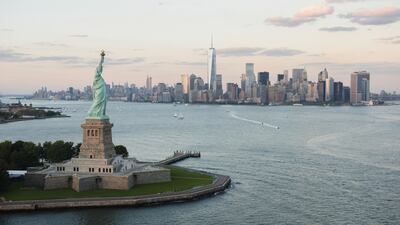
  • 6. The Statue of Liberty in New York. AFP
    6. The Statue of Liberty in New York. AFP
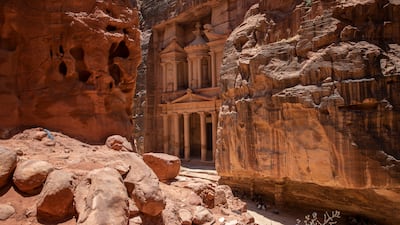
  • 7. Petra archeological site is one of Jordan's most famous landmarks. EPA
    7. Petra archeological site is one of Jordan's most famous landmarks. EPA
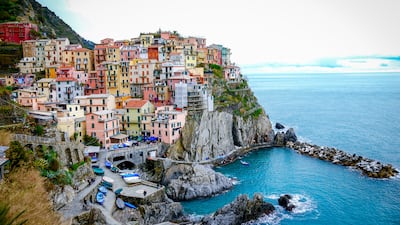
  • 8. Italy's Cinque Terre is ranked eighth globally but first in Europe in the most popular Unesco-listed World Heritage sites. Unsplash / Mark Pecar
    8. Italy's Cinque Terre is ranked eighth globally but first in Europe in the most popular Unesco-listed World Heritage sites. Unsplash / Mark Pecar
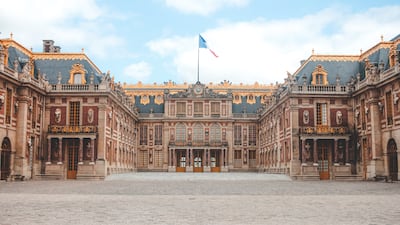
  • 9. France's Palace of Versailles. Unsplash / Matthias Redding
    9. France's Palace of Versailles. Unsplash / Matthias Redding
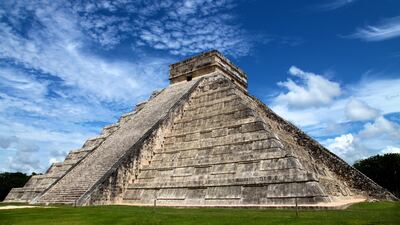
  • 10. Mexico's Chichen Itza Mayan ruins. Unsplash / Mario La Pergola
    10. Mexico's Chichen Itza Mayan ruins. Unsplash / Mario La Pergola
ALRAWABI%20SCHOOL%20FOR%20GIRLS
%3Cp%3ECreator%3A%20Tima%20Shomali%3C%2Fp%3E%0A%3Cp%3EStarring%3A%C2%A0Tara%20Abboud%2C%C2%A0Kira%20Yaghnam%2C%20Tara%20Atalla%3C%2Fp%3E%0A%3Cp%3ERating%3A%204%2F5%3C%2Fp%3E%0A
While you're here
Generational responses to the pandemic

Devesh Mamtani from Century Financial believes the cash-hoarding tendency of each generation is influenced by what stage of the employment cycle they are in. He offers the following insights:

Baby boomers (those born before 1964): Owing to market uncertainty and the need to survive amid competition, many in this generation are looking for options to hoard more cash and increase their overall savings/investments towards risk-free assets.

Generation X (born between 1965 and 1980): Gen X is currently in its prime working years. With their personal and family finances taking a hit, Generation X is looking at multiple options, including taking out short-term loan facilities with competitive interest rates instead of dipping into their savings account.

Millennials (born between 1981 and 1996): This market situation is giving them a valuable lesson about investing early. Many millennials who had previously not saved or invested are looking to start doing so now.

Avatar: Fire and Ash

Director: James Cameron

Starring: Sam Worthington, Sigourney Weaver, Zoe Saldana

Rating: 4.5/5

Updated: November 29, 2022, 4:09 PM