
Afghan President Ashraf Ghani's main political rival said on Thursday the two sides were holding talks over a disputed presidential election result but that if no solution could be found, he would hold a parallel inauguration next week.
The dispute between President Ghani and his long-time political foe, Abdullah Abdullah, is threatening to hamper the next steps towards a peace deal as the United States attempts to usher the government towards talks with the Taliban after the signing of a US troop withdrawal deal on Saturday.
"Today, delegations from both sides had a meeting for finding a solution to the current (election) crisis, meetings may continue," Mr Abdullah told local broadcaster Tolo News.
Mr Ghani is set to hold his inauguration on Monday, and Mr Abdullah has said he will hold a parallel ceremony on the same day.
"We still have hope to solve the (election) crisis, if not we will have an inauguration ceremony," Mr Abdullah said.
President Ghani and Mr Abdullah are old rivals who both held roles in the previous government under a US-brokered power-sharing agreement. A former foreign minister, Mr Abdullah held the specially created post of chief executive in the outgoing government.
The Election Commission last month announced that Mr Ghani won September's presidential election but Mr Abdullah has also proclaimed himself winner.
-
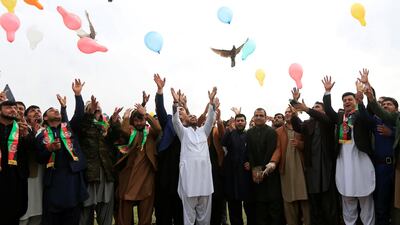
Afghan men celebrate in anticipation of the U.S-Taliban agreement to allow a U.S. troop reduction and a permanent ceasefire, in Jalalabad, Afghanistan. REUTERS -
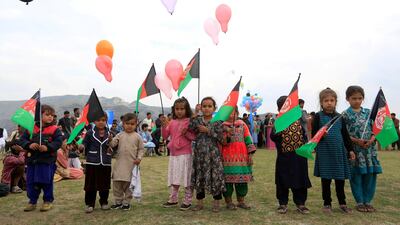
Afghan children celebrate in anticipation of the U.S-Taliban agreement to allow a U.S. troop reduction and a permanent ceasefire, in Jalalabad, Afghanistan. REUTERS -
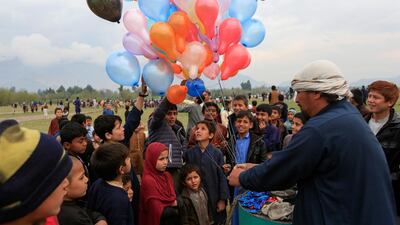
Afghan children buy balloons as they celebrate in anticipation of the U.S-Taliban agreement to allow a U.S. troop reduction and a permanent ceasefire, in Jalalabad, Afghanistan. REUTERS -
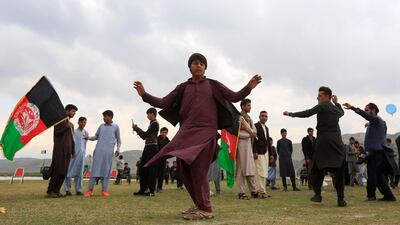
Afghan men celebrate in anticipation of the U.S-Taliban agreement to allow a U.S. troop reduction and a permanent ceasefire, in Jalalabad, Afghanistan. REUTERS -
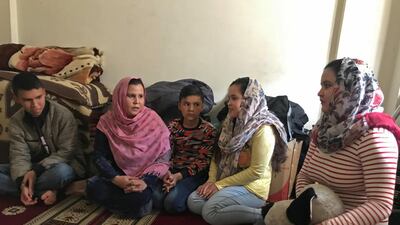
Nasima (2nd L), 45, shares how lost her husband in the bomb blast, as she sits with her children in their home in Kabul, Afghanistan. REUTERS -
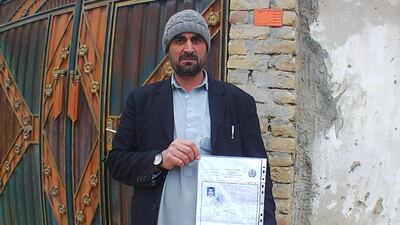
Haji Malik, 47, a shopkeeper who lost his son during the Taliban insurgency in Pakitaka province, poses in Kunduz, Afghanistan. REUTERS -
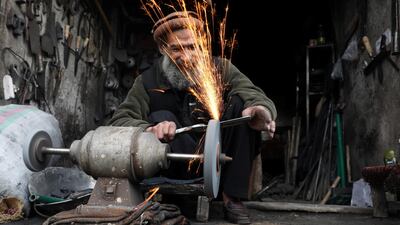
An Afghan blacksmith works at his shop in Kabul, Afghanistan. REUTERS -
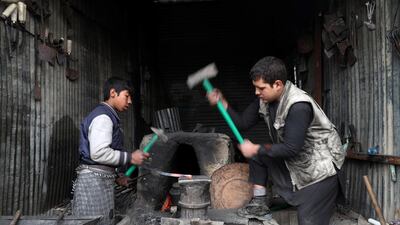
Blacksmiths work at their shop in Kabul, Afghanistan. REUTERS


Afghan government push-back to the Taliban's prisoner release demand, included in its agreement with the United States, also threatens the US-led effort to bring peace to Afghanistan.
"Something should be done for sure to release prisoners from both sides as part of a peace deal," Abdullah told Tolo News. "The release of 5,000 prisoners should be part of a peace package."
He did not say whether the release needed to take place before or after talks with the Taliban but said that so called intra-Afghan talks should take place "without preconditions".
The Taliban have said the release of 5,000 prisoners is a pre-condition to talks.
Mr Abdullah's comments appeared to be a softening of his spokesman's comments earlier in the day that the prisoner release should take place "without delay" before talks with the Taliban get under way.
A spokesman for President Ghani did not respond to a request for comment on Thursday but a senior government official reiterated that the release was neither practical nor a prerequisite for the intra-Afghan talks.
"Over the years, we've released hundreds of insurgents as a gesture of good faith but it didn't help with peace," said the official, who declined to be identified.
"The government has to be sure the release guarantees peace negotiations with the Taliban," the official said.
US special envoy Zalmay Khalilzad, who has led the negotiations with the Taliban, had asked both sides to delay their inaugurations, Mr Abdullah's spokesman told Reuters, but the senior government official said there was no plans to delay President Ghani's.

