

The Taliban must prove they are trustworthy and ready to change in talks with the Afghan government on ending the country's 18-year war, a senior diplomat said.
Abdul Farid Zikria, the outgoing ambassador to the UAE, said on Sunday that the Taliban must respect democratic elections and not resort to violence to get their way.
Talking to The National, Mr Zikria also said adhering to basic human rights – in particular those of women and children – was crucial for Kabul to agree to any peace deal.
A seven-day "reduction in violence" between the US and the Taliban, that could lead to the withdrawal of American troops from Afghanistan after 18 years of bitter fighting, is expected to be formally announced later this week.
If successful, intra-Afghan peace talks would begin within 10 days. The US and Nato are expected to agree to a phased 18-month withdrawal – a central Taliban demand. A Taliban spokesman said on Monday that a peace deal with the US will be signed by the end of February.
But Mr Zikria, who is leaving his post in Abu Dhabi at the end of the month to return to Kabul, said it was "hard to say" if the Taliban remained sincere in their intention to move towards peace.
“I think time will tell us whether we can trust or not, but at this point we’re trying to open a new page,” he said.
“What happened in the past, it happened, but we are hoping to open a new page and to give the Taliban another chance to show their sincerity to the people of Afghanistan and obviously to the international community.”
Since the invasion of Afghanistan by the US and its Nato allies, more than 140,000 people on all sides of the conflict have been killed, including nearly 40,000 civilians, according to Brown University's Cost of War Project. To bring an end to the bloody conflict, the US and the Taliban have engaged in several rounds of talks in Qatar, where the militant group has a political office.
A veteran diplomat, Mr Zikria said he accepted that a long-term peace settlement required both sides being able to “give some to get some”. But he warned that there are a couple of crucial points that needed to be respected for Afghanistan.
“In the last 16 years, Afghan people have been choosing their leaders, whereas before that the leaders came with the barrel of a gun, basically. So we want that to stop, otherwise peace will not come to Afghanistan,” he said.
The Taliban have traditionally opposed elections because they deem them to be un-Islamic.
“Secondly, what is really important for us, are the human rights. Human rights has been greatly affected during the war and it’s normal in every war in the world in history, every human right is affected."
"In Afghanistan, human rights have been affected and especially women’s rights and children’s rights. We hope we can come up with an understanding in this regard."
-
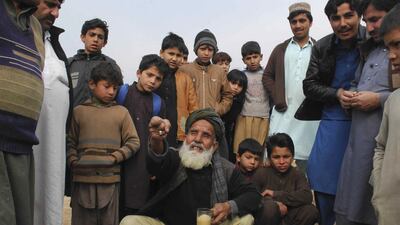
Afghan refugee Hukam Khan speaks about the situation in his country at the Kabobayan refugee camp in Peshawar, Pakistan. He has been in Pakistan for 40 years after fleeing war in Afghanistan. AP Photo -
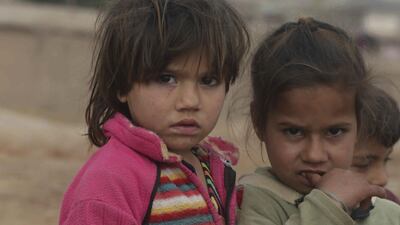
Afghan refugee children at the Kabobayan refugee camp in Peshawar, north-west Pakistan. AP Photo -
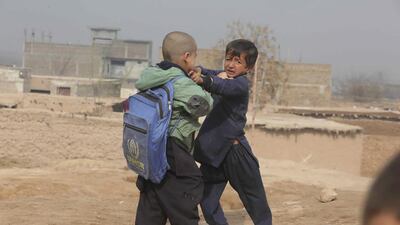
Afghan boys fight at the Kabobayan refugee camp. AP Photo -
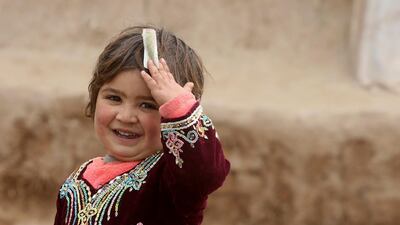
An Afghan refugee girl holds up a small banknote in the Kabobayan refugee camp. AP Photo -
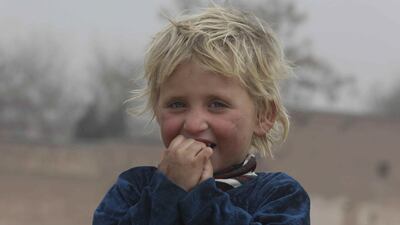
An Afghan refugee girl at the Kabobayan refugee camp. AP Photo -
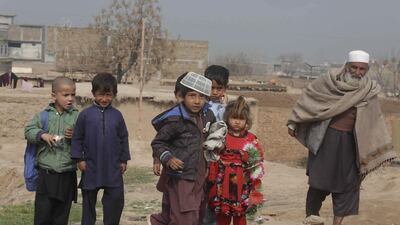
Afghan refugees at the Kabobayan refugee camp in Peshawar. AP Photo -
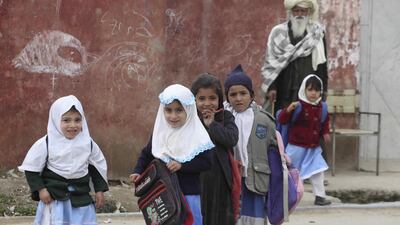
Afghan schoolgirls leave their school in the Kabobayan refugee camp in Peshawar, Pakistan. AP Photo -
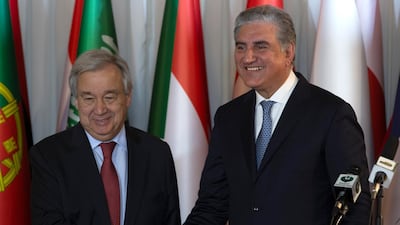
UN Secretary General Antonio Guterres, left, shakes hands with Pakistani Foreign Minister Shah Mahmood Qureshi after a joint press conference at the foreign ministry in Islamabad, Pakistan. AP Photo -
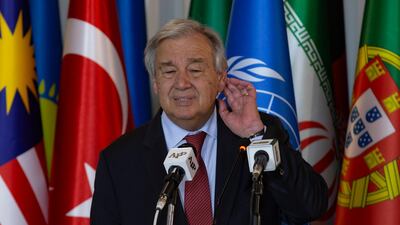
UN Secretary General Antonio Guterres listens to a reporter's question at the Pakistan Foreign Ministry in Islamabad. AP Photo


Mr Zikria, whose father and uncle died during the war against the Soviets, said the time for peace had come for the country and the Afghan people. The biggest task, he said, was ensuring the initial seven-day reduction in hostilities was adhered to and then built upon as the intra-Afghan talks started.
"In seven days, if we have less people getting killed or affected by this war is better than nothing. It also may give us a measure to build trust between the two sides."
He said, however, that if fighting resumed there was a chance the US withdrawal could be affected.
One of the Taliban's main sticking points has been the ending of the Nato presence in Afghanistan but, in return, the ambassador demanded the militant group cut its own international ties, citing the alleged presence of Pakistani, Uzbek, Chechen and Iranian fighters in the group's ranks.
“There are foreign elements fighting with the Taliban. The Nato forces, it’s one of the conditions of the Taliban that the foreign troops should leave Afghanistan, OK. But [what about the] foreign elements fighting with the Taliban, they also should leave Afghanistan.” Mr Zikria said this issue was likely to be a major talking point with the Taliban in any peace agreement.
He also called on the Iranian and Pakistans governments to play a “positive role” in the process.
“I think it’s not a secret any more that Iran has established relationship with the Taliban in the past few years or at least with part of the Taliban. We all know that it’s a fact," he said.
"We’re hoping that the Iranians play a more positive role because they need a neighbour that is at peace and [that they] can do business with.”
“When we will talk with the Taliban in an intra-Afghan dialogue, I believe we should talk to them and their relationship not only with Iran but all the other countries that they have.”
Mr Zikria, a nuclear engineer by trade, will head back to Afghanistan at the end of the month and remains cautious about the prospects for peace, citing Colombia as an example of a peace process that took decades to bear fruit.
"I want to be more positive and hope for the best. But I also understand that peace does not come easy and peace does not come in a day or two," he said.
"I'm still hopeful and positive. But it might take some time.”

