It was 50 years ago, at the Stockholm Conference on Human Environment, when countries had agreed to earmark June 5 as World Environment Day (WED). That was a watershed moment for the environment and for conservation. A new awakening of sorts.
Since then, WED is celebrated every year, under the aegis of the UN Environment Programme. Today, it is possibly the most significant event on the annual conservation calendar when major initiatives are launched to protect our planet.
Called the “United Nations Conference on Human Environment”, the Stockholm meeting was the first sincere effort to put conservation at the centre of the global development agenda.
Sweden will host WED tomorrow, to commemorate its hosting of the 1972 conference. Five decades on, however, the slogan adopted for that meeting – “Only One Earth” – is an unfortunate reminder that the world has not made enough progress on sustainability, despite major conventions, treaties and commitments.
We haven’t yet reconciled to the reality of the ”Only One Earth” ethos, going by the yardstick of our actions. The world population today stands at nearly 7.9 billion and needs nearly two planets to sustain us. Compare this with the UN’s population projection, expected to hit 10 billion by 2057. The scenario looks grim, unless we radically transform the way we live on this planet. Our only home.
It is true that we have hardly hit our environmental targets. The 2020 Convention on Biological Diversity report indicated that none of the 20 Aichi Biodiversity targets were met. We are also lagging behind with regard to the three biodiversity and climate-related Sustainable Development Goals.
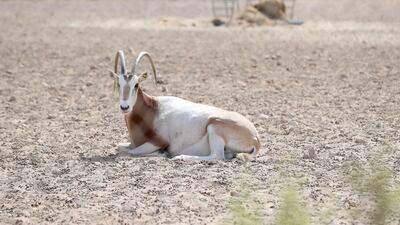
Many endangered species and their products continue to be traded, pushing several of them towards extinction. We are staring at the sixth mass extinction and risk losing an estimated 1 million species in the next few years.
Despite all efforts on the climate front, we have failed to limit Greenhouse Gas Protocol emissions globally. On the contrary, they have risen. The world is unlikely to meet the Cop21 target in Paris, to keep global warming below 2 degrees Celsius, compared to pre-industrial levels.
Our inability to meet climate and biodiversity targets is also impeding our ability to meet other SDGs, further pushing the planet and its people towards a natural catastrophe.
Not deterred by global challenges, we in Abu Dhabi continue to do our bit to promote sustainability. It cuts across all thematic areas of our work to protect and sustain the emirate’s natural resources, from promoting the sustainable use of water resources, to soil and fisheries.
We continue to make good progress towards sustainable fishing by transforming our fisheries and developing aquaculture. Sustainable exploitation of fisheries from 6 per cent to 60 per cent in more than three years is exemplary. It is a clear indication of our commitment to protect our resources and our ability to make bold policy decisions.
In a major sustainability push and in commemoration of WED, from June 1, we banned the use of single-use plastics in Abu Dhabi. Fortunately, our initiative has the backing of all the leading retailers in the emirate.
In the past five decades, we have tried to transform nature to suit our needs
Now it is for residents to support the decision to make Abu Dhabi and our planet a better place to live. Baadr, a free mobile App we launched this year, will further educate, encourage and incentivise environmentally responsible behaviour.
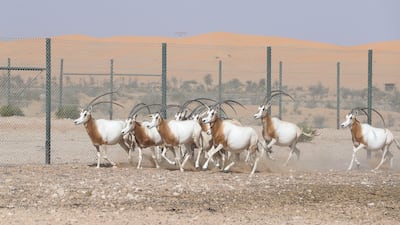
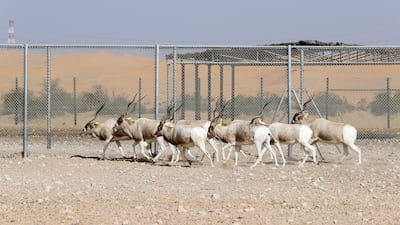
We are expanding our Zayed Network of Protected Areas to reach 21 per cent by 2025 to further protect important species and habitats. We are also restoring and rehabilitating threatened ecosystems using our plant nurseries and one of the world’s largest coral nurseries for coral reef rehabilitation. We are restoring some of the most threatened species back to the wild in Abu Dhabi and elsewhere, thus helping recovery of their habitat, ecosystems, sustainable livelihoods and building climate resilience.
As the emirate’s environmental regulator, our job does not end with our programmes. In fact, it begins there. We established the Abu Dhabi Sustainability Group (ADSG) in 2008. With members drawn from government, private sector and not-for-profit organisations, the group organises a sustainability forum for business every year and rewards the best initiatives and practitioners via the ADSG Business Leadership Awards.
We also have an award-winning Sustainable Schools Initiative, Sustainable Campus Initiative and a Green Business Network to create a sustainability-conscious society. Some initiatives and actions have been transformational. They may not profoundly change the global environmental outlook, but they are truly inspirational.
Over the past few weeks, our region has been hit by unprecedented sandstorms, paralysing normal life. Sandstorms are not new to our region, but their increasing frequency and timing are an indication that all is not well with our planet. Since April, Iraq alone had nine sandstorms, an abnormal occurrence. These are constant signals from Mother Nature. Signals to act.
As the crises of climate, biodiversity and pollution deepen with each passing day, delay on actions and reneging on our commitments will only make it worse, from sandstorms to fires and floods around the globe.
Despite facing criticism from climate activists, the just-concluded World Economic Forum deliberated on a range of topics and, importantly enough, on climate, innovation and collaboration. Such gatherings of leaders and businesses will make headway only if discussions lead to actions on the ground.
We need to be open in our thinking and free ourselves from the fetters of any kind of prejudices and biases if we wish to make real progress. The world needs more clarity and decisiveness on policy, governance and collaboration.
Within this context, the future looks concerning. But there is hope. Hope to build strong environmental leadership. And hope to green the political landscapes, as Australia witnessed in the recently held parliamentary election. It was an unprecedented victory for the Greens and candidates promising pro-climate and pro-nature actions.
It is possible that the recent spate of floods and bush fires, causing unimaginable devastation and misery and costing billions of dollars, raised the collective consciousness among the voters. Not surprisingly, the new government has promised to make Australia a renewable energy powerhouse, marking a major pro-climate policy shift.
From Europe to Asia and from North to South America, green parties are making their presence felt in mainstream politics. They have possibly acquired more relevance than ever before due to impending climate and biodiversity crises and associated natural disasters, affecting lives and livelihoods.
The world needs transformation in our engagements with nature. According to a UN report titled ”Making Peace with Nature”, in the past five decades we have tried to transform nature to suit our needs. Literally, we have been at war with nature, the way we have exploited and usurped it.
It is time to make peace with nature. To heal and repair the damages. For the sake of the planet and for our own future. We must transform ourselves and our relationship with nature, beginning now, if we need to have any semblance of a sustainable future.
We need a future that is based on collective efforts, transformative initiatives and decisive environmental leadership. Only then will we have made real progress towards protecting our environment, sustaining our resources and, in the process, living up to the reality of “Only One Earth”. This shouldn’t remain simply a slogan, but become a reality that will resonate in the years to come.

Rajasthan Royals 153-5 (17.5 ov)
Delhi Daredevils 60-4 (6 ov)
Rajasthan won by 10 runs (D/L method)
TO%20CATCH%20A%20KILLER
%3Cp%3E%3Cstrong%3EDirector%3A%20%3C%2Fstrong%3EDamian%20Szifron%3C%2Fp%3E%0A%3Cp%3E%3Cstrong%3EStars%3A%3C%2Fstrong%3E%20Shailene%20Woodley%2C%20Ben%20Mendelsohn%2C%20Ralph%20Ineson%3C%2Fp%3E%0A%3Cp%3E%3Cstrong%3ERating%3A%3C%2Fstrong%3E%202%2F5%3C%2Fp%3E%0A
UAE - India ties
The UAE is India’s third-largest trade partner after the US and China
Annual bilateral trade between India and the UAE has crossed US$ 60 billion
The UAE is the fourth-largest exporter of crude oil for India
Indians comprise the largest community with 3.3 million residents in the UAE
Indian Prime Minister Narendra Modi first visited the UAE in August 2015
His visit on August 23-24 will be the third in four years
Sheikh Mohamed bin Zayed, Crown Prince of Abu Dhabi and Deputy Supreme Commander of the Armed Forces, visited India in February 2016
Sheikh Mohamed was the chief guest at India’s Republic Day celebrations in January 2017
Modi will visit Bahrain on August 24-25
SPEC%20SHEET%3A%20SAMSUNG%20GALAXY%20Z%20FLIP%204
%3Cp%3E%3Cstrong%3EDisplay%3A%20%3C%2Fstrong%3EMain%20%E2%80%93%206.7%22%20FHD%20Dynamic%20Amoled%202X%2C%202640%20x%201080%2C%2022%3A9%2C%20425ppi%2C%20HDR10%2B%2C%20up%20to%20120Hz%3B%20cover%20%E2%80%93%201.9%22%20Super%20Amoled%2C%20512%20x%20260%2C%20302ppi%3C%2Fp%3E%0A%3Cp%3E%3Cstrong%3EProcessor%3A%3C%2Fstrong%3E%20Qualcomm%20Snapdragon%208%2B%20Gen%201%2C%204nm%2C%20octa-core%3B%20Adreno%20730%20GPU%3C%2Fp%3E%0A%3Cp%3E%3Cstrong%3EMemory%3A%3C%2Fstrong%3E%208GB%3C%2Fp%3E%0A%3Cp%3E%3Cstrong%3ECapacity%3A%3C%2Fstrong%3E%20128%2F256%2F512GB%3C%2Fp%3E%0A%3Cp%3E%3Cstrong%3EPlatform%3A%3C%2Fstrong%3E%20Android%2012%2C%20One%20UI%204.1.1%3C%2Fp%3E%0A%3Cp%3E%3Cstrong%3EMain%20camera%3A%3C%2Fstrong%3E%20Dual%2012MP%20ultra-wide%20(f%2F2.2)%20%2B%2012MP%20wide%20(f%2F1.8)%2C%20OIS%2C%20portrait%2C%20super%20slo-mo%2C%20hyperlapse%3C%2Fp%3E%0A%3Cp%3E%3Cstrong%3EVideo%3A%3C%2Fstrong%3E%204K%4030%2F60fps%2C%20full-HD%4030%2F60fps%2C%20HD%4030fps%3B%20slo-mo%40240%2F960fps%3B%20HDR10%2B%3C%2Fp%3E%0A%3Cp%3E%3Cstrong%3EFront%20camera%3A%3C%2Fstrong%3E%2010MP%20(f%2F2.4)%3C%2Fp%3E%0A%3Cp%3E%3Cstrong%3EBattery%3A%3C%2Fstrong%3E%203700mAh%2C%2025W%20fast%20charging%2C%2015W%20wireless%20charging%2C%20reverse%20wireless%20charging%2C%20'all-day'%20life%3C%2Fp%3E%0A%3Cp%3E%3Cstrong%3EConnectivity%3A%3C%2Fstrong%3E%205G%3B%20Wi-Fi%2C%20Bluetooth%205.2%2C%20NFC%20(Samsung%20Pay)%3C%2Fp%3E%0A%3Cp%3E%3Cstrong%3EI%2FO%3A%3C%2Fstrong%3E%20USB-C%3C%2Fp%3E%0A%3Cp%3E%3Cstrong%3ECards%3A%3C%2Fstrong%3E%20Nano-SIM%20%2B%20eSIM%3B%20no%20microSD%20slot%3C%2Fp%3E%0A%3Cp%3E%3Cstrong%3EColours%3A%3C%2Fstrong%3E%20Bora%20purple%2C%20graphite%2C%20pink%20gold%2C%20blue%3B%20Bespoke%20Edition%20in%20select%20countries%3C%2Fp%3E%0A%3Cp%3E%3Cstrong%3EIn%20the%20box%3A%3C%2Fstrong%3E%20Flip%204%2C%20USB-C-to-USB-C%20cable%3C%2Fp%3E%0A%3Cp%3E%3Cstrong%3EPrice%3A%3C%2Fstrong%3E%20Dh3%2C799%20%2F%20Dh3%2C999%20%2F%20Dh4%2C449%3C%2Fp%3E%0A
88 Video's most popular rentals
Avengers 3: Infinity War: an American superhero film released in 2018 and based on the Marvel Comics story.
Sholay: a 1975 Indian action-adventure film. It follows the adventures of two criminals hired by police to catch a vagabond. The film was panned on release but is now considered a classic.
Lucifer: is a 2019 Malayalam-language action film. It dives into the gritty world of Kerala’s politics and has become one of the highest-grossing Malayalam films of all time.
World record transfers
1. Kylian Mbappe - to Real Madrid in 2017/18 - €180 million (Dh770.4m - if a deal goes through)
2. Paul Pogba - to Manchester United in 2016/17 - €105m
3. Gareth Bale - to Real Madrid in 2013/14 - €101m
4. Cristiano Ronaldo - to Real Madrid in 2009/10 - €94m
5. Gonzalo Higuain - to Juventus in 2016/17 - €90m
6. Neymar - to Barcelona in 2013/14 - €88.2m
7. Romelu Lukaku - to Manchester United in 2017/18 - €84.7m
8. Luis Suarez - to Barcelona in 2014/15 - €81.72m
9. Angel di Maria - to Manchester United in 2014/15 - €75m
10. James Rodriguez - to Real Madrid in 2014/15 - €75m
UPI facts
More than 2.2 million Indian tourists arrived in UAE in 2023
More than 3.5 million Indians reside in UAE
Indian tourists can make purchases in UAE using rupee accounts in India through QR-code-based UPI real-time payment systems
Indian residents in UAE can use their non-resident NRO and NRE accounts held in Indian banks linked to a UAE mobile number for UPI transactions
Ticket prices
General admission Dh295 (under-three free)
Buy a four-person Family & Friends ticket and pay for only three tickets, so the fourth family member is free
Buy tickets at: wbworldabudhabi.com/en/tickets
UAE currency: the story behind the money in your pockets
Mercer, the investment consulting arm of US services company Marsh & McLennan, expects its wealth division to at least double its assets under management (AUM) in the Middle East as wealth in the region continues to grow despite economic headwinds, a company official said.
Mercer Wealth, which globally has $160 billion in AUM, plans to boost its AUM in the region to $2-$3bn in the next 2-3 years from the present $1bn, said Yasir AbuShaban, a Dubai-based principal with Mercer Wealth.
“Within the next two to three years, we are looking at reaching $2 to $3 billion as a conservative estimate and we do see an opportunity to do so,” said Mr AbuShaban.
Mercer does not directly make investments, but allocates clients’ money they have discretion to, to professional asset managers. They also provide advice to clients.
“We have buying power. We can negotiate on their (client’s) behalf with asset managers to provide them lower fees than they otherwise would have to get on their own,” he added.
Mercer Wealth’s clients include sovereign wealth funds, family offices, and insurance companies among others.
From its office in Dubai, Mercer also looks after Africa, India and Turkey, where they also see opportunity for growth.
Wealth creation in Middle East and Africa (MEA) grew 8.5 per cent to $8.1 trillion last year from $7.5tn in 2015, higher than last year’s global average of 6 per cent and the second-highest growth in a region after Asia-Pacific which grew 9.9 per cent, according to consultancy Boston Consulting Group (BCG). In the region, where wealth grew just 1.9 per cent in 2015 compared with 2014, a pickup in oil prices has helped in wealth generation.
BCG is forecasting MEA wealth will rise to $12tn by 2021, growing at an annual average of 8 per cent.
Drivers of wealth generation in the region will be split evenly between new wealth creation and growth of performance of existing assets, according to BCG.
Another general trend in the region is clients’ looking for a comprehensive approach to investing, according to Mr AbuShaban.
“Institutional investors or some of the families are seeing a slowdown in the available capital they have to invest and in that sense they are looking at optimizing the way they manage their portfolios and making sure they are not investing haphazardly and different parts of their investment are working together,” said Mr AbuShaban.
Some clients also have a higher appetite for risk, given the low interest-rate environment that does not provide enough yield for some institutional investors. These clients are keen to invest in illiquid assets, such as private equity and infrastructure.
“What we have seen is a desire for higher returns in what has been a low-return environment specifically in various fixed income or bonds,” he said.
“In this environment, we have seen a de facto increase in the risk that clients are taking in things like illiquid investments, private equity investments, infrastructure and private debt, those kind of investments were higher illiquidity results in incrementally higher returns.”
The Abu Dhabi Investment Authority, one of the largest sovereign wealth funds, said in its 2016 report that has gradually increased its exposure in direct private equity and private credit transactions, mainly in Asian markets and especially in China and India. The authority’s private equity department focused on structured equities owing to “their defensive characteristics.”
Dengue%20fever%20symptoms
%3Cp%3EHigh%20fever%20(40%C2%B0C%2F104%C2%B0F)%3Cbr%3ESevere%20headache%3Cbr%3EPain%20behind%20the%20eyes%3Cbr%3EMuscle%20and%20joint%20pains%3Cbr%3ENausea%3Cbr%3EVomiting%3Cbr%3ESwollen%20glands%3Cbr%3ERash%26nbsp%3B%3C%2Fp%3E%0A
Company%20profile
%3Cp%3E%3Cstrong%3ECompany%20name%3A%3C%2Fstrong%3E%20Fasset%0D%3Cbr%3E%3Cstrong%3EStarted%3A%20%3C%2Fstrong%3E2019%0D%3Cbr%3E%3Cstrong%3EFounders%3A%3C%2Fstrong%3E%20Mohammad%20Raafi%20Hossain%2C%20Daniel%20Ahmed%0D%3Cbr%3E%3Cstrong%3EBased%3A%3C%2Fstrong%3E%20Dubai%0D%3Cbr%3E%3Cstrong%3ESector%3A%20%3C%2Fstrong%3EFinTech%0D%3Cbr%3E%3Cstrong%3EInitial%20investment%3A%3C%2Fstrong%3E%20%242.45%20million%0D%3Cbr%3E%3Cstrong%3ECurrent%20number%20of%20staff%3A%3C%2Fstrong%3E%2086%0D%3Cbr%3E%3Cstrong%3EInvestment%20stage%3A%3C%2Fstrong%3E%20Pre-series%20B%0D%3Cbr%3E%3Cstrong%3EInvestors%3A%3C%2Fstrong%3E%20Investcorp%2C%20Liberty%20City%20Ventures%2C%20Fatima%20Gobi%20Ventures%2C%20Primal%20Capital%2C%20Wealthwell%20Ventures%2C%20FHS%20Capital%2C%20VN2%20Capital%2C%20local%20family%20offices%3C%2Fp%3E%0A
The specs
Engine: 3.0-litre six-cylinder turbo
Power: 398hp from 5,250rpm
Torque: 580Nm at 1,900-4,800rpm
Transmission: Eight-speed auto
Fuel economy, combined: 6.5L/100km
On sale: December
Price: From Dh330,000 (estimate)
RESULT
RS Leipzig 3
Marcel Sabitzer 10', 21'
Emil Forsberg 87'
Tottenham 0
EA Sports FC 25
Developer: EA Vancouver, EA Romania
Publisher: EA Sports
Consoles: Nintendo Switch, PlayStation 4&5, Xbox One and Xbox Series X/S
Rating: 3.5/5