• In this handout photograph taken and released on July 20, 2020 by Mitsubishi Heavy Industries an H-2A rocket carrying the Hope Probe known as "Al-Amal" in Arabic, developed by the Mohammed Bin Rashid Space Centre (MBRSC) in the United Arab Emirates (UAE) to explore Mars, blasts off from Tanegashima Space Centre in southwestern Japan. The first Arab space mission to Mars blasted off on July 20 aboard a rocket from Japan, with the probe dubbed "Hope" successfully separating about an hour after liftoff. - --- RESTRICTED TO EDITORIAL USE - MANDATORY CREDIT "AFP PHOTO / (MITSUBISHI HEAVY INDUSTRIES)" - NO MARKETING NO ADVERTISING CAMPAIGNS - DISTRIBUTED AS A SERVICE TO CLIENTS --- / AFP / Mitsubishi Heavy Industries / Handout / --- RESTRICTED TO EDITORIAL USE - MANDATORY CREDIT "AFP PHOTO / (MITSUBISHI HEAVY INDUSTRIES)" - NO MARKETING NO ADVERTISING CAMPAIGNS - DISTRIBUTED AS A SERVICE TO CLIENTS ---
    In this handout photograph taken and released on July 20, 2020 by Mitsubishi Heavy Industries an H-2A rocket carrying the Hope Probe known as "Al-Amal" in Arabic, developed by the Mohammed Bin Rashid Space Centre (MBRSC) in the United Arab Emirates (UAE) to explore Mars, blasts off from Tanegashima Space Centre in southwestern Japan. The first Arab space mission to Mars blasted off on July 20 aboard a rocket from Japan, with the probe dubbed "Hope" successfully separating about an hour after liftoff. - --- RESTRICTED TO EDITORIAL USE - MANDATORY CREDIT "AFP PHOTO / (MITSUBISHI HEAVY INDUSTRIES)" - NO MARKETING NO ADVERTISING CAMPAIGNS - DISTRIBUTED AS A SERVICE TO CLIENTS --- / AFP / Mitsubishi Heavy Industries / Handout / --- RESTRICTED TO EDITORIAL USE - MANDATORY CREDIT "AFP PHOTO / (MITSUBISHI HEAVY INDUSTRIES)" - NO MARKETING NO ADVERTISING CAMPAIGNS - DISTRIBUTED AS A SERVICE TO CLIENTS ---
  • It will take the spacecraft, which later detached from the rocket, about 200 days to reach the Red Planet, arriving in February 2021. Courtesy: Mitsubishi Heavy Industries
    It will take the spacecraft, which later detached from the rocket, about 200 days to reach the Red Planet, arriving in February 2021. Courtesy: Mitsubishi Heavy Industries
  • The launch of the rocket is captured on video at Japan's Tanegashima Space Centre. Courtesy: Mitsubishi Heavy Industries
    The launch of the rocket is captured on video at Japan's Tanegashima Space Centre. Courtesy: Mitsubishi Heavy Industries
  • The first homegrown Arab space mission drew in interest from across the globe. Courtesy: Mitsubishi Heavy Industries
    The first homegrown Arab space mission drew in interest from across the globe. Courtesy: Mitsubishi Heavy Industries
  • The launch of the rocket from Japan's Tanegashima Space Centre. Courtesy: Mitsubishi Heavy Industries
    The launch of the rocket from Japan's Tanegashima Space Centre. Courtesy: Mitsubishi Heavy Industries
  • Waiting for the launch in the morning light. MHI Launch Services twitter
    Waiting for the launch in the morning light. MHI Launch Services twitter
  • Emirati journalists clap as they watch the launch of the Hope space probe at Mohammed bin Rashid Space Centre in Dubai. AP
    Emirati journalists clap as they watch the launch of the Hope space probe at Mohammed bin Rashid Space Centre in Dubai. AP
  • A broadcasting of the launch of the Hope Mars probe at the Mohammed Bin Rashid Space Centre in Dubai. AFP
    A broadcasting of the launch of the Hope Mars probe at the Mohammed Bin Rashid Space Centre in Dubai. AFP
  • An Emirati man wipes a tear away with his face mask while watching the launch of the Hope space probe at Mohammed bin Rashid Space Centre in Dubai. AP
    An Emirati man wipes a tear away with his face mask while watching the launch of the Hope space probe at Mohammed bin Rashid Space Centre in Dubai. AP
  • Mohammed Al Mannaee, an announcer with Dubai TV, reacts as he watches the launch. AP
    Mohammed Al Mannaee, an announcer with Dubai TV, reacts as he watches the launch. AP
  • Sarah Al Ameeri and the UAE team watch the launch at at the Tanegashima Space Centre
    Sarah Al Ameeri and the UAE team watch the launch at at the Tanegashima Space Centre
  • The UAE team watch the launch of the Mars Hope probe at at the Tanegashima Space Centre.
    The UAE team watch the launch of the Mars Hope probe at at the Tanegashima Space Centre.
  • Sarah Al Ameeri and the UAE team watch the launch at at the Tanegashima Space Centre
    Sarah Al Ameeri and the UAE team watch the launch at at the Tanegashima Space Centre
  • A screen broadcasts the launch of the Mars probe at Mohammed bin Rashid Space Centre in Dubai. AFP
    A screen broadcasts the launch of the Mars probe at Mohammed bin Rashid Space Centre in Dubai. AFP
  • Solid rocket booster (SRB-A) was separated after burnout during the launch of the H-2A rocket carrying the Hope Probe, developed by the Mohammed Bin Rashid Space Centre (MBRSC) in the United Arab Emirates (UAE) for the Mars explore, are recorded by cameras onboard the rocket after the lauch from Tanegashima Space Center on the island of Tanegashima, Japan. REUTERS
    Solid rocket booster (SRB-A) was separated after burnout during the launch of the H-2A rocket carrying the Hope Probe, developed by the Mohammed Bin Rashid Space Centre (MBRSC) in the United Arab Emirates (UAE) for the Mars explore, are recorded by cameras onboard the rocket after the lauch from Tanegashima Space Center on the island of Tanegashima, Japan. REUTERS
  • A screen broadcasts the launch of the Mars probe at Mohammed bin Rashid Space Centre in Dubai. AFP
    A screen broadcasts the launch of the Mars probe at Mohammed bin Rashid Space Centre in Dubai. AFP
  • The launch of the rocket from Japan's Tanegashima Space Centre. Courtesy: MHI Launch Services
    The launch of the rocket from Japan's Tanegashima Space Centre. Courtesy: MHI Launch Services
  • Omran Sharaf, the project director for the Hope space probe, speaks on his mobile phone at Mohammed bin Rashid Space Centre in Dubai. AP
    Omran Sharaf, the project director for the Hope space probe, speaks on his mobile phone at Mohammed bin Rashid Space Centre in Dubai. AP
  • Sarah Al Ameeri, Minister of State for Advanced Sciences of United Arab Emirates, celebrates with Naohiko Abe, Mitsubishi Heavy Industries (MHI) Senior Vice President, Head of Integrated Defence and Space Systems, after the successful launch of the H-2A rocket carrying the Hope Probe, developed by the Mohammed Bin Rashid Space Centre (MBRSC) in the United Arab Emirates (UAE) for the Mars explore, at Tanegashima Space Center on the island of Tanegashima, Japan. REUTERS
    Sarah Al Ameeri, Minister of State for Advanced Sciences of United Arab Emirates, celebrates with Naohiko Abe, Mitsubishi Heavy Industries (MHI) Senior Vice President, Head of Integrated Defence and Space Systems, after the successful launch of the H-2A rocket carrying the Hope Probe, developed by the Mohammed Bin Rashid Space Centre (MBRSC) in the United Arab Emirates (UAE) for the Mars explore, at Tanegashima Space Center on the island of Tanegashima, Japan. REUTERS
  • Emiratis are pictured at the Mohammed Bin Rashid Space Centre in Dubai ahead of the expected launch of the "Hope" Mars probe from Japan. AFP
    Emiratis are pictured at the Mohammed Bin Rashid Space Centre in Dubai ahead of the expected launch of the "Hope" Mars probe from Japan. AFP
  • The weather was clear over Tanegashima Island in southern Japan on Sunday after weeks of rain and cloudy conditions. Courtesy: Dubai Media Office
    The weather was clear over Tanegashima Island in southern Japan on Sunday after weeks of rain and cloudy conditions. Courtesy: Dubai Media Office
  • Emirati engineers wave in a picture taken on Sunday from Japan's Tanegashima Space Centre. Courtesy: Emirates Mars Mission / UAE Space Agency
    Emirati engineers wave in a picture taken on Sunday from Japan's Tanegashima Space Centre. Courtesy: Emirates Mars Mission / UAE Space Agency
  • The launch of the rocket from Japan's Tanegashima Space Centre. Screengrab courtesy MHI Launch Services
    The launch of the rocket from Japan's Tanegashima Space Centre. Screengrab courtesy MHI Launch Services

UAE Mars mission: what awaits Hope probe on its voyage to Red Planet


James Langton
  • English
  • Arabic

On the ground in Japan and at Mohammed bin Rashid Space Centre, the tension of the launch gave way to applause as the Hope probe rose safely into space in the early hours of Monday.

The UAE joined an elite club of nations after the probe blasted out of Earth's atmosphere on a Japanese H-IIA rocket to begin a 200-day journey.

But for all the scenes of jubilation, all those involved in the Emirates Mission to Mars know a successful launch is only the beginning.

In its first few hours, Hope, or Al Amal, navigated a succession of challenges.

The upper stage of the craft containing the probe separated from the launch rocket and the protective shields around the nose cone fallen away, exposing Hope to space for the first time.

Next, the probe was released from the launcher and the craft activated its thrusters to stabilise itself.

Only once this was done, could two solar panels unfurl, recharging Hope’s batteries and allowing it to communicate with its controllers on Earth.

Hope then entered what it is known as the cruise phase, the seven-month journey to Mars, or rather towards where the planet will be by then.

This was another early test of nerves. If anything went gone wrong – a failed thruster or a jammed panel – the mission would have been over before it started. Instead it was a success.

Earth orbits the Sun on a slightly elliptical path and at a distance that varies between about 147 million and 152 million kilometres.

Mars is much farther away and has a more pronounced oval orbit that at times takes it more than 200m km from the Sun.

That means it takes Mars nearly twice as long as Earth to make a complete solar orbit – a Martian year is 687 days.

To put it into perspective, in 60 years of exploration well over half of Mars missions have ended in failure

To save time and fuel, it made most sense to aim Hope at where Mars would be early next year.

The optimum time for such a launch is every 26 months, which fell in July.

It is why the timing of the Hope launch was so crucial. If the launch was seriously delayed, the mission would have had to wait more than two years until the planets aligned again.

But even if Hope is taking a shortcut it is not without risk.

Travelling through space, the probe will experience average temperatures of about minus 270°C, or close to absolute zero, and be bombarded with high levels of radiation.

The Emirati scientists and engineers who built Hope designed the probe’s sensitive components to cope with these extremes, but several past missions were lost because of equipment failure on the way, including Nasa’s Mars Observer in 1993 and Russia’s Phobos 1 in 1988.

There are other perils. A solar flare in 2002 wiped out the electronics on Japan’s Nozomi Mars probe and a strike from a “micrometeorite” likely wrecked the pressurised instruments on board Russia’s Mars 5 in 1974.

To put it into perspective, in 60 years of exploration, more than half of all Mars missions have ended in failure. And while the success rate has improved in recent years, about a third of Mars missions still fail to make it.

Emirati journalists at Mohammed bin Rashid Space Centre in Dubai cheer as the Hope probe is blasted into orbit just before 2am on Monday, July 20. Ahmed Jadallah / Reuters

Along the way, Hope will navigate using a “star tracker”, equipment that measures the probe’s position in relation to the pattern of stars around it, similar to navigation on Earth.

A combination of the craft’s 14 thrusters and small flywheels, similar to gyroscopes, will carry out course corrections and keep the solar panels and communication dish aligned.

Hope’s flight path will intersect with Mars next February, but ensuring that it stops there is another tricky process.

The first successful probe to Mars, Mariner 4, spent only a couple days at the planet in 1965 before heading on into space because it lacked the technology to stop.

To enter Mars orbit, Hope will slam on the brakes, firing its thrusters for 30 minutes at exactly the right moment to reduce speed from about 120,000 kilometres per hour to 14,000kph.

This will be another tense time at mission control in Dubai. Hope is so far from Earth that instantaneous control is not possible and the probe must depend on its computer to make the right decisions.

It will take a nerve-racking 13 to 20 minutes before information about the manoeuvre reaches Earth. By then one of two scenarios will have played out.

In the worst case, the engine burn will have failed and the probe sped past Mars to be lost in space.

If all goes well, Hope will break silence after emerging from the shadow of Mars, the first signal of success that is likely to be received by a tracking station in Spain.

When it is captured by Mars’ gravity, the probe will take 40 hours to move from what is known as the capture orbit into the science orbit, ready to begin its mission. At this point we may see the first images of the planet sent from the probe.

Orbiting between 20,000km and 43,000km, testing Hope will take about six weeks, ending with the use of its three scientific instruments, including a high-resolution digital camera, to unlock the secrets of Mars atmosphere.

Only then will the mission planner finally be able to relax, as the first 1,000 gigabytes of new data about Mars begins to arrive to tell us more about the story of this strange and hostile environment.

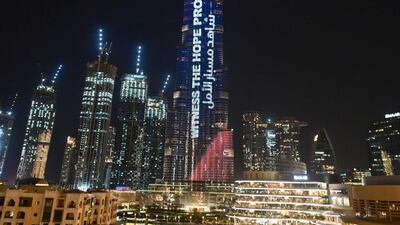
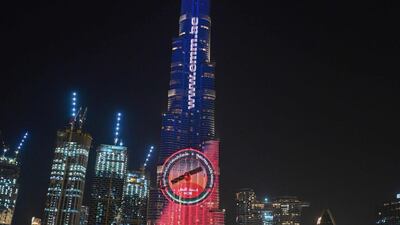
  • Dubai's Burj Khalifa lit up in support of the Hope probe. AFP
    Dubai's Burj Khalifa lit up in support of the Hope probe. AFP
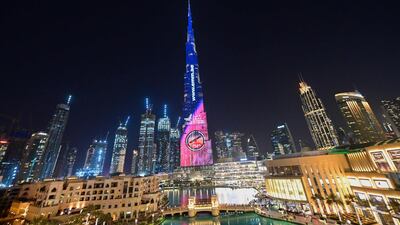
  • The tallest building also lit up in the colours and and beamed the badge of the UAE's Mars Mission. AFP
    The tallest building also lit up in the colours and and beamed the badge of the UAE's Mars Mission. AFP
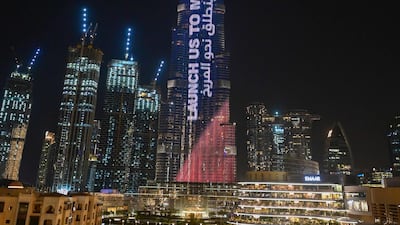
  • It gave spectators a glimpse of the countdown in Arabic that began at 1.58am on Monday. AFP
    It gave spectators a glimpse of the countdown in Arabic that began at 1.58am on Monday. AFP
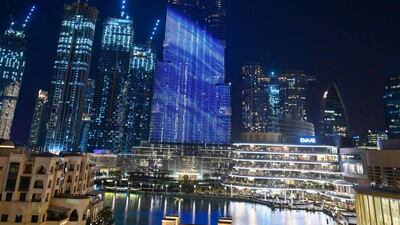
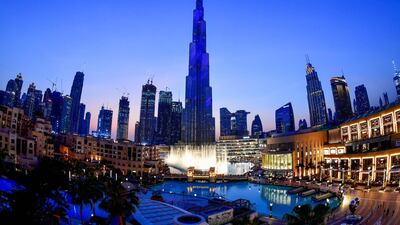
  • Burj Khalifa lit up in support of the Hope probe. AFP
    Burj Khalifa lit up in support of the Hope probe. AFP
  • Dubai's Burj Khalifa marked the launch of the Hope probe to Mars on Sunday evening. AFP
    Dubai's Burj Khalifa marked the launch of the Hope probe to Mars on Sunday evening. AFP
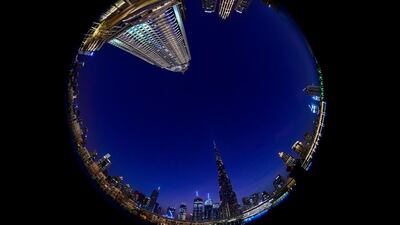
  • Burj Khalifa is the tallest structure and building in the world since 2009. AFP
    Burj Khalifa is the tallest structure and building in the world since 2009. AFP
  • Burj Khalifa's 57 lifts are laid out like a vertical metro system, with various changes of line needed to get from the base to the top. AFP
    Burj Khalifa's 57 lifts are laid out like a vertical metro system, with various changes of line needed to get from the base to the top. AFP
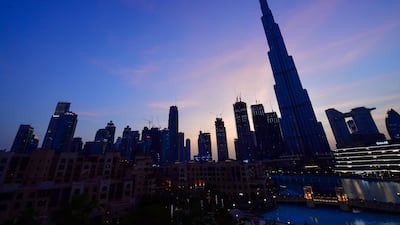
  • Burj Khalifa, the world’s tallest building, was opened to the public on January 4, 2010. AFP
    Burj Khalifa, the world’s tallest building, was opened to the public on January 4, 2010. AFP