The world of work is undergoing great change because of the coronavirus pandemic, leaving millions unemployed and others placed on furlough.
More people are working from home or waiting to restart their business when life returns to some form of normality.
But when people do get back to the workplace, what will it look like?
The McKinsey Global Institute, the research arm of management consultants McKinsey, released a report this week that tries to answer this question.
We expect the largest negative impact of the pandemic to fall on workers in food service and customer sales and service
Instead of considering types of jobs by sector, the company grouped 800 occupations according to how many interactions with other people they involved and assessed how they might be affected.
The report looked at eight countries accounting for half the world’s workforce – China, France, Germany, India, Japan, Spain, the UK and the US.
Here we look at the workplace changes that might be here to stay.
Which sector was hardest hit by coronavirus?
Up to 100 million workers – one in every 16 – in the eight countries featured are likely to have to look not just for new jobs, but new occupations.
In advanced economies, a quarter more people will have to change their field of work than predicted before the pandemic, with “a markedly different mix of occupations” emerging.
“We expect the largest negative impact of the pandemic to fall on workers in food service and customer sales and service roles, as well as less-skilled office support roles,” McKinsey said.
Meanwhile, there will be more warehousing and transport jobs, thanks in part to a growth in e-commerce. But this will not cancel out losses of other low-wage jobs.
McKinsey also forecasts a lasting increase in the number of independent workers – with the "gig economy" accounting for a greater share of the workforce.
Which jobs are most at risk during the pandemic?
- On-site customer interaction
- Leisure and travel
- Computer-based office work
- Indoor production and warehousing
McKinsey claims four types of close-proximity job – indoor production and warehousing, computerised office work, leisure and travel venues (which includes hotels and restaurants) and on-site customer interaction (including retail and hospitality) – are experiencing the most upheaval, in the short and long-term.
"Other work arenas, such as medical care and personal care with high levels of physical proximity, may also see less change because of the nature of the occupations," according to the report.
Tough times for sandwich shops
With more employees working from home, city centres are likely to face permanent reductions in the amount of trade, affecting sandwich shops, coffee shops and other outlets. There will also be less demand for transport services aimed at commuters.
McKinsey forecasts that the work-from-home trend will also have knock-on consequences on where people live and companies base themselves as they “shift out of large cities into suburbs and small cities”.
With face-to-face meetings no longer as important, thanks to the rise of video-conferencing, business travel is forecast to be one fifth lower than before the pandemic, which will hit the aviation industry hard, especially as, McKinsey notes, business travel is particularly lucrative.
What jobs will be lost to automation and artificial intelligence?
McKinsey reports that many companies stepped up investments in automation in factories, warehouses and call centres during the pandemic.
This was driven by increased demand in certain sectors and the need to reduce employee density to prevent coronavirus transmission.
Two thirds of senior executives polled by McKinsey in mid-2020 reported that they were investing more in AI and automation – a trend forecast to continue.
“Companies have enlisted automation and AI to cope with Covid-19 disruptions and may accelerate adoption in the years ahead, putting more robots in manufacturing plants and warehouses and adding self-service customer kiosks and service robots in customer interaction arenas,” the report said.
How many people will continue to work from home?
While the numbers working remotely may tail off once the effects of the pandemic wane, they are expected to remain much higher than before the coronavirus emerged.
McKinsey estimates that one fifth to one quarter of the workforce in the most advanced economies could work from home between three and five days a week.
“This represents four to five times more remote work than before the pandemic,” the company said.
____________
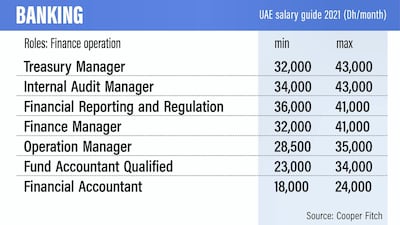
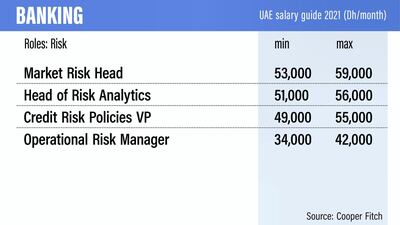
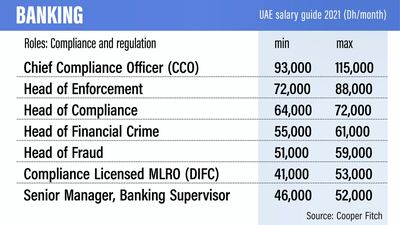
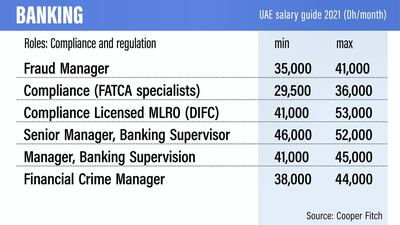
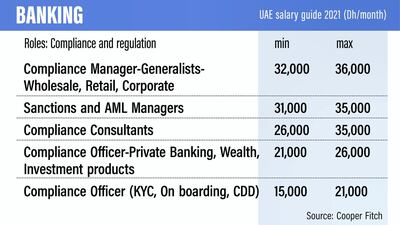
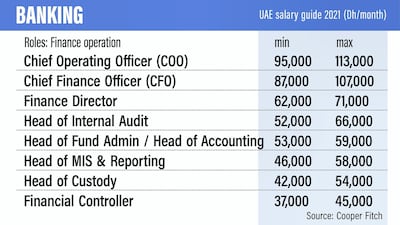
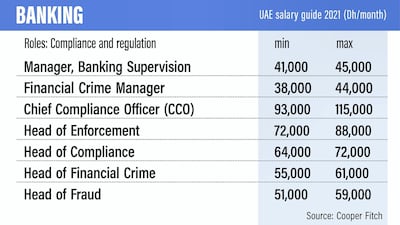
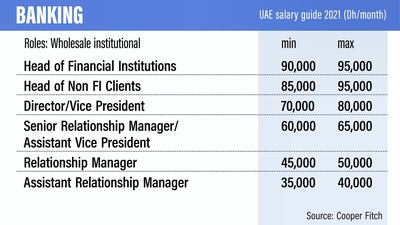
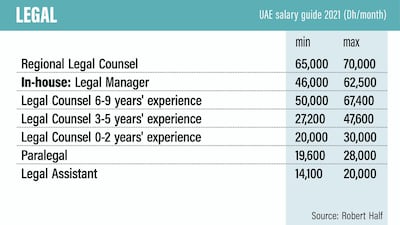
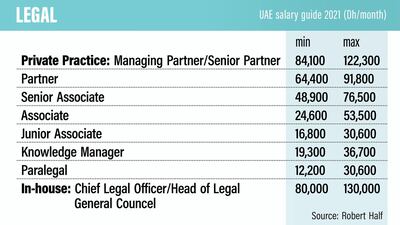
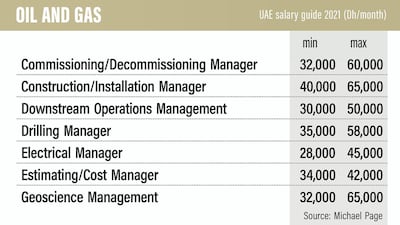
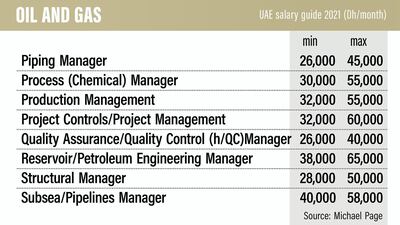
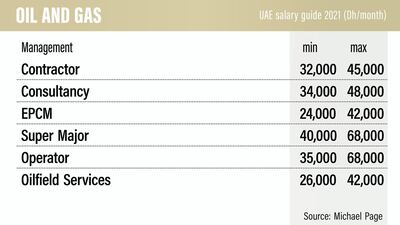
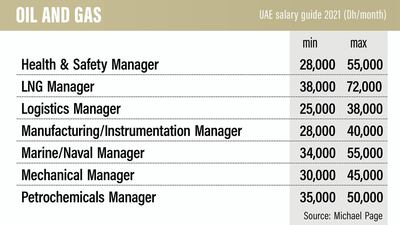
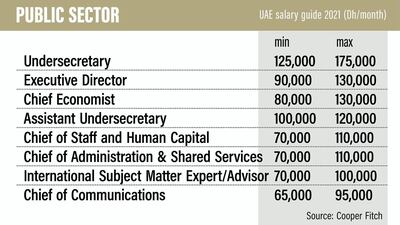
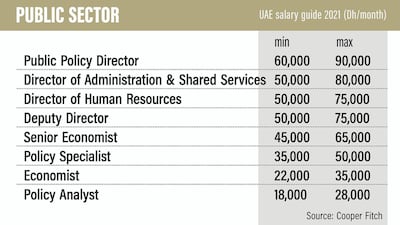
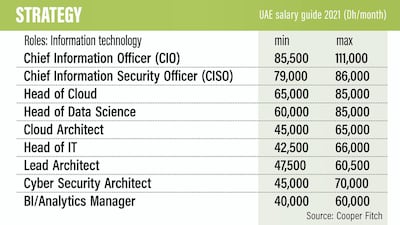
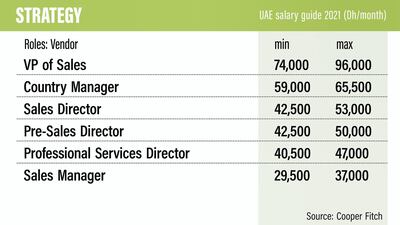
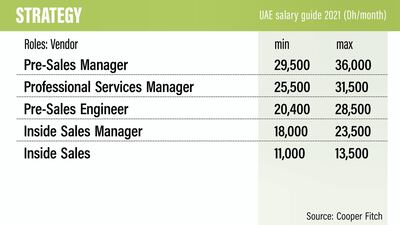
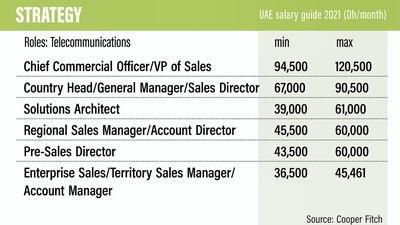
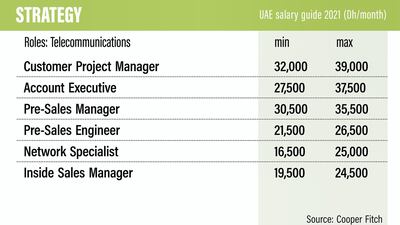
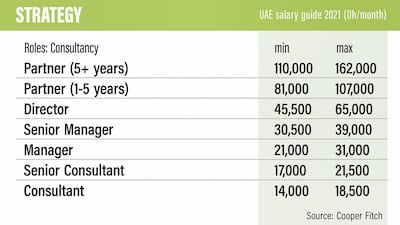
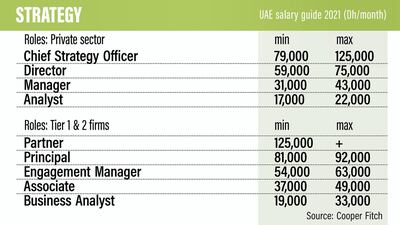
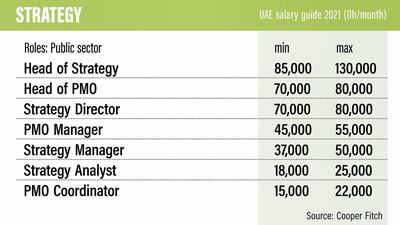
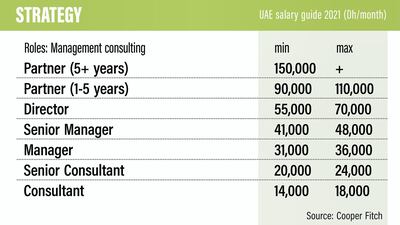
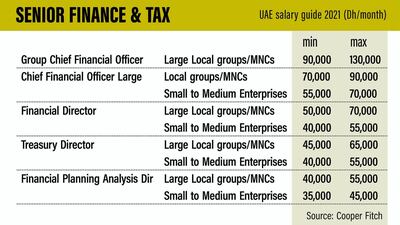
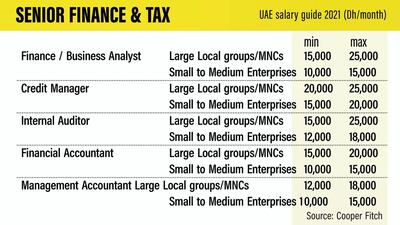
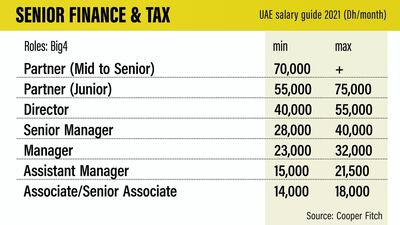
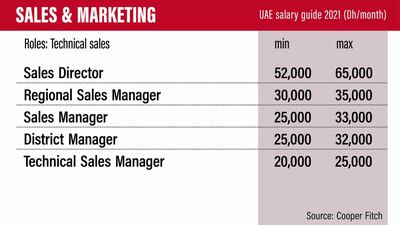
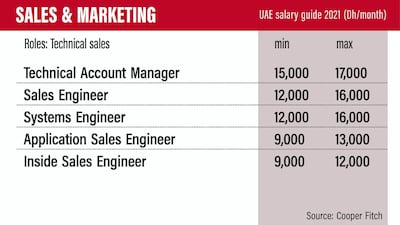
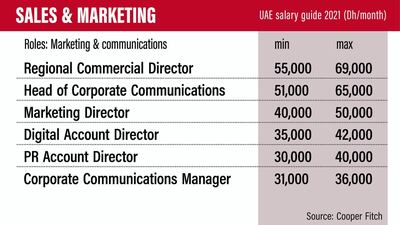
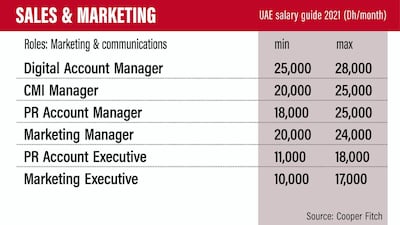
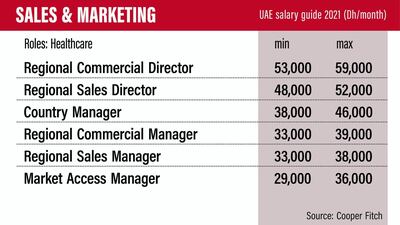
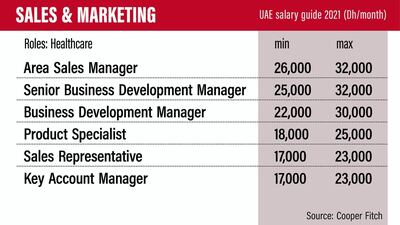
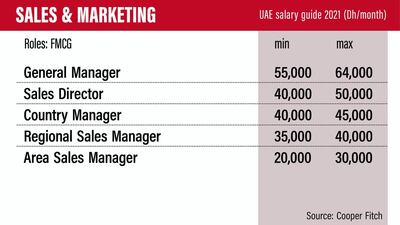
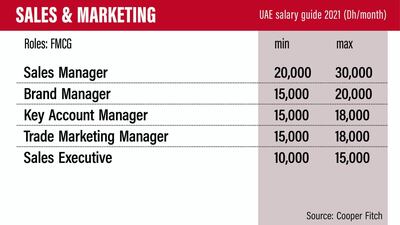
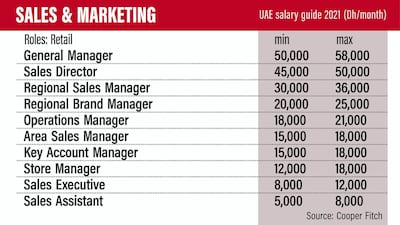
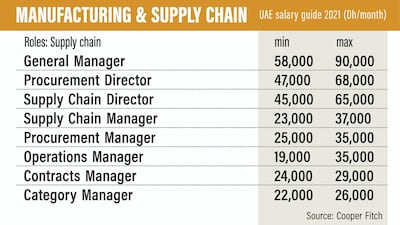
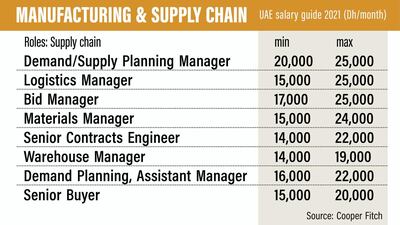
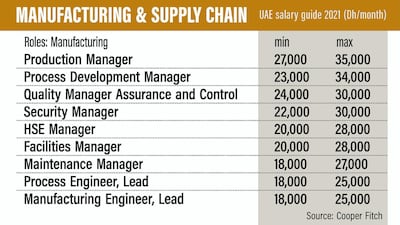
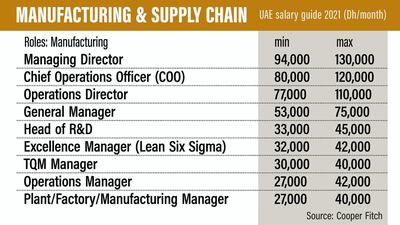
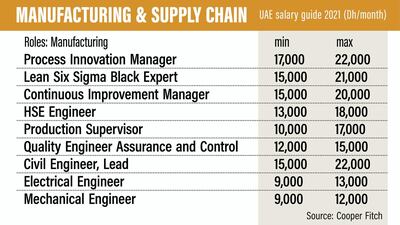
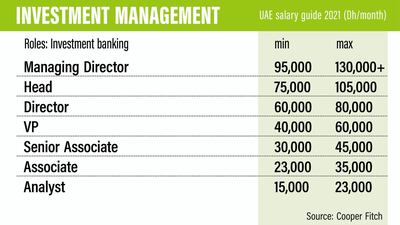
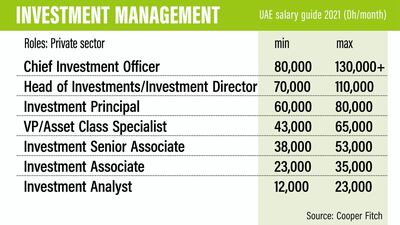
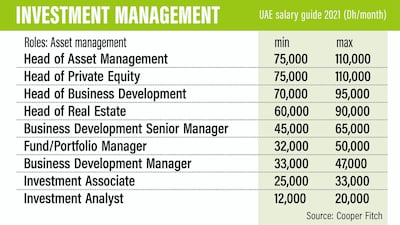
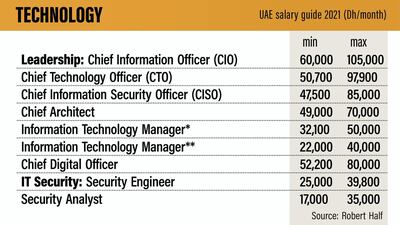
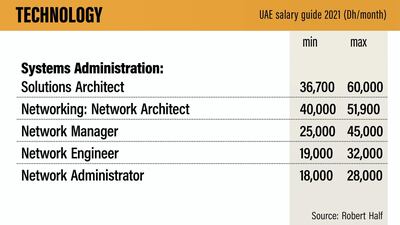
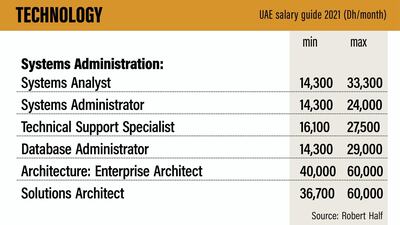
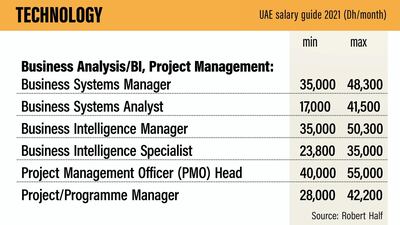
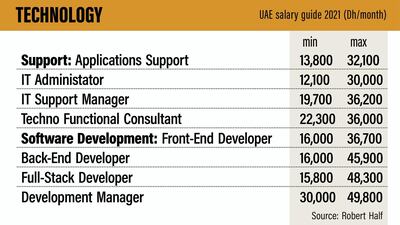
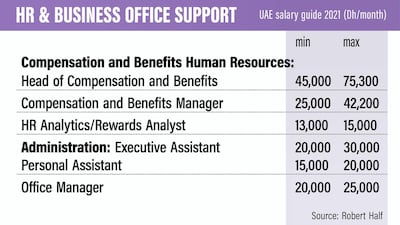
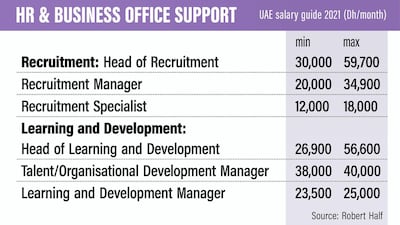
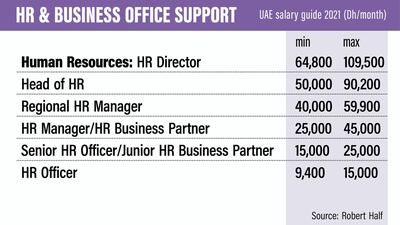
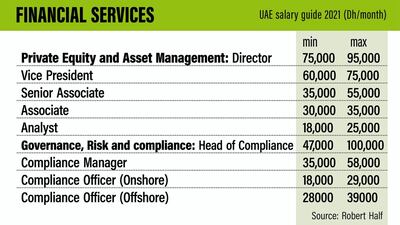
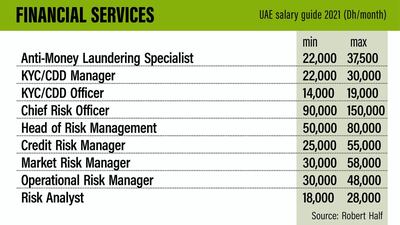
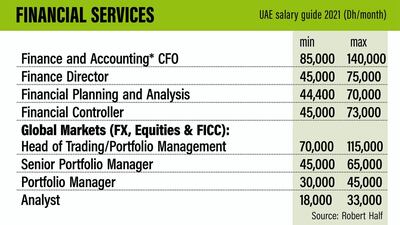
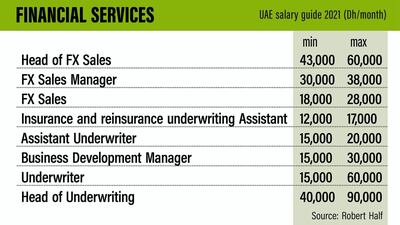
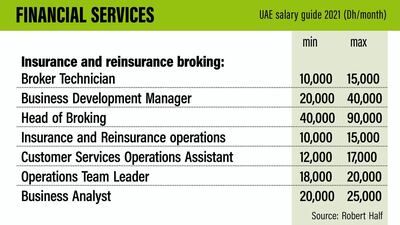
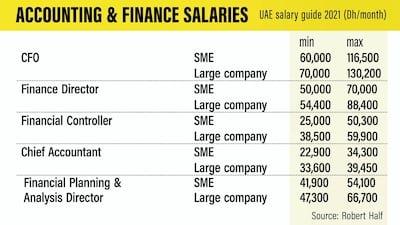
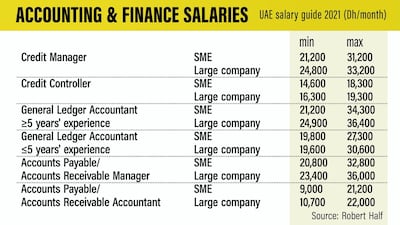
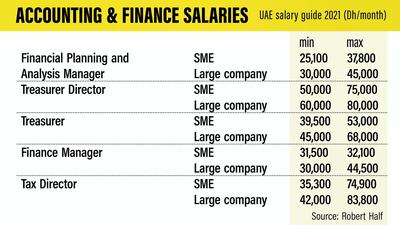
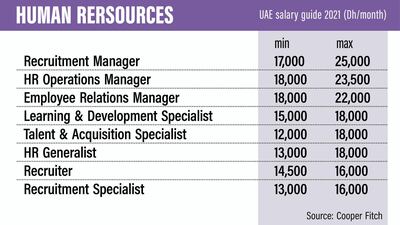
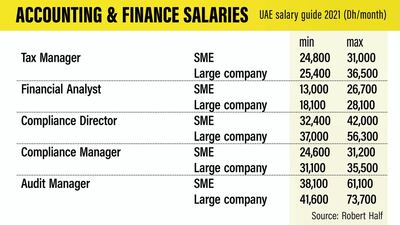
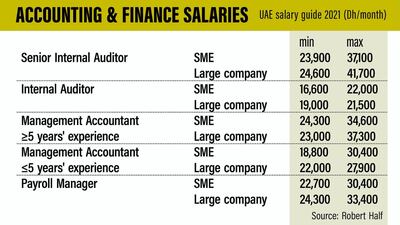
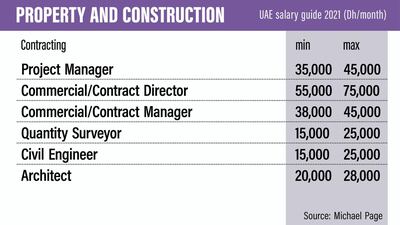
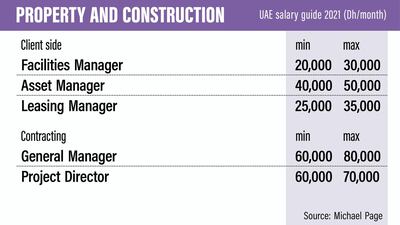
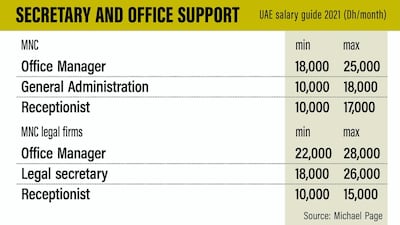
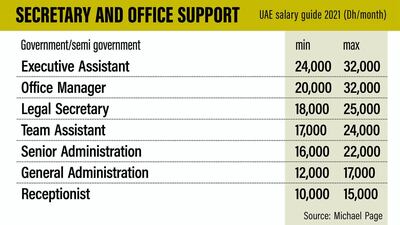
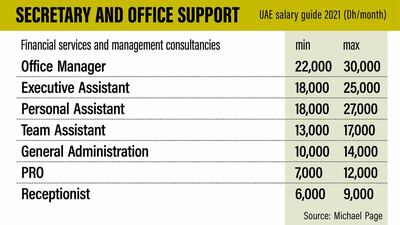
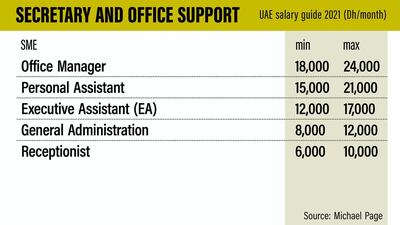
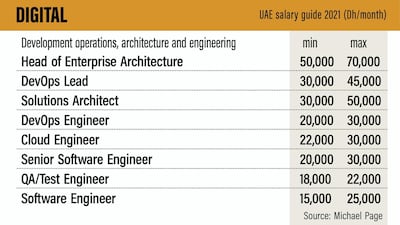
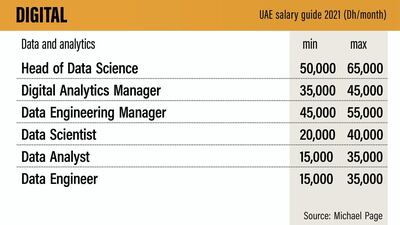
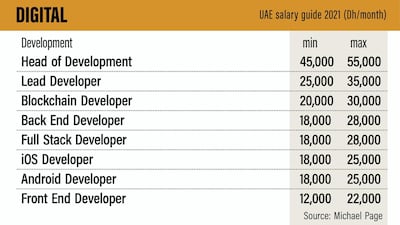
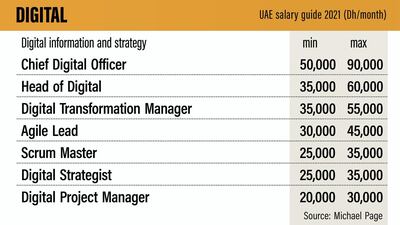
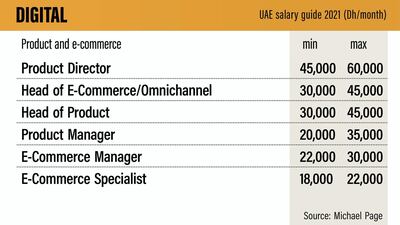
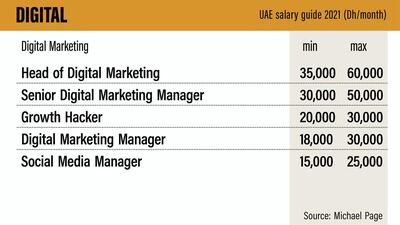
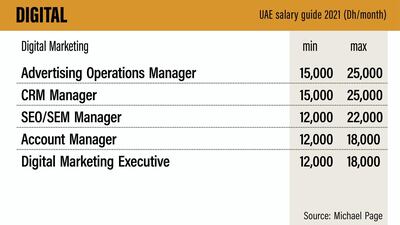
Gallery: UAE salary guide 2021
Ways to control drones
Countries have been coming up with ways to restrict and monitor the use of non-commercial drones to keep them from trespassing on controlled areas such as airports.
"Drones vary in size and some can be as big as a small city car - so imagine the impact of one hitting an airplane. It's a huge risk, especially when commercial airliners are not designed to make or take sudden evasive manoeuvres like drones can" says Saj Ahmed, chief analyst at London-based StrategicAero Research.
New measures have now been taken to monitor drone activity, Geo-fencing technology is one.
It's a method designed to prevent drones from drifting into banned areas. The technology uses GPS location signals to stop its machines flying close to airports and other restricted zones.
The European commission has recently announced a blueprint to make drone use in low-level airspace safe, secure and environmentally friendly. This process is called “U-Space” – it covers altitudes of up to 150 metres. It is also noteworthy that that UK Civil Aviation Authority recommends drones to be flown at no higher than 400ft. “U-Space” technology will be governed by a system similar to air traffic control management, which will be automated using tools like geo-fencing.
The UAE has drawn serious measures to ensure users register their devices under strict new laws. Authorities have urged that users must obtain approval in advance before flying the drones, non registered drone use in Dubai will result in a fine of up to twenty thousand dirhams under a new resolution approved by Sheikh Hamdan bin Mohammed, Crown Prince of Dubai.
Mr Ahmad suggest that "Hefty fines running into hundreds of thousands of dollars need to compensate for the cost of airport disruption and flight diversions to lengthy jail spells, confiscation of travel rights and use of drones for a lengthy period" must be enforced in order to reduce airport intrusion.
Avatar: Fire and Ash
Director: James Cameron
Starring: Sam Worthington, Sigourney Weaver, Zoe Saldana
Rating: 4.5/5
SPECS
Nissan 370z Nismo
Engine: 3.7-litre V6
Transmission: seven-speed automatic
Power: 363hp
Torque: 560Nm
Price: Dh184,500
The five pillars of Islam
The specs
Engine: Direct injection 4-cylinder 1.4-litre
Power: 150hp
Torque: 250Nm
Price: From Dh139,000
On sale: Now
KINGDOM%20OF%20THE%20PLANET%20OF%20THE%20APES
%3Cp%3E%3Cstrong%3EDirector%3A%3C%2Fstrong%3E%20Wes%20Ball%3C%2Fp%3E%0A%3Cp%3E%3Cstrong%3EStarring%3A%3C%2Fstrong%3E%20Owen%20Teague%2C%20Freya%20Allen%2C%20Kevin%20Durand%3C%2Fp%3E%0A%3Cp%3E%3Cstrong%3ERating%3A%20%3C%2Fstrong%3E3.5%2F5%3C%2Fp%3E%0A
Cherry
Directed by: Joe and Anthony Russo
Starring: Tom Holland, Ciara Bravo
1/5
Company%20profile
%3Cp%3E%3Cstrong%3ECompany%20name%3A%3C%2Fstrong%3E%20Fasset%0D%3Cbr%3E%3Cstrong%3EStarted%3A%20%3C%2Fstrong%3E2019%0D%3Cbr%3E%3Cstrong%3EFounders%3A%3C%2Fstrong%3E%20Mohammad%20Raafi%20Hossain%2C%20Daniel%20Ahmed%0D%3Cbr%3E%3Cstrong%3EBased%3A%3C%2Fstrong%3E%20Dubai%0D%3Cbr%3E%3Cstrong%3ESector%3A%20%3C%2Fstrong%3EFinTech%0D%3Cbr%3E%3Cstrong%3EInitial%20investment%3A%3C%2Fstrong%3E%20%242.45%20million%0D%3Cbr%3E%3Cstrong%3ECurrent%20number%20of%20staff%3A%3C%2Fstrong%3E%2086%0D%3Cbr%3E%3Cstrong%3EInvestment%20stage%3A%3C%2Fstrong%3E%20Pre-series%20B%0D%3Cbr%3E%3Cstrong%3EInvestors%3A%3C%2Fstrong%3E%20Investcorp%2C%20Liberty%20City%20Ventures%2C%20Fatima%20Gobi%20Ventures%2C%20Primal%20Capital%2C%20Wealthwell%20Ventures%2C%20FHS%20Capital%2C%20VN2%20Capital%2C%20local%20family%20offices%3C%2Fp%3E%0A
'Peninsula'
Stars: Gang Dong-won, Lee Jung-hyun, Lee Ra
Director: Yeon Sang-ho
Rating: 2/5
Moon Music
Artist: Coldplay
Label: Parlophone/Atlantic
Number of tracks: 10
Rating: 3/5
Dubai Bling season three
Cast: Loujain Adada, Zeina Khoury, Farhana Bodi, Ebraheem Al Samadi, Mona Kattan, and couples Safa & Fahad Siddiqui and DJ Bliss & Danya Mohammed
Rating: 1/5
Mercer, the investment consulting arm of US services company Marsh & McLennan, expects its wealth division to at least double its assets under management (AUM) in the Middle East as wealth in the region continues to grow despite economic headwinds, a company official said.
Mercer Wealth, which globally has $160 billion in AUM, plans to boost its AUM in the region to $2-$3bn in the next 2-3 years from the present $1bn, said Yasir AbuShaban, a Dubai-based principal with Mercer Wealth.
“Within the next two to three years, we are looking at reaching $2 to $3 billion as a conservative estimate and we do see an opportunity to do so,” said Mr AbuShaban.
Mercer does not directly make investments, but allocates clients’ money they have discretion to, to professional asset managers. They also provide advice to clients.
“We have buying power. We can negotiate on their (client’s) behalf with asset managers to provide them lower fees than they otherwise would have to get on their own,” he added.
Mercer Wealth’s clients include sovereign wealth funds, family offices, and insurance companies among others.
From its office in Dubai, Mercer also looks after Africa, India and Turkey, where they also see opportunity for growth.
Wealth creation in Middle East and Africa (MEA) grew 8.5 per cent to $8.1 trillion last year from $7.5tn in 2015, higher than last year’s global average of 6 per cent and the second-highest growth in a region after Asia-Pacific which grew 9.9 per cent, according to consultancy Boston Consulting Group (BCG). In the region, where wealth grew just 1.9 per cent in 2015 compared with 2014, a pickup in oil prices has helped in wealth generation.
BCG is forecasting MEA wealth will rise to $12tn by 2021, growing at an annual average of 8 per cent.
Drivers of wealth generation in the region will be split evenly between new wealth creation and growth of performance of existing assets, according to BCG.
Another general trend in the region is clients’ looking for a comprehensive approach to investing, according to Mr AbuShaban.
“Institutional investors or some of the families are seeing a slowdown in the available capital they have to invest and in that sense they are looking at optimizing the way they manage their portfolios and making sure they are not investing haphazardly and different parts of their investment are working together,” said Mr AbuShaban.
Some clients also have a higher appetite for risk, given the low interest-rate environment that does not provide enough yield for some institutional investors. These clients are keen to invest in illiquid assets, such as private equity and infrastructure.
“What we have seen is a desire for higher returns in what has been a low-return environment specifically in various fixed income or bonds,” he said.
“In this environment, we have seen a de facto increase in the risk that clients are taking in things like illiquid investments, private equity investments, infrastructure and private debt, those kind of investments were higher illiquidity results in incrementally higher returns.”
The Abu Dhabi Investment Authority, one of the largest sovereign wealth funds, said in its 2016 report that has gradually increased its exposure in direct private equity and private credit transactions, mainly in Asian markets and especially in China and India. The authority’s private equity department focused on structured equities owing to “their defensive characteristics.”
Company%20Profile
%3Cp%3E%3Cstrong%3ECompany%20name%3A%3C%2Fstrong%3E%20Cargoz%3Cbr%3E%3Cstrong%3EDate%20started%3A%3C%2Fstrong%3E%20January%202022%3Cbr%3E%3Cstrong%3EFounders%3A%3C%2Fstrong%3E%20Premlal%20Pullisserry%20and%20Lijo%20Antony%3Cbr%3E%3Cstrong%3EBased%3A%3C%2Fstrong%3E%20Dubai%3Cbr%3E%3Cstrong%3ENumber%20of%20staff%3A%3C%2Fstrong%3E%2030%3Cbr%3E%3Cstrong%3EInvestment%20stage%3A%3C%2Fstrong%3E%20Seed%3C%2Fp%3E%0A
THE BIO
Age: 33
Favourite quote: “If you’re going through hell, keep going” Winston Churchill
Favourite breed of dog: All of them. I can’t possibly pick a favourite.
Favourite place in the UAE: The Stray Dogs Centre in Umm Al Quwain. It sounds predictable, but it honestly is my favourite place to spend time. Surrounded by hundreds of dogs that love you - what could possibly be better than that?
Favourite colour: All the colours that dogs come in
KILLING OF QASSEM SULEIMANI