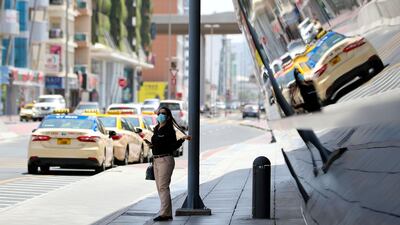
The UAE recorded 672 new coronavirus cases on Friday, pushing the country’s total to 50,141.
The new cases were identified after 54,000 further tests were conducted across the country, health officials said.
Officials confirmed another 489 patients had overcome Covid-19, taking the total number of recoveries to 39,153.
The number of recoveries now make up more than 78 per cent of the total number of infections.
The death toll in the Emirates now stands at 318 after one coronavirus patient died.
Earlier in the day, guidelines governing international travel were relaxed for citizens and residents of the UAE.
Places of worship across the country reopened and gyms in Abu Dhabi welcomed back customers this week as part of the gradual easing of safety restrictions.
_______________
-
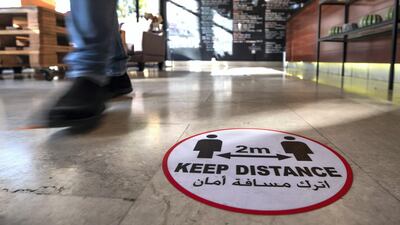
The Third Place Cafe on the Corniche in Abu Dhabi has a sticker to remind customers of Covid-19 precautions. Victor Besa / The National -
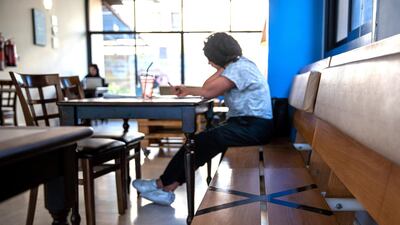
An 'X' reminds people of the need for physical distancing at the Third Place Cafe. Victor Besa / The National -
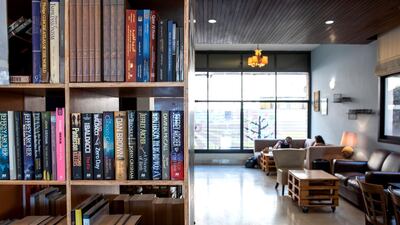
The Third Place Cafe in Abu Dhabi. Victor Besa / The National -
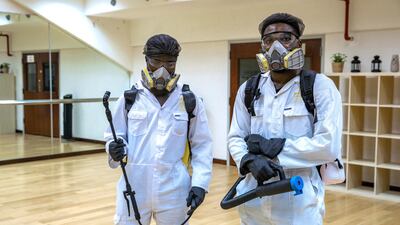
Sanitation workers at Haddins Fitness, Zayed Sports City. Victor Besa / The National -
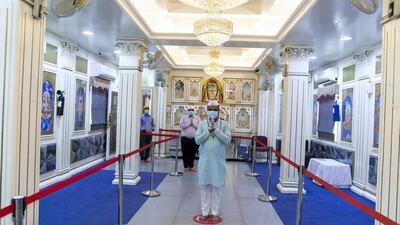
Places of worship, such as Shiva temple in Dubai, have been subject to restrictions during the pandemic. Reem Mohammed / The National -
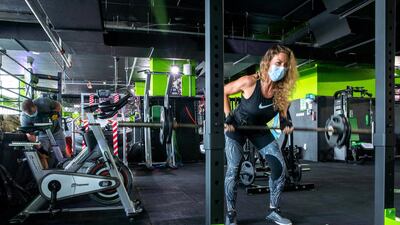
Fitness buff Natalie Navikova exercises at Cobra Fitness Abu Dhabi at Al Bandar. Victor Besa / The National -
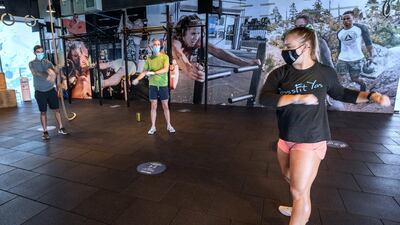
CrossFit class at Vogue Fitness Yas Marina, Abu Dhabi. Victor Besa / The National -

A worshipper at Shiva temple in Dubai follows safety precautions. Reem Mohammed / The National -
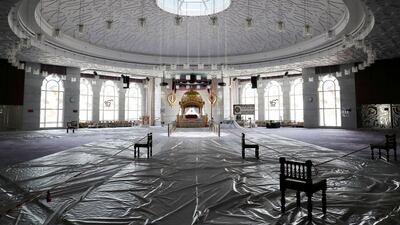
The floor of the main prayer hall at the Gurunanak Darbar in Jebel Ali, Dubai, is covered with plastic sheets to help tackle the spread of Covid-19. Pawan Singh / The National -
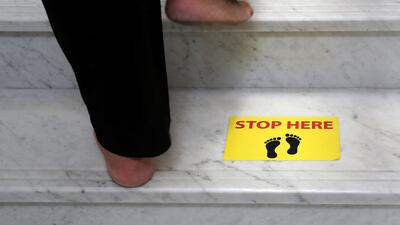
Safe distance marking stickers placed on the floor at Gurunanak Darbar in Jebel Ali, Dubai. Pawan Singh / The National -
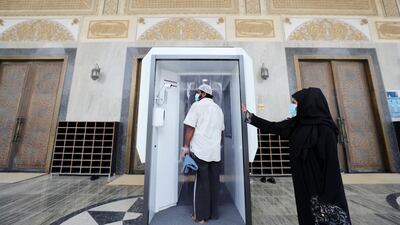
Midday prayers are performed at Al Farooq Omar Bin Al Khattab Mosque in Dubai. Chris Whiteoak / The National -
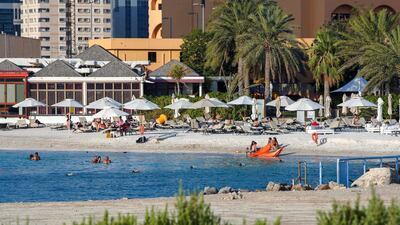
Hotel beaches are now open to guests at the Ramada Abu Dhabi Corniche after Covid-19 restrictions eased. Victor Besa / The National -
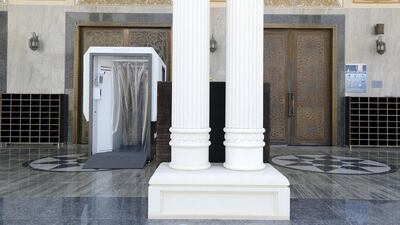
Al Farooq Omar Bin Al Khattab Mosque in Dubai has safety measures in place to help protect worshippers. Chris Whiteoak / The National -
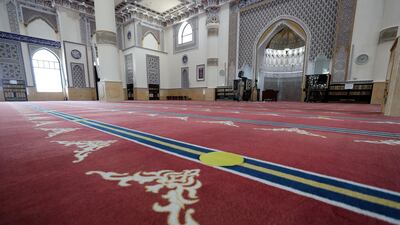
Al Farooq Omar Bin Al Khattab Mosque in Dubai. Chris Whiteoak / The National -
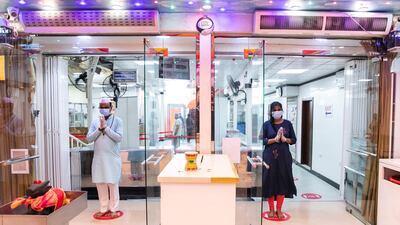
Shiva temple in Dubai put safety measures in place to protect worshippers. Reem Mohammed / The National -
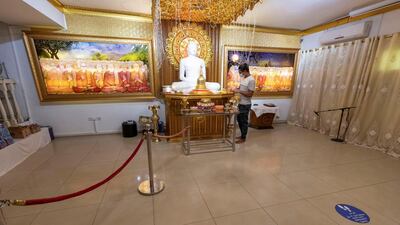
Covid-19 safety measures are put in place at Mahamevnawa Buddhist Temple in Dubai. Chris Whiteoak / The National -

Residents wear face masks as they walk in Abu Dhabi city centre. Victor Besa / The National -
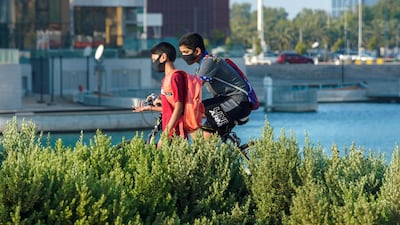
People walk along near the Ramada Hotel Abu Dhabi Corniche during the pandemic. Victor Besa / The National -
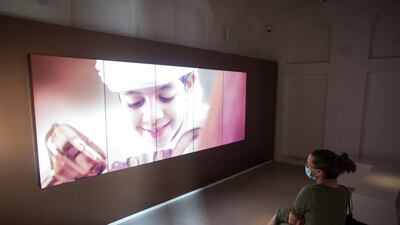
A visitor wears a protective face mask at Al Shindagha Museum in Dubai. EPA -
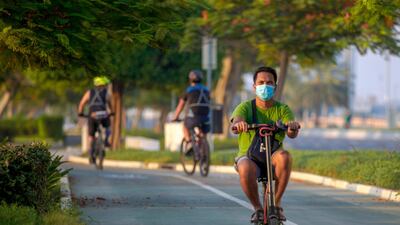
A man on his e-scooter travels along the Corniche in Abu Dhabi as the sun sets. Victor Besa / The National -
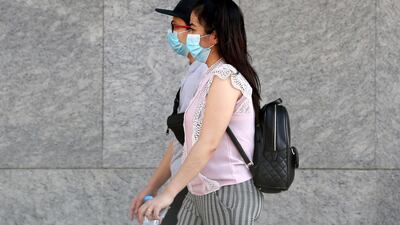
People wear face masks in Al Barsha, Dubai. Pawan Singh / The National



