
Green, amber and red labels to highlight nutritional ingredients in packaged foods will not be mandatory in the UAE from next year.
The UAE Cabinet has amended the law making the "traffic light" colour system for labelling tinned and packed food products voluntary from January.
The Ministry of Industry and Advanced Technology said the decision was taken to remove logistical challenges and minimise the financial impact on manufacturers and suppliers, according to Wam news agency.
As per an earlier government decision, the colour codes were scheduled to become mandatory in early January 2022 for all pre-packed food products.
Omar Al Suwaidi, the Undersecretary of the Ministry of Industry and Advanced Technology, said the shift to a voluntary plan would lead to estimated financial savings of Dh1.4 billion across the food sector by removing the need to change labels currently in use or in storage.
These costs would have ultimately been shouldered by the consumer, he said.
"This move is in line with the national strategy for industry and advanced technology to create a suitable and attractive business environment for local and international investors in the industrial sector, support the growth of national industries and enhance their regional and global competitiveness,” Mr Al Suwaidi said.
"In line with international best practices, the ministry has granted manufacturers the freedom to apply nutritional data specifications for products packaged in traffic light colours optionally.”
The decision would improve the availability of food, remove technical obstacles to trade and eliminate additional costs.
The colour-coded system is popular in Europe and the US as it provides quick information at a glance, with labels highlighting nutritional content such as the amount of salt, sugar and fats.
A green label indicates the product is low in a specific category and could mean it is a healthy option. Amber specifies it should be eaten in moderation due to higher levels of saturated fat, sugar or salt. A red label works as a recommendation that people should limit consumption.
The decision to make colour labelling mandatory had been approved in 2019 in the Emirates to improve awareness about healthy eating and provide consumers with more information about the food they consume.
It covered canned and packaged food but did not extend to fresh food such as fruit, meat and vegetables.
Foods that help to tackle diabetes: in pictures
-
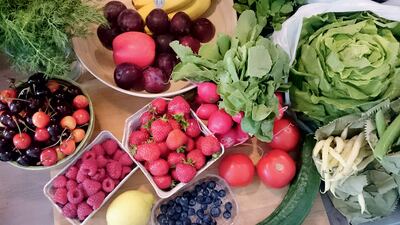
People who have diabetes should eat plenty of fresh vegetables and avoid fried and sugary foods. -

Tuna is rich in omega-3 fatty acids and helps to manage diabetes because it can lower inflammation and improve blood sugar control. Silvia Razgova / The National -
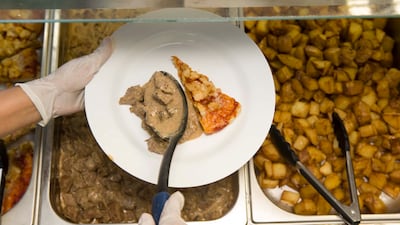
Replacing processed foods with fresh, home-cooked meals brings many health benefits. Antonie Robertson / The National -
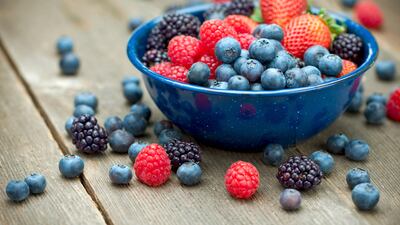
Berries are beneficial for people with diabetes because they are packed with antioxidants and fibre. iStockphoto -
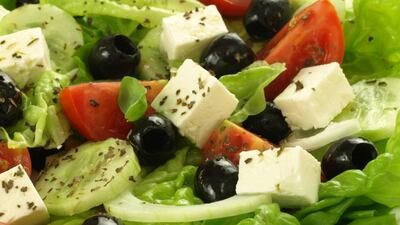
Greek salads made with lettuce, onions, tomatoes and cucumbers are low in calories, high in nutrients and help regulate blood sugar levels. -
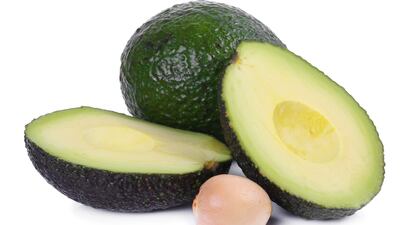
The good fats in avocados can help you prevent diabetes complications, such as heart attacks and strokes, and help your body to use insulin more effectively. -
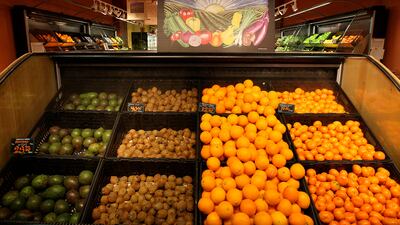
Citrus fruits can lower blood sugar levels. Pawan Singh / The National -

Walnuts can be a good snack for people with type-2 diabetes. They may help to prevent heart disease, control blood sugar levels and aid weight loss.



