


Eight months after Sharjah adopted a four-day work week, the number of road-related accidents and deaths in the emirate has been slashed by 40 per cent.
In the first three months of the year, the emirate noted a huge reduction in traffic accidents and fatalities compared with the same period last year.
Findings from a study presented at a Sharjah Executive Council meeting on Tuesday attributed the drop in road traffic accidents to the new working week.
Officials said there has also been a significant boost in government employee productivity. Those working in departments that enjoy a Friday to Sunday weekend reported feeling healthier and happier, with more time to spend with their families.
As a result, customer happiness also improved across a number of Sharjah government services.
The study was based on experiences from workers in the policing, environment, human resources and financial sectors in the emirate.
In addition to a decrease in traffic accidents and casualties, the shift to the new work week also resulted in a significant drop in the emission of gases such as carbon monoxide, sulphur dioxide and nitrogen dioxide. This is because fewer people were commuting to work.
Sharjah rang in the changes on January 1 by introducing a four-day work week after the UAE federal government adopted a Saturday-Sunday weekend, with half a day of work on Fridays.
In June, The National spoke to people in the emirate about how life had changed since the new working practices were implemented.
Emirati Nassir Al Kashwani, who works for the Sharjah Department of Finance, said he was a happier and more engaged parent.
“I have four children and I'm spending more time with them. I have become more of a friend to them than just a father," Mr Al Kashwani said.
"I have built a strong bond with the children and have discovered more about their interests".
A three-day weekend has been a blessing for the restaurant industry, especially after the pandemic.
Restaurants and hotels have since a boost in trade with people having more leisure time.
The move a four-day work week has gathered pace around the world.
In February, Belgium made the switch without loss of salary, while the UK began a trial of a four-day working week in June.
In Scotland, a government trial is due to start in 2023, while Wales is also considering it.
At Tuesday’s meeting, the Sharjah council directed a follow up to the study until the end of the year, where it will reassess the pros and cons of the new work week.
UAE work week changes - in pictures
-

The UAE changed its working week in January 2022. Federal and local government staff now work from 7.30am to 3.30pm, from Monday to Thursday, and from 7.30am to midday on Friday. Sarah Dea / The National -
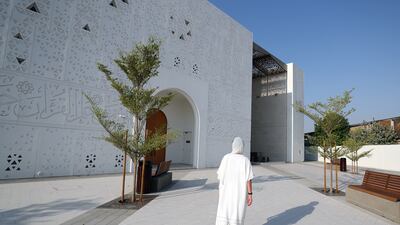
Friday sermons and prayers are held at 1.15pm after the working week changes. Chris Whiteoak / The National -

Schools in the UAE scheduled lessons in line with major changes to the working week. Chris Whiteoak / The National -

No specific instructions or guidance was made relating to the private sector, but companies do not require the government’s permission to set their working week. Victor Besa / The National. -

The new long weekend would ‘boost productivity and improve work-life balance’, the UAE Government Media Office said in a tweet in January when the changes were introduced. Paulo Vecina / The National



