Children under 5 flying to India no longer need to take a PCR test before departure. AFP

Can I fly to India from the UAE and do my children need a PCR test for travel?


Hayley Skirka
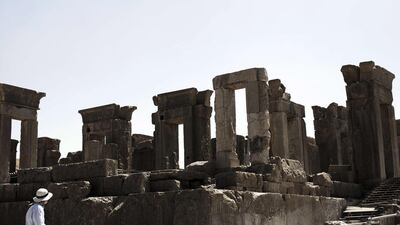
  • English
  • Arabic

As India reopens its borders to commercial travellers from nearly 100 countries, authorities have also eased PCR testing requirements for children.

Authorities in India have updated regulations for travel to the country. This is good news for families planning to fly to India in the near future.

After halting tourist visas in March 2020, India is allowing quarantine-free entry from Monday to fully inoculated travellers from 99 countries, including the UAE.

The Ministry of Health and Family Welfare in India has updated guidelines for international arrivals.

Previously, babies, infants and children of all ages had to have a PCR test before flying to the country. This has now been eased, with children aged under 5 no longer required to take a pre-flight PCR test.

Despite India not yet being on the Abu Dhabi green list, travel between the UAE and India is open.

On November 7, Abu Dhabi extended its green list of countries from where travellers can travel without quarantine. Authorities added 13 new countries to the list, which now runs to 95 destinations, almost half of all the countries in the world.

India – a country of more than one billion people – remains notably absent from this ever-evolving list. However, the UAE and India have an air bubble partnership in place, which means travel is allowed between the two countries, with no quarantine for vaccinated travellers flying to or from India.

However, there are some additional restrictions in place.

Who can travel to India from the UAE?

Tourists inside a Mughal garden in Srinagar, India. EPA

India and the UAE have an air bubble agreement that allows airlines to operate flights to and from both countries.

Travel to India via this scheme is restricted to specific categories of passengers. Nationals from India, Bhutan or Nepal, and Overseas Citizen of India and Person of Indian Origin cardholders with foreign passports can fly to India. Emiratis and foreigners from other countries in Africa or South America can also fly to India, but must have a valid visa. Tourist visas or e-visa issued on or after October 6 are now valid for travel to India.

From India to the UAE, only Emiratis, ICA and GDRFA-approved UAE residents, and nationals from India, Bhutan or Nepal holding a valid visa can travel via the air corridor agreement.

Vaccinated travellers flying to Abu Dhabi from India do not need to quarantine on arrival, but will undergo a PCR test on arrival.

Travellers also need to stay up to date on the latest requirements for flying to Abu Dhabi from India. Currently, these include registering via the ICA Smart Travel Service, taking a PCR test no more than 48 hours before travel and having a rapid PCR test within six hours of boarding at the departure airport.

What do I need to do before travelling to India from the UAE?

Travellers at immigration counters at Terminal 3 of Indira Gandhi International Airport in New Delhi. AFP

Travellers need to submit a self-declaration form before travelling to India. This can be found here and needs to be completed for each person flying, including infants and children. After filling in the form, travellers will get an approval code that will be required before boarding any flight.

All passengers must also have a printed colour copy of the self-declaration form when travelling, unless flying to Hyderabad where two copies are required.

Vaccinated travellers need to upload their vaccination certificate on the Air Suvidha online portal and carry a printed copy of the certificate, which should be in English.

Finally, passengers need to download the Aarogya Setu app on their mobile phones – you can find the link here.

Depending on which state travellers are flying to, there could be other rules to follow, such as to Chennai in Tamil Nadu where travellers need to apply for an e-pass at least 48 hours before flying.

All travellers should regularly check the local regulations for their destination.

Do I need a PCR test before flying to India?

A healthcare worker collects a swab sample for the Covid-19 test from an international passenger at a facility inside Chennai International Airport. EPA

All travellers need a PCR test before flying to any destination in India. The test must be taken no more than 72 hours before travel and results must be uploaded on to the Air Suvidha online portal.

Babies and children aged under 5 no longer need a PCR test, after Indian authorities updated regulations on November 11. Children under 5 are also exempt from any on-arrival tests, unless they display Covid-19 symptoms. If this happens on arrival or during the home quarantine period, the children would need to undergo testing.

Travellers also need a hard copy of their negative test results with them when they travel; digital copies are not accepted.

Do I need to be vaccinated to fly to India?

The Golden Temple, also known as Sri Harmandir Sahib, in Amritsar. Getty Images

Travellers do not need to be vaccinated before flying to India. However, there are different rules in place for travellers who are fully immunised and those who are not.

India recognises all vaccines administered in the UAE, but travellers must have completed both doses of any vaccine at least 15 days before travelling.

What restrictions are in place in India?

Tourists visit the Taj Mahal in Agra in September 2020. AFP

After landing in India, travellers need to follow the rules in place for the destination they have flown to, as these change from region to region.

Vaccinated travellers arriving in any destination must self‑monitor their health for 14 days after arrival in India. Non-vaccinated travellers will have to take an on-arrival Covid-19 test and then home quarantine for seven days. Another test must be taken on day eight.

The cost of these on-arrival tests varies depending on the airport that travellers land at. Mumbai has the cheapest tests, from 600 Indian rupees ($8), while Bangalore's express tests are some of the more expensive options at 3,200 Indian rupees ($43) per person. Travellers arriving in Kerala and requiring an on-arrival test will receive it free of charge.

All travellers may have to undergo thermal screening and should wear face masks in public places and avoid crowded areas when in India.

Which airlines are flying between India and the UAE?

Airline stewardesses pose for a photo during the unveiling of a special liveried SpiceJet Boeing 737, to celebrate India administering its billionth Covid-19 vaccine. AFP

Because of the air bubble restrictions, there are fewer flights operating between India and the UAE at the moment than there were pre-pandemic. However, several airlines are flying between the two countries.

Etihad Airways operates from Abu Dhabi to several destinations in India, including Hyderabad, Kochi, Trivandrum and Mumbai. From Dubai, Emirates airline flies to several cities across India, including Ahmedabad, Bengaluru, Delhi and Kolkata.

Other airlines operating to India from the UAE include flydubai, Air India, Air Arabia, IndiGo, Vistara and SpiceJet.

When will India be added to the Abu Dhabi green list?

  • 1. Algeria. Lindsay Mackenzie for The National
    1. Algeria. Lindsay Mackenzie for The National
  • 2. Cambodia. Heng Sinith / AP photo
    2. Cambodia. Heng Sinith / AP photo
  • 3. iran. Behrouz Mehri / AFP
    3. iran. Behrouz Mehri / AFP
  • 4. Laos. Ismat Abidi for The National
    4. Laos. Ismat Abidi for The National
  • 5. Latvia. Photo: Vecriga Ziema / Latvia Travel
    5. Latvia. Photo: Vecriga Ziema / Latvia Travel
  • 6. Lebanon. AP photo
    6. Lebanon. AP photo
  • 7. Malaysia. EPA
    7. Malaysia. EPA
  • 8. Philippines. Reuters
    8. Philippines. Reuters
  • 9. Romania. Photo: Dan Tautan / Visit Cluj
    9. Romania. Photo: Dan Tautan / Visit Cluj
  • 10. Syria.
    10. Syria.
  • 11. Turkey. Photo: Turkey Nature Tourism
    11. Turkey. Photo: Turkey Nature Tourism
  • 12. Uruguay. Karan Chaudhari / Unsplash
    12. Uruguay. Karan Chaudhari / Unsplash
  • 13. Yemen
    13. Yemen

It's not clear when India will be added to the Abu Dhabi green list.

Abu Dhabi authorities will continue to add or remove countries to the list “subject to change based on global Covid-19 developments”.


Ten tax points to be aware of in 2026

1. Domestic VAT refund amendments: request your refund within five years

If a business does not apply for the refund on time, they lose their credit.

2. E-invoicing in the UAE

Businesses should continue preparing for the implementation of e-invoicing in the UAE, with 2026 a preparation and transition period ahead of phased mandatory adoption. 

3. More tax audits

Tax authorities are increasingly using data already available across multiple filings to identify audit risks. 

4. More beneficial VAT and excise tax penalty regime

Tax disputes are expected to become more frequent and more structured, with clearer administrative objection and appeal processes. The UAE has adopted a new penalty regime for VAT and excise disputes, which now mirrors the penalty regime for corporate tax.

5. Greater emphasis on statutory audit

There is a greater need for the accuracy of financial statements. The International Financial Reporting Standards standards need to be strictly adhered to and, as a result, the quality of the audits will need to increase.

6. Further transfer pricing enforcement

Transfer pricing enforcement, which refers to the practice of establishing prices for internal transactions between related entities, is expected to broaden in scope. The UAE will shortly open the possibility to negotiate advance pricing agreements, or essentially rulings for transfer pricing purposes. 

7. Limited time periods for audits

Recent amendments also introduce a default five-year limitation period for tax audits and assessments, subject to specific statutory exceptions. While the standard audit and assessment period is five years, this may be extended to up to 15 years in cases involving fraud or tax evasion. 

8. Pillar 2 implementation 

Many multinational groups will begin to feel the practical effect of the Domestic Minimum Top-Up Tax (DMTT), the UAE's implementation of the OECD’s global minimum tax under Pillar 2. While the rules apply for financial years starting on or after January 1, 2025, it is 2026 that marks the transition to an operational phase.

9. Reduced compliance obligations for imported goods and services

Businesses that apply the reverse-charge mechanism for VAT purposes in the UAE may benefit from reduced compliance obligations. 

10. Substance and CbC reporting focus

Tax authorities are expected to continue strengthening the enforcement of economic substance and Country-by-Country (CbC) reporting frameworks. In the UAE, these regimes are increasingly being used as risk-assessment tools, providing tax authorities with a comprehensive view of multinational groups’ global footprints and enabling them to assess whether profits are aligned with real economic activity. 

Contributed by Thomas Vanhee and Hend Rashwan, Aurifer

UAE currency: the story behind the money in your pockets
Scores

New Zealand 266 for 9 in 50 overs
Pakistan 219 all out in 47.2 overs 

New Zealand win by 47 runs

The%20specs
%3Cp%3E%3Cstrong%3EPowertrain%3A%20%3C%2Fstrong%3ESingle%20electric%20motor%0D%3Cbr%3E%3Cstrong%3EPower%3A%20%3C%2Fstrong%3E201hp%0D%3Cbr%3E%3Cstrong%3ETorque%3A%20%3C%2Fstrong%3E310Nm%0D%3Cbr%3E%3Cstrong%3ETransmission%3A%20%3C%2Fstrong%3ESingle-speed%20auto%0D%3Cbr%3E%3Cstrong%3EBattery%3A%20%3C%2Fstrong%3E53kWh%20lithium-ion%20battery%20pack%20(GS%20base%20model)%3B%2070kWh%20battery%20pack%20(GF)%0D%3Cbr%3E%3Cstrong%3ETouring%20range%3A%20%3C%2Fstrong%3E350km%20(GS)%3B%20480km%20(GF)%0D%3Cbr%3E%3Cstrong%3EPrice%3A%20%3C%2Fstrong%3EFrom%20Dh129%2C900%20(GS)%3B%20Dh149%2C000%20(GF)%0D%3Cbr%3E%3Cstrong%3EOn%20sale%3A%3C%2Fstrong%3E%20Now%3C%2Fp%3E%0A
Key figures in the life of the fort

Sheikh Dhiyab bin Isa (ruled 1761-1793) Built Qasr Al Hosn as a watchtower to guard over the only freshwater well on Abu Dhabi island.

Sheikh Shakhbut bin Dhiyab (ruled 1793-1816) Expanded the tower into a small fort and transferred his ruling place of residence from Liwa Oasis to the fort on the island.

Sheikh Tahnoon bin Shakhbut (ruled 1818-1833) Expanded Qasr Al Hosn further as Abu Dhabi grew from a small village of palm huts to a town of more than 5,000 inhabitants.

Sheikh Khalifa bin Shakhbut (ruled 1833-1845) Repaired and fortified the fort.

Sheikh Saeed bin Tahnoon (ruled 1845-1855) Turned Qasr Al Hosn into a strong two-storied structure.

Sheikh Zayed bin Khalifa (ruled 1855-1909) Expanded Qasr Al Hosn further to reflect the emirate's increasing prominence.

Sheikh Shakhbut bin Sultan (ruled 1928-1966) Renovated and enlarged Qasr Al Hosn, adding a decorative arch and two new villas.

Sheikh Zayed bin Sultan (ruled 1966-2004) Moved the royal residence to Al Manhal palace and kept his diwan at Qasr Al Hosn.

Sources: Jayanti Maitra, www.adach.ae

COMPANY%20PROFILE
%3Cp%3E%3Cstrong%3ECompany%3A%3C%2Fstrong%3E%20Vault%3Cbr%3E%3Cstrong%3EStarted%3A%20%3C%2Fstrong%3EJune%202023%3Cbr%3E%3Cstrong%3ECo-founders%3A%20%3C%2Fstrong%3EBilal%20Abou-Diab%20and%20Sami%20Abdul%20Hadi%3Cbr%3E%3Cstrong%3EBased%3A%20%3C%2Fstrong%3EAbu%20Dhabi%3Cbr%3E%3Cstrong%3ELicensed%20by%3A%3C%2Fstrong%3E%20Abu%20Dhabi%20Global%20Market%3Cbr%3E%3Cstrong%3EIndustry%3A%20%3C%2Fstrong%3EInvestment%20and%20wealth%20advisory%3Cbr%3E%3Cstrong%3EFunding%3A%20%3C%2Fstrong%3E%241%20million%3Cbr%3E%3Cstrong%3EInvestors%3A%20%3C%2Fstrong%3EOutliers%20VC%20and%20angel%20investors%3Cbr%3E%3Cstrong%3ENumber%20of%20employees%3A%20%3C%2Fstrong%3E14%3Cbr%3E%3C%2Fp%3E%0A
World record transfers

1. Kylian Mbappe - to Real Madrid in 2017/18 - €180 million (Dh770.4m - if a deal goes through)
2. Paul Pogba - to Manchester United in 2016/17 - €105m
3. Gareth Bale - to Real Madrid in 2013/14 - €101m
4. Cristiano Ronaldo - to Real Madrid in 2009/10 - €94m
5. Gonzalo Higuain - to Juventus in 2016/17 - €90m
6. Neymar - to Barcelona in 2013/14 - €88.2m
7. Romelu Lukaku - to Manchester United in 2017/18 - €84.7m
8. Luis Suarez - to Barcelona in 2014/15 - €81.72m
9. Angel di Maria - to Manchester United in 2014/15 - €75m
10. James Rodriguez - to Real Madrid in 2014/15 - €75m

The five pillars of Islam

1. Fasting 

2. Prayer 

3. Hajj 

4. Shahada 

5. Zakat 

The%20Iron%20Claw
%3Cp%3E%3Cstrong%3EDirector%3A%3C%2Fstrong%3E%20Sean%20Durkin%C2%A0%3C%2Fp%3E%0A%3Cp%3E%3Cstrong%3EStarring%3A%3C%2Fstrong%3E%20Zac%20Efron%2C%20Jeremy%20Allen%20White%2C%20Harris%20Dickinson%2C%20Maura%20Tierney%2C%20Holt%20McCallany%2C%20Lily%20James%3C%2Fp%3E%0A%3Cp%3E%3Cstrong%3ERating%3A%3C%2Fstrong%3E%204%2F5%3C%2Fp%3E%0A
Defence review at a glance

• Increase defence spending to 2.5% of GDP by 2027 but given “turbulent times it may be necessary to go faster”

• Prioritise a shift towards working with AI and autonomous systems

• Invest in the resilience of military space systems.

• Number of active reserves should be increased by 20%

• More F-35 fighter jets required in the next decade

• New “hybrid Navy” with AUKUS submarines and autonomous vessels

Company%20profile
%3Cp%3E%3Cstrong%3EName%3A%3C%2Fstrong%3E%20WonderTree%3Cbr%3E%3Cstrong%3EStarted%3A%3C%2Fstrong%3E%20April%202016%3Cbr%3E%3Cstrong%3ECo-founders%3A%3C%2Fstrong%3E%20Muhammad%20Waqas%20and%20Muhammad%20Usman%3Cbr%3E%3Cstrong%3EBased%3A%3C%2Fstrong%3E%20Karachi%2C%20Pakistan%2C%20Abu%20Dhabi%2C%20UAE%2C%20and%20Delaware%2C%20US%3Cbr%3E%3Cstrong%3ESector%3A%3C%2Fstrong%3E%20Special%20education%2C%20education%20technology%2C%20assistive%20technology%2C%20augmented%20reality%3Cbr%3EN%3Cstrong%3Eumber%20of%20staff%3A%20%3C%2Fstrong%3E16%3Cbr%3E%3Cstrong%3EInvestment%20stage%3A%20%3C%2Fstrong%3EGrowth%3Cbr%3E%3Cstrong%3EInvestors%3A%3C%2Fstrong%3E%20Grants%20from%20the%20Lego%20Foundation%2C%20UAE's%20Anjal%20Z%2C%20Unicef%2C%20Pakistan's%20Ignite%20National%20Technology%20Fund%3C%2Fp%3E%0A
The Matrix Resurrections

Director: Lana Wachowski

Stars:  Keanu Reeves, Carrie-Anne Moss, Jessica Henwick 

Rating:****

HIV on the rise in the region

A 2019 United Nations special analysis on Aids reveals 37 per cent of new HIV infections in the Mena region are from people injecting drugs.

New HIV infections have also risen by 29 per cent in western Europe and Asia, and by 7 per cent in Latin America, but declined elsewhere.

Egypt has shown the highest increase in recorded cases of HIV since 2010, up by 196 per cent.

Access to HIV testing, treatment and care in the region is well below the global average.  

Few statistics have been published on the number of cases in the UAE, although a UNAIDS report said 1.5 per cent of the prison population has the virus.

The Sand Castle

Director: Matty Brown

Stars: Nadine Labaki, Ziad Bakri, Zain Al Rafeea, Riman Al Rafeea

Rating: 2.5/5

MATCH INFO

Uefa Champions League semi-final, first leg
Bayern Munich v Real Madrid

When: April 25, 10.45pm kick-off (UAE)
Where: Allianz Arena, Munich
Live: BeIN Sports HD
Second leg: May 1, Santiago Bernabeu, Madrid

Empty Words

By Mario Levrero  

(Coffee House Press)
 

Company profile

Date started: 2015

Founder: John Tsioris and Ioanna Angelidaki

Based: Dubai

Sector: Online grocery delivery

Staff: 200

Funding: Undisclosed, but investors include the Jabbar Internet Group and Venture Friends

MATCH INFO

Real Madrid 2 (Benzema 13', Kroos 28')
Barcelona 1 (Mingueza 60')

Red card: Casemiro (Real Madrid)

Sole survivors
  • Cecelia Crocker was on board Northwest Airlines Flight 255 in 1987 when it crashed in Detroit, killing 154 people, including her parents and brother. The plane had hit a light pole on take off
  • George Lamson Jr, from Minnesota, was on a Galaxy Airlines flight that crashed in Reno in 1985, killing 68 people. His entire seat was launched out of the plane
  • Bahia Bakari, then 12, survived when a Yemenia Airways flight crashed near the Comoros in 2009, killing 152. She was found clinging to wreckage after floating in the ocean for 13 hours.
  • Jim Polehinke was the co-pilot and sole survivor of a 2006 Comair flight that crashed in Lexington, Kentucky, killing 49.
Updated: November 15, 2021, 8:09 AM