



Qantas has revealed plans to operate the world's longest-duration commercial flight by the end of 2025, ferrying passengers between Sydney and London on Airbus A350 aircraft in a little more than 19 hours.
Only a handful of airlines currently fly non-stop over such vast distances, which presents a number of challenges, including the capability of planes, commercial viability and even the health of crew and passengers.
Here are some of the longest-duration flights in the world today:
Singapore to New York: 18 hours and 40 minutes
Singapore Airlines flight SQ24 to New York's John F Kennedy International airport is currently the longest commercial journey in the world, taking passengers more than 15,000 kilometres from the city-state to the eastern US cityUS on Airbus A350-900s.
The airline also operates the world's second-longest journey. Flight SQ22 to Newark in the US state of New Jersey is scheduled at 18 hours and 25 minutes.
Darwin to London: 17 hours and 55 minutes
The longest flight currently operated by Qantas, QF9, connects Darwin in northern Australia to London daily, with passengers covering almost 14,000km on Boeing 787 Dreamliners.
The flights were originally operated between London and the western city of Perth, but were moved to Darwin because of Covid-linked travel restrictions in Australia. Qantas has said it will resume the Perth to London route this year.
Los Angeles to Singapore: more than 17 hours
Singapore Airlines Flight SQ35 takes passengers more than 14,000kms over the Pacific Ocean from Los Angeles on the west coast of the US to the Asian city-state in 17 hours and 10 minutes.
The carrier's San Francisco to Singapore flight is scheduled at 16 hours and 40 minutes.
New York to Hong Kong: 17 hours
Cathay Pacific said in March that it was planning to alter its New York to Hong Kong route to fly over the Atlantic, instead of the Pacific Ocean, making it a longer journey than Singapore Airlines's flight SQ24 to JFK.
The flight path will cover "just under 9,000 nautical miles" or 16,668 kilometres in 16 to 17 hours, the airline said.
Cathay Pacific said the decision was taken because "strong seasonal tailwinds" made the new route more favourable.
The world’s 38 most-anticipated luxury hotels still to open in 2022 – in pictures:
-
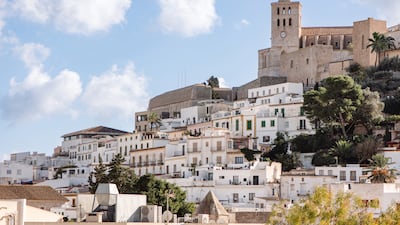
1. The Standard, Ibiza, Spain is one of many luxury hotels to open in 2022. Photo: The Standard Hotels -

2. Marufukuro, Kyoto, Japan. Photo: Marufukuro -
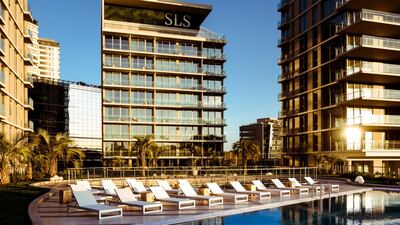
3. SLS Puerto Madero, Buenos Aires, Argentina. Photo: SLS Hotels -
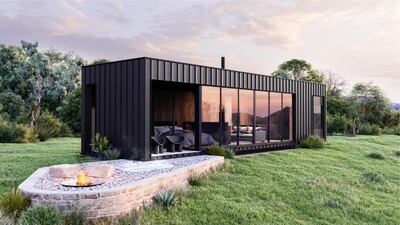
4. Esca Nest & Nature — Inman Valley, Australia. Photo: Nest & Nature -
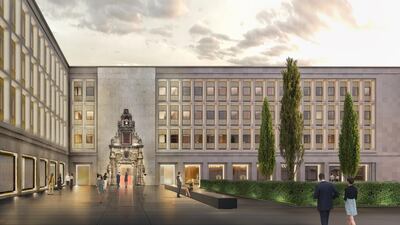
5. The Madrid Edition, Spain. Photo: Marriott -

6. Lolebezi, Zambia. Photo: African Bush Camps -
7. The Ritz-Carlton, Amman, Jordan. Photo: Marriott -
8. Gleneagles Townhouse, Edinburgh, Scotland. Photo: Gleneagles Townhouse -

9. Botanika Osa Peninsula, Curio Collection by Hilton, Costa Rica. -
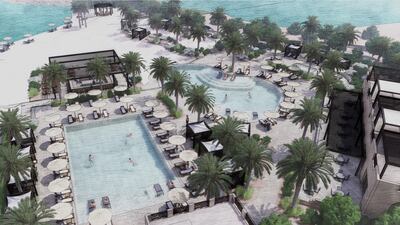
10. The Chedi El Gouna, Egypt. Photo GHM -
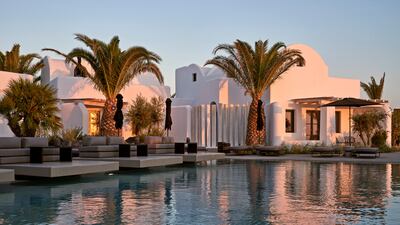
11. Nobu Hotel Santorini, Greece. Photo: Nobu Hotels -
12. The Ritz-Carlton New York, NoMad, US. Photo: Ritz-Carlton -
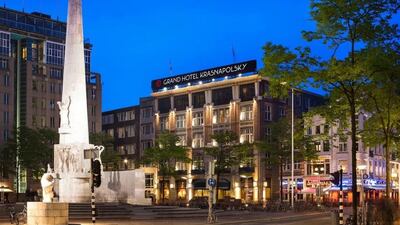
13. Anantara Grand Hotel Krasnapolsky, Amsterdam, the Netherlands. Photo: NH Hotels -
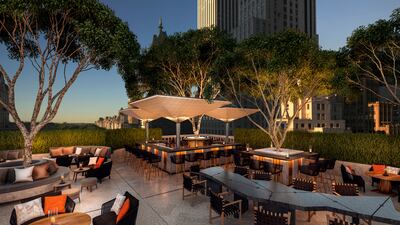
14. Aman New York, US. Photo: Aman Hotels -
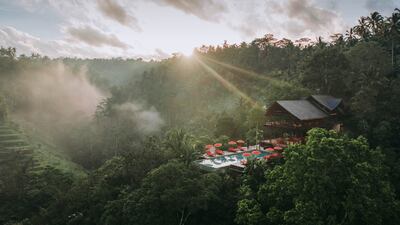
15. Buahan, A Banyan Tree Escape, Bali, Indonesia. Photo: Banyan Tree -
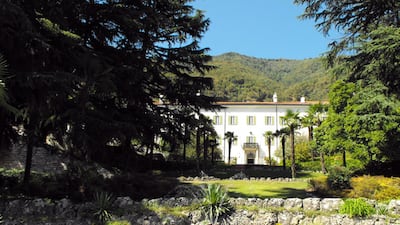
16. Passalacqua, Lake Como, Italy. Photo: comoanditslake.com -
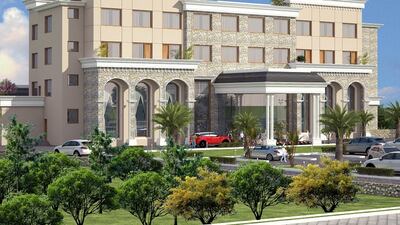
17. Fortune Park Hoshiarpur, India. Photo: ITC hotels -
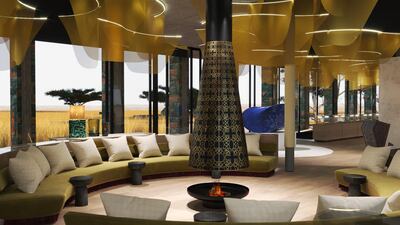
18. The Homestead, South Africa. Photo: Omni Hotels & Resorts -
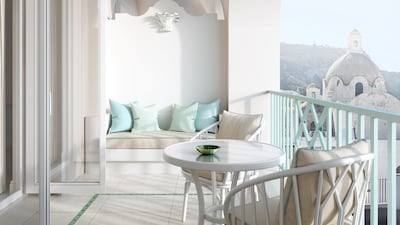
19. Hotel La Palma, Capri, Italy. Photo: Oetker -
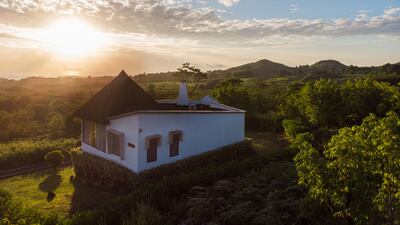
20. Royal Palm Galapagos, Curio Collection by Hilton, Ecuador. Photo: Hilton -
21. Kimpton Aysla Mallorca, Spain. -

22. Virgin Hotels Glasgow, Scotland. Photo: Virgin Hotels -

23. Habitas Santa Teresa, Costa Rica. Photo: Habitas -
24. W Costa Navarino, Greece. Photo: W Hotels -
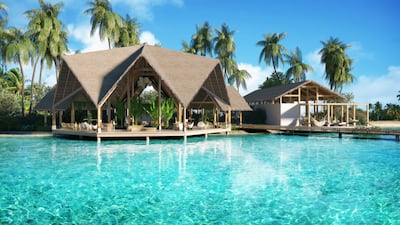
25. Hilton Maldives Amingiri. Photo: Hilton -
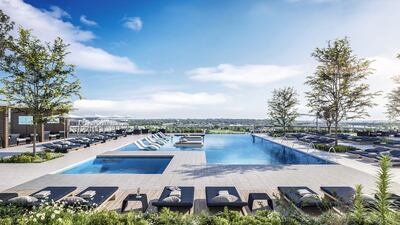
26. Four Seasons Hotel Nashville, US. Photo: Four Seasons Hotels & Resorts -
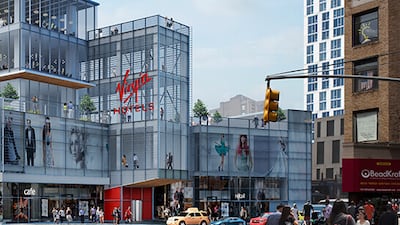
27. Virgin Hotels New York City, US. Photo: Virgin Hotels -
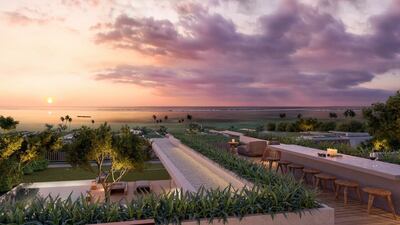
28. Cap Karoso, Sumba, Indonesia. -
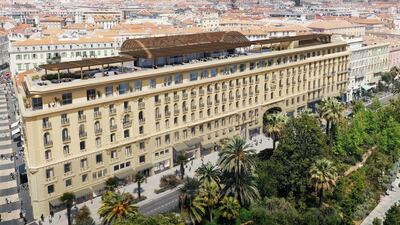
29. Anantara Plaza Nice Hotel, France. Photos: Anantara -
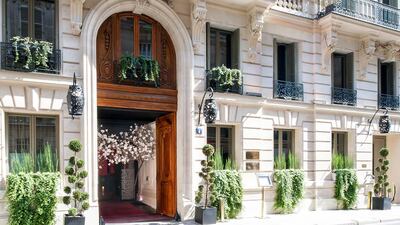
30. Maison Delano Paris, France. Photo: Accor -
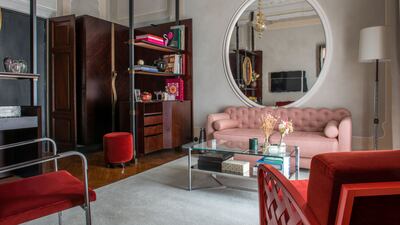
31. Nolinski Venezia by EVOK, Italy. Photo: Evok -
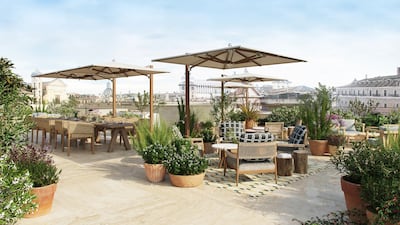
32. Six Senses Rome, Italy. Photo: Six Senses -
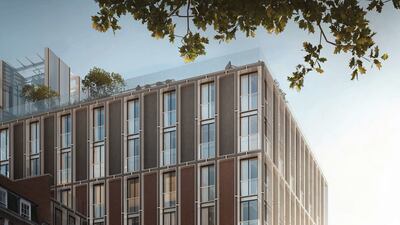
33. Mandarin Oriental Mayfair Hotel, London, UK. Photo: Mandarin Oriental -
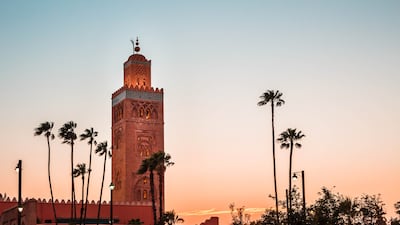
34. Nobu Hotel Marrakech, Morocco. Photo: Nobu Hotels -
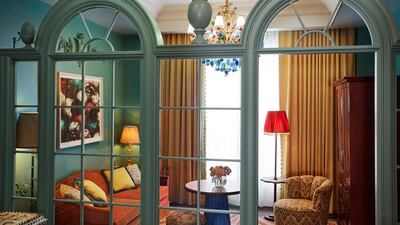
35. The Fifth Avenue Hotel, New York, US. -

36. One&Only Aesthesis, Greece. Photo: Kerzner -

37. W Edinburgh, Scotland. Photo: St James Quarter / Facebook -
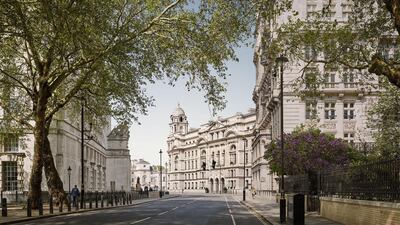
38. Raffles London at The OWO, UK. Photo: Raffles



