
For a year, the new contracts kept coming. The feared front three all signed, and both full-backs.
Virgil van Dijk put pen to paper, along with Joe Gomez and Joel Matip. Jordan Henderson, James Milner and Alex Oxlade-Chamberlain committed their futures.
It meant that, as Liverpool’s all-conquering team were being rewarded, one by one, Georginio Wijnaldum was next. He still is, after youngsters Curtis Jones and Neco Williams have had their deals upgraded, three months after a supposed breakthrough in talks, 10 from the end of his contract.
An impasse increases the possibility one of Jurgen Klopp’s flagship successes, a player plucked from relegated Newcastle United to become the most-used midfielder for European and English champions, could be the exception to the rule, the one who does not stay together.
Liverpool’s muted approach to the transfer market is in part because much of their energy and resources have been committed to keeping the team they assembled.
All bar Wijnaldum; every regular except him and the 34-year-old Milner is tied down until at least 2023.
He is the unexpected anomaly, a footballer valued by Klopp even when the wider world sometimes assumed he was surplus to requirements.
Go back to 2018 and Wijnaldum was tipped to leave when Liverpool signed Naby Keita and Fabinho. Klopp did not consider letting him go. Wijnaldum has only missed four league games since then.
Likeable and low-maintenance, he has often escaped attention. Until now, which highlights unexpected developments at two of Europe’s superclubs.
Wijnaldum helped hasten the end of an era at Barcelona, his brace at Anfield in the 2019 Champions League semi-final illustrating an ageing team could not cope with Liverpool’s pace.
The appointment of Ronald Koeman, who has made him more prolific for his country than his club during his days as Holland manager, has taken an admirer to the Camp Nou at a time when Barcelona need an overhaul.
Wijnaldum’s links with Koeman date back to when Erwin, Ronald’s brother, gave him his Feyenoord debut at 16.
_______________
Liverpool 2019/20 player ratings
-

LIVERPOOL 2019/20 RATINGS: Jurgen Klopp - 9 out of 10: The likeable German deserves huge credit for overseeing the best start to any season by any team and delivered a first league title to Anfield in 30 years. Late goals were a feature of this Reds team often inspired by the manager's substitutions. PA -
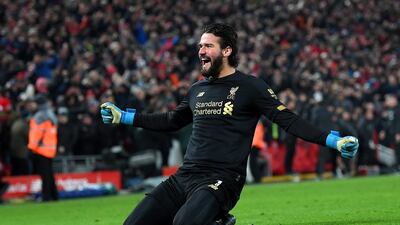
GOALKEEPERS: Alisson - 8: A campaign disrupted by injury but the Brazilian kept 10 clean sheets in 20 matches before the coronavirus-enforced shutdown, and another two since the restart. Continues to enhance his reputation as one of the world's best. Getty -
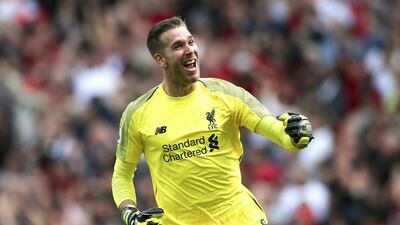
Adrian - 6: The Spaniard endeared himself to the Anfield faithful by saving Tammy Abraham's penalty for Liverpool to lift the Uefa Super Cup in August. Had been a capable deputy for Alisson when called upon before his costly mistake contributed to Liverpool's Champions League last-16 exit to Atletico Madrid in March. Getty -
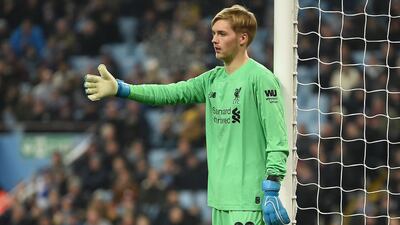
Caoimhin Kelleher - 6: Young Irishman impressed in the cup competitions, making four appearances pre-lockdown. AFP -

DEFENDERS: Virgil van Dijk - 9: Leads the league in passes to highlight his importance to Liverpool's attacking game but it's Van Dijk's defending that marks him out as a colossus. Few can lay claim to being the undisputed best in their position but there is no better central defender in world football than the Dutchman. EPA -
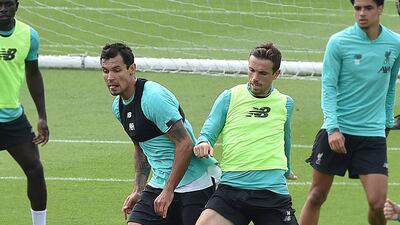
Dejan Lovren - 6: The Croatian has slipped further down the centre-back pecking order with the emergence of Joe Gomez this season. Getty -

Joe Gomez - 8: Powerful Englishman stepped up to the plate when Joel Matip suffered an injury early in the season. His performances earned him an England call up and it's no exaggeration to say he would have probably gone to this year's European Championship as one of Gareth Southgate's first-choice centre-backs. A big future ahead. Reuters -

Andy Robertson - 8: One of the most accomplished left-backs in world football. An excellent defender who provides attacking impetus down the left-hand flank. Seven assists before lockdown and a crucial late goal in the 2-1 win over Aston Villa in November symbolic of team's never-say-die attitude. Getty -
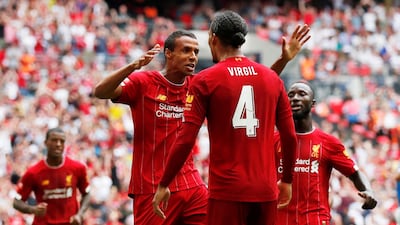
Joel Matip - 7: Injury and the form of Joe Gomez have limited the Cameroonian to only a handful of appearances. An underrated passer and still one of the club's most astute signings. Reuters -
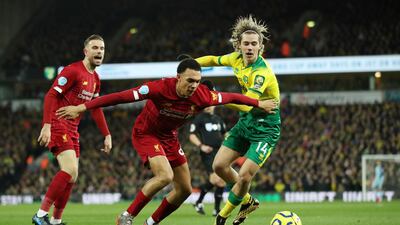
Trent Alexander-Arnold - 9: Already broken his own assists record for a defender with 16 pre-lockdown. Superb passer and his quality at set-pieces - as seen with his sublime goal in the win against Crystal Palace - is one of Liverpool's most potent weapons. Reuters -

Sepp van den Berg - 5: Dutch defender, 18, is highly thought of at Anfield and impressed during the young side's League Cup run. Getty -

Nathaniel Phillips - 5: The 23-year-old made one FA Cup appearances before being loaned to German club Stuttgart. AFP -
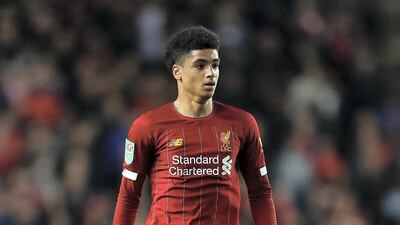
Ki-Jana Hoever - 6: Stylish Dutch defender, 18, became the club's fourth youngest goalscorer when he netted in the League Cup win over MK Dons on September 25, 2019. Getty -

Neco Williams - 5: Faces a tall order trying to dislodge Alexander-Arnold as first choice, but showed neat footwork and comfort on the ball as a replacement in the recent win over Crystal Palace to suggest a bright future. EPA -
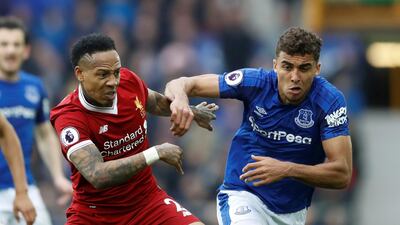
Nathaniel Clyne - NA: Once described as a 'machine' by Klopp, the right-back is yet to feature for the Reds this season and is sure to leave in the summer. Reuters -

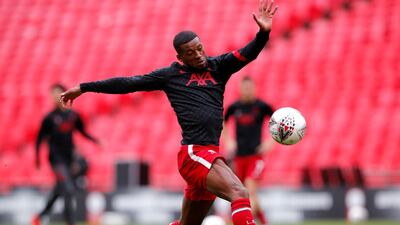
Curtis Jones - 7: Became Liverpool's youngest ever captain – at 19 years and 5 days – when he captained Liverpool's youngest ever first team side with an average age of 19 years and 102 days to a 1–0 victory over Shrewsbury in the FA Cup replay at Anfield. AP -
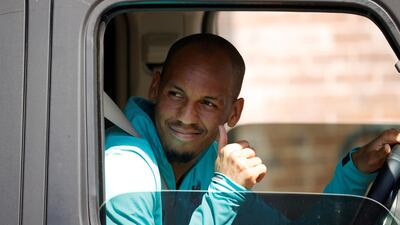
MIDFIELDERS: Fabinho - 8: The Brazilian's defensive qualities help make the Liverpool machine work. Showed his development as an all-round player with a delightful chip and a scorching drive in the demolition of Palace. Hard to think Naby Keita was the more celebrated arrival at Anfield two years ago. Reuters -
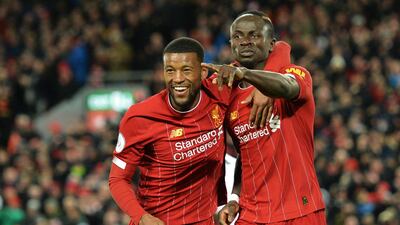
Georginio Wijnaldum - 7: Another productive campaign from the Dutch international is set to be rewarded with a new contract that will keep him at Anfield until 2024. EPA -
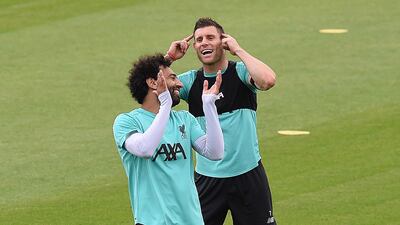
James Milner - 7: Few are more dependable than the versatile Englishman. Used mainly from the bench this season but his energy and experience always add something to the team. Getty -
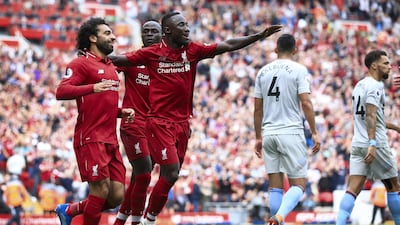
Naby Keita - 5: The Guinea international has failed to hold down a regular starting place in almost two years at Anfield. Rumours that he will be used as part of a makeweight to bring Alessio Romagnoli to the club from AC Milan in the summer. Getty -
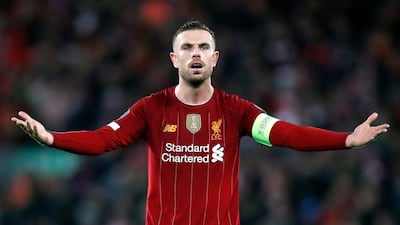
Jordan Henderson - 8: No doubt the Liverpool captain is one of the finest midfielders around now. His drive, passing range and leadership make him one of the most important cogs in Klopp's team. PA -
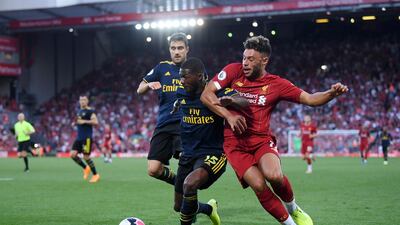
Alex Oxlade-Chamberlain - 7: Emerged from serious injury that wiped out his 2018/19 season with some commanding performances for a demanding manager. Getty -
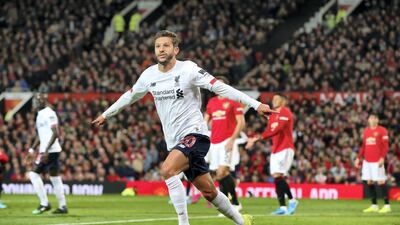
Adam Lallana - 6: Klopp confirmed the former Southampton winger will leave the club at the end of the season. Mostly cameo appearances were highlighted by a last-gasp equaliser against Manchester United in October to maintain the club's unbeaten start. Getty Images -
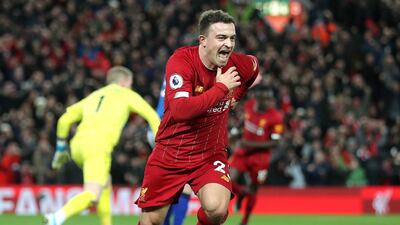
Xherdan Shaqiri - 6: Hard to accommodate the Swiss' talents in a team brimming with it in the forward positions. PA -

Harvey Elliott - 6: Highly-skilled winger became the youngest player to start a match at Anfield, at the age of 16 years and 209 days, in the epic 5-5 League Cup draw against Arsenal having already become the club's youngest first-team player in the previous round against MK Dons. Reuters -
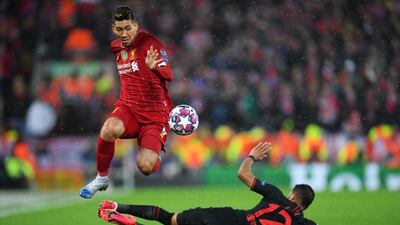
FORWARDS: Roberto Firmino - 7: The Brazilian striker's goals return may be down - he is still yet to score at Anfield this term - but his import to Liverpool's attack is not. He still makes the front three work and still the hardest working No 9 in the league. Getty -
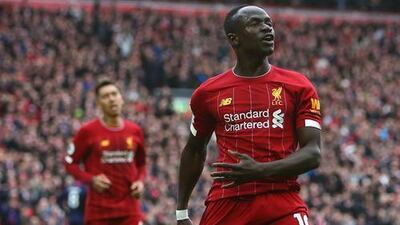
Sadio Mane - 9: Fourteen league goals before lockdown and 19 in all competitions after a superb finish against Palace. The Senegalese has overtaken Mohamed Salah as Liverpool's best striker. Has been simply unplayable at times. Getty -
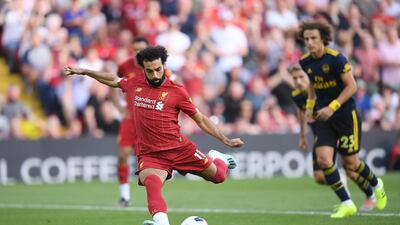
Mohamed Salah - 9: Twenty goals across competitions pre-lockdown represents another impressive return from the Egyptian. His pace and skill are still a nightmare for opposition defences to counter. Even turned provider for his mate Mane in the demolition of Crystal Palace. Getty -
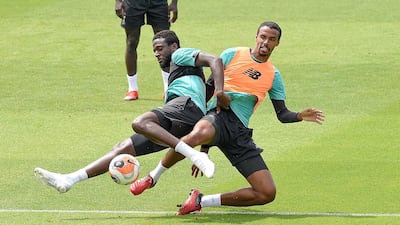
Divock Origi - 6: Scored two goals as Liverpool beat Everton 5–2 in the December's Merseyside derby at Anfield to extend their unbeaten run in league football to 32 matches, which was a club record. Getty -
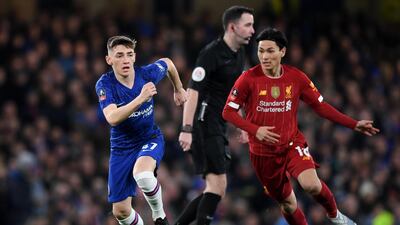
Takumi Minamino - 5: Anyone would struggle to get in an attacking lineup boasting Firmino, Mane and Salah. The Japanese has been limited mostly to cup matches. Getty -
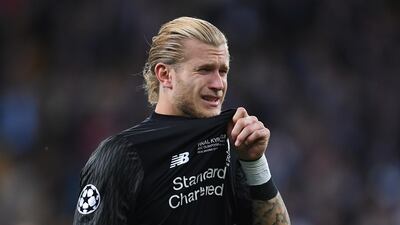
PLAYERS ON LOAN: Loris Karius - 6: German cut short his two-year loan spell early at Turkish club Besiktas in April after his manager questioned his motivation following a string of poor performances. Has a deal until 2022 at Liverpool and may be retained as Alisson's understudy if Adrian is jettisoned. Getty -

Harry Wilson - 7: The young midfielder has been one of the few shining lights in a struggling Bournemouth team. EPA -
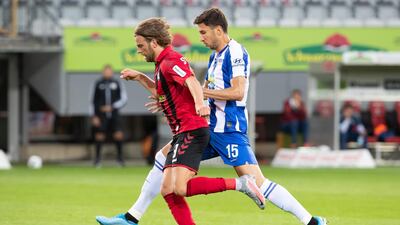
Marko Grujic - 7: Serb has spent the past two seasons at Hertha Berlin and seems his future lies away from Anfield. AFP -
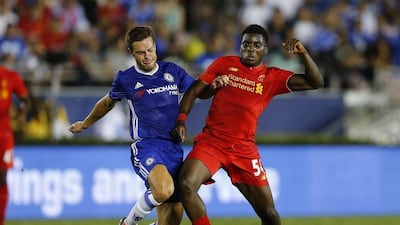
Sheyi Ojo - 5: Winger began his loan spell at Scottish side Rangers under Liverpool legend Steven Gerrard in impressive fashion but petered out before the Scottish league season was called off due to the Covid-19 crisis. Reuters -

Ben Woodburn - 5: Midfielder has spent the season on loan at League One Oxford United. EPA -
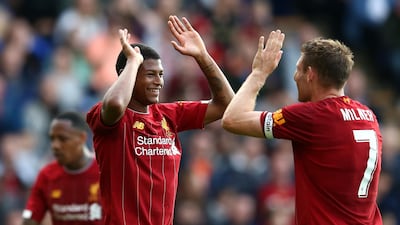
Rhian Brewster - 7: Striker, 20, made three first-team appearances for Liverpool before being loaned to Swansea in the second tier in January. Has scored six goals in 12 appearances and will hope to feature more prominently under Klopp in the future. Getty


_______________
Meanwhile, the sudden availability of Thiago Alcantara offers a ready-made replacement; one who, with a year left on his Bayern Munich contract, is in a similar situation.
It is unlike Liverpool to spend heavily on a 29-year-old, but Bayern believe they will submit a bid. “It looks like he will leave us,” CEO Karl-Heinz Rummenigge said this week. “I expect an offer in the next few days.” The Spaniard would reportedly love to play for Klopp.
The question is if Klopp wants to alter a winning formula, or indeed if he feels he needs to inject another dimension to his midfield: Wijnaldum has been essential to Liverpool’s unique blueprint, where the full-backs advance beyond the midfielders and provide more of the creativity.
Wijnaldum has not recorded an assist in either the Premier or the Champions League for two years, but he is charged with knitting a team together and covering gaps.
He is remarkably accurate in possession, completing 91 per cent of passes in the last two seasons in the Premier League, and sometimes those figures are still higher in major matches. He is trusted as a big-game player.
Thiago should bring similar metronomic reliability but offers the promise of more incision.
Klopp often benches his high-speed runners in favour of his most solid trio in midfield, especially against elite opponents, but Thiago is likelier to play a defence-splitting pass than any of them and a reliance on the full-backs’ crossing was highlighted in the Community Shield when the injured Trent Alexander-Arnold was missed.
Perhaps Wijnaldum will be sacrificed in the quest to evolve. Or maybe a saga will end with the most understated of Liverpool’s regulars signing after an increasingly strange delay.

