



Mohamed Salah scored one and set up the other as Egypt came from behind to beat Morocco in the Africa Cup of Nations quarter-final clash at the Ahmadou Ahidjo Stadium on Sunday.
Sofiane Boufal had put Morocco into a sixth-minute lead from the penalty spot after Ayman Ashraf brought down Achraf Hakimi in the box.
Salah, though, brought Egypt level when he tapped home early in the second half and the Liverpool attacker supplied the perfect pass for Aston Villa's Trezeguet to score the winner in extra time.
Egypt have not won the tournament since its record-extending seventh title in 2010. Salah made his debut for the national team the year after that triumph and is still searching for a first major title with his country.
Carlos Queiroz's side will now take on hosts Cameroon in the semi-finals in Yaounde on Thursday.
Player ratings
-
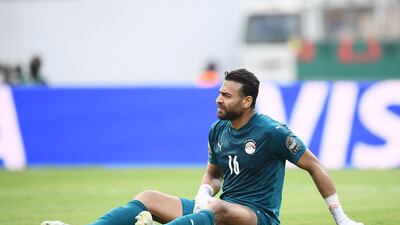
EGYPT RATINGS: Mohamed Abogabal - 7. No chance of stopping Sofiane Boufal’s penalty. Outstanding save to deny Nayef Aguerd, tipping the ball onto the crossbar. Despite struggling with injury after that, tried to continue until taken off. AFP -
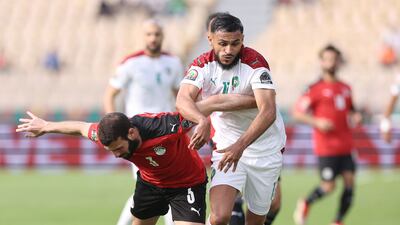
Omar Kamal - 6, Booked for an overzealous tackle on Boufal and his protestations. Did much better after the break and showed real grit. AFP -

Ahmed Hegazi - 6, Looked a leader for Egypt at the back, though some of his passes forward were poor. Went down injured before the break and was forced off. AFP -
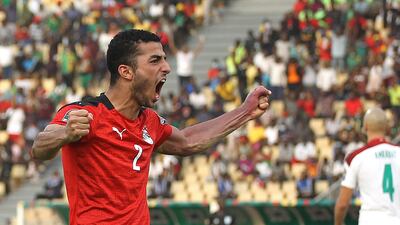
Mohamed Abdelmonem - 8, Put his body on the line and stayed focused until the very end. His header ended up leading to Salah’s goal. Booked for a foul on Rahimi as he tried to race into the box. EPA -
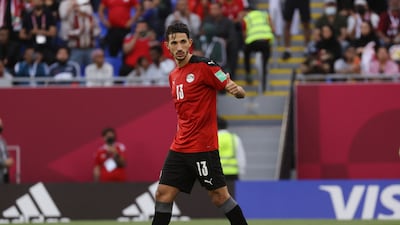
Ahmed Fattouh - 7, Had a sweet strike from range saved well but needlessly conceded free kicks. Put in a wonderful cross, then did well to stop Munir El Haddadi. Dug in in extra time to help his side see out the win. Reuters -
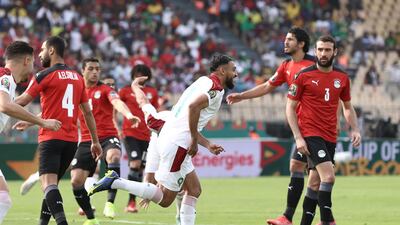
Amr El Solia (number 4) - 8, Took a couple of early knocks but showed resilience and did a lot of good work to disrupt Morocco’s play. AFP -
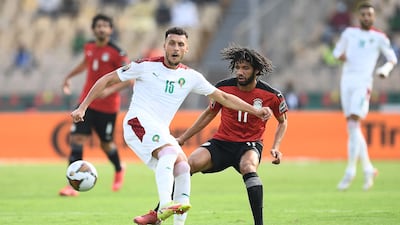
Mohamed Elneny - 7, While the midfielder had some sloppy moments, he did a brilliant job defensively in the middle and made some well-timed tackles. AFP -
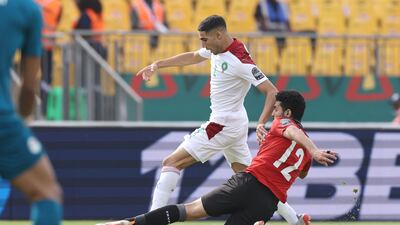
Ayman Ashraf - 5, Conceded a penalty with a rash challenge. Despite looking more measured after moving to centre-back, had to act quickly after almost playing himself into trouble. Booked in the 80th minute. AFP -
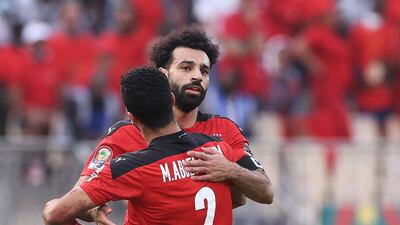
Mohamed Salah - 9, Tried to make things happen and had some good touches, though his set piece deliveries were wasteful. Stepped up a level after half time. Was on hand to tap the ball home after Yassine Bounou saved from Abdelmonem, then got behind and beat Aguerd to assist the winner. AFP -
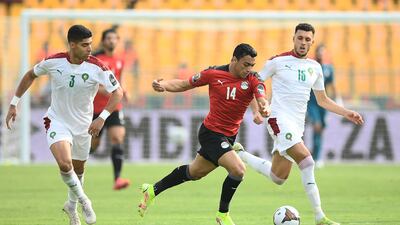
Mostafa Mohamed - 5, His indecision wasted a brilliant opportunity to break forward, while his shooting was shocking at times. Booked after a coming together with Hakimi. AFP -
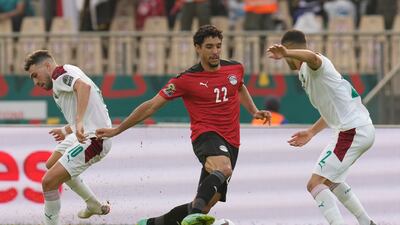
Omar Marmoush - 6, Had some promising moments, eventually putting in the corner that restored parity. Couldn’t get his body across after being played through and was tackled by Romain Saiss. AP -
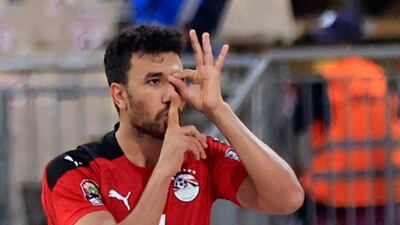
SUBS: Trezeguet (Hegazi, HT) - 7, Sent a shot wide after being introduced, but made no mistake when the ball came to him at the back post as he scored the winner. Reuters -

Zizo (Marmoush, 80’) - 6, Played the pass that released Salah to set up the winner but fired off target after working space in the box. Reuters -
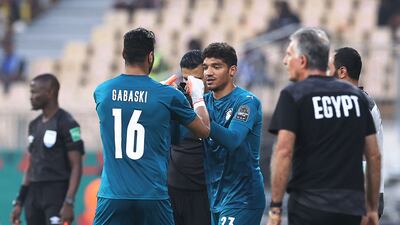
Mohamed Sobhy (Gabaski, 96’) - 6, His first punch was completely convincingly, but the goalkeeper kept things simple and didn’t put a foot wrong after that. AFP -
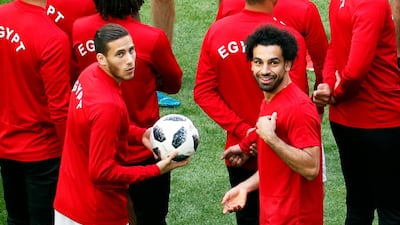
Ramadan Sobhi (Mohamed, 111’) – N/A, Played a terrible pass as Egypt broke up the pitch with Bounou out of his goal. EPA. Mahmoud Alaa (Ashraf, FT) - 6, Put in a disciplined performance. Marwan Hamdi (Salah, 113’) – N/A -
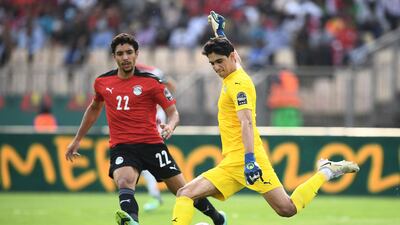
MOROCCO RATINGS: Yassine Bounou - 6, Made good saves and dealt with crosses into the box well. Was unlucky to see the ball fall to Salah after saving Abdelmonem’s header, while he couldn’t reach Salah’s pass to Trezeguet. AFP -
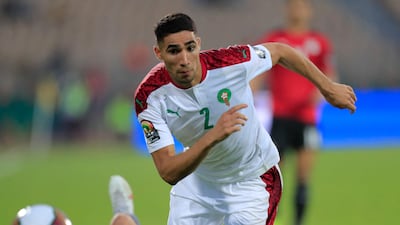
Achraf Hakimi - 6, Won a penalty in the opening minutes with his drive forward. Was booked after a coming together with Mohamed. Lost Trezeguet at the back post for the goal that decided the game, then failed to produce anything after Imran Louza played a short free kick to him. Reuters -
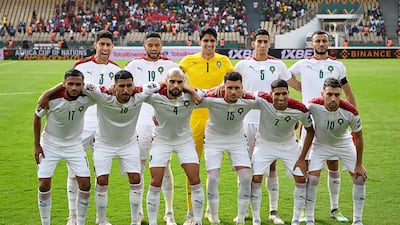
Romain Saiss (number 6) - 7, Was an authoritative figure at the heart of Morocco’s defence. Made a great header to prevent a cross reaching Salah and an outstanding last-ditch challenge to stop Marmoush. Headed over the crossbar in extra time. AFP -
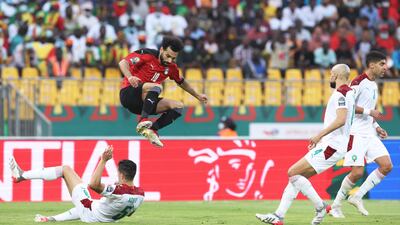
Naif Aguerd (below) - 6, Made a brilliant header to deny Fattouh’s cross. Was left bewildered after another header was tipped onto the crossbar. Was beaten by Salah in the build-up to the winner. AFP -
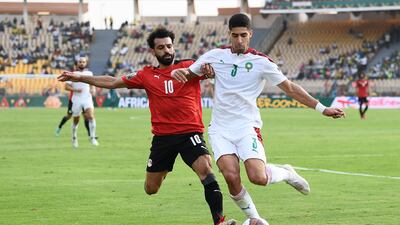
Adam Masina - 7, Got off to an uncomfortable start but put in a resolute defensive performance. Made an important header to deny a chance at the back post. AFP -
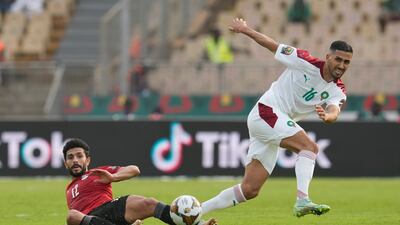
Aymen Barkok - 5, Did well to stop Salah’s flick to Marmoush around his own box before seeing a good shot headed away. However, some of his play both on and off the ball was very loose. AP -
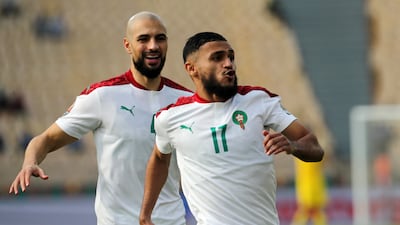
Sofyan Amrabat - 7, Helped his defence by disrupting Egypt’s play on various occasions. Played a good ball that Youssef En-Nesyri couldn’t capitalise on. Reuters -
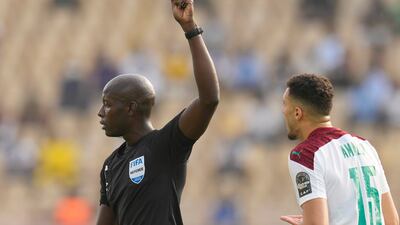
Selim Amallah - 5, Saw an early shot blocked. Struggled to match Egypt’s midfield and was booked for a foul on Kamal. Could have done more to deal with the corner that resulted in Egypt’s equaliser. AP -
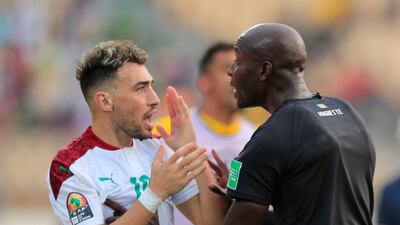
Munir El Haddadi - 4, Had a quiet game but forced a decent save with a free kick effort. Hit a shot from range that went over the crossbar in extra time. Reuters -
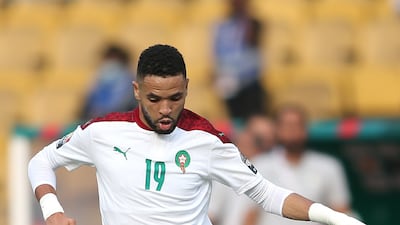
Youssef En-Nesyri - 5, Worked hard and made a great tackle on Marmoush at the very end of the first half. His effort was tame when he finally got a half-chance. EPA -

Sofiane Boufal - 6, Hit an unstoppable penalty to open the scoring and looked bright on the ball throughout the first half. Had a quieter second half before coming off. AFP -
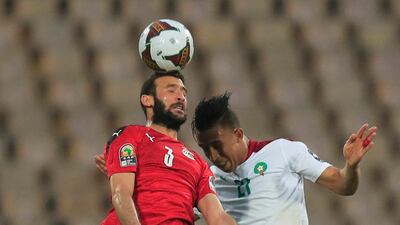
SUBS: Soufiane Rahimi (Boufal, 66’) - 6, Brought extra energy but was fouled when it looked like he would race into the box late on. Shocker from range in the final moments. reuters -
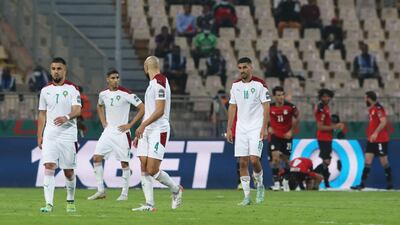
Imran Louza (Amallah, 86’) - 4, Tried to play the ball short to the edge of the box when there was an opportunity to deliver a free kick in the final minutes. Reuters -
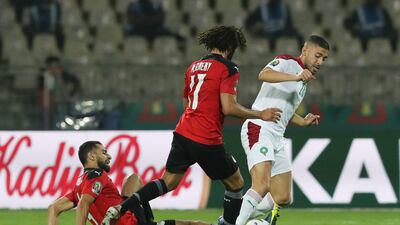
Tarik Tissoudali (El Haddadi, 111’) – N/A, Struggled to make much of an impact. Reuters -
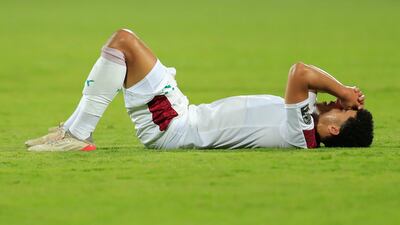
Ryan Mmaee (En-Nesyri, 87’) - 5, Made a good run that was halted by Elneny and provided a physical presence. Reuters Zakaria Aboukhlal (Barkok, 104’) – N/A.


Egypt may have to play that game with third-choice keeper Mohamed Sobhi, who came on for his international debut after Mohamed Abou Gabal — or Gabaski — hurt himself while palming Nayef Aguerd's header on to the bar near the end of normal time.
It all started so well for Morocco. It took Paris Saint-Germain star Hakimi just three minutes to make an impact as Ashraf failed to connect with the ball and chopped down the marauding full-back, leading to a penalty after a VAR monitor check by referee Maguette Ndiaye.
After fluffing a penalty against the Comoros, Morocco changed takers and Boufal did not let the Atlas Lions down, slotting his kick into the right corner sending Abou Gabal in the opposite direction.
Keen to atone for conceding the penalty, Ashraf forced a fine two-hand parried save out of Morocco goalkeeper Yassine Bounou midway through the opening half.
Egyptian defenders were not shy to shoot from long range and Ahmed Fatouh tested Bounou, with the Sevilla shot-stopper once again proving equal to the task.
The first half ended with Morocco in the lead, and little seen of Egypt captain and talisman Salah.
The Pharaohs replaced injured defender Ahmed Hegazy with Trezeguet at half-time and the forward was narrowly wide with a snap shot four minutes after the break.
Morocco were under the cosh and Egypt deservedly levelled on 53 minutes as Salah tapped in from close range after Bounou could only parry a Mohamed Abdelmonem header.
Tempers boiled over minutes from time after Hakimi objected to being fouled by Mostafa Mohamed, triggering pushing and shoving from the teams and both players were booked by the overworked referee.
As Morocco started to be more of a threat, Gabaski rescued Egypt with his save from Aguerd, although he injured himself in the process and would limp though to extra time when he would eventually be substituted.
Egypt went ahead on 100 minutes when three Moroccan defenders failed to stop Salah, whose cross was turned in at the far post by Trezeguet.
Egypt should have scored a third right at the end after Bounou came up for a free-kick. Morocco played it short but Egypt made a mess of their counter-attack and Salah shot into the side-netting.

