


Lewis Hamilton, the seven-time Formula One world champion, could miss the final race of the season at the Abu Dhabi Grand Prix on December 13.
The Mercedes driver has been forced to miss this weekend's Sakhir Grand Prix in Bahrain after testing positive for Covid-19. He is in isolation after his positive result was announced by Formula One on Tuesday.
Fans of the 35-year-old Briton had hoped that he would be declared fit ahead of the season finale, but Hamilton is subject to the rules imposed by motorsport’s world governing body, the Paris-headquartered Federation Internationale de l’Automobile.

Under FIA regulations, established for managing the 2020 F1 season with the backdrop of the pandemic, his positive test means that he may also be unable to compete in Abu Dhabi.
The FIA is responsible for overseeing the application of the regulations at each event. As part of the regulations during the course of the season all the teams and drivers must undergo very strict, regular testing within specified timelines.
In Abu Dhabi, the national authorities are supporting the FIA with their testing protocols, and authorities have established a secure biosphere - as with past sporting events such as Fight Island - the successful UFC events on Yas Island in July and September. The Grand Prix is also due to take place on Yas Island at Yas Marina Circuit.
The experience from those events has been applied by the participating Abu Dhabi Government departments to the Grand Prix.
More than 12,000 Covid-19 tests are being conducted among staff and visitors for the duration of the preparations, race and post race, with a test being conducted every 4 minutes during race weekend.
Under FIA regulations, a negative test result is required within 96 hours of departure in order to be permitted to travel. Hamilton will be subject to that and so the FIA has ultimate responsibility for his participation at Yas Marina on December 13.
-
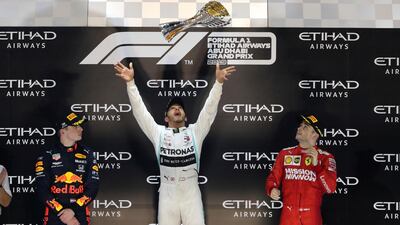
Lewis Hamilton, centre, celebrates on the podium after winning the 2019 Abu Dhabi Grand Prix. AP Photo -

Lewis Hamilton celebrates after winning the race. Reuters -
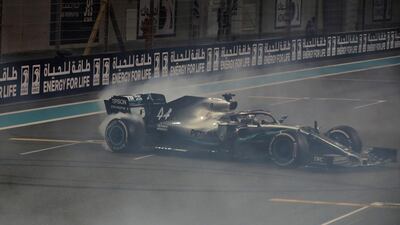
Lewis Hamilton celebrates after winning. AP -
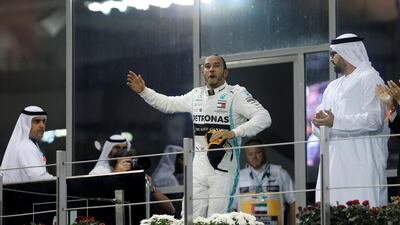
Lewis Hamilton celebrates after the race. Reuters -
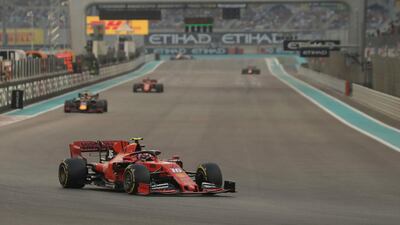
Ferrari driver Charles Leclerc steers his car round the corner after the main straight. AP -
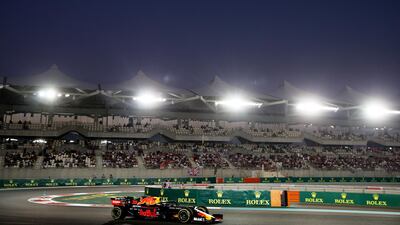
Max Verstappen as the lights in the stands shine bright. Getty Images -
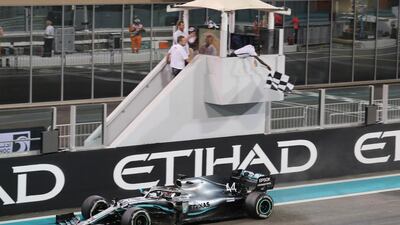
Mercedes driver Lewis Hamilton crosses the finish line. AP Photo -
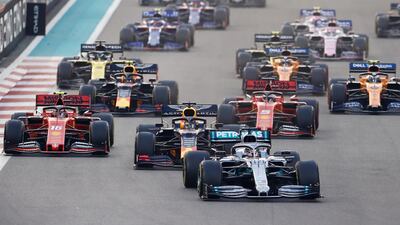
Mercedes' Lewis Hamilton leads at the start of the race. Reuters -
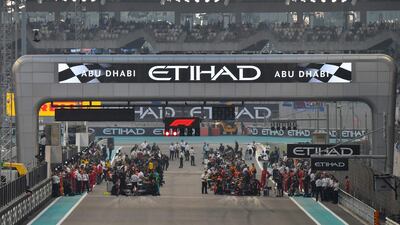
Cars and mechanics are pictured on the grid ahead of the final race of the season. AFP -
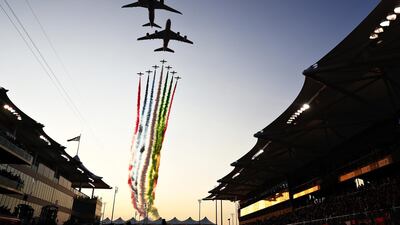
An aeronautical display is seen over the grid before the F1 Grand Prix of Abu Dhabi. Getty Images -

2019 F1 drivers group photo before the race. Victor Besa / The National -
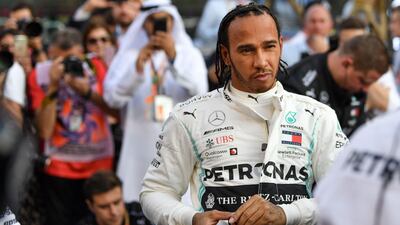
Hamilton is pictured on the grid. AFP -
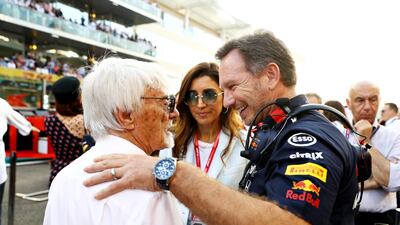
Red Bull Racing Team Principal Christian Horner talks with Bernie Ecclestone, Chairman Emeritus of the Formula One Group, on the grid. Getty Images -
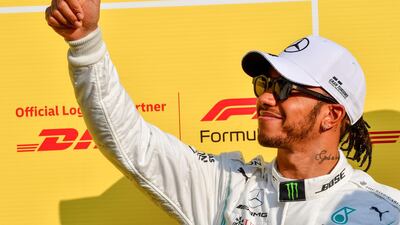
Hamilton gives the thumbs up ahead of the final race. AFP -
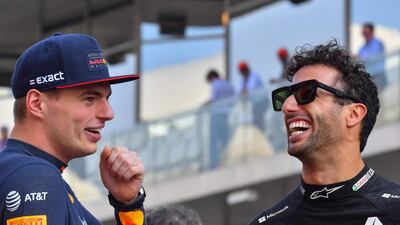
Red Bull Racing's Max Verstappen, left, and Renault's Australian driver Daniel Ricciardo chat during the drivers parade. AFP -
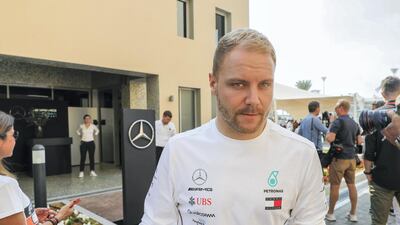
Mercedes' Valtteri Bottas on his way to the pits. Victor Besa / The National -
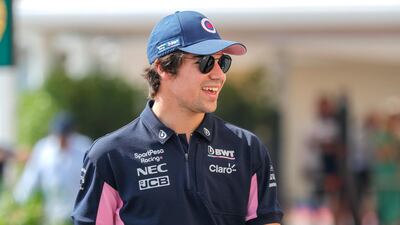
Sportpesa's Lance Stroll arrives at the track. Victor Besa / The National -
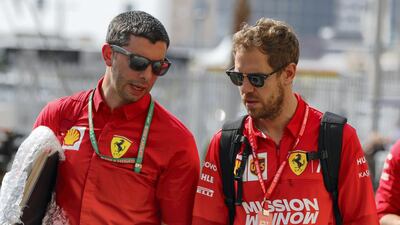
Sebastian Vettel of Ferrari arrives at the track. Victor Besa / The National -

Antonio Giovinazzi of Alfa Romeo arrives at the track. Victor Besa / The National -
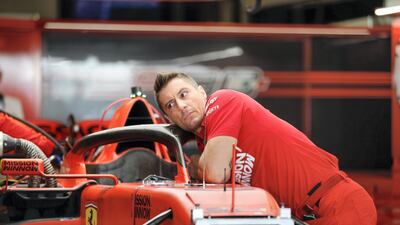
A race engineer is tuning a Ferrari car. Victor Besa / The National


Saif Al Noaimi, Acting CEO of Abu Dhabi Motorsports Management, said: “First and foremost, we wish Lewis a speedy recovery. He is one of the most amazing sporting talents of our time and revered by fans at Yas Marina Circuit. Our hope is to welcome Lewis again this year, providing he is healthy and fit as per the race protocols established at the start of this year’s Championship.
“Nonetheless, preparations for the Abu Dhabi Grand Prix are complete and we are ready to celebrate the end of an amazing season, which has taken place during the most challenging times.”
Mercedes have replaced Hamilton for the Sakhir Grand Prix with 22-year-old British driver George Russell, who will drive alongside teammate Valtteri Bottas.


