
Fast bowlers Shaheen Afridi and Hasan Ali took four wickets each as Pakistan seized control of the first Test against Zimbabwe on the opening day at the Harare Sports Club on Thursday.
Pakistan bowled out Zimbabwe for 176 and magnified the advantage by reaching 103 without loss in reply.
Ali and Afridi bowled with discipline, while the hosts didn’t apply themselves well enough on a good batting pitch with soft dismissals.
Ali, who varied his deliveries admirably, set the tone for Pakistan before lunch by making Zimbabwe opener Kevin Kasuza play onto his stumps on 14, and stand-in skipper Brendan Taylor edge to the slips on 5 while chasing a wide delivery. Reduced to 30-4, Zimbabwe limped to lunch on 59-4.
After lunch, debutant Roy Kaia fell for 48 when Ali trapped him with a yorker after bombarding the newcomer with short-pitched balls. The other Zimbabwe batsman making his debut, Milton Shumba, was run out for 27. The newcomers combined for a team-best 59-run stand.
________________________________________________
Pakistan T20 ratings v Zimbabwe
-
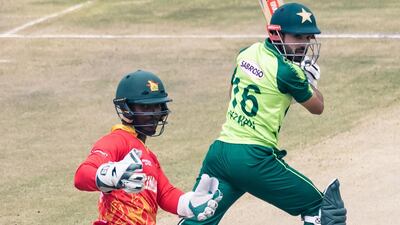
PAKISTAN T20 RATINGS: Mohammad Rizwan - 9. The wicketkeeper batsman is in the form of his life. Had it not been for his 91 off 60 balls in the third and deciding T20 which Pakistan won by 24 runs, the men in green would have lost the series. AFP -

Babar Azam - 7.5. The Pakistan captain became the fastest to 2,000 runs in T20 Internationals. His 95 runs in a low scoring series helped secure 2-1 victory. However, it did paper over some deep cracks in their batting. AFP -
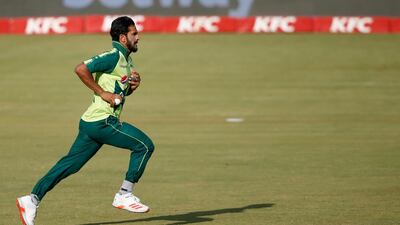
Hasan Ali - 8. Was outstanding in the solitary game he played - 4-18 in the third match which was crucial in sealing the series win. Pakistan’s most reliable white-ball seamer along with Shaheen Afridi. AFP -
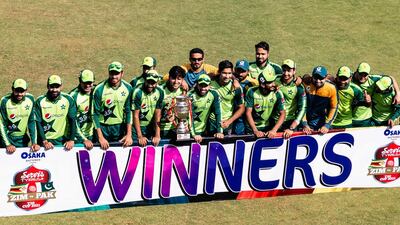
Danish Aziz - 6. Made 37 runs in two innings at nearly run a ball. Slightly better than many of his teammates on Harare's challenging pitch. Picked two wickets in the only innings he bowled. Arshad Iqbal - 6. Played one match and bowled brilliantly, picking up 1-16 in the second T20 which his team lost chasing 119. Might get left behind once the dust settles after a disappointing series for Pakistan. AFP -
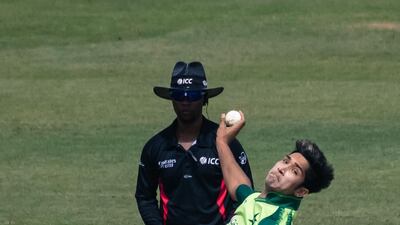
Mohammad Hasnain - 7. The pacer was the pick of Pakistan's bowlers. Bowled his full quota in three matches at six runs an over, and snared five wickets. AFP -

Haris Rauf - 7. The fast bowler continues to impress. Bowled 11 overs in three outings at just over six an over and picked up four wickets. Made the most of helpful conditions. AFP -

Sharjeel Khan - 3. Got one opportunity to bat and disappointed again. Had failed to inspire in the solitary chance he got on the South Africa tour. Will be lucky to get considered again. AFP -

Mohammad Nawaz - 4. Played just the one game after an excellent South Africa tour. Bowled two overs in the first T20 for 15 runs. Should be a regular member of the white-ball team. AFP -

Usman Qadir -6. The leg-spinner delivers more often than not. Four wickets in 10 overs from three games is decent. AFP -

Fakhar Zaman - 2. A disastrous series for Zaman with 15 runs from three innings. The highs of the South Africa tour would have quickly dissipated with a golden duck in the deciding match. AFP -
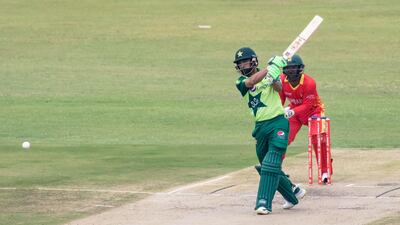
Mohammad Hafeez - 4. Bowled six overs for just 34 runs, which is commendable. But failed with the bat in both outings, which is of greater concern given Pakistan's fragile middle order. AFP -
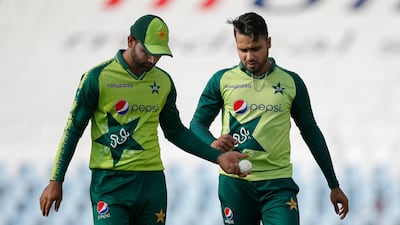
Faheem Ashraf - 4. Did nothing with the bat and was decent in the three innings he bowled - eight overs for one wicket at seven runs per over. Neither here nor there. AFP -
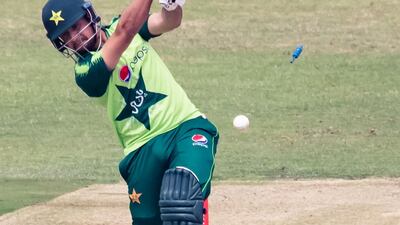
Haider Ali - 2. Despite immense promise, the lower order batsman has failed regularly on the Africa tour. Made five in the first match. AFP -

Asif Ali - 1. Scored one in the second T20 where Pakistan were bowled out for 99. Don’t see him getting many more chances. AFP -
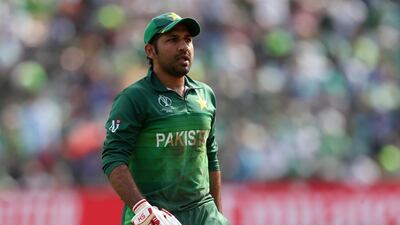
Sarfaraz Ahmed - not applicable. Did not get to bat in the third game, but took one catch. Faces an uncertain future.


________________________________________________
Regis Chakabva was Ali's fourth wicket when he edged a full delivery on 19 to third slip.
The much quicker Afridi removed the other opener, Prince Masvaure, to a catch in the slips, and wiped out the tail clean-bowling the last three — Tendai Chisoro (9), Blessing Muzarabani (14), and Richard Ngarava (1) just before tea.
Afridi had 4-43 and Ali 4-53.
In reply, openers Abid Ali (56 not out) and Imran Butt (43 not out) looked assured on a placid wicket and will seek to give their side a big first-innings lead when play resumes on the second day.
Zimbabwe, already missing three experienced players for the two-Test series, saw captain Sean Williams fail to recover from a soft-tissue injury on the eve of the match.
Pakistan handed a debut to bowling all-rounder Sajid Khan.

