


US cultural anthropologist Margaret Mead once described a city as “a centre where, any day in any year, there may be a fresh encounter with a new talent, a keen mind or a gifted specialist – this is essential to the life of a country".
If this week’s news about a string of high-profile companies, educational bodies and business groups coming to Expo City Dubai is anything to go by, then the site seems set to fulfil Mead’s prescription for a thriving metropolis.
Expo City Dubai on Monday said anchor tenants and new businesses coming to the emirate’s newest neighbourhood would include ports operator DP World, Emirates airline and Germany's Siemens Energy and Siemens Industrial. Others on their way include AI services provider Terminus Group and French utility company Engie.
Former national pavilions at the site will find a new lease of life as homes for a diverse collection of businesses, universities and trade networks to cement the UAE’s connections with its international partners. Australia’s former pavilion will house the University of Wollongong's data science, discovery and innovation centre and FinGulf, a business group, will set up in the former Finnish pavilion. China will use its Expo pavilion as a hub for business development.
-
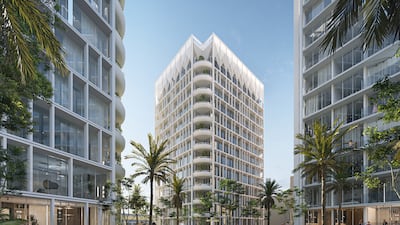
Developers say they will bring the former world's fair to life, with direct access to its amenities. -

A view of the apartment district at Expo City. -
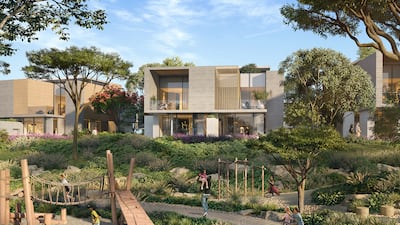
An artist's impression of new homes to be built on the edge of the Expo site. All renderings: Expo City Dubai -
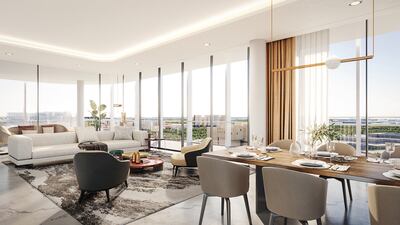
A living space in one of the apartment blocks. -
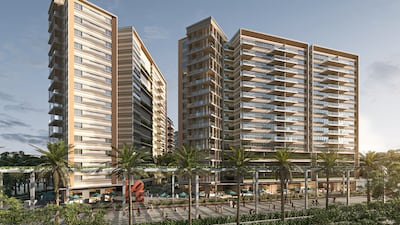
Expo City Dubai features several large apartment blocks on the edge of the existing site. -

Mangrove Residences apartments will sell from Dh1.2 million. -

The apartments are on par with prices in the city, which has seen a property boom since the end of the pandemic. -
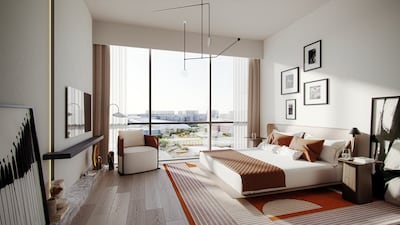
A bedroom of an apartment in Mangroves Residences. -
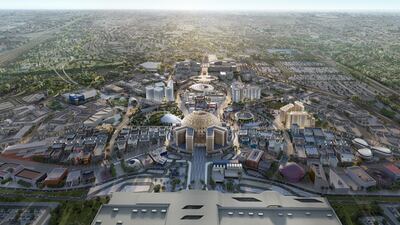
An overview of Expo City with new villas and apartment blocks built around the site.


Expo City Dubai is a strong example of how to repurpose a major development in a sustainable way, and this was always part of the plan. From the start, Expo organisers made clear that the six-month World’s Fair was just the beginning for a site that would not only host businesses but would also have thousands of homes – all of which will be well-serviced by roads, buses and an extended Metro network.
Comparable projects in other countries have fared less well, often down to financial problems or a failure to consider their long-term future. The 215-hectare site of the 1992 Expo in Seville, Spain – despite now hosting a trade school as well as a trade and development park – also contains many abandoned and forlorn structures.
The 1976 Montreal Olympics, which initially had a C$300 million ($229 million) budget, ended up with a C$1.6 billion deficit. Although the city was left with several legacy buildings that eventually served as concert arenas, apartments or sport centres, the final bill for construction was not settled until 2006. Other major projects, such as the Olympic site in Athens, have faced even worse problems. Some of the buildings constructed for the 2004 Olympic Summer Games in the north of the Greek capital lie empty to this day.
But, as Mead intimated, cities are more than just buildings. The fact that about 3,000 employees of the various organisations coming to Dubai Expo City will meet and interact at the site will give it a value in human capital well beyond its physical infrastructure. They will be complemented by the families who will live in the site’s apartments and villas.
As a meeting place for “a new talent, a keen mind or a gifted specialist”, Expo City Dubai will be hard to beat. This potential was recognised long in advance of Expo 2020 Dubai and the fact that the site will host the Cop28 climate change summit later this year is an expression of the principles of sustainability that informed its conception and construction.
Neither was Expo City Dubai developed in isolation. It fits comfortably within other urban plans being developed in the emirate, such as the Dubai 2040 Urban Masterplan that will divide the city into five key zones and ensure that 60 per cent of its area will be nature reserves. It also fits into the wider UAE urban development plans that have transformed the country over the past five decades.
Expo City Dubai shows what can be done with realistic planning, smart financing and a willingness to see the big picture over the long term. Mead was right when she said that such a thriving place was essential to the life of a country. Expo City Dubai showcased its strengths during the historic Expo months and will once again thrive.

