


US President Donald Trump, who likes to promote his peacemaker credentials, is facing a civil war within his own ranks.
Fuelling the rebellion among his Make America Great Again loyalists is Mr Trump's response to developments in the case of Jeffrey Epstein, the disgraced former financier who authorities say took his own life in a New York jail while awaiting trial on sex-trafficking charges.
Epstein in 2008 had pleaded guilty to solicitation of prostitution and solicitation of a child for prostitution, and his death in 2019 quickly became a cause celebre for Maga loyalists and the right-wing media world. They claimed, without evidence, that Epstein was murdered to keep him quiet about any wealthy and powerful clients he may have had.
The theory was so widespread that it became received wisdom in the Maga universe. Last year, Vice President JD Vance said: “We need to release the Epstein list, that is an important thing."
But when the FBI and the Justice Department published a much-anticipated memo last week, it stated that no evidence supported the claim that Epstein had kept a “client list”, or that he had blackmailed prominent people. Investigators also reasserted 2019 findings that he had died by suicide.
For many Maga supporters, the memo amounted to a betrayal, especially considering the source. For years before joining the Trump administration, FBI Director Kash Patel and his deputy, Dan Bongino, had pushed Epstein conspiracies in one form or another. Now that they are in office, they are saying there is nothing to see here and it's time to move on.
In February, Attorney General Pam Bondi said she had an Epstein client list “sitting on my desk right now to review". But when asked about it last week, she sought to withdraw the comment, saying she was referring to the overall Epstein file.
For conservative influencers including Elon Musk and Laura Loomer, it all stinks. Ms Loomer, a staunch Trump loyalist, on Sunday told Politico that a special counsel should be appointed for an independent investigation of the handling of the Epstein files.
Mr Musk, who fell out with Mr Trump last month, lobbed a “really big bomb” at the President as he left the White House, claiming the reason the full Epstein investigation has not been made public is because Mr Trump is “in the Epstein files”. He later deleted that post on X.
We already knew that Mr Trump, Bill Clinton, Britain's Prince Andrew and other rich and powerful men had moved in Epstein's orbit, before he was known to be a sexual predator. But Mr Musk appeared to be hinting at something else. On Saturday, the tech billionaire posted on X that Mr Trump should “just release the files as promised".
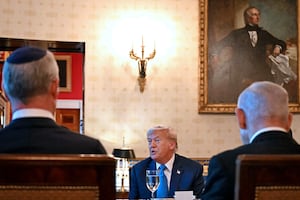
Mr Trump's own reaction to the release of the memo has been disastrous. When asked about it at a Cabinet meeting last week, instead of addressing the terrible crimes Epstein was accused of, or telling supporters that he was committed to making sure justice is done, he snapped at a reporter who had the temerity to ask him about the case.
“Are you still talking about Jeffrey Epstein?” Mr Trump said testily. “This guy's been talked about for years … are people still talking about this? … That is unbelievable."
It was a massively disingenuous answer as he knows only too well how important the Epstein case is to his supporters. He made things worse still on Saturday when he claimed that the Epstein file had been created by Barack Obama, Hillary Clinton and other “losers and criminals of the Biden administration".
Let's “not waste time and energy on Jeffrey Epstein, somebody that nobody cares about", he posted in a lengthy message on Truth Social.
A look at comments underneath that post are instructive. Normally, Mr Trump's posts are greeted with a tsunami of seemingly bot-generated memes that adulate him. Now, angry supporters are alleging he is part of some sort of cover-up.
“This is going to cost you so many supporters. I being one of them. I have been to multiple rallies and even was there on [January 6, 2021, at the US Capitol],” one user wrote.
Another said Mr Trump is “losing too many in your base”.

It all amounts to a huge headache for Mr Trump and a credibility crisis for his administration. Just last month, he was coming off perhaps the most successful period of his time as President.
In less than two weeks, he announced an Israel-Iran ceasefire, sealed a peace accord between Rwanda and the Democratic Republic of the Congo, and persuaded European allies to increase defence spending for Nato.
But his handling of the Epstein case means cracks are forming in his foundational support. If he's not careful, the saga could start to undermine his broader agenda.

