Tunisia's Ahmed Hafnaoui celebrates after winning the final of the men's 400-metre freestyle at the 2020 Olympics in Tokyo. AP Photo


There is no 'asterisk' needed for the Tokyo Olympics


  • English
  • Arabic

August 05, 2021

And just like that, the Tokyo Olympics is almost over. The flame will be extinguished on Sunday and the baton of responsibility will pass to Beijing for the Winter Olympics next year and then to Paris in 2024 for the summer games.

Both of those events - the action begins in Beijing on February 2, which barely seems enough time to catch our collective breath after Tokyo - will have to go some way to beat this summer, which has delivered day after day of beguiling and compelling competition.

Pre-Games and, indeed, throughout the course of the pandemic, many people wondered about the merits of staging this festival of sport. There had been plenty of talk about sports competitions being asterisk events if no fans were present or if they were hewn of their normal and natural conditions. There was even more chatter about the liability of hosting an Olympic Games during a global health crisis that has, at times, stretched the world to breaking point over the past 18 months.

Days before the opening ceremony, International Olympic Committee president Thomas Bach conceded that he had had many “sleepless nights” over whether the Games should go ahead.

It was easy to understand why. Opinion polls suggested more than 80 per cent of the Japanese public was opposed to the event being staged only a couple of months before opening day. The influential Asahi Shimbun newspaper, a sponsor of the event, said it could not “accept the gamble” of the Games being staged. Protests have frequently pressed the same point. The tide has turned more recently and opinion in Japan appears to have softened as the Games have gone on and its success story has gathered pace.

We should have known it would.

Derek Redmond, the British athlete, is helped by his father after tearing a hamstring during the 400-metre semi-final at the 1992 Barcelona Olympics, which left him in tears, but determined to finish.
Usain Bolt's wins are among the most memorable in Olympic history.

It helps that the Olympic Games occupy a unique place in the hearts and minds of the broader watching world, just as they represent the pinnacle of sport for those athletes who train for years to compete.

To most of us who watch on TV, the Olympics is a harbour from which improbable and inspirational stories set sail to fire the soul and the imagination.

They are about moments and memories, such as Usain Bolt scorching into the record books in Beijing 13 years ago or Nadia Comaneci’s perfect 10 in Montreal in 1976 or a wounded Derek Redmond being helped across the finishing line in Barcelona in 1992 by his father after a torn hamstring shattered his Olympic dream.

You didn’t have to be there to understand the humanity and importance of those moments or for them to stay with you.

Why on earth did we ever think Tokyo might be any different?

For the past two weeks, thousands of elite competitors have made us believe once again that anything is possible. Far from taking away from the experience, the unusual circumstances surrounding the Games have seemed to elevate the competition and the magnitude of the performances.

How else can you explain the women’s 400-metre hurdles final on Wednesday morning, in which Sydney McLaughlin smashed the world record to claim gold and Dalilah Muhammad took silver in a time that was also inside the old world record. Femke Bol claimed bronze in the same race, while also running the fourth-fastest time in history.

This was only a day after Norway’s Karsten Warholm claimed gold and destroyed a world record in the men’s 400m hurdles race.

US gymnast Simone Biles, often referred to as 'the greatest of all time' has shown she is the embodiment of that epithet by being such a powerful advocate for mental health and well-being. Getty Images

Records have kept tumbling and magic moments have accumulated. Time and again we have seen performances that have been better, faster and stronger than ever before.

Elaine Thompson-Herah claimed an unprecedented sprint double-double gold on Tuesday. Yulimar Rojas broke an Olympic record with her first attempt in the women’s triple jump and set a new world record with her final attempt on her own glorious road to glory. Mutaz Barshim and Gianmarco Tamberi shared gold in the men’s high jump on Sunday evening, minutes before Tamberi’s compatriot, Lamont Marcell Jacobs, tore down the track to win the 100m and prompt wild spontaneous celebrations by the pair.

“It's a dream,” the sprinter said later. It really was. The entire Games have been.

But it is not just the breaking of records that have made such a lasting impression.

Over the course of these Games, Simone Biles, the US gymnast, who is often referred to as “the greatest of all time” has shown she is the embodiment of that epithet by being such a powerful advocate for mental health and well-being.

We’ve heard from Nourredine Hadid, the Lebanese sprinter, who battled against the odds even to make it to the games in the first place. He bowed out in the 200m heats. And we cheered when Tunisia's teenage swimming sensation Ahmed Hafnaoui claimed gold in the pool. He was in tears on the podium when he saw his country’s flag being raised.

We’ve watched Oksana Chusovitina, 46, compete in her eighth and final Olympics, and we’ve seen a succession of young skateboarders showcase their skills. On Wednesday, Sakura Yosozumi, 19, Kokona Hiraki, 12, and Sky Brown, 13, locked out the podium at the skate park. Earlier, Syria’s Hend Zaza, also 12, took part in the table tennis competition, becoming the youngest athlete to compete in Japan.

These are the tales of Tokyo, but they barely even scratch the surface of the rich and sprawling story of the Games.

And soon it will all be over. Thank you, it has been incredible.

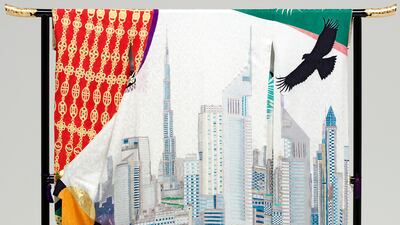
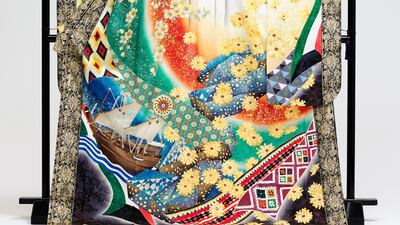
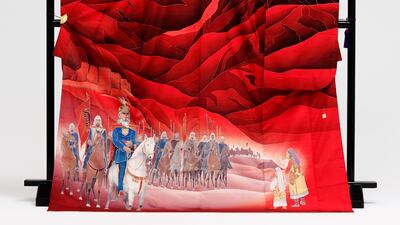
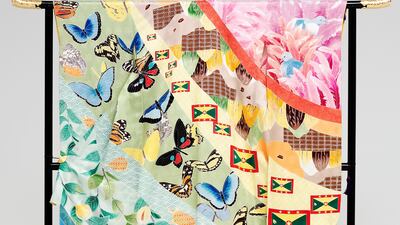
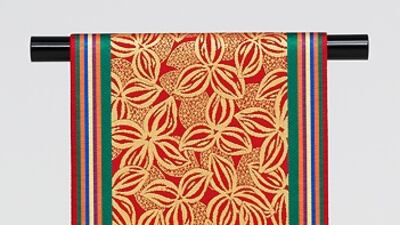
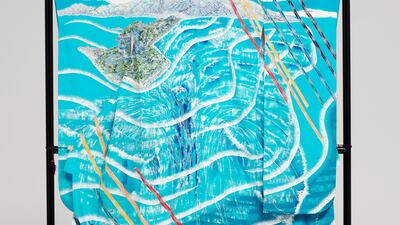
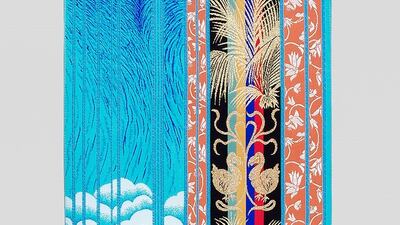
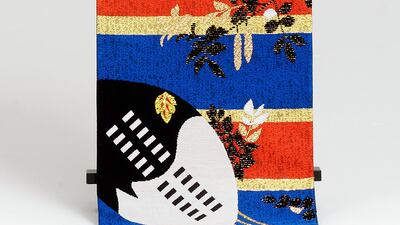
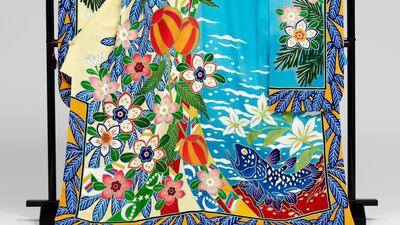
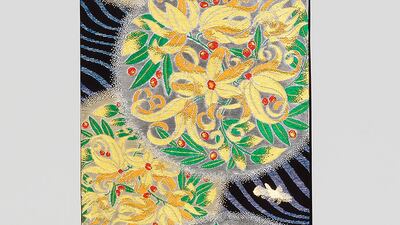
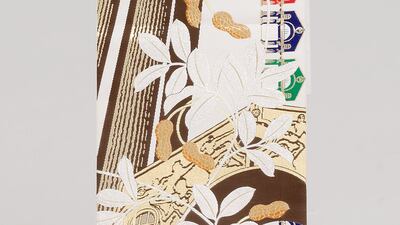
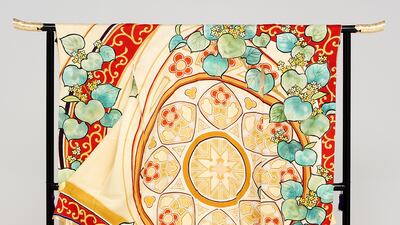
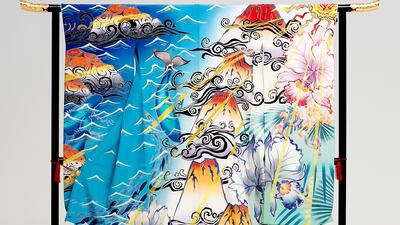
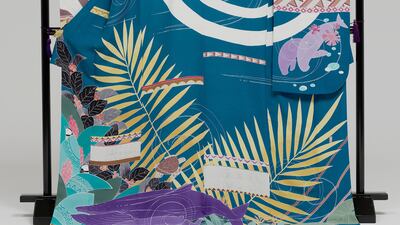
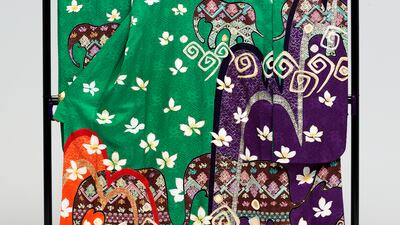
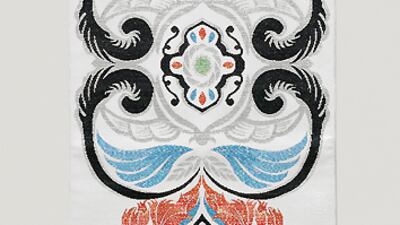
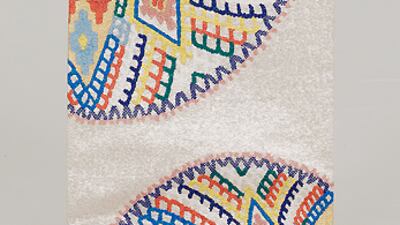
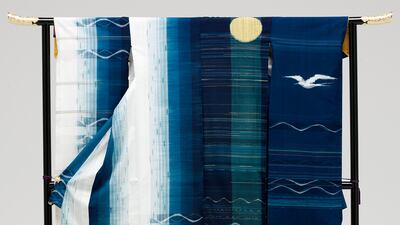
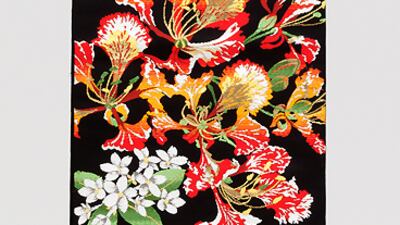
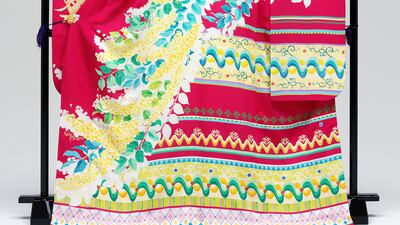
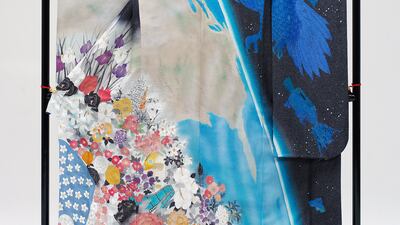
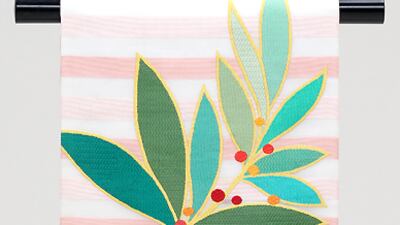
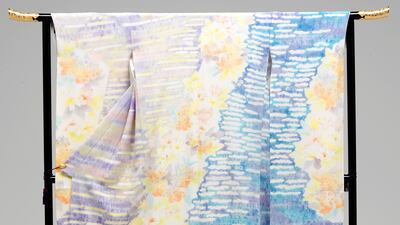
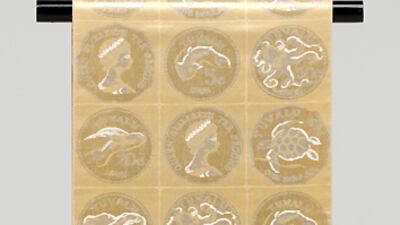
  • A total of 213 kimonos and obis were created for the Kimono Project, each representing a country taking part in the Tokyo Olympics. Pictured here is the UAE kimono
    A total of 213 kimonos and obis were created for the Kimono Project, each representing a country taking part in the Tokyo Olympics. Pictured here is the UAE kimono
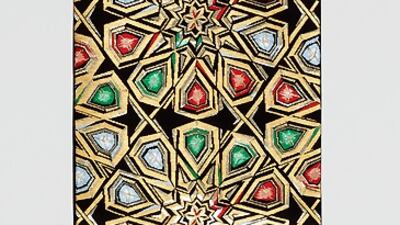
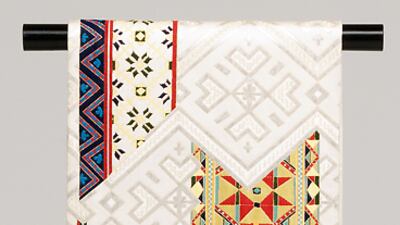
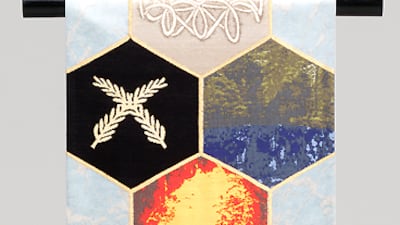
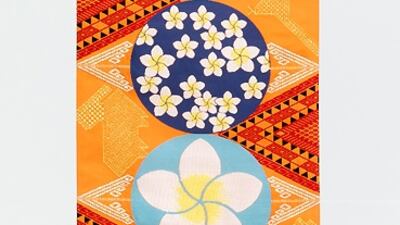
  • The UAE obi
    The UAE obi
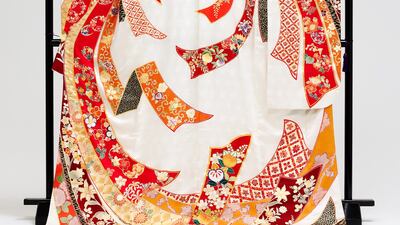
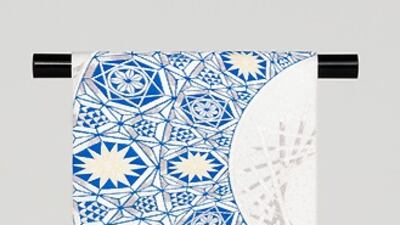
  • Japan kimono
    Japan kimono
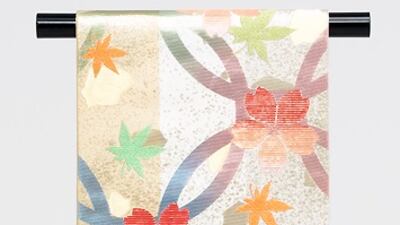
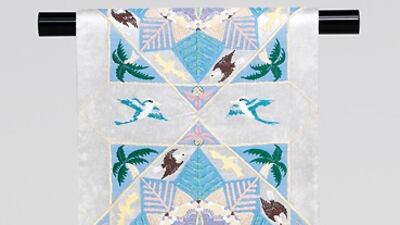
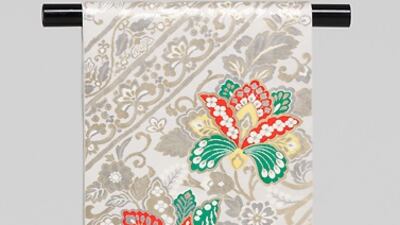
  • Japan obi
    Japan obi
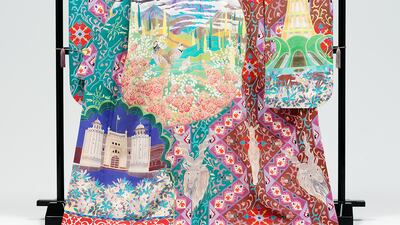
  • Palestine kimono and obi
    Palestine kimono and obi
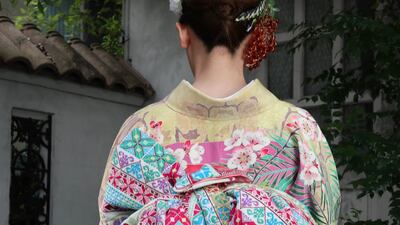
  • Palestine kimono and obi on model
    Palestine kimono and obi on model
  • Kuwait kimono
    Kuwait kimono
  • Kuwait obi
    Kuwait obi
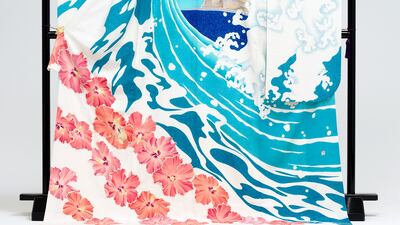
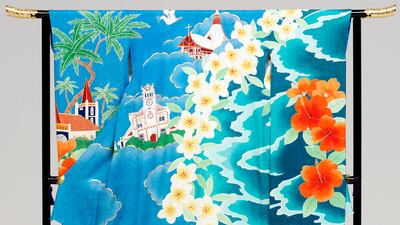
  • American Samoa kimono
    American Samoa kimono
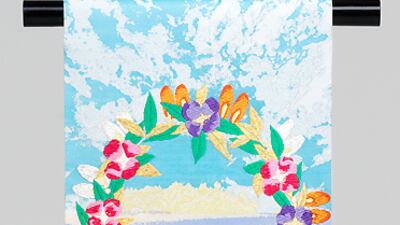
  • American Samoa obi
    American Samoa obi
  • Puerto Rico kimono
    Puerto Rico kimono
  • Puerto Rico obi
    Puerto Rico obi
  • Albania kimono
    Albania kimono
  • Albania obi
    Albania obi
  • Moldova kimono
    Moldova kimono
  • Moldova obi
    Moldova obi
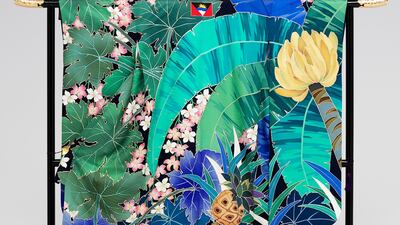
  • Antigua and Barbuda kimono
    Antigua and Barbuda kimono
  • Antigua and Barbuda obi
    Antigua and Barbuda obi
  • Grenada kimono
    Grenada kimono
  • Grenada obi
    Grenada obi
  • Mauritius kimono
    Mauritius kimono
  • Mauritius obi
    Mauritius obi
  • Eswatini kimono
    Eswatini kimono
  • Eswatini obi
    Eswatini obi
  • Union of the Comoros kimono
    Union of the Comoros kimono
  • Union of the Comoros obi
    Union of the Comoros obi
  • Gambia kimono
    Gambia kimono
  • Gambia obi
    Gambia obi
  • Czech Republic kimono
    Czech Republic kimono
  • Czech Republic obi
    Czech Republic obi
  • Senegal kimono
    Senegal kimono
  • Senegal obi
    Senegal obi
  • Pakistan kimono
    Pakistan kimono
  • Pakistan obi
    Pakistan obi
  • Ecuador kimono
    Ecuador kimono
  • Ecuador obi
    Ecuador obi
  • Latvia kimono
    Latvia kimono
  • Latvia obi
    Latvia obi
  • Tonga kimono
    Tonga kimono
  • Tonga obi
    Tonga obi
  • Vanuatu kimono
    Vanuatu kimono
  • Vanuatu obi
    Vanuatu obi
  • Laos kimono
    Laos kimono
  • Laos obi
    Laos obi
  • Norway kimono
    Norway kimono
  • Norway obi
    Norway obi
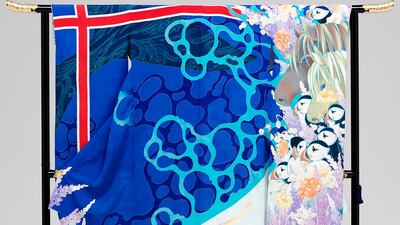
  • Iceland kimono
    Iceland kimono
  • Iceland obi
    Iceland obi
  • Kiribati kimono
    Kiribati kimono
  • Kiribati obi
    Kiribati obi
  • Madagascar kimono
    Madagascar kimono
  • Madagascar obi
    Madagascar obi
  • Myanmar kimono
    Myanmar kimono
  • Myanmar obi
    Myanmar obi
  • US kimono
    US kimono
  • US obi
    US obi
  • Tuvalu kimono
    Tuvalu kimono
  • Tuvalu obi
    Tuvalu obi
A cryptocurrency primer for beginners

Cryptocurrency Investing  for Dummies – by Kiana Danial 

There are several primers for investing in cryptocurrencies available online, including e-books written by people whose credentials fall apart on the second page of your preferred search engine. 

Ms Danial is a finance coach and former currency analyst who writes for Nasdaq. Her broad-strokes primer (2019) breaks down investing in cryptocurrency into baby steps, while explaining the terms and technologies involved.

Although cryptocurrencies are a fast evolving world, this  book offers a good insight into the game as well as providing some basic tips, strategies and warning signs.

Begin your cryptocurrency journey here. 

Available at Magrudy’s , Dh104 

RIDE%20ON
%3Cp%3EDirector%3A%20Larry%20Yang%3C%2Fp%3E%0A%3Cp%3EStars%3A%20Jackie%20Chan%2C%20Liu%20Haocun%2C%20Kevin%20Guo%3C%2Fp%3E%0A%3Cp%3ERating%3A%202%2F5%3C%2Fp%3E%0A
AUSTRALIA SQUAD

Aaron Finch, Matt Renshaw, Brendan Doggett, Michael Neser, Usman Khawaja, Shaun Marsh, Mitchell Marsh, Tim Paine (captain), Travis Head, Marnus Labuschagne, Nathan Lyon, Jon Holland, Ashton Agar, Mitchell Starc, Peter Siddle

FA Cup fifth round draw

Sheffield Wednesday v Manchester City
Reading/Cardiff City v Sheffield United
Chelsea v Shrewsbury Town/Liverpool
West Bromwich Albion v Newcastle United/Oxford United
Leicester City v Coventry City/Birmingham City
Northampton Town/Derby County v Manchester United
Southampton/Tottenham Hotspur v Norwich City
Portsmouth v Arsenal 

Milestones on the road to union

1970

October 26: Bahrain withdraws from a proposal to create a federation of nine with the seven Trucial States and Qatar. 

December: Ahmed Al Suwaidi visits New York to discuss potential UN membership.

1971

March 1:  Alex Douglas Hume, Conservative foreign secretary confirms that Britain will leave the Gulf and “strongly supports” the creation of a Union of Arab Emirates.

July 12: Historic meeting at which Sheikh Zayed and Sheikh Rashid make a binding agreement to create what will become the UAE.

July 18: It is announced that the UAE will be formed from six emirates, with a proposed constitution signed. RAK is not yet part of the agreement.

August 6:  The fifth anniversary of Sheikh Zayed becoming Ruler of Abu Dhabi, with official celebrations deferred until later in the year.

August 15: Bahrain becomes independent.

September 3: Qatar becomes independent.

November 23-25: Meeting with Sheikh Zayed and Sheikh Rashid and senior British officials to fix December 2 as date of creation of the UAE.

November 29:  At 5.30pm Iranian forces seize the Greater and Lesser Tunbs by force.

November 30: Despite  a power sharing agreement, Tehran takes full control of Abu Musa. 

November 31: UK officials visit all six participating Emirates to formally end the Trucial States treaties

December 2: 11am, Dubai. New Supreme Council formally elects Sheikh Zayed as President. Treaty of Friendship signed with the UK. 11.30am. Flag raising ceremony at Union House and Al Manhal Palace in Abu Dhabi witnessed by Sheikh Khalifa, then Crown Prince of Abu Dhabi.

December 6: Arab League formally admits the UAE. The first British Ambassador presents his credentials to Sheikh Zayed.

December 9: UAE joins the United Nations.

MATCH SCHEDULE

Uefa Champions League semi-final, first leg
Tuesday, April 24 (10.45pm)

Liverpool v Roma

Wednesday, April 25
Bayern Munich v Real Madrid (10.45pm)

Europa League semi-final, first leg
Thursday, April 26

Arsenal v Atletico Madrid (11.05pm)
Marseille v Salzburg (11.05pm)

The biog

Hometown: Birchgrove, Sydney Australia
Age: 59
Favourite TV series: Outlander Netflix series
Favourite place in the UAE: Sheikh Zayed Grand Mosque / desert / Louvre Abu Dhabi
Favourite book: Father of our Nation: Collected Quotes of Sheikh Zayed bin Sultan Al Nahyan
Thing you will miss most about the UAE: My friends and family, Formula 1, having Friday's off, desert adventures, and Arabic culture and people
 

Updated: August 05, 2021, 4:00 AM