
It has been 10 years since Britain voted to leave the European Union and the number who still believe it was a good idea has dwindled significantly, with even some of those who voted for Brexit now expressing remorse.
The reason? Few can explain how it has benefited the UK, especially when some observers estimate it has cost the nation as much as 8 per cent of its gross domestic product, or more than £3 billion a week.
That helps explain why few people The National interviewed at a bustling port on England’s south coast could come up with positive Brexit outcomes, especially the fishermen who were meant to benefit most.


The first serious post-Brexit talks between Britain and the EU conclude on Friday, with a range of deals covering food exports, carbon emissions and student offers. After that there is a range of options to explore, from another referendum to developing closer trade ties, with the prospect of returning to the customs union or single market.
UK Prime Minister Andy Burnham's timetable following Friday's expected breakthrough is clouded in uncertainty. A radical shift would need to be included in the next British general election manifesto, which could be up to three years away. Subsequent talks to rejoin the EU would take years. For now, the Prime Minister is promoting a closer relationship, leaving the door to the prospect of rejoining ajar.
Fishing failures
Only a decade after voting to leave and six years after the Brexit vote was confirmed by a bare-bones trade deal, British communities are weighing up the cost. There are now slightly more than 5,000 registered fishing vessels and around 10,000 fishermen in Britain, about half the size of the fleet 30 years ago.
Brexit was meant to restore Britain’s catch quotas to far higher levels, with former prime minister and Brexit figurehead Boris Johnson telling south coast fishermen in 2019 that “once we have taken the fish off the French, you will be so busy”.
UK fishermen face increased bureaucracy over EU exports, including veterinary and customs checks, that has shrunk their market.
Meanwhile, French, Spanish and Dutch trawlers ply British waters and, under the quota system, take from the same shoals but without the associated red tape.
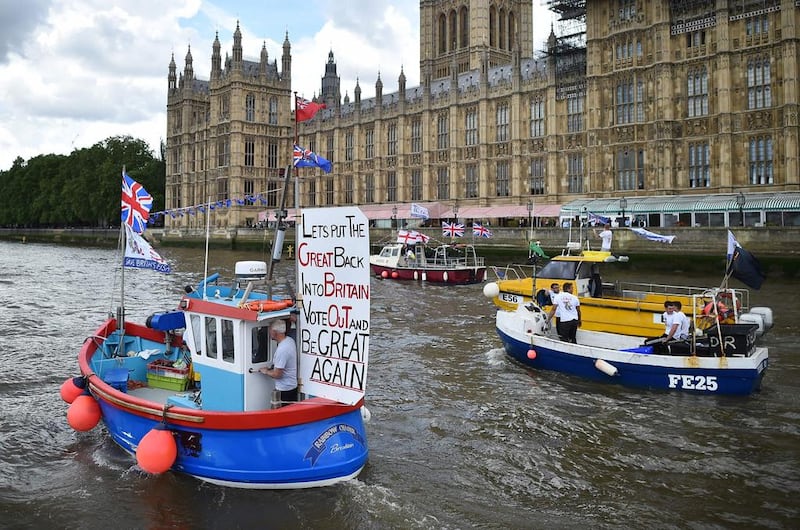
That is why Brendan Mair, captain of the Fruitful Bough, moored in the port of Shoreham-by-Sea, told The National: “I wish we could go back to the way it was before.”
His trawler sat alongside five other boats that had travelled from Scotland to scoop up the south coast's bountiful scallop catch. Mr Mair lamented that Brexit “meant we got control of our own waters – but we didn't”.
In the northern Shetland Islands, “we have Norwegian, Spanish, French boats all scooping more fish than we're allowed to catch”.
Britain exported £2 billion ($2.7 billion) worth of seafood last year, more than 60 per cent of that to the EU, but exports were still 14 per cent down in 2025 in volume terms on 2020.
Mr Mair has to contend with myriad EU import rules, which Mr Burnham's package on Friday should ease. “While there's more demand for fish, we struggle with a lot more regulations,” the fisherman said.
Lee Deighton of the Venus trawler contended that warming waters had affected UK fishing quotas as much as Brexit's red tape. “We are just not seeing the fish we used to, such as cold water ones like cod, so some are simply struggling to fulfil their quotas.”
Burnham’s Brexit reset
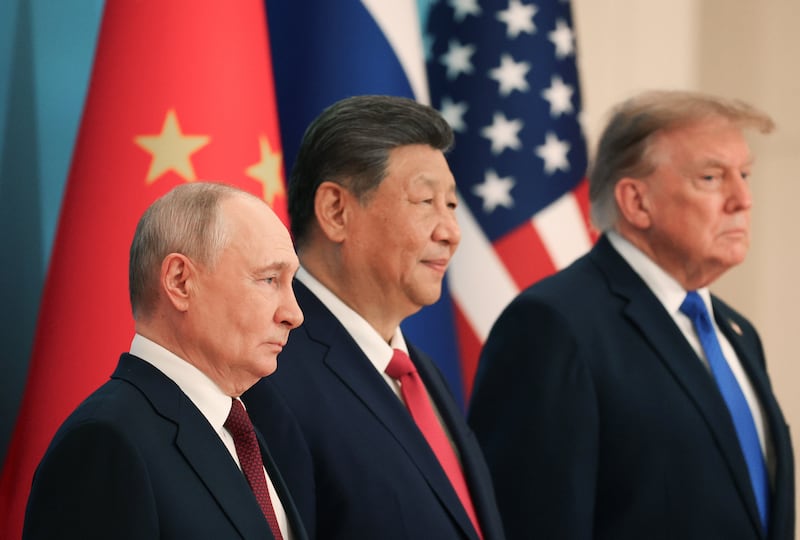
With the world becoming more fractured and insecure, Britain has been cut adrift from its main trading partner by Brexit. And US President Donald Trump’s trilateral meeting with the Chinese and Russian leaders on Thursday is a reminder of how far the old norms have evaporated.
The image of America cosying up to autocrats and hardliners may well assist Mr Burnham’s argument that Britain needs the EU.
During his first major foreign policy speech on Monday, Mr Burnham made clear Brexit had damaged Britain's international standing and had not delivered the outcome voters in 2016 had been led to expect. “The Brexit we were given has not worked,” he said. “We have lost more than we gained.”

Hence on Friday he is meeting European Commission President Ursula von der Leyen to discuss closer integration, from an immediate reset through the reduction of trade barriers to a move towards a customs union, alongside the potential to Britain rejoining the EU.
While the Labour government’s manifesto states it will abide by the 2021 UK-EU trade deal, Mr Burnham will almost certainly reverse that pledge at the next general election, which he could call as early as next year.
But Europe, too, wants to know if Britain genuinely wants to return to the fold before investing in negotiations, particularly as Nigel Farage’s Reform UK party has vowed to reverse any such move.

Shoreham snapshot
Unlike in 2016, when Shoreham opted overwhelmingly for Brexit (55 per cent voted to leave), Mr Farage is now unlikely to gain as much traction.
“All we were told was lies and more lies about what Brexit would do for us,” said Mary, a pensioner and former Leave voter. “Nothing that’s happened since was really covered in what we were told at the time.”
While Michael Carter, 76, was pleased at Britain “regaining sovereignty” on the morning after the Brexit vote, he admitted the country has “struggled” since.
His generation largely voted against remaining but now he said he was “not sure” and suggested “they'd rather go back in and be part of the community again”.
Like the majority of those interviewed by The National, Mr Carter would like to see another referendum because “the next generation may have a different view … that they want to be more inclusive within Europe, and they will feel safer”.
However, there are still those who do not wish for a repeat of the domestic turbulence caused by the 2016 vote, preferring to resolve the issues without another referendum.
“With the state of the country at the moment and how divisive Brexit already is, I think it would create a bit of a civil war,” said businessman Paul Knight.

Brexit remains
Polling shows that among those who voted to leave, 27 per cent now support rejoining, but ardent Brexiteer and former Conservative-turned-Reform politician David Jones is strongly against another vote.
He admitted the Brexit deal has not helped the UK fishing industry, which “would be very keen to see something a lot better than what they've got at the moment”, while the French and Dutch fleets were “enjoying themselves in our coastal waters”.
Mr Jones, who represents Reform in Wales, argued any new referendum would show “a lack of respect for the British electorate who did vote to leave”.
While he labelled Mr Burnham “a very dangerous man”, he added that the “good news is that Nigel Farage has made very clear he will renege on anything that has been agreed in this negotiation” if he enters government.
But given Reform’s recent poor polling, that prospect is receding and part of Mr Burnham’s calculation is that the younger cohort of British voters wants to turn its back on an isolated Britain and rejoin the EU.

