


The number of migrants crossing the English Channel to Britain is “highly likely” to increase in the weeks after the general election, the Refugee Council has said, with the new government facing a surge in arrivals.
The summer months are typically the busiest for Channel crossings amid better weather.
A third (34 per cent) of crossings in 2023 were in August and September, and in 2022 those two months accounted for 36 per cent of crossings.
Rishi Sunak has repeatedly insisted his plan to curb migrant crossings is working.
But more than 50,000 people have arrived in the UK by crossing the Channel since he became Prime Minister in October 2022, including some 13,000 so far this year.
Refugee Council chief executive Enver Solomon told reporters there is “no evidence” that the Conservative government’s bid to send asylum seekers to Rwanda will act as a deterrent.
The charity has consistently argued that ministers need to establish ways for asylum seekers to legally travel to the UK to submit claims, in order to end the dangerous crossings.
The 'Jungle' migrant camp in Calais – in pictures
-
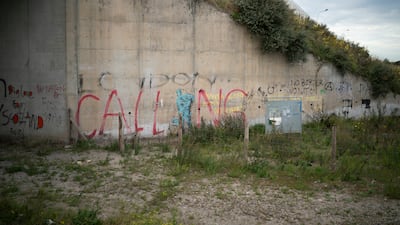
A Banksy mural at the entrance to the 'Jungle' migrant camp in Calais, France, fades as nature reclaims the area in 2018, two years after more than 1,000 migrants were evicted. All photos: Getty Images -
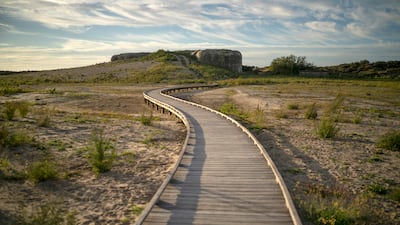
Sand dunes at the former site of Calais 'Jungle' migrant camp, which is now a nature reserve -
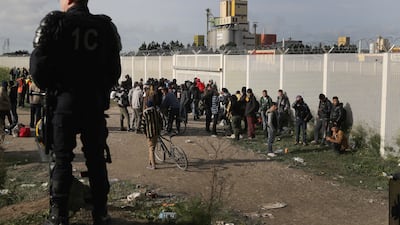
The last remaining migrants at the camp wait for transport outside the site in October 2016 -

Bedding and food left inside a shack in the nearly deserted camp in 2016 -
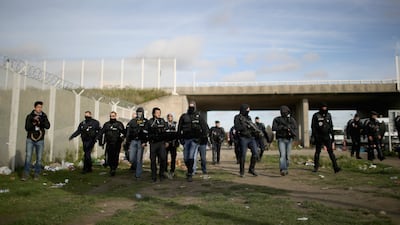
French police clearing the main entrance to the camp -
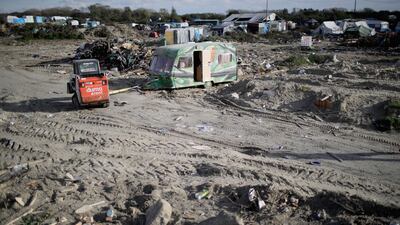
Contractors clearing the site -
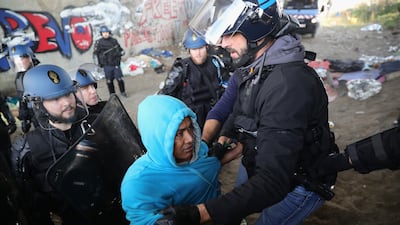
Police stop a migrant from returning -
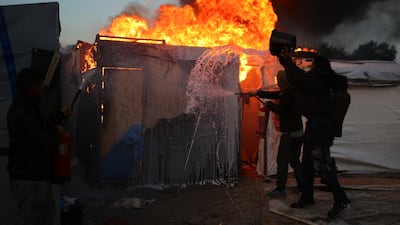
Volunteers and migrants tackle a blaze in the camp during the demolition -
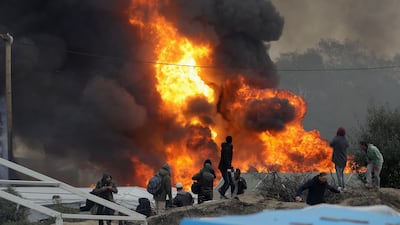
A gas canister explodes in the camp as fires rage in October 2016 -
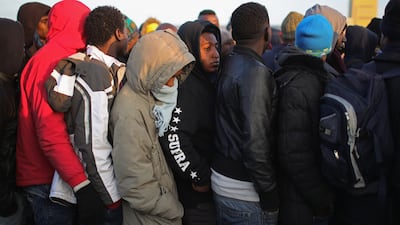
Sudanese migrants queue in the cold weather for buses to leave the camp -
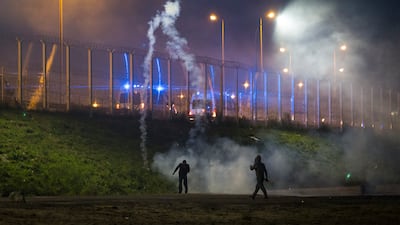
Migrants return a smoke grenade as they clash with French riot police in October 2016 -

French business owners and locals blockade the main road into the Port of Calais, demanding the removal of the 'Jungle' camp in September 2016 -

Migrant children watch a movie inside the Jungle Books Cafe in the camp -
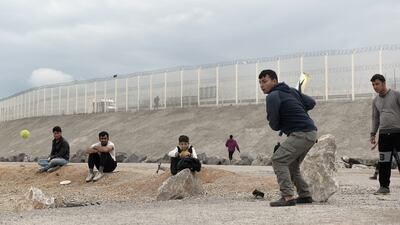
Migrants from Afghanistan play cricket on a makeshift wicket in May 2016 -
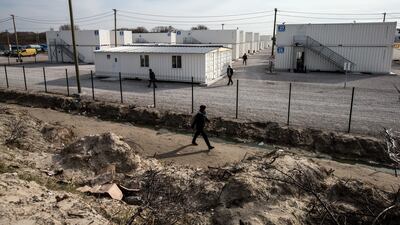
A migrant walks alongside a fence separating new accommodation from the jungle camp in February 2016 -
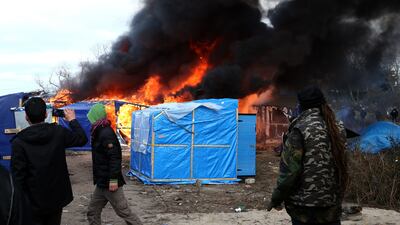
A hut burns as police officers clear part of the camp in February 2016 -

Actors from Shakespeare's Globe perform Hamlet to migrants at the Good Chance Theatre Tent in the camp in February 2016 -
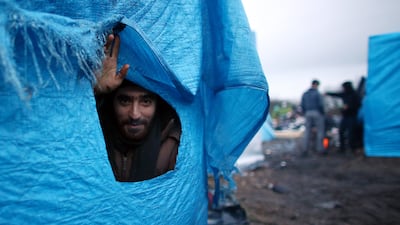
An Iranian man peers out from his shelter in the camp in January 2016 -
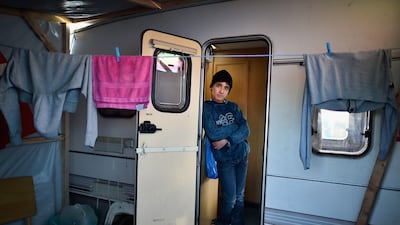
A boy looks out from a camper van as migrants contend with cold weather in December 2015 -

A view of the camp in June 2015


In a report published on Friday, it set out a list of proposals for the incoming government to tackle the backlog of asylum claims and Channel crossings.
The next government “must restore the right to asylum in the UK” and “seize the opportunity to rescue and reform our asylum system, which is dysfunctional and chaotic after years of political stunts and empty rhetoric”, Mr Solomon said.
“There’s no evidence the government has presented that the Rwanda plan will act as a deterrent.
“Everyone that we work with in the asylum system that has made dangerous journeys, and other organisations based in northern France, and indeed some work that has been done by researchers in northern France, very clearly suggests that it will not act as a deterrent, that it will not stop people.”
Research indicates that asylum seekers flee to the UK because of family, historical connections and links to language, among other reasons, he added.
“What Labour should do if they were to come into power, absolutely we would say, is repeal the Illegal Migration Act and the Safety of Rwanda Act as soon as possible,” Mr Solomon said, as well as the Nationality and Borders Act, which the charity also opposed.
Asked whether immigration pledges in Labour’s manifesto go far enough, Mr Solomon said this is a “complex issue” with “no single magic bullet”.
He said the party’s vow to tackle smuggling gangs is “important but needs to be part of a wider strategy” which addresses the reasons and “so-called push factors” as to why people flee and seek asylum, and to consider establishing “safe routes so people don’t have to take dangerous journeys”.
“It needs sensible policy-making and it needs a recognition that it’s the hard yards of policy-making and delivery over time that can have an impact,” he added.
The next government will need to take “decisive action to address the cost, chaos and human misery that result from the existing state of the asylum system”, the Refugee Council’s report said as it warned that some reforms were already “slowing down decisions”.
Measures the charity believes should be introduced include establishing a team of Home Office officials to review asylum claims which have been refused and the decision then appealed, with powers to grant claims if appropriate, as well as recruiting more immigration judges to hear cases.
“The home secretary in the new government will have responsibility for fixing an asylum system that faces a myriad of challenges caused by unworkable legislation that has only served to make the process more complex and unwieldy,” the report said.
“The immediate focus for the next government must be on getting to grips with the asylum decision-making system to tackle the backlog in initial decisions.
“The next government must not repeat the mistakes of recent years.
“A new national refugee strategy is needed that gives people a fair hearing in the UK and delivers order and compassion.”

