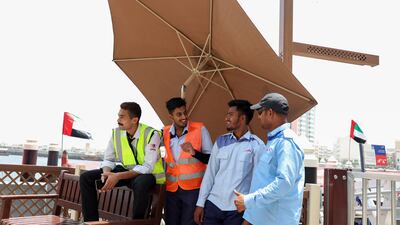

Doctors have warned of the hidden impact of extreme heat as temperatures in some parts of the UAE could break May records and edge towards 50°C.
The National Centre for Meteorology forecasts 49°C for Al Ain and other inland areas on Friday, prompting doctors to encourage high-risk groups to take extra precautions to stay safe.
Although adequate hydration is essential year-round, it becomes more critical for maintaining good health in summer.

Water requirements can depend on body size, heat exposure and physical activity. Excess caffeine, sweetened drinks and even frequent use of over-the-counter painkillers can worsen the physical impact of high temperatures.
Dr Ajinkya Patil, a specialist nephrologist at RAK Hospital, said repeated dehydration can gradually reduce blood flow to the kidneys, affecting the tiny filtration units responsible for clearing toxins and maintaining the body’s fluid balance.
“When dehydration occurs, blood volume drops and kidney blood flow reduces. Over time, this causes injury to the filtering structures of the kidney,” he said.
“These nephrons exist in millions, but repeated stress from dehydration gradually reduces their efficiency.”
Kidney damage
Declining kidney filtration can result in waste products like urea and creatinine not being cleared effectively, while essential proteins can also be lost in urine, a process that often develops silently over the years.
Occasional dehydration may not cause immediate harm in healthy people, but prolonged periods without adequate hydration can leave a lasting impact. Dehydration can significantly impair kidney function and lead to complications including fluid retention, breathlessness, dizziness, fatigue and reduced urine output.
People with diabetes or hypertension, or with pre-existing kidney disease, are particularly vulnerable to these effects. Fad diets or prolonged fasting without adequate hydration, as well as the misuse of anabolic steroids and unregulated gym supplements, can also pose long-term risks to kidney health, Dr Patil said.
“Kidney damage often develops silently. By the time symptoms appear, significant injury may already have occurred. Prevention through hydration, moderation, and regular health screening remains the best protection.”
The World Health Organisation says the number of people exposed to extreme heat is growing exponentially due to climate change across the world.
Older people are particularly at risk, with heat-related mortality for those over 65 years increased by about 85 per cent between 2000 and 2021.
Almost half the world’s 489,000 heat-related deaths occurred in Asia (45 per cent) between 2000 and 2019, with 36 per cent of fatalities in Europe.
During an intense European summer in 2022, when parts of the tinder-dry Mediterranean experienced extensive wildfires, there were an estimated 61,672 deaths related to excess heat.
Forecasters predict the world could be about to enter another phase of extreme weather, caused by the El Nino climate phenomenon.
It leads to above-average sea temperatures in the central and eastern tropical Pacific Ocean, disrupting global weather patterns, leading to torrential rain in some regions, and extreme drought in others.
El Nino occurs every two to seven years, with the most recent in 2024 causing devastating wildfires in Brazil. According to the US National Oceanic and Atmospheric Administration (NOAA), similar weather could develop this summer, although it is unclear how disruptive it may be.
National campaign
A heat awareness campaign was conducted in the UAE last summer to advise blue-collar workers on the dangers of working outdoors.
Sanitation workers, fuel station attendants, workers in public parks, parking facilities, and delivery services were given vital information and preventive guidelines to reduce the risk of heat exhaustion.
This comes as part of the Ministry of Health and Prevention's mission to protect public health and promote quality of life nationwide.
Mohammed Abdullah Al Zarooni, director of the ministry's Representative Office in Sharjah, said the campaign was an important milestone in the UAE’s commitment to protecting workers’ health.
“The campaign embodied the values of social responsibility and strengthens co-operation among entities, ensuring a work environment in accordance with WHO standards.”

