

Ramadan is expected to begin on Saturday, March 1, across the Arab world, an astronomy centre in Abu Dhabi has said.
The International Astronomical Centre announced on Thursday that most Muslim countries will seek to observe the new crescent moon, heralding the start of the holy month, on Friday, February 28.
Mohammed Shawkat Odeh, director of the centre, said the crescent moon could be visible in some parts of the Arab world on that date. If the crescent moon is seen, Ramadan will be observed from the following day. If the moon is not visible, the holy month will begin on March 2.
Millions await start of Ramadan
-
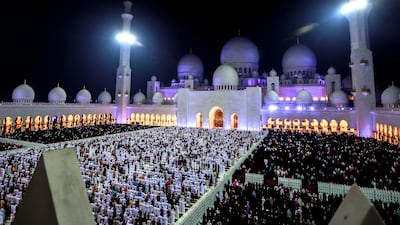
Worshippers gather for Laylat Al Qadr prayers at Sheikh Zayed Grand Mosque. Victor Besa / The National -
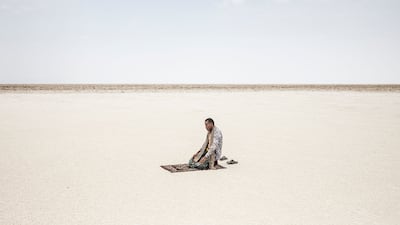
An Ethiopian man prays on the banks of Lake Karum, a salt lake in Afar Region, amid above-50° temperatures. AFP -

Palestinians break their fasts amid the rubble of their destroyed homes in Rafah, in the southern Gaza Strip. Reuters -
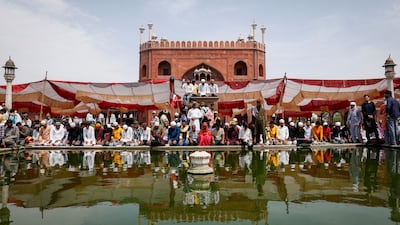
The faithful offer the final Friday prayers of Ramadan at Delhi's Jama Masjid. Reuters -

A Palestinian worshipper at the Al Aqsa Mosque compound in Jerusalem's Old City. Reuters -
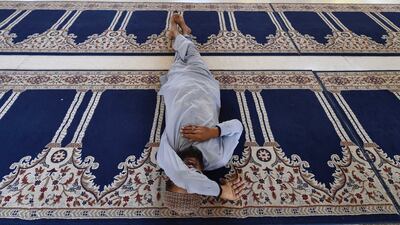
A Pakistani worshipper rests at a mosque in Karachi. EPA -
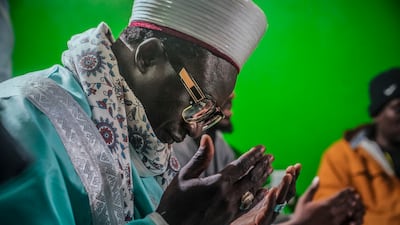
An imam prays before iftar at Bronx's Masjid Ansarudeen in New York. AP -
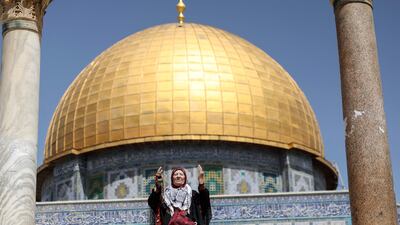
A Palestinian worshipper at the Al Aqsa Mosque compound. AFP -
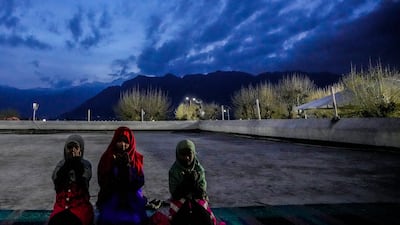
Children pray outside the Hazratbal shrine in Indian Srinagar. AP -
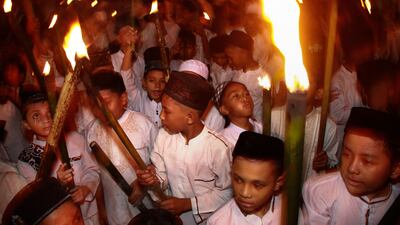
Indonesian children welcome Laylat Al Qadr in Ternate, North Maluku. AFP -
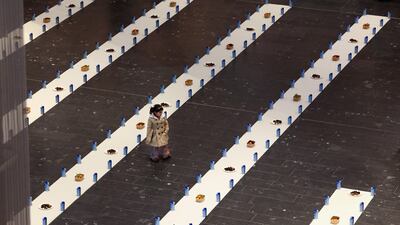
V&A Dundee design museum in Scotland hosts iftar. Getty Images -
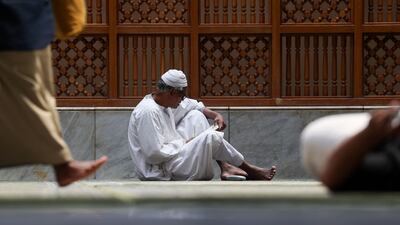
A worshipper reads the Quran at the Prophet's Mosque in Madinah. AFP -

Members of a motorcycle club distribute iftar in Damascus. AFP -
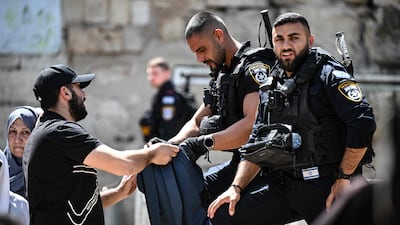
Palestinians being checked by Israeli soldiers as they head to the Al Aqsa Mosque compound. AFP -

A worshipper reads the Quran at Sanaa's Grand Mosque. Reuters -

A Shiite cleric at the shrine of Imam Ali in the city of Najaf, Iraq. Reuters -
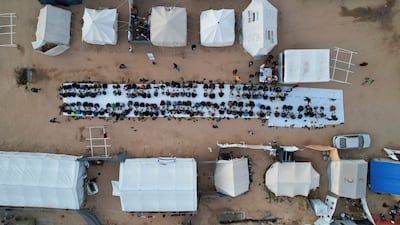
Displaced Palestinians gather for iftar in Rafah, in the southern Gaza Strip. Reuters -

People sit for iftar in Cape Town, South Africa. Reuters -
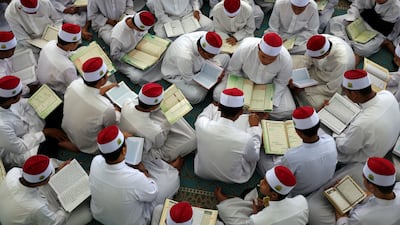
Students of an Islamic boarding school recite Quran in Kuala Lumpur, Malaysia. Reuters -
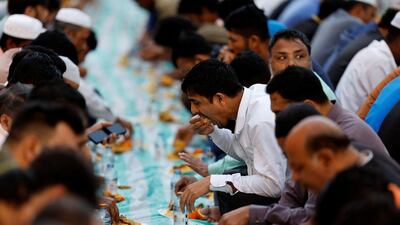
A charity-sponsored iftar gathering in Manama. Reuters -
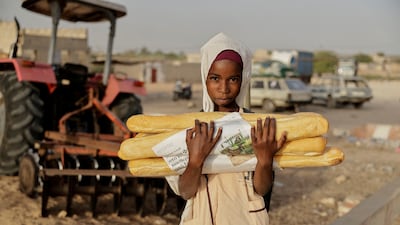
A young worshipper gets ready for iftar in Fass Boye, Senegal. Reuters -
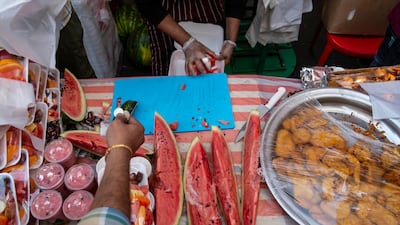
Fruits and snacks on sale in Dubai's Gold Souq area on a Ramadan evening Antonie Robertson / The National -
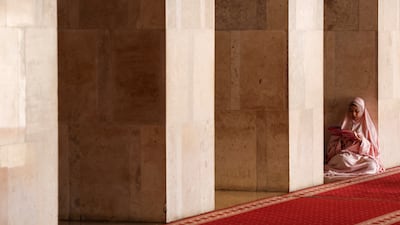
A worshipper reads the Quran while waiting for iftar at Grand Istiqlal Mosque in Jakarta. Reuters -

A young worshipper covers her ears as the cannon goes off marking the end of the day's fast at Duba's Expo City. Chris Whiteoak / The National -
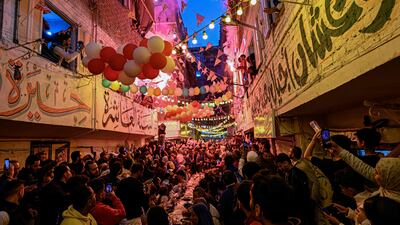
People gather in streets for iftar in Ezbet Hamada in Cairo's Matariya suburb. AFP -
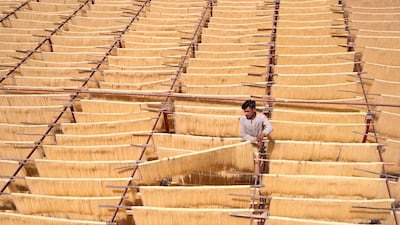
A man dries vermicelli, a popular ingredient used to make traditional Ramadan delicacies, in Hyderabad, Pakistan. AFP -
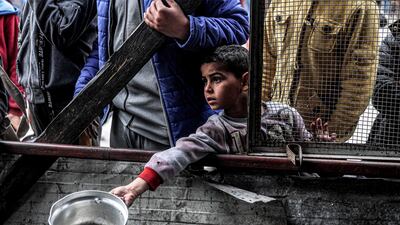
A displaced Palestinian boy waits for food in Rafah, the southern Gaza Strip. AFP -
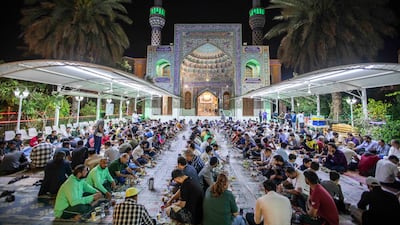
Worshippers gather for iftar at Imam Hussein Mosque in Satwa, Dubai. Leslie Pableo for The National -
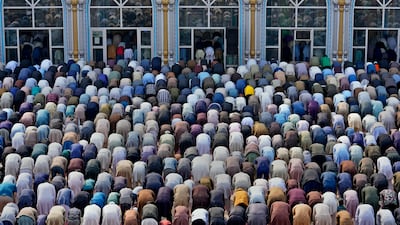
Worshippers offer Friday prayers at Jaamia Masjid in Rawalpindi, Pakistan. AP -
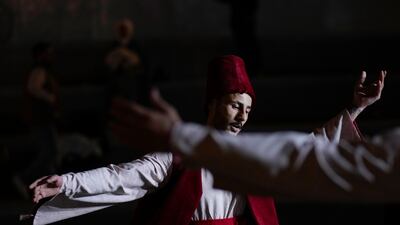
Artists perform Sufi dance in Baghdad. AP -
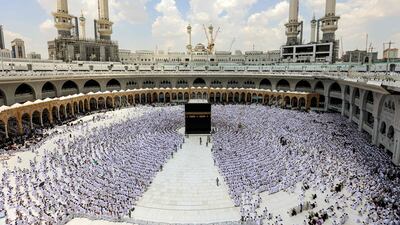
The faithful gather for prayer at the Grand Mosque in Makkah. AFP -

Staff at Asateer tent of Atlantis The Palm in Dubai get ready to serve iftar. Pawan Singh / The National -
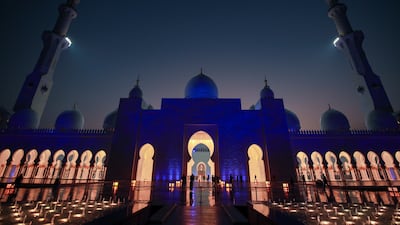
Sheikh Zayed Grand Mosque during the first evening of Ramadan 2024. Victor Besa / The National -
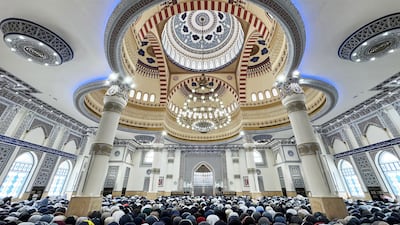
Ramadan's inaugural Friday prayers at Al Farooq Omar bin Al Khattab Mosque in Dubai. Pawan Singh / The National -
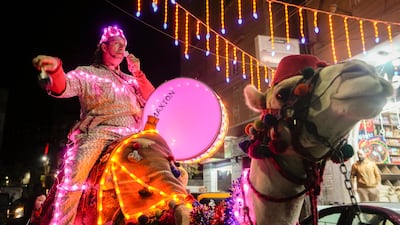
An Egyptian traditional Ramadan drummer in the city of Dikernis, about 150km north of Cairo. AP -
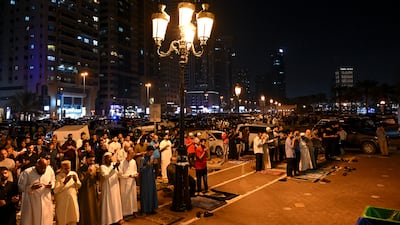
Taraweeh prayers at Al Noor Mosque in Sharjah. Ahmed Ramzan for The National -
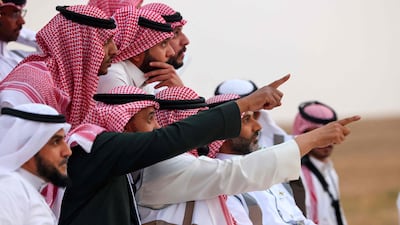
Saudis look for the Ramadan crescent moon in the southern Saudi city of Hautat Sudair. AFP


Millions of people in the Emirates and around the world will observe Ramadan, the ninth and holiest month in the Islamic calendar. The length of the month is determined by the lunar cycle. Muslims abstain from food and drink during daylight hours, with their fast allowing them to focus on faith and empathise with the less fortunate.
For many Muslims, Ramadan is an annual reset. It represents a complete change in routine, with worshippers reconsidering their priorities, increasing their piety and gathering with close friends and family. They typically also increase their charitable contributions and spend time on personal reflection.
If Ramadan begins on March 1, the final day of the holy month will either be on March 29 or 30. Ramadan will begin about three weeks before the end of spring term for many schools.
Iftar and prayer timings for Ramadan 2025
With Ramadan falling earlier on the Roman calendar every year, Muslims can expect to fast for a slightly shorter time period this year compared with last year. But the days become longer towards the end of the month.
This year, Muslims in the UAE will begin the month by fasting for about 14 hours and 13 minutes. The fasting time will steadily increase and by the end of Ramadan, the fast will last for 14 hours and 55 minutes.

