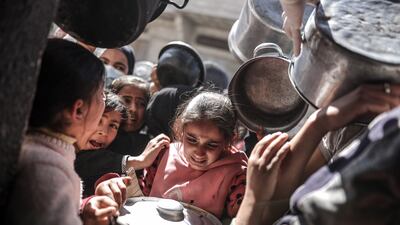
Children in Gaza are paying the “highest price” for a hunger crisis with more than 74,000 expected to suffer acute malnutrition in the coming months, according to a UN-backed analysis.
New data from the Integrated Food Security Phase Classification (IPC) estimates that 74,200 children under the age of five will require treatment for acute malnutrition by next year, with more than 11,400 severe and potentially fatal cases.
While the figures represent an improvement from the IPC's previous assessment, which projected that 101,000 children would suffer acute malnutrition in the year to October 2026, Save the Children warned the situation remains “catastrophic and devastating”.
“The latest IPC analysis must not be mistaken for a sign that Gaza's children are recovering,” said Ahmad Alhendawi, the charity's regional director for the Middle East. “It is a warning that humanitarian assistance has helped prevent an even deeper catastrophe but those gains remain dangerously fragile.”
The IPC attributed the improvement to an increase in humanitarian aid since a ceasefire between Israel and Hamas in October 2025. However, aid deliveries have declined steadily since February, with fewer food parcels and nutrition programmes.
The hunger monitor warned that recent gains remain “highly fragile” and could quickly be reversed if humanitarian access continues to deteriorate. It said acute hunger remains widespread across Gaza.
Save the Children said the latest figures remain “unacceptably high”, warning that without sustained food assistance about 90 per cent of Gaza's population could face severe hunger by the end of the year.
The IPC classifies the entire Gaza Strip as being at “crisis”, the third level on a five-point scale. It forecasts 1.4 million people will experience high levels of acute food insecurity by December.
“Children should not have to pay the price for political inaction,” Mr Alhendawi said. “Every delay in securing safe, sustained and predictable humanitarian access puts more children at risk of hunger, malnutrition and preventable illness.”