

Bahrain's King Hamad has issued a decree to pardon 1,584 inmates before Eid Al Fitr.
The announcement also coincides with the silver jubilee of the monarch's accession to the throne. The prisoners to receive pardons had all been found guilty in riot and criminal cases.
"Marking the silver jubilee of His Majesty’s accession to the throne and on the occasion of Eid Al Fitr, His Majesty King Hamad bin Isa Al Khalifa, the Supreme Commander of the Armed Forces, issued a royal decree pardoning inmates who have been convicted for riot and criminal cases," the National Communication Centre said in a statement on Monday.
The decree "aims to strike a balance between retribution and the humanitarian and social circumstances of the convicted inmates".
"It offers the opportunity for positive reintegration into society, promoting the values of human rights in line with the kingdom’s approach in this regard," the statement added.
Leaders in Gulf countries, including the UAE, traditionally issue pardons as a sign of compassion on major holidays and events, such as Ramadan and Eid Al Fitr.
King Hamad has ruled Bahrain since February 14, 2002. The Rulers of the Emirates last month sent congratulatory messages to mark the silver jubilee of his accession.
-
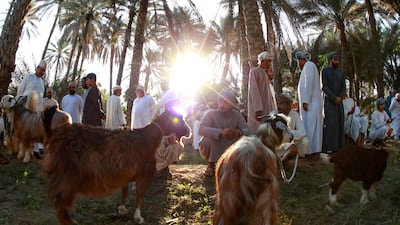
Omani livestock merchants wait for customers at a traditional pre-Eid market in the Sarur area of Al Dakhiliyah Region. AFP -
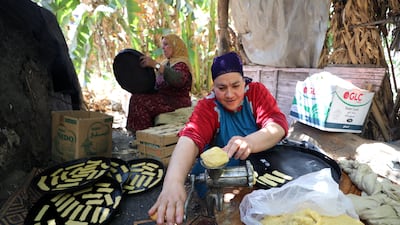
An Egyptian woman prepares bread on the outskirts of Cairo in the run-up to Eid Al Fitr EPA -

An Indonesian family prepare for their journey home for Eid Al Fitr in Denpasar, the provincial capital of Bali EPA -
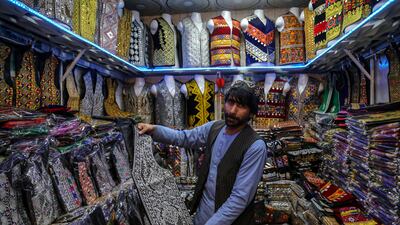
An Afghan shopkeeper arranges his traditional clothing wares in the capital Kabul. EPA -

People check out footwear at a market in Islamabad. AFP -

Passengers travelling home for Eid wait to board their buses at a bus station in Banda Aceh. AFP -
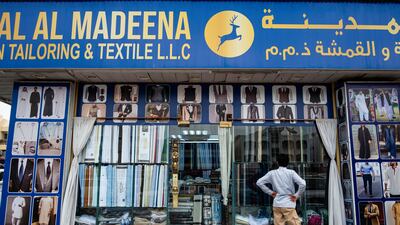
Tailoring shops in Dubai's Satwa neighbourhood come to life ahead of Eid. Antonie Robertson / The National -
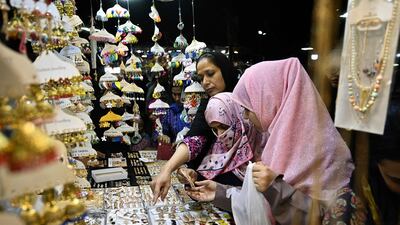
Customers select ornaments at a jewellery shop in Karachi. AFP -
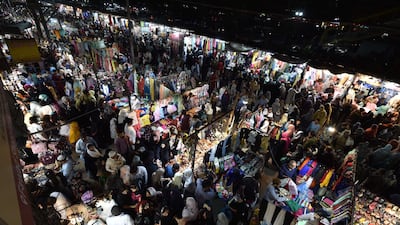
A market in Karachi teeming with Eid customers. EPA -
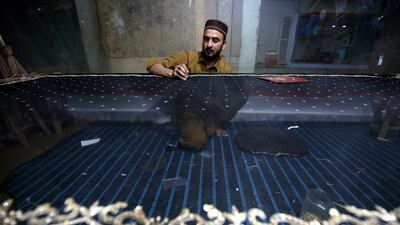
An embroiderer in Pakistan's northern city of Peshawar. EPA -
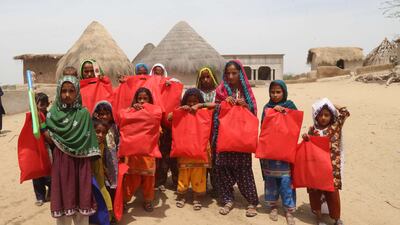
Children show Eid handouts they received from the Dua Foundation charity in Pakistan's Tharpark district. EPA -

A train filled with people returning home for the Eid holiday in Jakarta. Reuters -
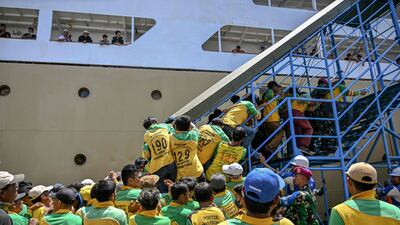
Indonesian porters jostle with each other to board a passenger ship in Surabaya. AFP -
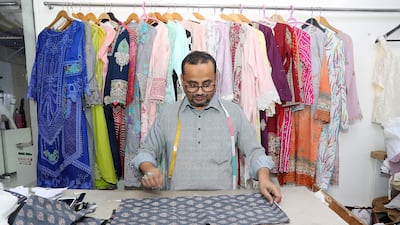
A tailor specialising in women's wear at his shop in Bur Dubai. Pawan Singh / The National



