


A secret operation has freed a 21-year-old Yazidi woman from Gaza a decade after she was kidnapped by ISIS militants in Iraq.
The operation was months in the making and involved Israel, the US and Iraq, officials said.
The Yazidis are an ancient religious minority mostly found in Iraq and Syria, which saw more than 5,000 members killed and thousands kidnapped in an ISIS campaign in 2014 that the UN has said constituted genocide.
Iraq's Yazidis wait for ISIS-abducted relatives to return - in pictures
-
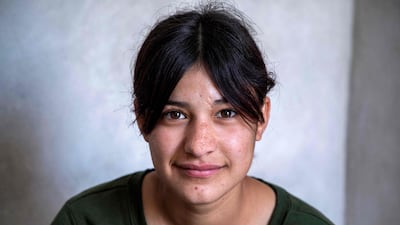
Fawziya Jasim, 16, was one of many affected when ISIS fighters swept over Mount Sinjar in August 2014. All photos: AFP -
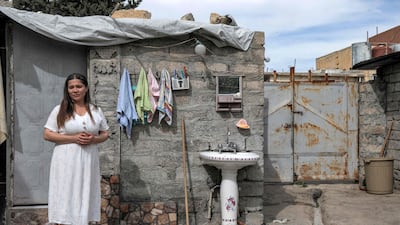
Hayam, pictured, was 17 when ISIS abducted her on August 3, 2014, along with her parents, five sisters and two brothers -
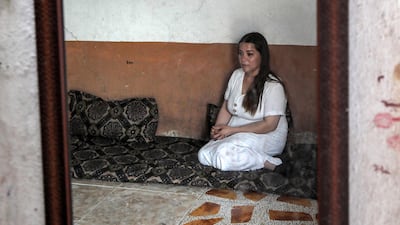
In an ISIS prison, she met Leila, a fellow Yazidi. In May 2015, Hayam was sold to a Syrian and Leila to an Iraqi -
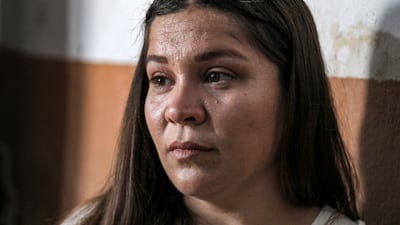
Four months later, Hayam was given to a man from Dagestan before escaping and reaching Iraqi Kurdistan after a year and a half in captivity -
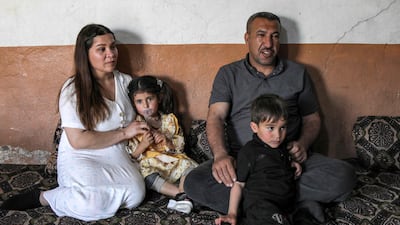
She has since married Leila's brother, Marwan, and the couple and their two children have sought asylum in Australia where Hayam has family -
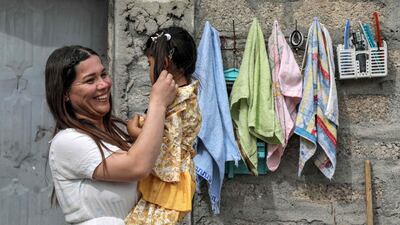
She has the word 'huriya' (freedom) tattooed on her wrist and has no intention of returning to her former home, with her family and friends no longer there -
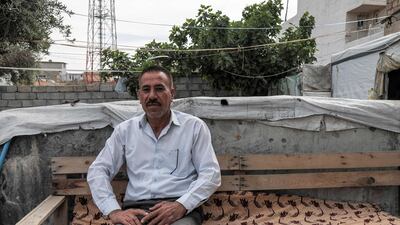
After paying nearly $100,000 in ransoms to free 10 family members, Khaled Taalou, a member of Iraq's Yazidi minority, is still working to free other relatives kidnapped by ISIS -
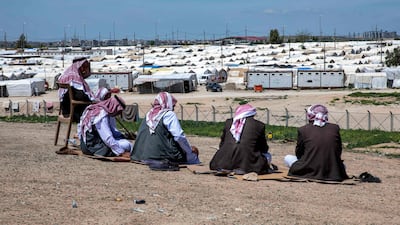
Nineteen members of Mr Taalou's family were abducted, including his brother and sister and their spouses and children -
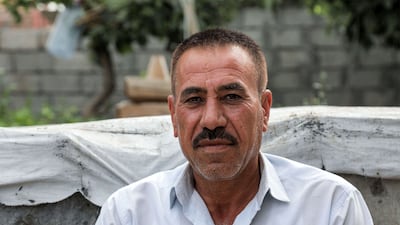
Now displaced and living in Iraqi Kurdistan, Mr Taalou said expensive releases are negotiated 'via networks of traffickers in Iraq and abroad' -
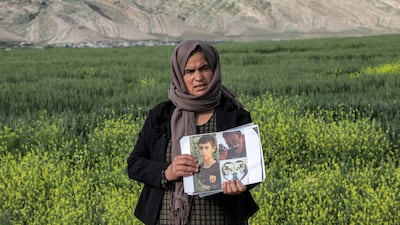
Bahar Elias was separated from her husband Jassem and their son Ahmed, who was just 19 when they were kidnapped -
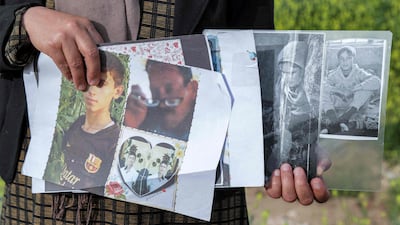
Relatives paid intermediaries $22,000 to secure the release of Bahar and her three younger sisters -
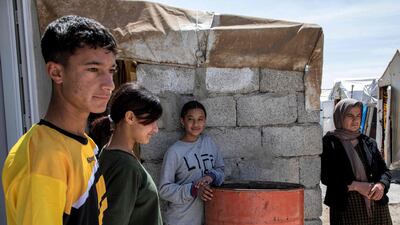
Now in a camp for displaced people, the 40-year-old said she has her 'eyes glued to the road' in the hope that her husband and son will return -
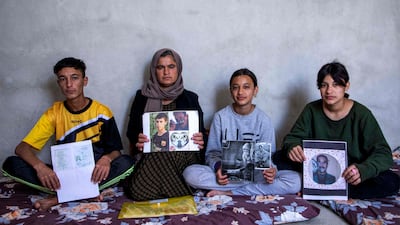
She appealed for international assistance to 'help us find a trace of our families, to find out if they are dead or alive'


The woman, identified as Fawzia Sido, was freed after more than four months of efforts that involved several failed attempts to the difficult security situation during Israel's military offensive in Gaza, Silwan Sinjaree, chief of staff of Iraq's foreign minister, told Reuters.
Reuters could not reach the woman directly for comment, with Iraqi officials saying she was resting after having been reunited with her family in northern Iraq.
Iraqi officials had been in contact with the woman for months and passed on her information to US officials, who arranged for her exit from Gaza with the help of Israel, according to a source. Iraq and Israel do not have any diplomatic ties.
The Israeli military said it had co-ordinated with the US embassy and "other international actors" in the operation to free Ms Sido.
It said in a statement her captor had been killed during the Israel-Hamas war, presumably by an Israeli strike, and she then fled to a hideout inside the Gaza Strip.
"In a complex operation co-ordinated between Israel, the United States and other international actors, she was recently rescued in a secret mission from the Gaza Strip through the Kerem Shalom [Karam Abu Salem] crossing," it said.
Drought in Iraq reveals Yazidi shrine, cemetery and school - in pictures
-

The ruins of Khanki Primary School, submerged about 40 years ago, have appeared after water levels at Iraq's biggest dam fell. All photos: Ismael Adnan for The National -

A Yazidi man travels by boat on the receding waters of the dam in northern Iraq -

Sheikh Bazid's cemetery in Khanki village also reappeared after water levels hit 40-year lows -

Hamza Eido is the mukhtar, or head, of the new Khanki village -

Mr Eido visits Khanki Primary School, which is now accessible as climate change has reduced the dam's water levels -

The ruins reappeared last month for the second time since they were covered by the dam’s waters in 1985 -

Iraq's climate and water supply problems are bringing to light some of the Kurdish region's historical landmarks -

A grave at Sheikh Bazid's cemetery, which dates back more than a thousand years -

The cemetery used to have more than a thousand graves but only 400 remain -

Mr Eido, the village head, pauses by a memorial stone at the cemetery -

A replica of the Yazidi shrine of Sheikh Bazid in Khanki village. The shrine was built in 1985, after the village was submerged by the dam's waters


After entering Israel, Ms Sido continued on to Jordan through the Allenby Bridge crossing, and from there returned to her family in Iraq, the military said.
A State Department representative said the US on Tuesday "helped to safely evacuate from Gaza a young Yazidi woman to be reunited with her family in Iraq".
The representative said she was kidnapped from her home in Iraq aged 11 and sold and trafficked to Gaza. Her captor was recently killed, allowing her to escape and seek repatriation.
Mr Sinjaree said Ms Sido was in good physical condition but was traumatised by her time in captivity and by the dire humanitarian situation in Gaza.
Iraqi Prime Minister Mohammed Shia Al Sudani had directly followed up on the issue with US officials on the sidelines of the UN General Assembly in New York last month, according to Khalaf Sinjar, his adviser for Yazidi affairs.
More than 6,000 Yazidis were captured by ISIS militants from Sinjar region in Iraq in 2014, with many sold into sexual slavery or trained as child soldiers and taken across borders, including to Syria.
Over the years, more than 3,500 have been rescued or freed, according to Iraqi authorities, with about 2,600 still missing.
Many are feared dead but Yazidi activists say they believe hundreds are still alive.

