



The Miss Lebanon pageant has returned to TVs around the country for the first time in three years.
Veteran Miss Lebanon Maya Reaidy’s reign finally came to an end on Sunday evening with the crowning of the 2022 Miss Lebanon, Yasmina Zaytoun.
It was the first Miss Lebanon pageant to take place since 2018.
Lebanon has been thrown from crisis to crisis, with an economic collapse that began in October 2019 followed closely and compounded by the global Covid-19 pandemic.
And in 2020, a massive explosion in Beirut’s port killed more than 200 people and destroyed a large part of the city.
The prolonged economic crisis has brought a breakdown in basic services such as electricity and water, and chronic shortages of wheat and medicine.
Journalism student Yasmina Zaytoun, 20, from Kfarchouba, won the modified title of "We Miss Lebanon", a nod to Lebanon’s prolonged adversity.
Seventeen women from around Lebanon competed for a grand prize of $100,000 and the chance to compete in pageant competitions Miss World and Miss Universe.
Notable among them was Congolese-Lebanese Dalal Hoballah, who came in fourth place and whose run as a contestant made waves on social media.
When asked by one of the judges what cause she would champion, she answered, “There is beauty in diversity.”
Ms Hoballah was the only racially diverse contestant.
-
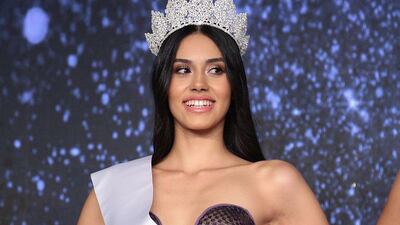
Miss Universe Turkey 2022 is Aleyana Sirin. Photo: Instagram / Aleyanasirinn -
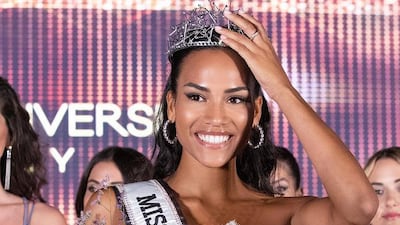
Miss Universe Italy 2022 is Virginia Stablum. Photo: / Instagram / Virginia.Stablum -
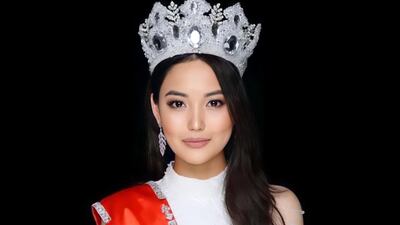
Miss Universe Kyrgyzstan 2022 is Altynai Botoyarova. Photo: Instagram / botoyarova_altynai -

Evlin Khalifa, 24, is the second Miss Universe Bahrain. Photo: Miss Universe Bahrain -

Miss Universe Spain, Alicia Faubel, comes from Alicante and has lived in Dubai and the Philippines. Photo: Instagram / alicia.aliccia -
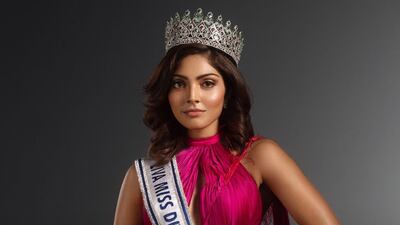
Divita Rai, 23, winner of India's Miss Diva Universe 2022. Photo: Miss Diva -
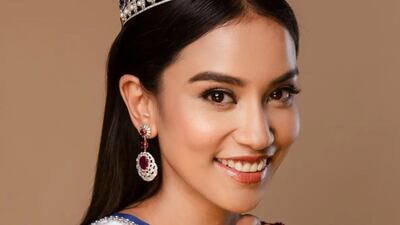
Sophiya Bhujel was crowned Oriflame Miss Universe Nepal 2022. Photo: Miss Universe Nepal -
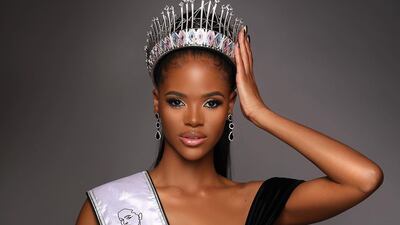
Ndavi Nokeri, winner of Miss Universe South Africa 2022. Photo: Miss South Africa -
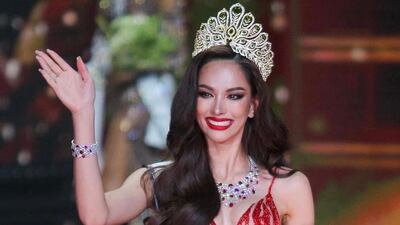
Anna Sueangam-iam was named Miss Universe Thailand 2022. Photo: Miss Universe -

Balsam Hussein when she was declared Miss Iraq 2022. Azhar Al-Rubaie for The National -
Yasmina Zaytoun after being crowned Miss Lebanon 2022 at Forum De Beirut. EPA -
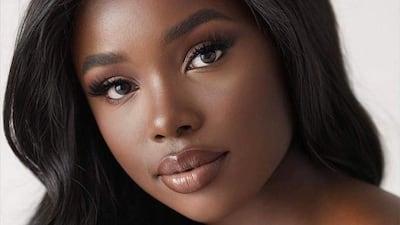
Noky Simbani was crowned Miss Universe Great Britain 2022. Photo: Instagram / Miss Universe Great Britain -

Miss Ukraine 2022 is Viktoria Apanasenko, first runner-up from last year's contest. There was no pageant held this year owing to the war in the country. Photo: Instagram / Viktoria Apanasenko -

Nguyen Thi Ngoc Chau has been named Miss Universe Vietnam 2022. Photo: Facebook / Nguyen Thi Ngoc Chau -
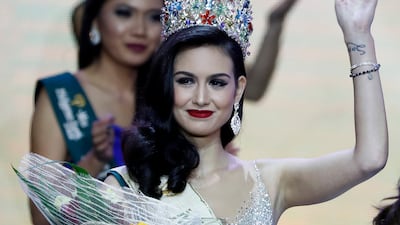
Filipino-Italian beauty queen Celeste Cortesi was crowned Miss Universe Philippines 2022 in Manila. EPA-EFE -

Bhutan is marking its pageant debut this year and Tashi Choden is the country's first beauty queen. Photo: Tashi Choden -
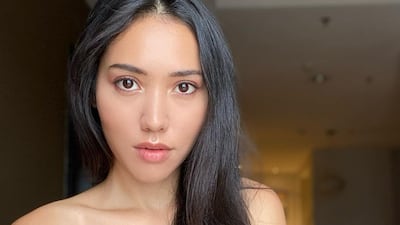
Laksmi Suardana took the Puteri Indonesia 2022 crown, becoming the first contestant from Bali to enter Miss Universe. Photo: Laksmi Shari De Neefe Suardana -
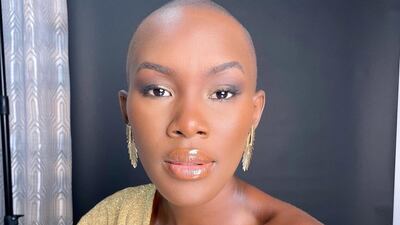
Miss Universe Ghana 2022 Engracia Afua K Mofuman was one of the first women to be crowned in 2022, in order to compete in the 71st Miss Universe pageant. Photo: Engracia Mofuman -

Hanna Kim, from Seoul, will represent South Korea in the next Miss Universe pageant. Photo: Hanna Ming -
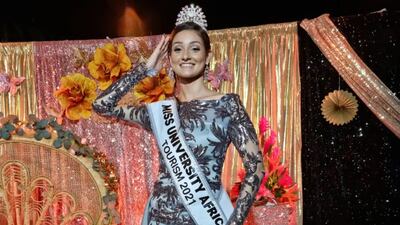
The first and last time the Seychelles competed in Miss Universe was 1995 and so, after that 27-year hiatus, Gabriella Gonthier, from Mahe, will be representing her home country. Photo: Gabriella Gonthier/ Miss University Africa -
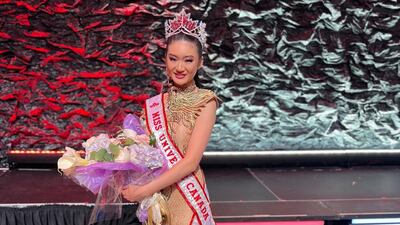
Amelia Tu, from Vancouver, winner of Miss Universe Canada 2022. Photo: Miss Universe Canada -
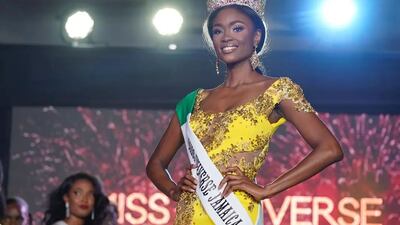
Miss Universe Jamaica 2022, Toshami Calvin, 26, is the cousin of Miss World 2019 Toni-Ann Singh. Photo: Instagram / officialmissuniversejamaica


The We Miss Lebanon event was held in collaboration with Lebanon’s Ministry of Tourism.
The ministry has in recent months encouraged tourism to the country – specifically from the sprawling Lebanese diaspora – to try to restart the economy.
The event was coloured by a touch of nostalgia and longing for a return to normality for the struggling nation.
Third-placed Jacinta Rashed told judges Lebanon’s economic hardships had caused her to migrate to Italy.
“But I’ll return to my village. That’s a promise,” Ms Rashed told judges.
Those watching on TV probably related to fourth-placed Lara Hraoui’s story:
“We couldn't get the medicine for my dad, nor could we get our money out of the bank to get his medical care,” she said. “Despite everything, my dad lived.”
Ms Hraoui was referring to the chronic medicine shortages plaguing Lebanon, and the capital controls imposed by Lebanese commercial banks, which have stopped depositors withdrawing the full value of their savings since 2019.
“My father is like Lebanon. Although death came for him, he returned to life.”

