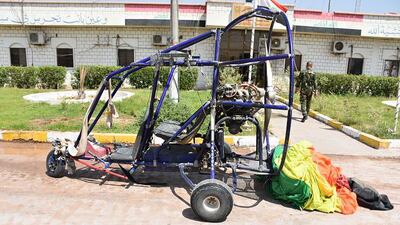
Iraqi police intercepted a glider on Friday carrying about one million Captagon pills near the southern port city of Basra.
The synthetic drug has become a major problem for security forces and customs agents across the region.
Iraq’s Federal Investigations and Intelligence Agency said it had received information that a "home-made gyroplane" was flying over a border area in the southern province of Basra.

After spotting the suspicious aircraft, border security forces fired warning shots to force it to land. A manhunt has been launched to find the suspect.
“The area was combed and shots were fired, forcing the pilot to lower and flee towards the border strip of one of the neighbouring countries,” an agency statement read.
A spokesperson's account for the Iraqi security forces later praised "the victories and achievements to strike organised crime gangs of drug traffickers and smugglers."
Iraq has struggled to contain drug-smuggling from neighbouring Iran and to control the trade of home-made substances such as crystal meth, a drug whose side effects include violent behaviour and paranoia.
Iraqi security forces last month said they had broken up a drug-trafficking ring, seized more than six million Captagon pills and made several arrests.
-
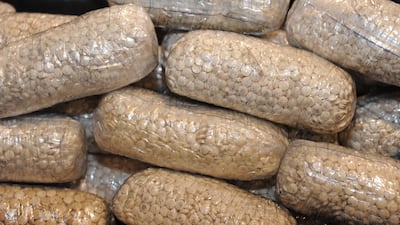
According to the United Nations Office on Drugs and Crime, trafficking in amphetamines has increased in the Middle East in recent years. Photo: Dubai Customs -
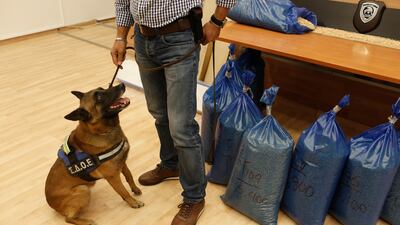
Specially trained K-9 units are often used by border forces to intercept shipments. EPA -
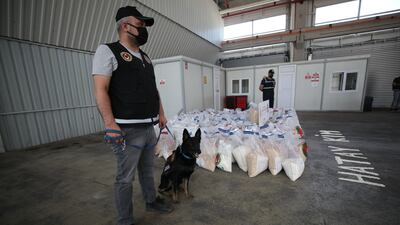
Experts believe the amount intercepted accounts for only around a tenth of the total quantity of pills being smuggled out of places like Syria and Jordan. EPA -
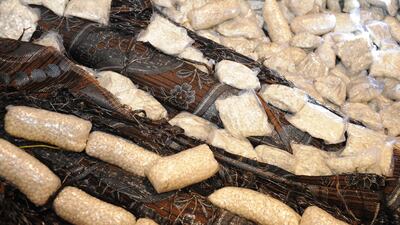
Dubai Customs thwarted 398 attempts to smuggle drugs into the city in the first three months of this year. Photo: Dubai Customs -
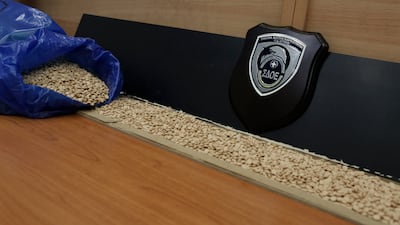
Captagon pills on display after being seized in Greece in 2019. EPA -
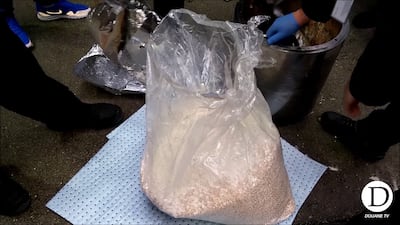
Captagon became synonymous with the Syrian Civil War. AFP -
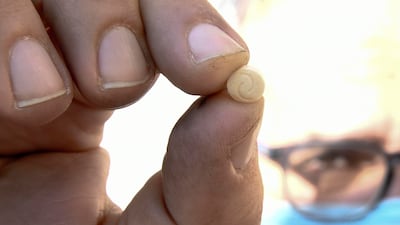
The small, off-white pills have quickly become one of the most widely consumed drugs in the Middle East. EPA -

Millions of Captagon pills are seized around the world each year. EPA -
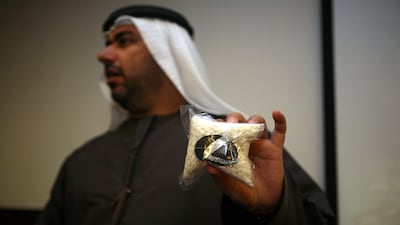
Captagon pills on display after a major interception of a shipment in 2009. Nicole Hill / The National -
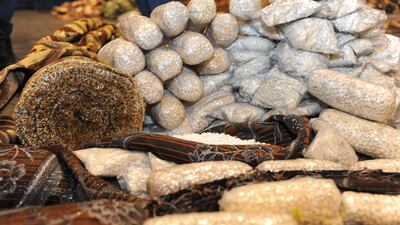
Customs officers say Captagon smugglers prefer to use sea ports rather than airports because of the size of shipping containers, enabling them to conceal larger quantities of drugs. Photo: Dubai Customs


The drug crisis has become a public health emergency and the government is considering forming a specialist counter narcotics police unit to control the epidemic.
Drugs such as Captagon had been endemic to southern and central Iraq but in recent months large batches have been intercepted on the border with Syria, which has become a production centre of the substance.

