

Persistent water scarcity and drought in Iraq are likely to devastate the coming harvest, a leading aid agency warned on Thursday.
The Norwegian Refugee Council said one in two families in drought-affected regions required food assistance due to drought, while one in five do not have enough to feed everyone in the family.
The crisis threatens to drive migration to cities and increase economic hardship.
-
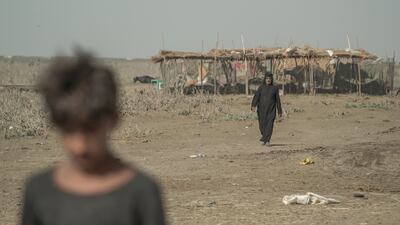
Raheem Noor Dawood and his son at home in the Chabayech Marshes in southern Iraq. Haider Husseini for The National -
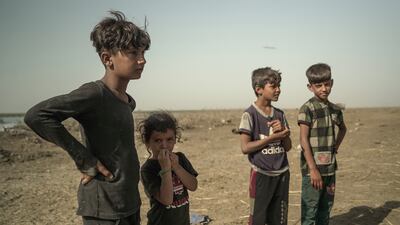
Mr Dawood's children and grandchildren stand in the oasis in the middle of the desert. Haider Husseini for The National -
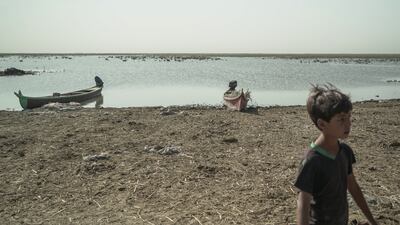
Drinking water is sourced from the centre of the marshes. Haider Husseini for The National -
Iraq's 2020-2021 rainfall season was the second driest in 40 years, the UN says. Sabah Thamer Al Baher is struggling to feed his animals as a result. Reuters -
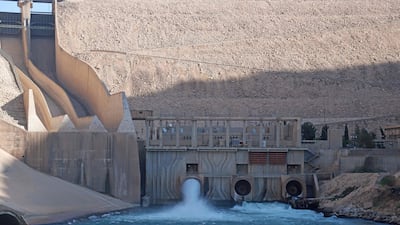
Darbandikhan Dam's water level has fallen by 7. 5 metres in only one year. AFP -
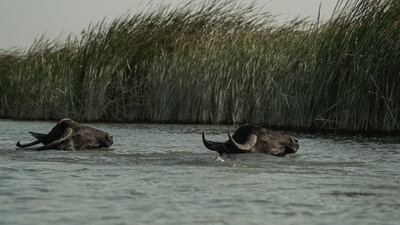
The Chabayech Marshes are a vital water source. Haider Husseini for The National -
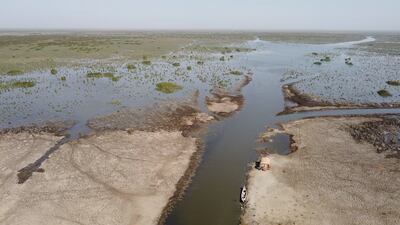
Low water levels are evident. Haider Husseini for The National -
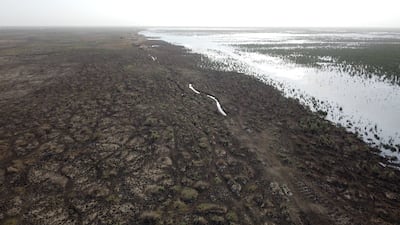
What was once a healthy water supply is shrinking fast. Haider Husseini for The National -
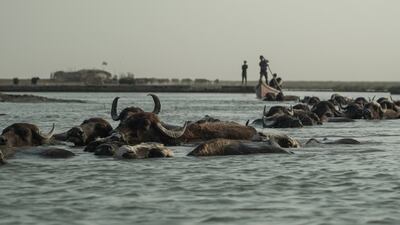
Water buffalo swim in the Chabayech Marshes. Haider Husseini for The National -
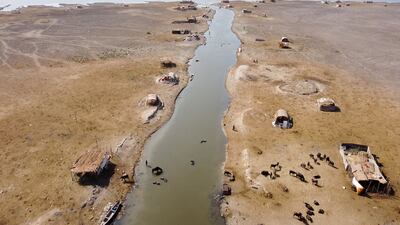
This aerial view shows the dry parts of the marshes. Haider Husseini for The National -
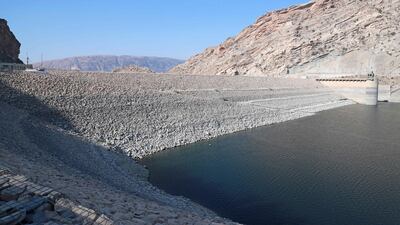
Iraqi officials have said the drastic drop in water levels is due to low rainfall and dam-building in neighbouring Iran. AFP -
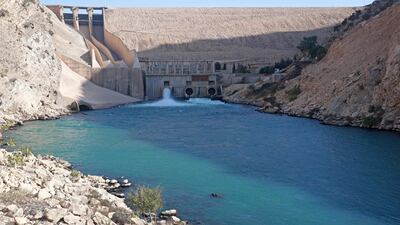
The Sirwan River begins in Iran, flowing to Darbandikhan Dam in north-eastern Iraq before going through the rural province of Diyala and joining the Tigris. AFP


“Families are telling us they have to borrow money to eat amid soaring prices and dwindling savings,” said NRC’s Head of Programmes in Iraq, Maithree Abeyrathna.
“They say their only source of living is vanishing in front of their eyes. Their lands are drying up and there is nothing they can do about it.
“This is all rooted in a water shortage crisis.”
The agency surveyed 2,806 households in seven provinces across Iraq, Duhok, Nineveh and Kirkuk in the north, Anbar and Salahuddin in the central area, and Basra and Thi Qar in the south.
It found that 37 per cent of wheat farmers and 30 per cent of barley farmers had suffered crop failure of at least 90 per cent of their expected harvest.

Insufficient water and inadequate feed or disease over the past six months led to the loss of 37 per cent of their cattle, which pushed the average monthly income in six out of seven provinces surveyed below the monthly survival threshold.
Many people are seeking better chances in cities. In the past 30 days, a family member of one in 15 households surveyed had migrated.
“Many of those had been in displacement at least once before, or had just returned home,” the agency said.
Forty-five per cent of people aged 15 to 24 had left their areas, while 38 per cent had lost a job.
“The outlook for 2022 is worrying,” NRC said. “This may increase families’ reliance on purchased water as well as poor hygiene practices, which could lead to disease outbreaks.”
It appealed for international assistance and climate-change mitigation strategies by the government.
“We want to see solid water management plans to support communities badly hit and prevent future shocks, and these plans must be informed by farmers themselves,” the agency said.
Iraq has been suffering from water shortages in its two main sources, the Tigris and Euphrates rivers, as well as insufficient rains and high temperatures.

Water levels in the rivers have dropped noticeably in recent years, partly as a result of dams built upstream by Turkey and on their tributaries by Iran.
The water flow rate in both rivers is half of what it was at this time last year.
Early this month, the country’s Water Resources Ministry said both rivers could run dry by 2040 because of declining water levels and climate change.
Amid the crippling water shortage, Iraq decided to halve its cultivation area for winter crops this year.

