

Egyptian prosecutors have ordered the arrest of three people after thousands of unused Covid-19 vaccines were found dumped along a water channel.
An inventory found nearly 5,000 more packages had been lost from the depot because of storage at improper temperatures, a prosecution statement said on Sunday. The vaccines that were dumped went missing after being given by an authorised pharmacist to the driver of a Health Ministry vehicle to deliver to the Minya directorate, the prosecution said.
It did not give the number of doses or type of vaccine, but an earlier official statement said they were made by China's Sinopharm.
The vaccines had been allocated to the health directorate in the city of Minya, about 220 kilometres south of Cairo, where 18,400 vaccine packages with a value of more than 5 million Egyptian pounds ($319,000) were found to be missing.
Images posted on social media showed piles of white boxes scattered along the water channel's banks in Bani Mazar province, north of Minya.
Initial investigations held the pharmacist and an official at the directorate's depot responsible for gross negligence, and they were ordered to be detained for investigations along with the driver after giving conflicting accounts, the statement said.
Egypt is aiming to vaccinate 40 million of its population of more than 100 million by the end of the year, but has struggled to ramp up its vaccination rate amid delays in supplies and some vaccine hesitancy.
-
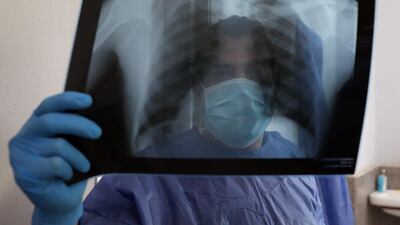
Medical personnel checks an X-ray at the Imbaba Fevers Hospital in Cairo. EPA -
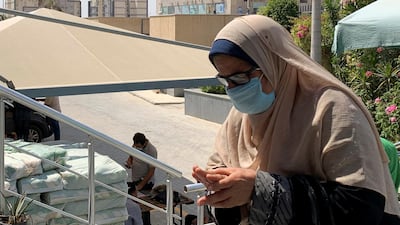
A woman wears a protective face mask, amid concerns over the coronavirus disease in Cairo, Egypt. Reuters -
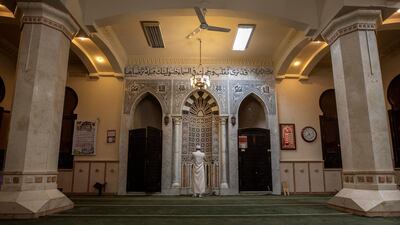
An Imam makes the Adaan call to prayer inside an empty mosque after the government banned all religious activities due to the coronavirus outbreak in Cairo. AP -
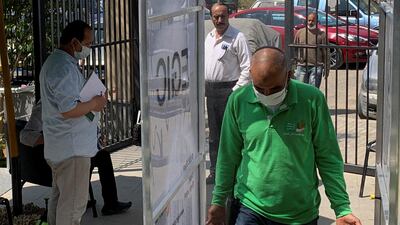
A man wears a protective face mask while walking through a sanitizing gate in Cairo. Reuters -
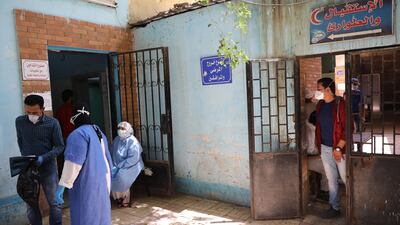
People at the Imbaba Fevers Hospital in Cairo, Egypt. EPA -
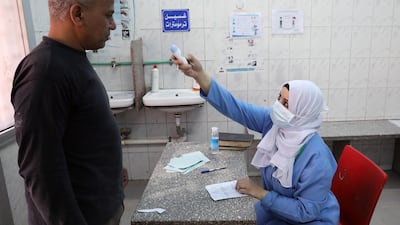
Medical personnel check the body temperature of a man at the Imbaba Fevers Hospital in Cairo. EPA -
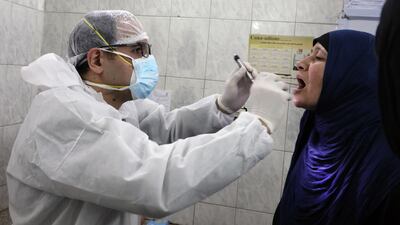
A doctor checks a patient at the Imbaba Fevers Hospital in Cairo. EPA -
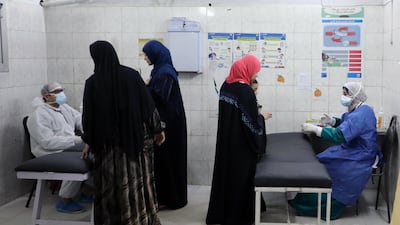
Medical personnel with patients at the Imbaba Fevers Hospital in Cairo. EPA -
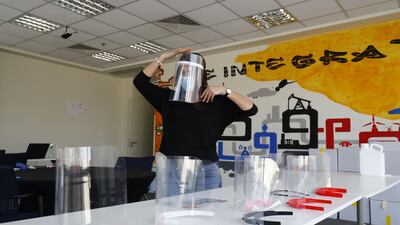
Aya Dessouky, public relations specialist at the Giza Systems Education Foundation, packs a newly-fabricated protective face shield before sending it for use by medical professionals treating Covid-19 coronavirus patients. AFP -
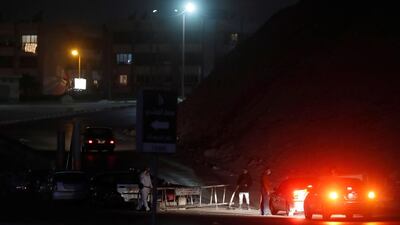
A police checkpoint at the area of the Cairo suburb of Maadi during a night-time curfew to contain the spread of the coronavirus. Reuters -
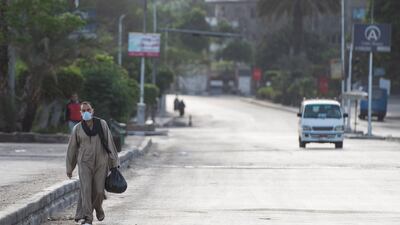
A man wearing a protective face mask walks in street in Cairo. EPA -
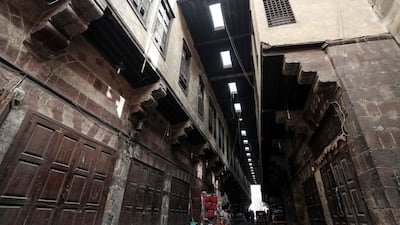
Closed shops along Khayamiya Street in the old city of the Egyptian capital Cairo, almost empty due to the Covid-19 coronavirus pandemic. AFP -

A member of the medical staff at the infectious diseases unit of the Imbaba hospital in Cairo. AFP -
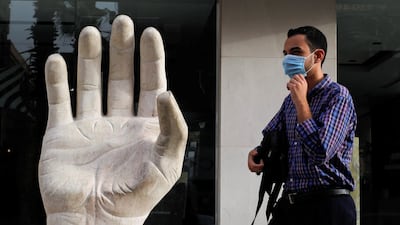
A man wearing a protective face mask walks near a granite symbol hand of peace, amid concerns over the coronavirus disease. Reuters -
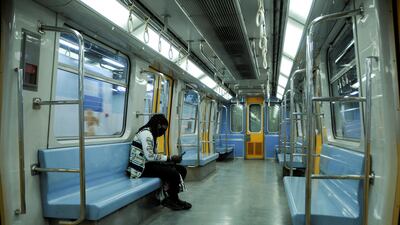
A woman wearing a protective face mask sits inside an empty metro train, as she travels on a line Shubra Al Khaimah to Tahrir Square. Reuters -
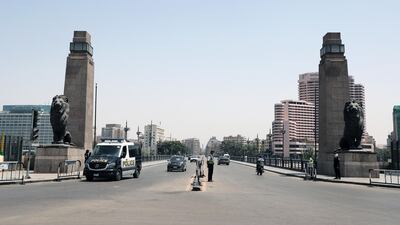
Egyptian policemen patrol the Qasr Nile bridge to ensure people abiding by restrictions during the national holiday of Sham El-Nessim. EPA -
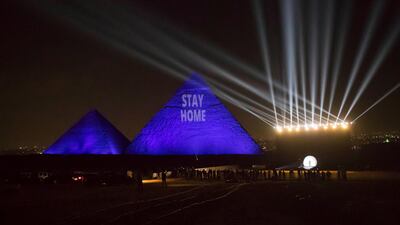
The Great pyramids lighten-up with blue light and reading with a laser projection the message "Stay Home" on the Giza plateau outside the Egyptian capital of Cairo. AFP -
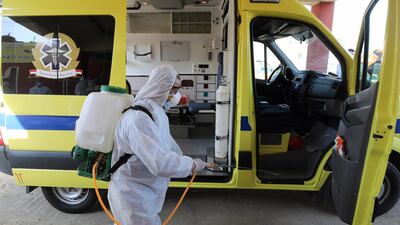
A medical worker disinfects an ambulance which transported a possible patient with coronavirus Covid-19 at fever hospital in Embaba district. EPA


Meanwhile, most countries in the Middle East reported a fall in the number of coronavirus cases and deaths in recent weeks, the World Health Organisation said last month.
However, Egypt, Palestine, Somalia, Syria and Yemen are reporting surges in coronavirus cases and deaths.
Case numbers declined by 16 per cent and deaths by 8 per cent in the WHO's Eastern Mediterranean region, which has a population of about 679 million.

