


Etihad Arena regularly hosts concerts, sporting events and musicals in Abu Dhabi. It is now gearing up for its winter season with a packed schedule of shows and performances over the coming months.
The 18,000-capacity venue will host acts such as Imagine Dragons, Sting and BlackPink as well as comedians Kevin Hart, Mo Amer and Kevin Bridges. In May, it will be the spot for Bollywood’s International Indian Film Academy Awards for the second straight year.
So, whether you're going to a concert, sporting event or children's show, here’s everything you need to know about Etihad Arena.
How to get to Etihad Arena?
The fastest way to reach Etihad Arena is by driving, with taxis and Careem or Uber other options.
The drive from Abu Dhabi’s city centre to the venue is around 25 minutes; from Downtown Dubai it is about one hour and 15 minutes and from Jebel Ali it is about 45 or 50 minutes. However, the timing can vary based on traffic.
Bus routes are also available, which are the cheapest option but will take more time to reach.
The Abu Dhabi bus terminal is next to Al Wahda Mall, while those in Dubai can use Al Gubaiba or Jebel Ali bus station to reach Abu Dhabi before making another bus transfer to Yas Island.
Where can I park?
According to Etihad Arena’s website, there are a couple of parking areas for those who are driving. There’s the waterfront Parking 1 or outdoor pier parking, which is about a seven-minute walk. However, sometimes this can fill up. There’s also underground parking available that has direct access to the venue as well as Hilton Abu Dhabi Yas Island. Parking is free and there is also the option to use valet.
How much time is needed before an event?
There is usually traffic before an event so give yourself plenty of time to travel the venue. In addition to looking for parking, it’s best to leave at least two hours before the start of an event to get to the arena on time depending on where you are coming from.
What are the food options?
Food can be ordered from the concession stands located inside Etihad Arena. Expect offerings such as hot dogs, nachos, popcorn, burgers and fries.
There are also two fully-licensed public lounges on the mezzanine floor as well as additional bars located on the ground floor, main concourse and upper concourse. The concessions and bars are cashless so only cards, Apple Pay and Google Pay are accepted.
If you have more time, there are plenty of dining options at nearby Yas Bay to check out.
What can I do around Etihad Arena?
The arena is located near Yas Bay and there’s plenty happening on the three-kilometre boardwalk including restaurants, cafes and even a gym and beach club. There’s also Pier71, which has a number of restaurants and bars.
If you want something else to do, there are outdoor public art installations to check out including works by Beastman, Fatspatrol, MonkeyBird, SupaKitch and four works of Astrocats by CoolrainLabo.
If you want to stay overnight, the five-star Hilton Abu Dhabi Yas Bay is located within walking distance of the arena, opposite Pier71.
-
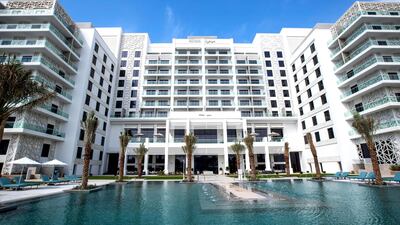
The new Hilton Abu Dhabi Yas Island at Yas Bay in Abu Dhabi. All photos by Victor Besa / The National -
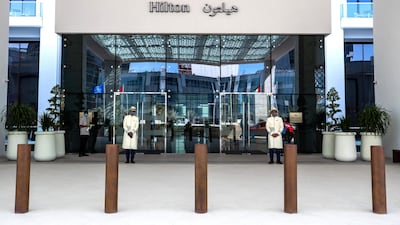
Hilton Abu Dhabi Yas Island is the first hotel to open at Yas Bay. -
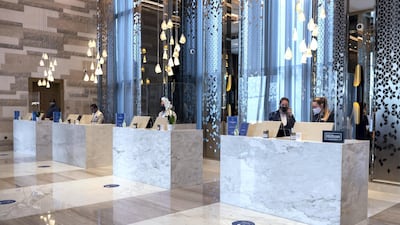
The entrance lobby at the newly opened Hilton Yas Island Abu Dhabi. -
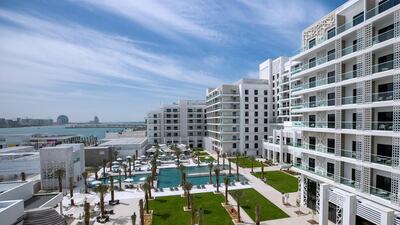
The luxury resort has 545 guestrooms, including 59 suites. -
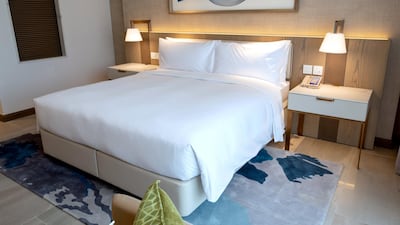
Rooms have an ocean-inspired color scheme and ocean, bay or pool views. -
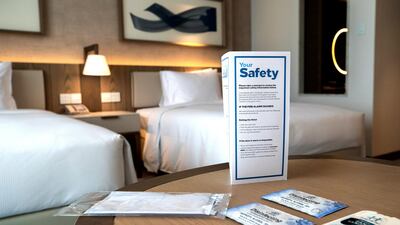
Safety is a priority at the new five-star family resort. -

Osmo Lounge and Bar serves afternoon tea, coffee, snacks and sundowners. It also has a lovely terrace option. -
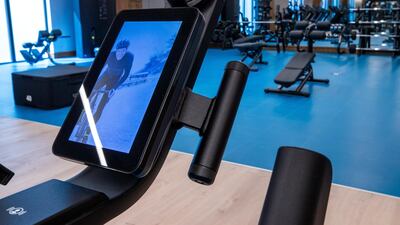
The hotel's fully equipped fitness suite. -
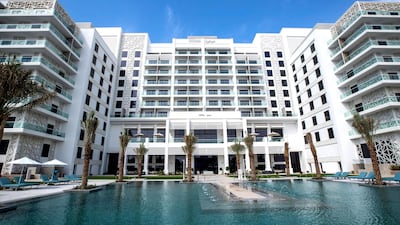
The hotel makes the most of its waterfront location. -
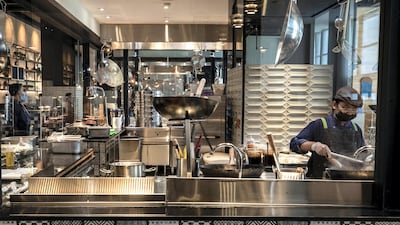
Live cooking stations at Graphos Social Kitchen allow a level of interaction and theatre, in a socially distanced manner. -
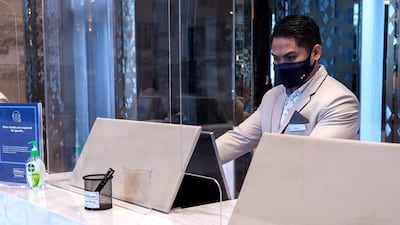
Socially distanced check-in with compulsory face masks, protective screens and a hand-sanitising station. -

Chefs at Graphos Social Kitchen, the upmarket food-hall style all-day dining restaurant. -
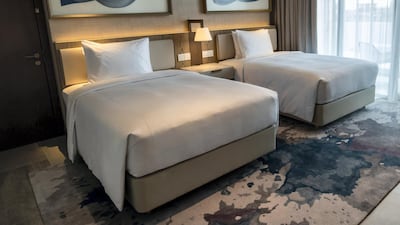
Rooms have some clever design features including sliding doors and concealed wardrobes. -
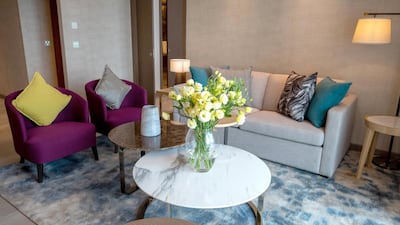
Suites have a lounge, pull-out sofa bed and full-sized dining table creating a home from home. -
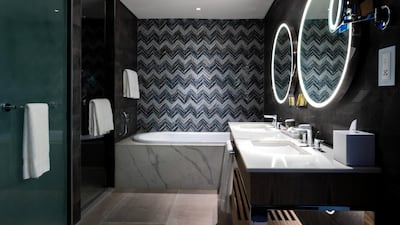
The sleek modern design carries through to the bathrooms. -
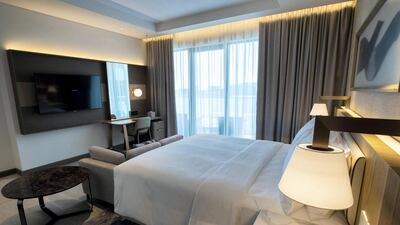
More than half of the rooms at the new Hilton Abu Dhabi Yas Island have balconies. -
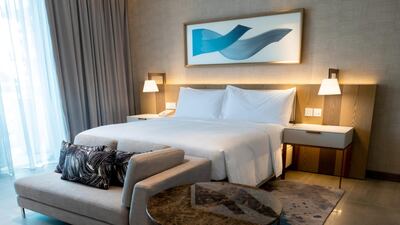
A deluxe two-bedroom suite at the new Hilton Abu Dhabi Yas Island.


Other information to know
Green pass on Al Hosn is no longer required and wearing face masks inside is optional. There are no storage areas at the venue and bags larger than 30cm x 30cm x 5cm as well as strollers are not allowed. Hand sanitisers are available at various points throughout the arena.

