
Seven years after the Rana Plaza complex collapsed in Dhaka, Bangladesh, killing more than 1,100 garment workers and injuring 2,000 others, the fashion industry has made minimal progress when it comes to transparency.
That's according to the fifth annual transparency index from advocacy group Fashion Revolution, which has ranked 250 of the world's biggest brands according to how much information they disclose about their social and environmental policies, practices and outcomes.

The organisation unveiled its latest report on Tuesday, naming Max Mara, Pepe Jeans and Tom Ford as some of the least transparent fashion brands when it comes to providing information about their supply chains. They were among 10 brands that scored zero points when judged on 220 indicators, including working conditions, living wages, forced labour, supplier disclosure and buying practices.
H&M, C&A, Adidas, Reebok and Esprit topped the index.
On average, the brands measured in the index scored 23 per cent, up only 2 percentage points from last year. The report ascertained that fashion brands continue to disclose more about their policies than how they actually put them into practice, with comparatively little information shared about outcomes or progress made to improve their supply chains.
“In the midst of this global pandemic, the need for citizens to hold brands and retailers to account is more pressing than ever before,” says Carry Somers, co-founder and global operations director of Fashion Revolution. "Over the past weeks, we have seen the devastating impact of brands’ buying practices on some of the most vulnerable workers overseas.
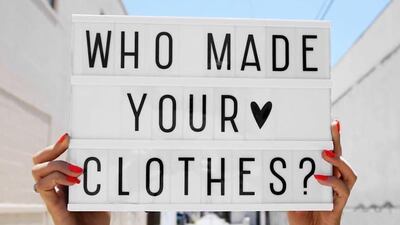
“Now, more than ever, we need to keep asking #whomademyclothes and hold these brands, many of whom have made immense profits in recent years, to account for their actions."

As part of its Fashion Revolution Week, which is running online until April 26, the group is also hosting Fashion Question Time, in partnership with London's Victoria and Albert Museum, on April 24.
Under the theme 'Mass Consumption: The End of an Era', the organisation will place a spotlight on the millions of supply-chain workers who have already lost their jobs as a result of the current crisis.
As major brands and retailers shut up shop and cancel supplier payments and orders, few are taking into account the workers in their supply chains, who, Fashion Revolution points out, mostly lack sick pay, paid leave and adequate health care, and have no savings to fall back on.
“It has never been more important to demand accountability and radical transparency from the brands we buy from, and to change our own consumption habits from excessive to efficient,” says Orsola de Castro, co-founder and creative director of Fashion Revolution.
“We hope that people all over the world will stay with us this Fashion Revolution Week, and activate with us to ask for empathy and respect: empathy for the people who make our clothes and respect for the planet we all share.”

