


Frequent colds and other illnesses may have protected children from the worst effects of Covid-19, a new study has found.
The coronavirus that causes Covid-19 tends to cause less severe symptoms in children than in adults, resulting in fewer deaths and less need for hospital treatment among the young.
The reason for that is not fully understood, so scientists tried to find clues about why by analysing nasal swabs taken from children during the pandemic, searching for illness and signs of how active their immune systems were at the time.
They found that many children were infected with respiratory illnesses other than SARS-CoV-2.
This was especially true of younger children, with viruses or infection-causing bacteria detected in about 50 per cent of asymptomatic patients less than five years old.
In almost every case, the child’s innate immune activity was higher when they were infected and lower when they were virus-free.
“This reveals that nasal antiviral defences are not continually on high alert in young children but are activated in response to acquisition of a respiratory virus, even when that virus is not causing symptoms,” said Ellen F Foxman, associate professor of Laboratory Medicine and Immunobiology at Yale School of Medicine and the senior author of the new JEM study.
The immune system develops over a lifetime.
Children have a stronger “innate” immune system, which is more adaptive at responding to dangerous viruses or bacteria, whereas in adults, the immune system tends to rely more on memory of infections to respond to threats from antibodies.
Another difference lies in the production of a type of protein called interferons, which have a strong antiviral activity that trigger other immune responses.
UK Covid-19 inquiry begins – in pictures
-

Members of the Covid-19 Bereaved Families for Justice group hold photos of relatives who died during the pandemic, as they demonstrate outside the venue of the UK Covid-19 inquiry, Dorland House in West London. AFP -

Aamer Anwar (centre), lead solicitor for the Scottish Covid Bereaved group, speaks to the media outside Dorland House. PA -

Members of the Covid-19 Bereaved Families for Justice become emotional. AFP -

The inquiry into the UK government's handling of the coronavirus pandemic started on Tuesday. AFP -

A sign put in place outside the venue for the inquiry. AFP -
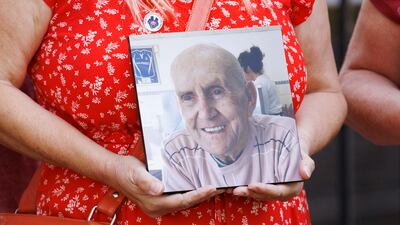
People hold pictures of loved ones lost during the pandemic. PA


Healthy children produce more proteins called interferons compared to adults, which kill infected cells more quickly and prevent the infection from spreading.
“Prior work suggested that heightened nasal innate immunity in children was due to intrinsic biological mechanisms inherent to their age.
“But we thought it could also be due to the high burden of respiratory viruses and bacterial infections in children.”
To test the theory, the researchers studied more than 600 nasal swabs taken during the pandemic from paediatric patients about to undergo surgery or evaluation by the accident and emergency department.
Initially tested only for the presence of SARS-CoV-2, the researchers re-screened the samples for 19 different respiratory viruses and bacteria, as well as measuring the levels of antiviral and inflammatory proteins produced by the innate immune system.
More than half of the children tested positive for a respiratory virus on one of their two visits to the doctor, with innate immune activity higher at the time they were infected.
Taken together, the study’s results indicate that the innate immune system is often highly activated in the nasal passages of children because they are frequently infected with relatively benign pathogens, such as the rhinoviruses responsible for the common cold, she said.
And because SARS-CoV-2 was a new virus to the human population, neither adults nor children had prior protection to it when the pandemic began.
In this situation, the activation of generalised antiviral defences in children by other infections may have helped to fight off the initial stages of an infection, leading to less severe coronavirus outcomes in children compared with adults.
“We have identified respiratory viruses and bacteria as key drivers of the enhanced nasal innate immunity in children,” said Prof Foxman.
“Our results compel further study of how seasonal respiratory viruses and nasal bacteria impact disease severity of Covid-19 and paediatric immune responses in general.”

