


Researchers at University College London’s Institute for Liver and Digestive Health have completed the first successful in-patient trial of liver dialysis.
The Dialive device, invented by the UCL team, was found to be safe and effective, research suggests.
The device is associated with substantial improvement in the severity of symptoms and organ function in a greater proportion of patients with acute-on-chronic liver failure (ACLF), when compared with patients receiving standard care, a study found.
The next step would be a larger clinical trial, which if successful could see Dialive approved for clinical use within the next three years.
Dialysis is a technique to clean the blood of harmful substances, more familiar in the treatment of those with reduced or no kidney function.
Patients on kidney dialysis must undergo treatment for several hours each day to live.
But due to the liver’s regenerative qualities, researchers expect dialysis will be able to provide longer term benefits after a short stint of treatment, lasting several days.
It is estimated that across the world there are about 100 million people living with cirrhosis of the liver and 10 million who have cirrhosis along with another complication.
Around three million of those have ACLF, a condition that can cause liver function to suddenly decline, placing patients at high risk of short-term death.
Eat your way to good health - in pictures
-
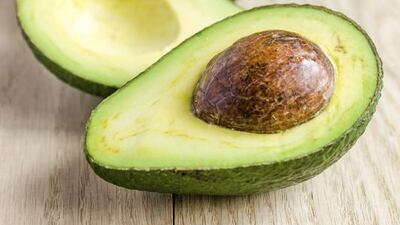
Avocados: These are high in fat with 60 per cent of this being monounsaturated fats. With a proven ability to lower cholesterol and quell hunger pangs, the avocado is arguably one of only a few perfect foods to lose weight. -
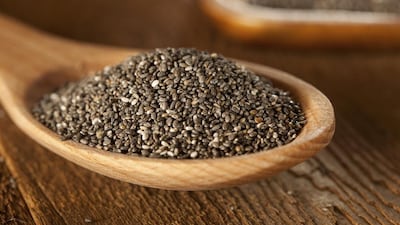
Chia seeds: These seeds are full of omega-3, which is essential for allowing movement of all things, including fat, from one cell to the next. In this way omega-3 is crucial for allowing you to burn fat that is already stored in your body. Chia is also fibre-rich, supporting optimal elimination, another key ingredient for weight loss. iStockphoto.com -

Raw cacao: One of the best weight-loss foods in the world, raw cacao is one of the richest sources of magnesium, a vital mineral for optimal functioning of numerous systems within your body, including endocrine, nervous and digestive. It also balances blood sugar, provides energy and gives your mood a boost while helping to suppress excessive appetite. iStockphoto.com -

Seaweed: Seaweed is packed with minerals and extremely detoxifying, but the main ingredient here that is essential for lightness is iodine. Iodine is required by your thyroid to function properly; without iodine your thyroid becomes underactive and your metabolism suffers. Seaweeds are abundant in this mineral, especially kelp, nori and wakame, not forgetting the algaes too, such as chlorella and pirulina, which are powerful for overall health and weight loss. Courtesy iStockphoto.com -

Coconut: For weight-loss, try cold-pressed coconut oil. Taking a tablespoon a day has been shown to boost the function of the liver, which speeds up fat metabolism while increasing thyroid function. iStockphoto.com -

Kale: Kale is packed with nutrients that help to balance blood sugar and provide vital mineral and phytonutrient support that actively creates lightness in your body through cleansing and detoxification. iStockphoto.com -

Almonds: These nuts have been clinically proven to aid weight loss among those who snack on a handful a day. The protein helps keep you feeling satisfied, meaning you crave less food, while the mineral and essential fatty acid content boosts metabolism and aids digestion of fat. iStockphoto.com


The UK has about 15,000 ACLF patients each year whose treatment costs the National Health Service about £100,000 ($124,000) a patient, without decreasing their risk of death, the experts suggest.
“It gives me enormous pleasure to see the promise of this novel liver dialysis device for the treatment of acute-on-chronic liver failure," said Dr Banwari Agarwal, chief investigator of the Dialive trial from the Royal Free Hospital and honorary associate professor at the UCL division of medicine.
“The intervention has the potential to transform the care provided to the ever-increasing number of patients and their families suffering from the effects of living with what is essentially a terminal illness for many.
“It has the potential to transform the therapeutic options available to clinicians across the world for patients with ACLF.”
The liver is a complex organ that performs more than 500 functions, including removal of harmful substances from the blood and absorbing nutrients.
One of its roles is to produce large quantities of a protein called albumin, which travels around the body acting as a sort of "mobile liver", absorbing unwanted substances.
But when its function is seriously reduced, such as through alcohol abuse, obesity or viral infection, less albumin is produced.
In ACLF, its function is also seriously impaired. Liver cells die and the gut begins to leak bacteria into the bloodstream, which can cause an inappropriate immune response and multi-organ failure.
Researchers say the study is the first in-human randomised, controlled clinical trial of a liver dialysis device.
Thirty-two patients were treated with Dialive or standard care for up to five days and the outcomes were recorded at days 10 and 28.
According to the findings, Dialive treatment was associated with faster reversal of ACLF compared with standard care, with ACLF resolved in about twice the number of patients.
The treatment also led to a significant reduction in endotoxins, which are released when bacteria die, and improved albumin function.
The study further found that despite receiving as little as three days’ treatment, patients whose ACLF was resolved remained in remission for 28 days afterwards.
“As academics, it can be difficult to define a disease then translate this knowledge into a clinical solution that makes a real difference to people’s lives," said Prof Rajiv Jalan, of the division of medicine, the inventor of Dialive and co-founder of Yaqrit.
“So the results of the Dialive trial are an emotional moment, which wouldn’t have been possible without scientific collaboration between the UK, European colleagues and funding from the European Commission.
“My hope is that within a few years we will start to fulfil the urgent, unmet need for treating acute-on-chronic liver failure and improve outcomes for patients.”
The study, conducted by researchers from UCL, the Royal Free Hospital, UCL spin-off Yaqrit and collaborators, is published in The Journal of Hepatology.

