

As people around the world rush to support charities and rescue teams working in Turkey and Syria after last week's earthquake, residents say they are wary of scammers trying to exploit people's generosity.
Promoting PayPal accounts as well as direct donations via bank transfer or live payments in social media apps, scammers broadcasting footage of relief efforts are calling for donations. Others call for donations in Bitcoin and other cryptocurrencies, making tracing funding even more difficult.
Dubai-based security firm Cyble Research & Intelligence Labs discovered sites posing as legitimate and well-known charities and others saying they are raising money for Turkey and Syria. They encourage users to enter their details, wherein they may be contacted later asking for information, or directed to a PayPal site to make “donations”.
Cyble researchers say scams like this are not uncommon, but people can take action to protect themselves.
“Scammers are creating phishing campaigns to capitalise on natural disasters,” a statement from the group to The National said.
“We suggest assessing whether the organisation, non-profit, or group has a documented history of assisting those in need. Stay clear of unknown organisations and websites, as fraudulent individuals may create websites resembling donation pages in the aftermath of significant calamities. One needs to be cautious and verify the legitimacy of any donation opportunities and websites before providing information or donating."
With more and more charity appeals appearing on social media, several GCC citizens and residents said it can be hard to tell genuine calls for help from those by sophisticated scammers.
Nada Yusuf, a Saudi citizen living in Jeddah, said: “I don't think people think too much so they just click and pay, maybe they have been following this influencer or because of the large number of followers, people think it's OK to give them money for relief which boggles my mind because what exactly are they doing sitting at home using their clout to get money for relief from followers?”
-
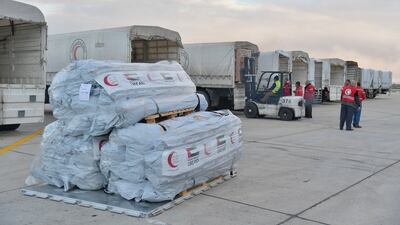
The UAE had sent 640 tonnes of humanitarian aid to Turkey and Syria by February 9. All photos: Ministry of Defence -
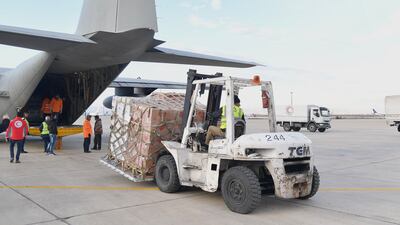
Aid includes food, medical supplies and 515 tents that will offer temporary shelter to some of those affected by the earthquake -
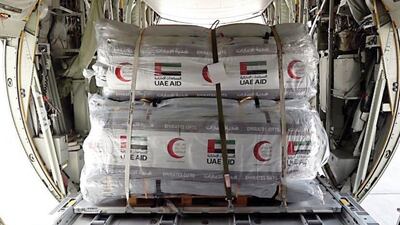
Relief supplies are being flown into Gaziantep and Adana -
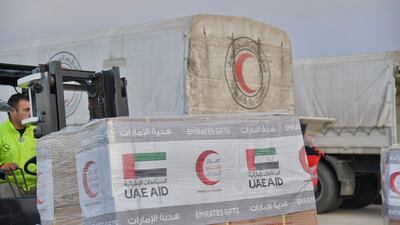
The UAE was one of the first countries to send aid to Turkey and Syria


“I think people should do more research and not trust everyone because honestly how do you know your money is reaching victims when these influencers aren't even giving you proof?”
Since last week's disaster, one particular appeal has gone viral. A call for donations was overlaid with a picture of a fireman holding a baby in a sea of rubble.
However, people were quick to point out the man's six fingers suggested the image was AI-generated, leading them to question the entire appeal.
“The fireman had six fingers. At some point people will call your bluff but it shows the extent to which people are going to make money, but the saddest thing is they're profiting off someone's loss of life and property,” said Mayada Akeel, a Saudi citizen in Riyadh.
“It's a shame. I don't trust any of these PayPal links, I only use the online government platform, for any international or local charity transfer,” she said.
Greek newspaper OEMA reported the image was first made by former Aegean Sea Fire Service Lieutenant General Panagiotis Kotridis using AI-image generator Midjourney to “honour the colleagues who are doing their best to save those affected by the earthquakes in Turkey”.
His initial post made no call for donations but the image appears to have been spread widely.
The warnings over donations came as the UN Secretary General Antonio Guterres on Tuesday called for $397 million to help people affected by the quake in northern Syria and added that a similar appeal would soon be set up for Turkey after last week's 7.8-magnitude earthquake that has killed at least 42,000.
“If you're collecting money to help people that's great, but how do we know you are just because you wrote that on Instagram or any social media app,” asked Omnia Isa, a Saudi resident in Dammam.
“I would never trust these people unless they're working with Unicef or are there physically helping out and I would only give through government platforms because I know so many people who have been scammed including my mother and husband that we now only give zakat and charity through government links.”
-

A woman walks among destroyed buildings in Hatay, Turkey. Getty Images -
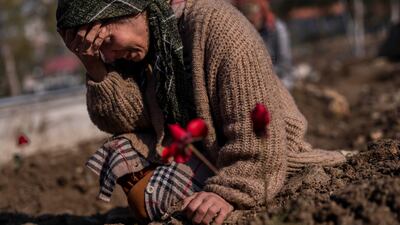
A woman mourns a relative during the burial of one of the earthquake victims in Antakya, southeastern Turkey. AP Photo -
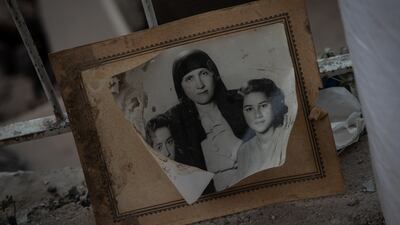
A family photo is seen amid the rubble in Hatay. Getty Images -
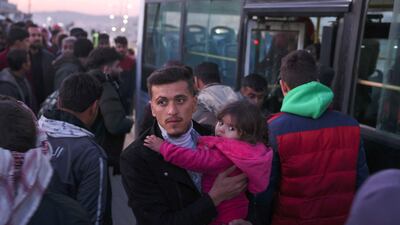
Syrian refugees in Turkey return to their home country following the deadly earthquake. AFP -

Members of NGOs Deathcare Embalming Team and Turkish Kurt-Ar inspect the bucket of an excavator as they search for bodies in Kahramanmaras, Turkey. AP Photo -
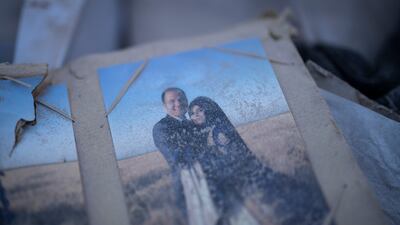
Dust covers a family photo album found in Antakya. AP Photo -
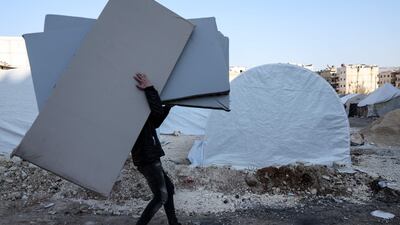
A man made homeless by the 7.8-magnitude quake carries mattresses distributed by an NGO at a makeshift camp in Afrin, in Syria's Aleppo province. AFP -
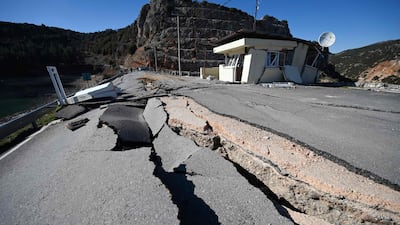
A cracked road near the quake’s epicentre in Kahramanmaras, Turkey. AFP -
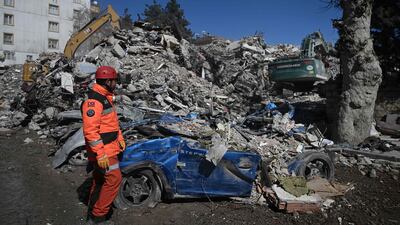
A rescuer stands near the site where Aleyna Olmez, 17, was rescued from the rubble of a collapsed building in Kahramanmaras, about 10 days after the quake struck. AFP -
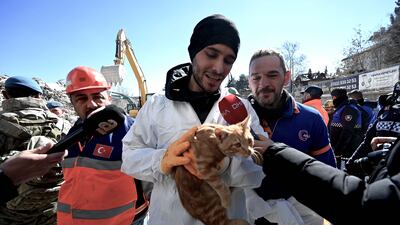
A rescuer holds a cat after it was rescued from the ruins of a collapsed building in Kahramanmaras. AFP -

Quake survivors queue for food amid the rubble in Kahramanmaras. Reuters -
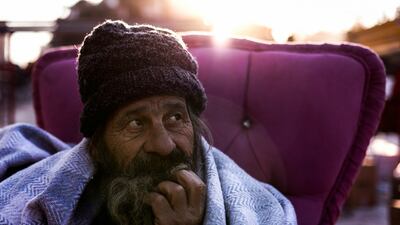
Bedran, a local resident who lost his house in the earthquake, keeps warm in Antakya, Turkey. Reuters -

A girl carries a box of water bottles next to a damaged mosque in Antakya. Reuters -
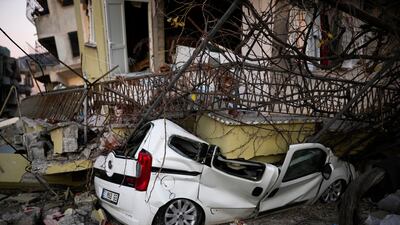
A car lies crushed by parts of a badly damaged building in Samandag, Turkey. AP -
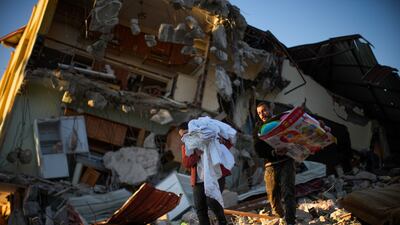
Residentes remove their belongings from their destroyed house in Samandag. AP -
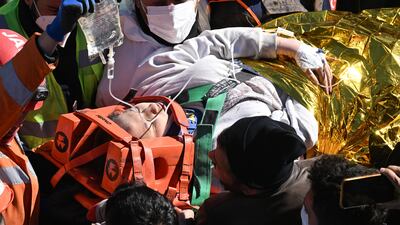
Aleyna Olmez, 17, is rescued after being trapped for 10 days in Kahramanmaras. Getty -
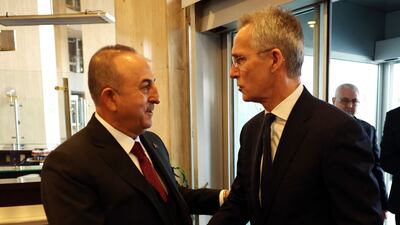
Turkish Foreign Minister Mevlut Cavusoglu, left, with Nato Secretary General Jens Stoltenberg in Ankara. AFP -
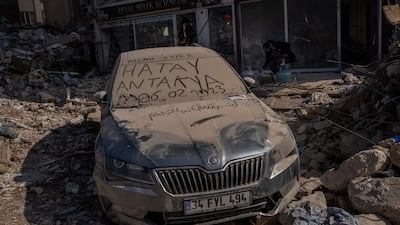
A message scrawled on a car covered in dust from collapsed buildings in Antakya, Turkey. AP -
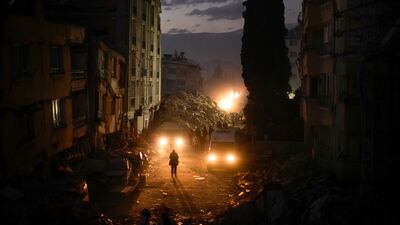
Destruction in Antakya. AP -

A cracked road leads to a flooded area in Antakya. AP -
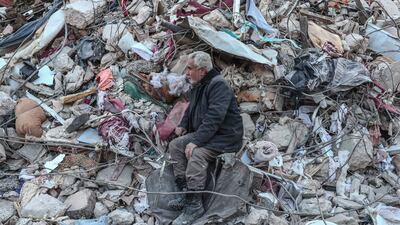
A man looks bewildered at the site of collapsed buildings in Hatay, Turkey. EPA -
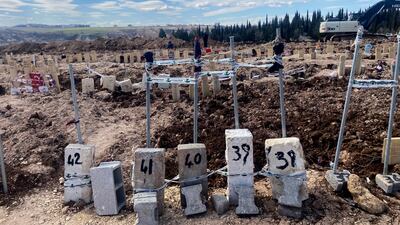
Numbered stones near graves of earthquake victims at a cemetery in Adiyaman, Turkey. EPA -

A makeshift camp set up amid the rubble in Antakya, south of Hatay. AFP -
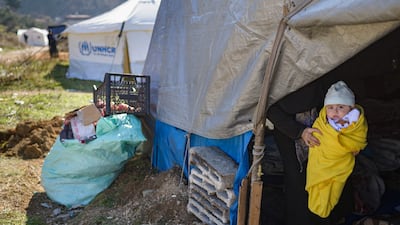
A woman holds her baby inside a tent in a camp in Antakya, Hatay. AFP -
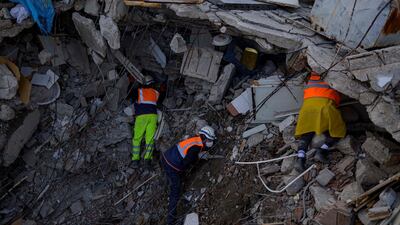
Greek and Turkish rescuers are at work to extract bodies of victims from the rubble in Antakya. AFP -
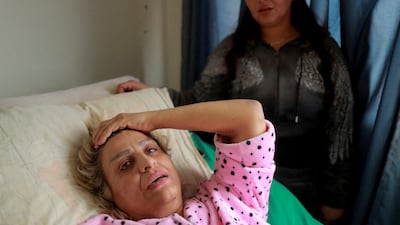
Samar Hamouda, 44, recalls her experience of the earthquake destroying her home, at Tishreen Hospital in Latakia, Syria. Reuters -
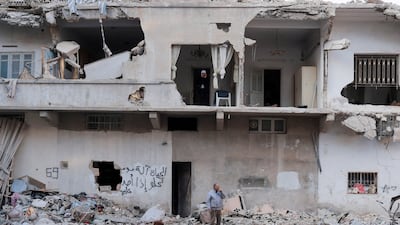
A damaged house in Jableh, Syria. Reuters -
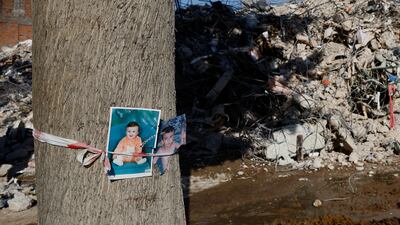
Photos of missing children left in hope in Kahramanmaras, Turkey. Reuters -
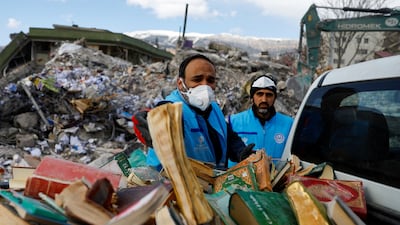
People collect copies of holy books from the rubble in Kahramanmaras. Reuters -
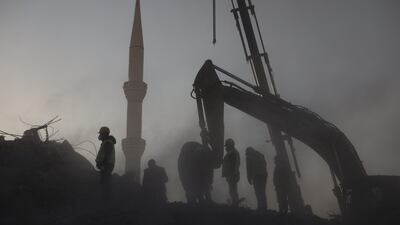
Rescuers search for survivors under the rubble of a collapsed building in Kahramanmaras. Reuters -

People carry a bodybag as residents wait for their relatives to be pulled out from the rubble in Hatay. AFP -
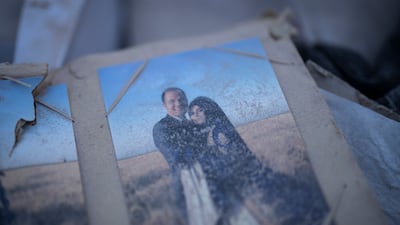
Dust covers a family photo album found in the debris of a building in Antakya. AP -
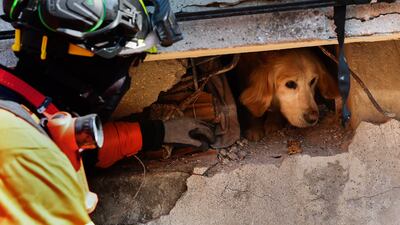
Portuguese rescue team members try to free the dog named Tarcin from the rubble in Antakya in Hatay. EPA -
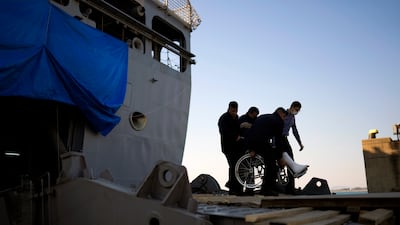
An injured survivor at a makeshift hospital set up at Turkish Bayraktar warship anchored near Iskenderun city, southern Turkey. AP -
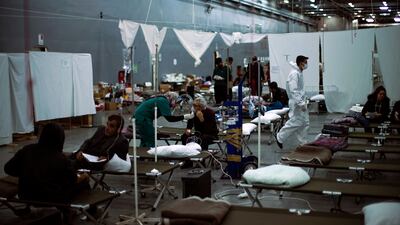
A makeshift hospital set up at Turkish Bayraktar warship anchored near Iskenderun city, southern Turkey. AP -

Britain's King Charles III (C) meets with members of the Turkish diaspora community who have been collecting, packaging and organising the transportation of food, blankets and warm clothing for people who have recently been affected by the earthquakes in Turkey and Syria, during a visit to the West London Turkish Volunteers, in Hounslow, greater London. AFP -
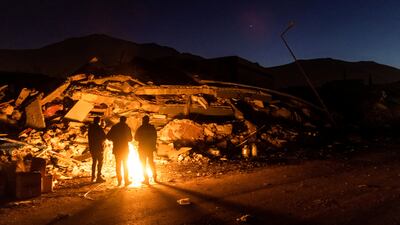
People stand by the fire next to the ruins of a collapsed building in Elbistan, Turkey. Reuters -
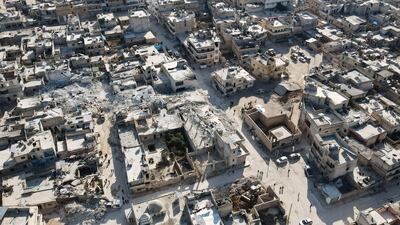
Destroyed buildings in Syria's rebel-held village of Atarib, in the north-western Aleppo province. AFP -

Rescuers carry Fatma, 15, who was pulled out from the rubble in Hatay, Turkey. Reuters -

A displaced woman receives food inside a stadium in Kahramanmaras, Turkey. Reuters -
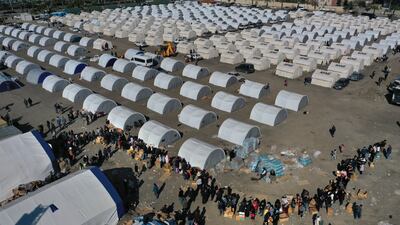
People lineup to receive aid supplies at a makeshift camp in Iskenderun city in southern Turkey. AP -
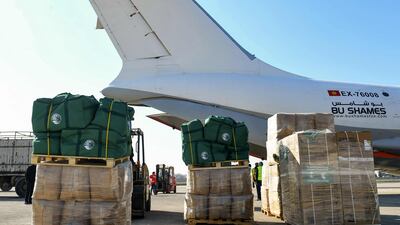
Humanitarian aid provided by Saudi Arabia for survivors of the February 6 earthquake are unloaded at Aleppo Airport in northern Syria. AFP -

Turkish President Recep Tayyip Erdogan addresses the World Government Summit in Dubai via video link. Antonie Robertson/The National -

A man walks between trains being using as shelters in Iskenderun, southern Turkey. AP Photo -
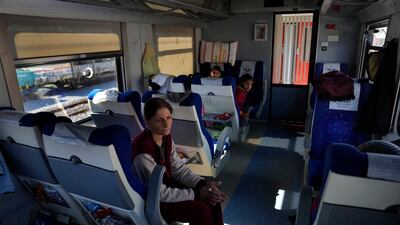
A woman and children inside a train being used as shelter after the earthquake, in Iskenderun. AP Photo -

Tents erected in a school yard for Syrians who have lost their homes after the deadly quake, in the rebel-held town of Harem in Syria. Reuters -
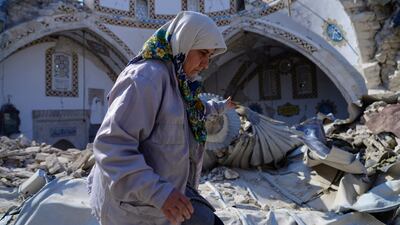
A woman walks by the destroyed Habib-i Neccar mosque in the historic southern city of Antakya in Hatay, Turkey. AFP -
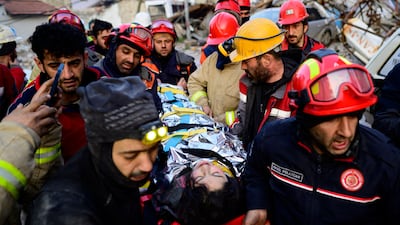
Rescuers pull out a 12-year-old Syrian girl, Cudi, from the rubble in Hatay. AFP -
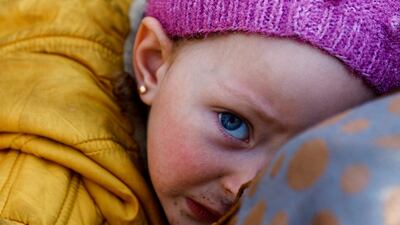
Amar, a Syrian refugee living in Turkey, looks on as search for survivors continues in Kahramanmaras. Reuters -
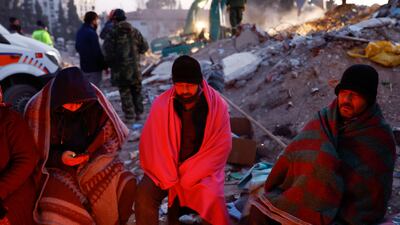
Displaced people keep warm by a fire in Kahramanmaras, Turkey. Reuters -
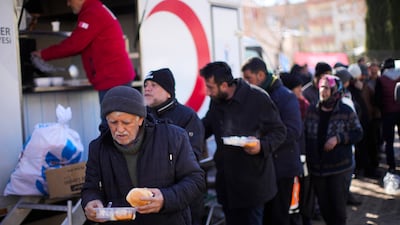
Earthquake survivors receive distributed meals in Golbasi, Turkey. AP -
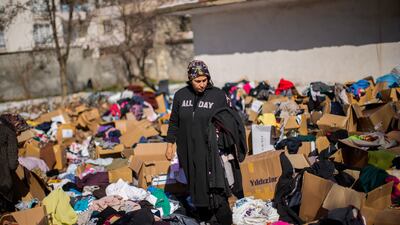
A woman stands amid boxes of donated clothes in Golbasi, Turkey. AP -
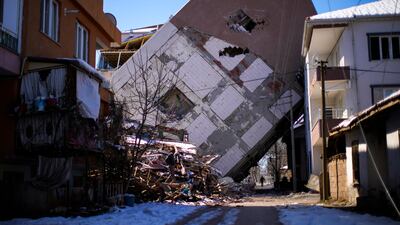
A man walks near a damaged building that leans on a neighbouring house in Golbasi, Turkey. AP -
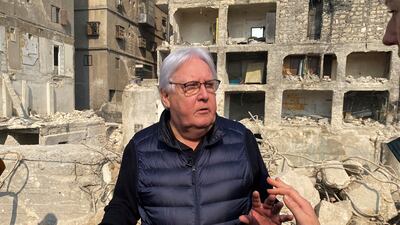
UN emergency relief co-ordinator Martin Griffiths stands amid quake-damaged buildings in Aleppo, Syria. Reuters -

Delegates observe a moment of silence for the Turkey–Syria earthquake before the start of the World Government Summit in Dubai. Pawan Singh / The National -
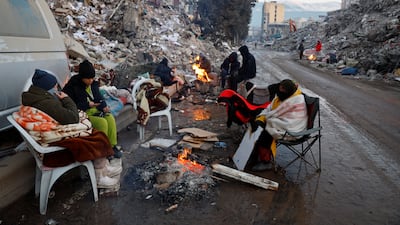
People keep warm by a fire as the search for survivors continues a week after the earthquake in Kahramanmaras, Turkey. Reuters -

A child receives food in Kahramanmaras, Turkey. Reuters -

A dog is seen through a glass door in Kahramanmaras, Turkey. Reuters -
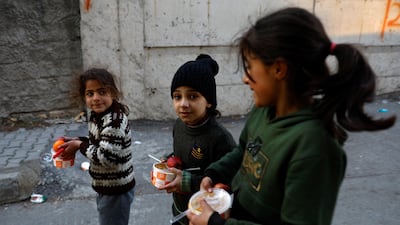
Children walk in the street with food boxes in Kahramanmaras, Turkey. Reuters -

A minaret stands as the sun rises over the earthquake-hit city of Kahramanmaras, Turkey. Reuters


The UAE, Saudi Arabia and other Gulf states have strict rules around fund-raising for non-registered charities to prevent fraud, however, international influencers based outside the region would not be bound by such regulations.
Even with regulations, however, online and offline scams can still happen.
“I was giving money to a distant relative he said he was providing meals to those who need them in South Asia, I later found out through mutual friends he had scammed them by saying the same and they found out he wasn't using the funds for that,” said Ashfaque Ahmed, a Pakistani resident in Jeddah.
“Since then I have only relied on doing it myself or when it comes to Rohingya or Turkey and Syria, I only trust the Saudi government's platform to donate money because I know I can trust them.”
There have also long been fraudulent websites trying to raise funds.
“I have given to different websites before and learnt my lesson when I found out they were fake, just making money off of people's guilt and generosity,” says Hadeer Ahmad, an Egyptian resident in Jeddah. “I prefer to give charity myself wherever I am.”
Dubai resident Ibrahim Ahmed said that as well as making sure the charities were really working on the disaster, going through government platforms meant you know the money is reaching those affected and not paying large corporate salaries.
“I prefer government charities as I am sure there are laws, legislation against how much of that they can keep. Private you just don’t know ― they will have overheads and salaries so will take a big chunk of the money,” he said.
“Overall, there is a lack of transparency with charities and people should do their research and ask further questions, before donating.”
TikTok, which allows people to give money to live streamers through “gifts”, told the BBC that they are “actively working to prevent people from scamming and misleading community members who want to help”.
PayPal also told the BBC that they were working to close fraudulent accounts.

