



More than a million World Cup fans are preparing to visit the Gulf to watch the month-long World Cup in Qatar from November.
As the first World Cup to be staged in the Middle East, social norms and religious practices are likely to be different from those experienced at some previous tournaments.
Fan festivals
When the opening match kicks-off in Doha, Al Bidda Park, at the heart of the city near the Corniche, will become a meeting place for supporters throughout the tournament.
Matches will also be screened at other fan sites, at Qetaifan Island North, where a beach festival is planned with concerts, activities, food and drink outlets, on Al Maha Island in Lusail, and at the Al Maha Arena, which will host live concerts.
Those who have booked accommodation at the official fan villages on the outskirts of Doha can visit the Fan Village Cabins Free Zone, where games will be shown live.
Free travel is being provided on the Doha Metro system, with access granted with the Hayya card that accompanies a World Cup match ticket.
All eight stadiums hosting 64 matches are within an hour's drive of central Doha.
Hayya card
Visitors must apply for a Hayya card, the fan ID that offers free public transport around Doha and acts as an entry visa into the country.
The Supreme Committee for Delivery & Legacy opened a special service centre for Hayya card holders to support fans at the Ali bin Hamad Al Attiyah Arena.
Fans can collect a physical copy of their digital Hayya card, in case they want to use transport services or fan zones and do not have a mobile phone.
The centre will be open from 10am to 10pm every day except Fridays, when opening hours are 2pm until 10pm until December 23.
Alcohol
Alcohol is served in licensed restaurants and in many hotels across the country, and it will also be made available in fan zones at certain times, organisers said.
Alcohol sales in fan zones may be less expensive than in hotels and will probably involve exchanging local currency for tokens that can be used to purchase beverages.
Bringing alcohol into the country is forbidden.
Only residents are allowed to purchase alcohol from specialist outlets for home consumption, so drinking away from official venues will be off-limits for fans.
Covid-19
A vaccine is not mandatory to visit Qatar, but anyone attending the World Cup aged six or above is required to present a negative coronavirus test on arrival at the airport before departure.
A PCR test result must be no more 48 hours old before departure or if taking an official negative Rapid Antigen Test, the result must be received no more than 24 hours before departure time.
Self-tests will not be accepted.
Fans should ensure their travel insurance covers any enforced stays in a hotel, a requirement if you test positive while in Qatar.
World Cup visitors to Qatar who hold Hayya cards are excluded from the pre-entry online registration requirement on the Qatari government’s Ehteraz website for residents and GCC citizens.
As with in the UAE, masks are only required on public transport and on healthcare premises.

Clothing
Respecting local norms could be one of the greatest challenges for the huge numbers visiting Qatar during the World Cup.
Swimwear is allowed on hotel beaches and swimming pools, but visitors will be expected to cover shoulders and knees when visiting public places such as museums and government buildings.
The removal of shirts is prohibited inside stadiums, while the much publicised air-conditioned stadiums are designed to maintain a pleasant temperature for spectators.
Outside, the average temperature for November is around 26ºC, but it could get as warm as the mid-30s.
Public displays of affection
The organising committee has asked visitors during the World Cup to limit public displays of affection.
Qatari law prohibits cohabitation of unmarried couples, but authorities have confirmed that during the tournament, unmarried friends of different genders or couples can share the same room without penalty.
Photography
With hordes of fans sharing their experiences on social media, enforcing Qatar’s strict rules on privacy and photography could be a challenge.
Organisers called on fans to exercise “common courtesy” and ask for permission before photographing or filming others.
Fans should be aware that taking pictures of government buildings such as offices, military camps or industrial areas is strictly prohibited.
-
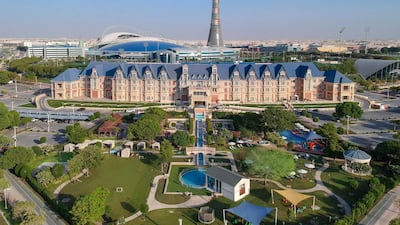
Qatar, Al Aziziyah Boutique Hotel. Photo: The Torch Hospitality -
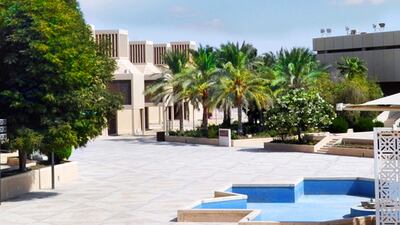
Argentina, Qatar University Hostel 1 (Qatar University pictured). Photo: Qatar University -
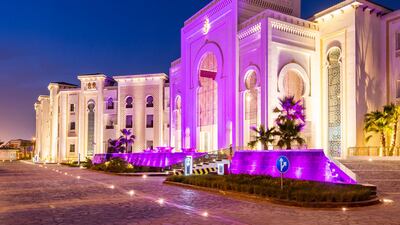
Poland, Ezdan Palace Hotel. Photo: Ezdan Palace Hotel -
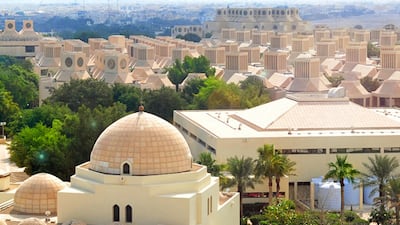
Spain, Qatar University Hostel 2 (Qatar University pictured). Photo: Qatar University -

Wales, Delta Hotels City Centre Doha. Render: Marriott -
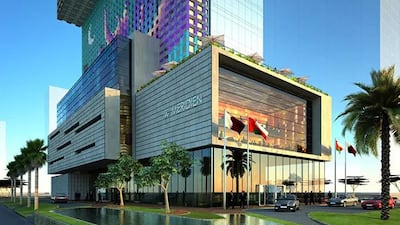
South Korea, Le Meridien City Center Doha. Render: MZ & Partners -
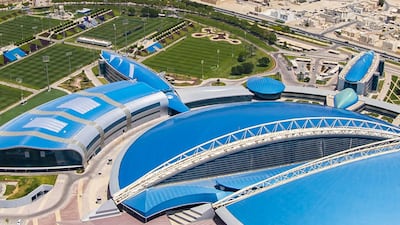
Australia, New Aspire Academy Athlete Accommodation (Aspire Academy pictured). Photo: Aspire -
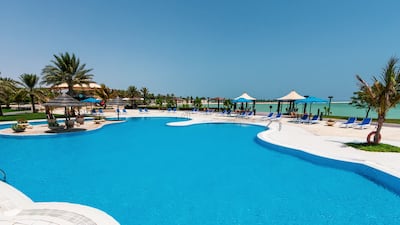
Mexico, Simaisma, A Murwab Resort. Photo: Murwab -
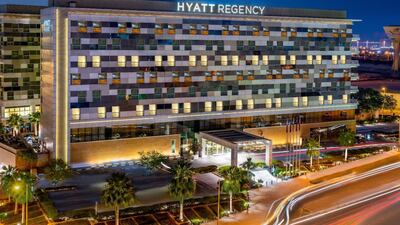
Ecuador, Hyatt Regency Oryx Doha. Photo: Hyatt -

Croatia, Hilton Doha. Photo: Hilton -
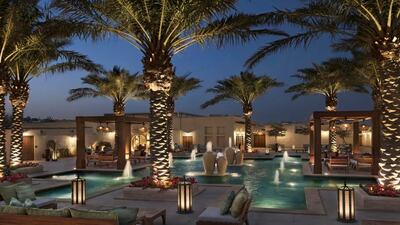
England, Souq Al Wakra Hotel Qatar by Tivoli. Photo: Tivoli -
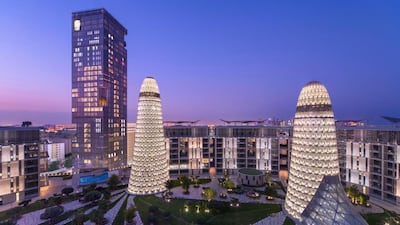
Cameroon, Banyan Tree Doha At La Cigale Mushaireb. Photo: Banyan Tree -
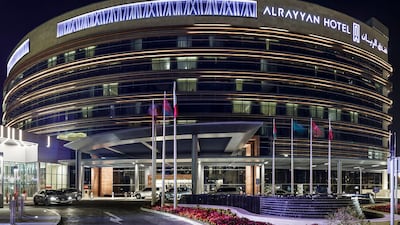
Iran, AlRayyan Hotel Doha, Curio Collection by Hilton. Photo: Chapman Taylor -
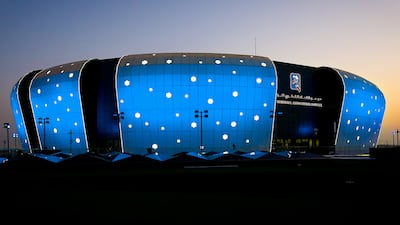
Senegal, Duhail Handball Sports Hall. Photo: Qatar Handball Association -
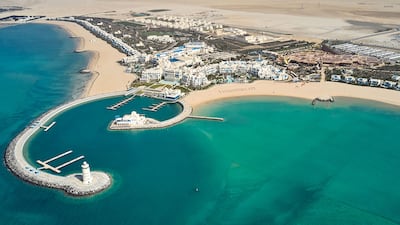
Belgium, Hilton Salwa Beach Resort and Villas. Photo: Hilton -
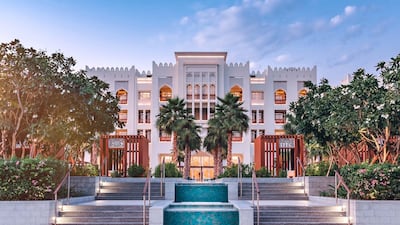
France, Al Messila A Luxury Collection Resort & Spa, Doha. Photo: Marriott -
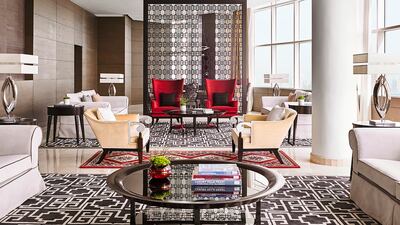
Uruguay, Pullman Doha West Bay. Photo: Accor -
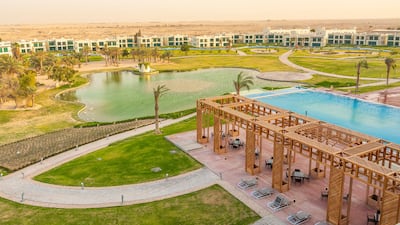
Denmark, Retaj Salwa Resort & SPA. Photo: Retaj Salwa Resort & SPA -
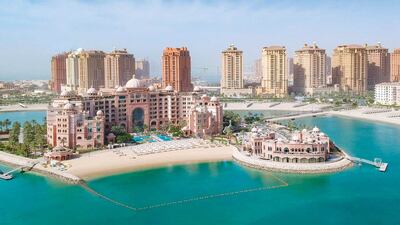
USA, Marsa Malaz Kempinski, The Pearl - Doha. Photo: Kempinski Hotels -
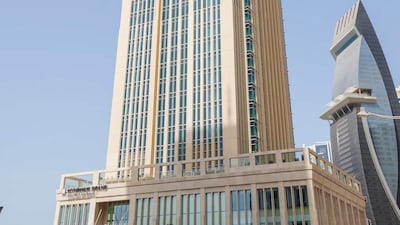
Tunisia, Wyndham Grand Doha West Bay Beach. Photo: Wyndham Hotels & Resorts -
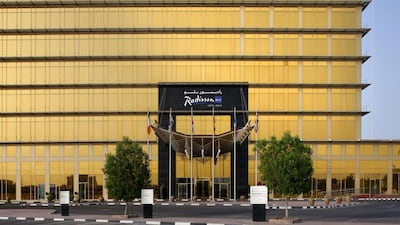
Japan, Radisson Blu Hotel Doha. Photo: Radisson Hotels -
Canada, Century Marina Hotel Lusail. Photo: Century Marina Hotel Lusail -

Morocco, Wyndham Doha West Bay. Photo: Wyndham Doha West Bay -
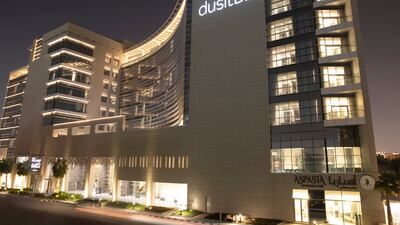
Costa Rica, dusitD2 Salwa Doha. Photo: Dusit -
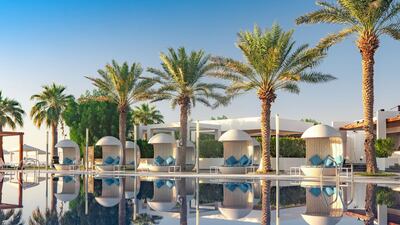
Saudi Arabia, Sealine Beach, a Murwab Resort. Photo: Murwab -
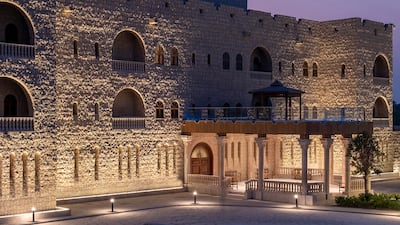
Portugal, Al Samriya Autograph Collection Hotel. Photo: Al Rayyan Tourism Investment Co -
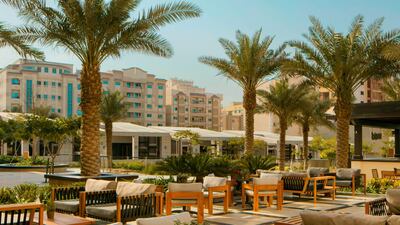
Brazil, The Westin Doha Hotel and Spa. Photo: Marriott -
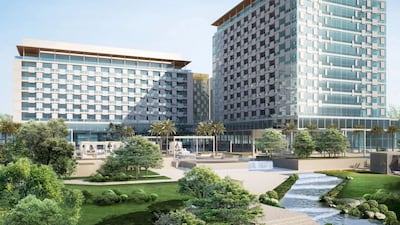
Serbia, Rixos Gulf Hotel Doha. Photo: Accor -
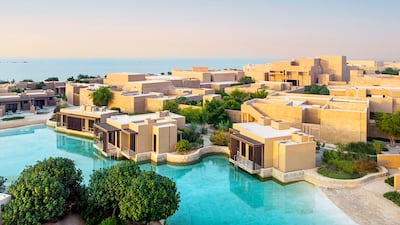
Germany, Zulal Wellness Resort. Photo: Chiva-Som -
Swtizerland, Le Royal Meridien, Doha. Photo: Marriott -
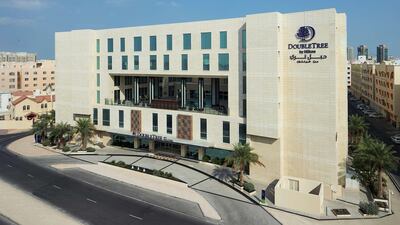
Ghana, DoubleTree by Hilton Doha Al Sadd. Photo: Hilton -
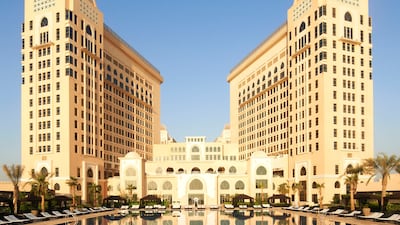
Netherlands, St Regis Doha. Photo: Marriott


E-cigarettes
Qatar’s Ministry of Public Health ordered an outright ban on sales of vapes in 2014.
Hamad International Airport's customs department was also advised not to allow e-cigarettes into the country, with the same instruction observed at Qatar’s port and land borders.
Despite this, there remains a large community that regularly uses e-cigarettes without penalty, so there may be some lenience on the matter.
However, it will not be possible to legally purchase vaping refills and associated products while in Qatar.
Working week
Qatar starts its working week on a Sunday, with a weekend of Friday and Saturday.
Expect some services to operate reduced hours on a Friday, which is a holy day. This includes banks and some shops.

