


The net worth of Mark Zuckerberg, chief executive of Meta Platforms, surged by $28.1 billion after the company’s quarterly results far exceeded Wall Street’s expectations, sending its shares up about 20 per cent, Bloomberg reported.
His personal fortune is now worth $170.5 billion, the richest he’s been, and overtook Microsoft co-founder Bill Gates to become the fourth-richest person on the Bloomberg Billionaires Index.
Mr Zuckerberg, 39, could receive a payout of about $700 million a year from the social media company’s first-ever dividend announced for investors.
Top 10 richest people in the world in 2023 – in pictures
-

Bernard Arnault, head of luxury group LVMH, is currently the world's richest person with $223.4 billion, according to the Bloomberg Billionaires Index. AFP -

Amazon founder Jeff Bezos is the second-richest person in the world with a net worth of $207.3 billion. AFP -
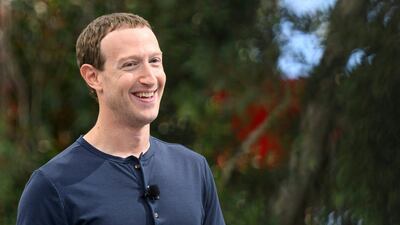
Meta founder and chief executive Mark Zuckerberg is now the third-richest person in the world with a net worth of $186.9 billion. AFP -
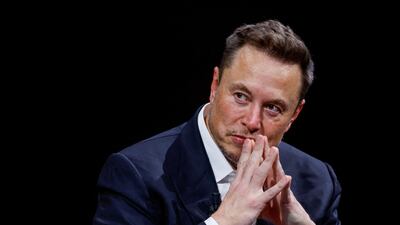
Elon Musk has dropped back to fourth place on the Bloomberg Billionaire's Index with a personal fortune of $180.6 billion. Reuters -
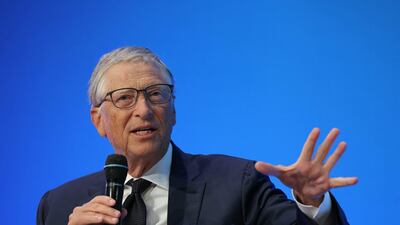
Fifth is Microsoft founder and philanthropist Bill Gates, with a personal fortune of $153 billion. AFP -
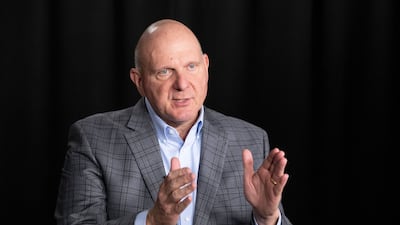
Sixth place goes to Steve Balmer, former chief executive of Microsoft and owner of the Los Angeles Clippers basketball team, with a net worth of $147 billion. AP -

Berkshire Hathaway chairman and chief executive Warren Buffett is the world's seventh-richest person with a net worth of $138 billion. AP -
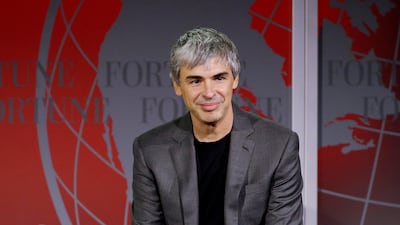
Taking eighth spot is Google co-founder Larry Page, with a net worth of $138 billion. AP -
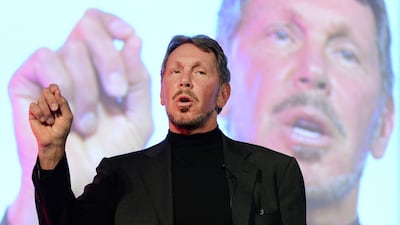
Next up is Oracle co-founder Larry Ellison, who is worth $137 billion. AFP -

Google co-founder Sergey Brin is the 10th-richest person in the world with a net worth of $131 billion. Image Press Agency


On Thursday, the parent company of Facebook, the world's biggest social media platform, announced plans to buy back an additional $50 billion in shares and issue its first quarterly dividend since listing in May 2012.
The company, which also owns Instagram and WhatsApp, said it would pay a quarterly cash dividend of 50 cents a share for class A and B common stock, beginning in March.
With Mr Zuckerberg holding about 350 million shares, he would take home about $175 million in each quarterly payment before taxes, according to Bloomberg data.
Mr Zuckerberg took home $27.1 million in total compensation in 2022, including private security costs and a base salary of $1, according to Meta’s filings with the US Securities and Exchange Commission. Meta has not yet reported executive compensation for 2023.
He was one of the biggest wealth movers of 2023. The majority of Mr Zuckerberg's wealth is derived from his 12.8 per cent stake in Meta.
In 2022, he was languishing in 25th place on the Bloomberg Billionaires Index with a net worth of $44 billion after Meta’s stock plunged, dragged down by disappointing quarterly results and concerns that he was spending too much time – and money – on the metaverse.
However, thanks to its Magnificent Seven membership, Meta recovered its losses in 2023 and boosted Mr Zuckerberg’s wealth by 180.8 per cent, or $82.5 billion.
The California-based company reported a 201 per cent yearly surge in fourth-quarter net profit, driven by a jump in advertising revenue and an increase in user numbers.
It posted a net profit of more than $14 billion in the quarter that ended on December 31, up 21 per cent compared with the third quarter.
Revenue for the three-month period surged by an annual 25 per cent to more than $40.1 billion, exceeding analyst estimates of $39.1 billion.
This is the third consecutive quarter that the company has reported double-digit revenue growth since the fourth quarter of 2021.
“We had a good quarter as our community and business continue to grow,” Mr Zuckerberg said.
“We have made a lot of progress on our vision for advancing AI [artificial intelligence] and the metaverse.”
Mr Zuckerberg started Facebook at Harvard in 2004 at the age of 19 for students to match names with photos of classmates.
He took Facebook public in May 2012 and now owns about 13 per cent of the company's stock, according to Forbes magazine.
Facebook changed its name to Meta Platforms in November 2021 in a sign it was shifting the company's focus to the metaverse.
In December 2015, Mr Zuckerberg and his wife, Priscilla Chan, pledged to give away 99 per cent of their Meta stake over their lifetimes.
The couple own about $200 million worth of real estate and land around the world, according to wealth tracking site Celebrity Net Worth.

