

I purchased a completed apartment from a developer in July 2021 for Dh2.9 million and took possession of the unit on October 8 last year with a payment plan that I have since completed.
I paid Dh4,241 last September for pre-title registration fees. Now that the unit has been fully paid, the developer is demanding that I either pay them Dh3,000 or Dh4,200 to the trustee office for title registration.
I bought an off-plan property from another developer for Dh4.9m, but was only charged Dh1,095 for Oqood registration.
I am trying to get the title deed of the first apartment registered in my name as soon as possible because I plan to sell it.
The Dubai Land Department told me to contact the trustee office for clarification about fees. However, the trustee office said they have no control over registration fees and they are at the developer’s discretion.
Shouldn’t such fees be standard and established by the DLD? How can developers arbitrarily assign fees for title registration? EF, Dubai
The DLD is trying to streamline the way property is bought and sold in Dubai and despite some hurdles along the way, it is winning in its approach to making the process as easy and hassle-free as possible.
I agree with you that going forward, all developer registration fees should be standardised so that there is full transparency.
Having said this, we sometimes encounter situations that do not seem to be fair. Fees solely set by developers are one such anomaly.
Under normal circumstances, all eventualities ought to be covered by the sales and purchase agreement (SPA), which you presumably signed at the point of initial purchase.
____________
Watch: the $60 million mansion — we take a look around Dubai's newest party palace
This document should outline what charges are levied and at what point they will become due. If no such information exists in your SPA, I would challenge the developer to justify these fees.
To sell the unit, you need the title deed to be in your name. If you are getting nowhere despite confronting the developer, you have to move on.
Such developers can deceive you once, but not twice. You must have learnt an expensive lesson for any future off-plan purchases and from who you will buy from.
How much is a tenant entitled to receive in compensation if the landlord evicts him and, instead of moving in, rents the property to a new tenant? FL, Dubai
Should a tenant win a judgment from the Rent Dispute Settlement Committee (RDSC) in the example you cited, it has been seen in the past that judges offer the annual rental amount as compensation. Often, the fees are also included in the award.
However, no two cases are necessarily the same in terms of the compensation granted.
It is always up to the presiding judge to award whatever he or she sees fit based on the specific case and circumstances.
I moved into a rented apartment in April 2021. However, the landlord wanted to sell the property and issued a 12-month notarised eviction notice in November last year.
I renewed my rental agreement for 12 months in April this year. However, my landlord has found a buyer for the apartment and wants me to vacate by November 2022.
Am I legally entitled to stay in the apartment until April 2023 or should I vacate the unit as per the original notice? AM, Dubai
The reality to all of this is about negotiating with the parties. I suggest you speak with the new buyer to ascertain why they bought the property.
____________
My Dubai rent — Misha Agarwal in pictures
-

Viksit Khanna and Misha Khanna with daughter Siyona at their five-bedroom villa in Jumeirah Park, Dubai. All photos: Pawan Singh / The National -

The family moved to their spacious home in April. -

The Indian couple were happy to splash out to secure the right property for their young family. -

Viksit and Misha Khanna decided they needed a bigger property after the birth of their second child. -
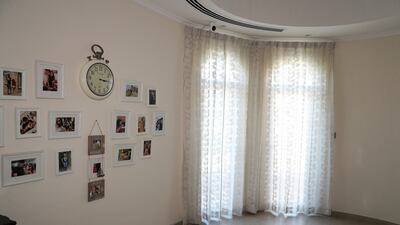
Finding the ideal living space was key for the couple because both work remotely. -

The large villa offers the couple plenty of room in which to unwind. -

The guest bedroom at the Jumeirah Park property. -
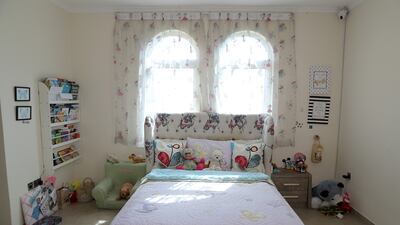
The family are making the most of the extra space having previously lived in a three-bedroom property. -
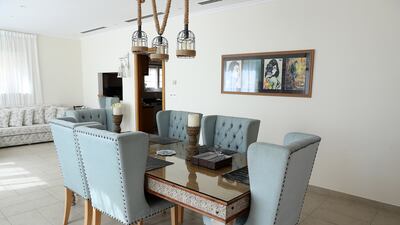
Viksit and Misha Khanna pay Dh300,00 to rent their villa. -

They say comfort, quality and space were top priorities when hunting for a new family home. -

The family instantly fell in love with the villa they chose. -

Plenty of outdoor space was an attractive selling point. -
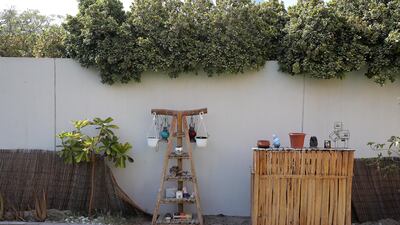
The large garden appealed to the family.


Was it as an investment to rent out or was it bought to live in? If it was bought to rent out, the new owner cannot evict you in order to find another tenant. The new owner must respect your current contract.
However, if the new owner wishes to move in themselves, it has been seen in cases at the RDSC that some judges request the new landlord to send a separate 12-month eviction notice.
The likelihood is that you will be able to stay until your tenancy expires in April 2023 or potentially stay longer if you negotiate with the new buyer.
Mario Volpi is the sales and leasing manager at Engel & Volkers. He has worked in the property sector for more than 35 years, in London and Dubai. The opinions expressed do not constitute legal advice and are provided for information only. Please send any questions to mario.volpi@engelvoelkers.com

