


About 63 per cent of professionals in the UAE would prefer to be self-employed or have their own business if given the choice, according to a survey by jobs portal Bayt.com and market research company YouGov.
Respondents to the survey cited a better work-life balance, personal fulfilment, the ability to give back to the community and a higher income as the top reasons for wanting to start a business in the Emirates, Bayt.com and YouGov said.
The survey polled 2,727 people in more than 16 countries, including the UAE, Saudi Arabia, Kuwait, Oman, Qatar, Bahrain and Lebanon, between June 22 and July 19 this year.
“Entrepreneurs are part of this rapidly changing landscape where many businesses are adopting entirely new ways of work that will not necessarily revert to pre-crisis conditions,” said Ola Haddad, director of human resources at Bayt.com.
Small and medium enterprises are the backbone of the UAE economy, with the government introducing numerous economic support packages to help business owners weather the Covid-19 pandemic.
The UAE, the Arab world’s second-largest economy, has also undertaken several economic, legal and social reforms to strengthen its business environment, increase foreign direct investment, attract skilled workers and provide incentives to companies to set up or expand their operations.
The government’s overhaul of a number of visa programmes has also boosted opportunities for professionals to set up their own businesses.
These include the 10-year visa, which is granted to investors, entrepreneurs, skilled professionals who earn a monthly salary of more than Dh30,000 ($8,167), exceptional talents, scientists and professionals, outstanding students and graduates, property investors, humanitarian pioneers and front-line heroes.
A green visa provides a five-year residency for skilled employees without the need of a sponsor or employer.
The UAE’s efforts are paying off, with the Emirates ranking first worldwide in the Global Entrepreneurship Index in February this year, outperforming major global economies such as the US, the UK, Japan, Canada, South Korea and some EU countries, according to London-based research company Global Entrepreneurship Monitor.
Meanwhile, about 64 per cent of respondents to the entrepreneurship survey are currently thinking about starting their own business, 20 per cent tried setting up a company in the past and 7 per cent said they had never thought about branching out on their own.
However, 30 per cent of respondents in the UAE said they would prefer to seek employment with a company as it provided a regular income, job security and opportunities to learn new skills.
Thirty-two per cent of professionals in the Mena region who have already started their own businesses said they either wanted “greater independence in what I want to achieve” or “wanted more income”, the survey said.
“Entrepreneurship continues to be a growing trend in the UAE … [and] has become more popular than ever before, with many entrepreneurs looking to grow their start-ups and establish business,” the survey said.
“In fact, over six in 10 respondents are planning to hire for their business in the next year.”
The perceived image of entrepreneurs is also positive, with 82 per cent of UAE respondents saying they are opportunity-driven and 85 per cent believing they help to create new jobs.
“Entrepreneurs are the primary source of new job creation, increasing innovation and eventually creating a stronger economy,” said Zafar Shah, research director at YouGov.
Of those who are self-employed in the Mena region, 60 per cent took the first step to establish their business in the past five years, the survey found.
-
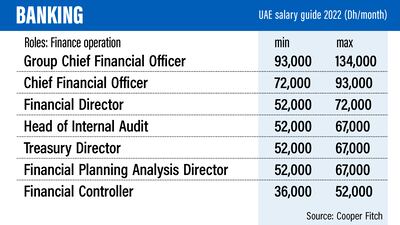
UAE salary guide 2022 -
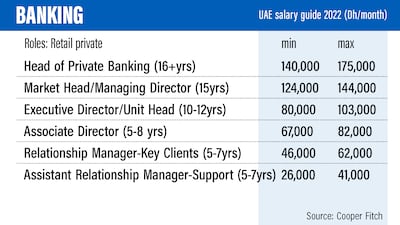
UAE salary guide 2022 -
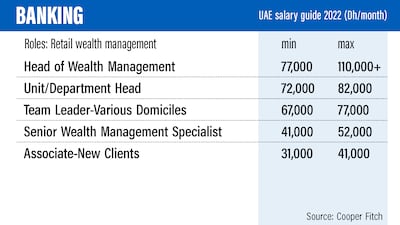
UAE salary guide 2022 -
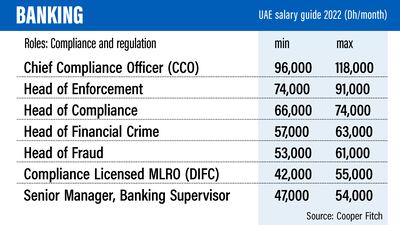
UAE salary guide 2022 -
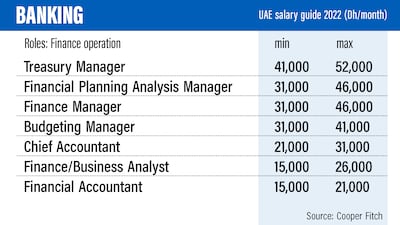
UAE salary guide 2022 -
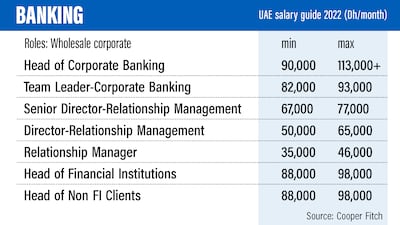
UAE salary guide 2022 -
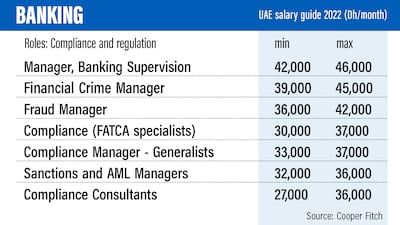
UAE salary guide 2022 -
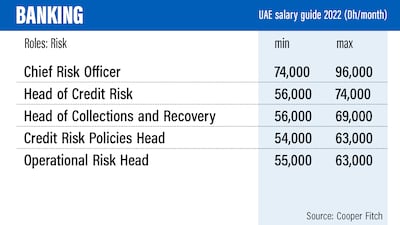
UAE salary guide 2022 -
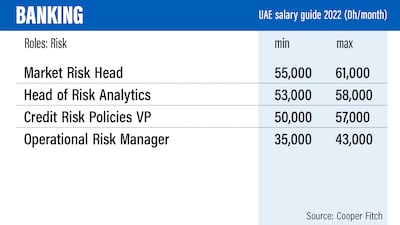
UAE salary guide 2022 -
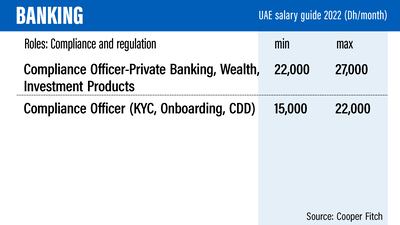
UAE salary guide 2022 -
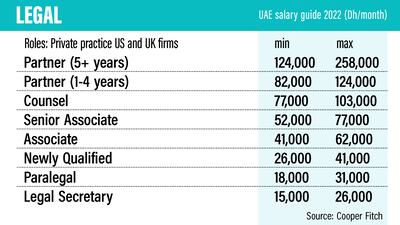
UAE salary guide 2022 -
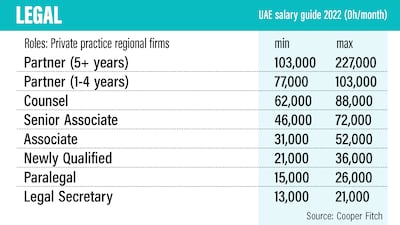
UAE salary guide 2022 -
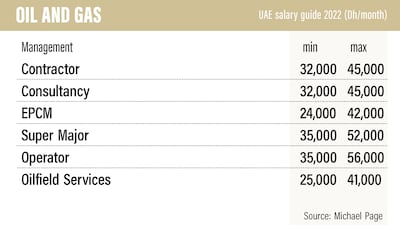
UAE Salary guide 2022 -
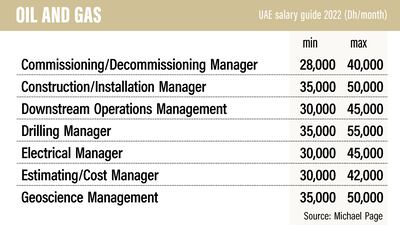
UAE Salary guide 2022 -
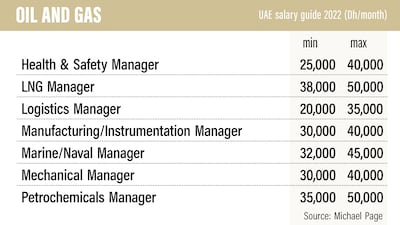
UAE Salary guide 2022 -
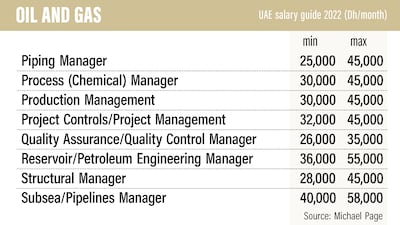
UAE Salary guide 2022 -
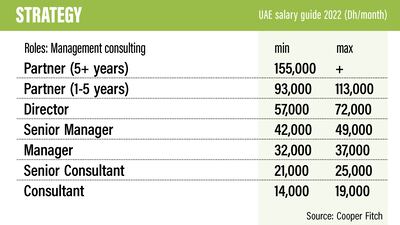
UAE salary guide 2022 -
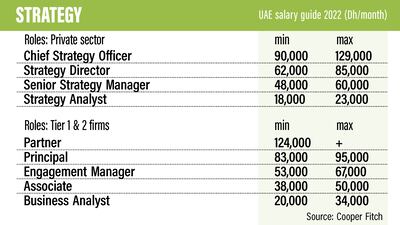
UAE salary guide 2022 -
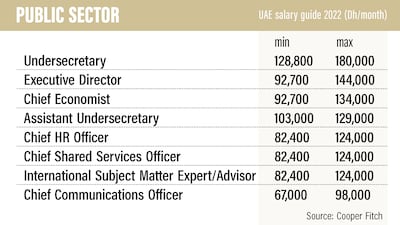
UAE salary guide 2022 -
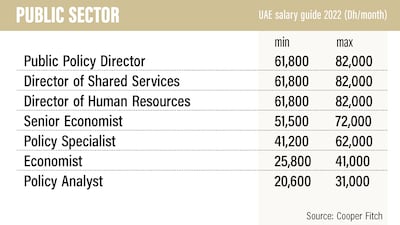
UAE salary guide 2022 -
UAE salary guide 2022 -
UAE salary guide 2022 -
UAE salary guide 2022 -
UAE salary guide 2022 -
UAE salary guide 2022 -

UAE salary guide 2022 -
UAE salary guide 2022 -
UAE salary guide 2022 -
UAE salary guide 2022 -
UAE salary guide 2022 -
UAE salary guide 2022 -
UAE salary guide 2022 -
UAE salary guide 2022 -
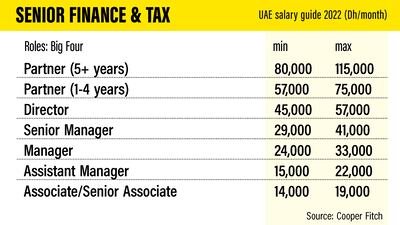
UAE salary guide 2022 -
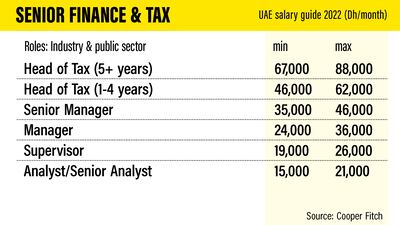
UAE salary guide 2022 -
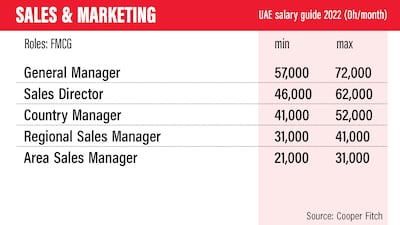
UAE salary guide 2022 -
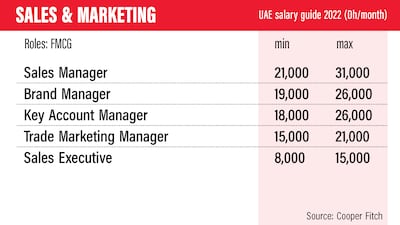
UAE salary guide 2022 -

UAE salary guide 2022 -

UAE salary guide 2022 -
UAE salary guide 2022 -
UAE salary guide 2022 -
UAE salary guide 2022 -

UAE salary guide 2022 -

UAE salary guide 2022 -
UAE salary guide 2022 -
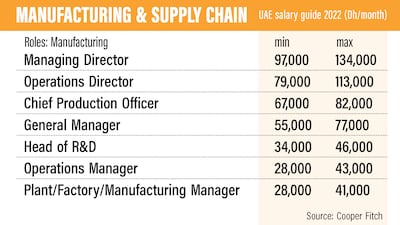
UAE salary guide 2022 -
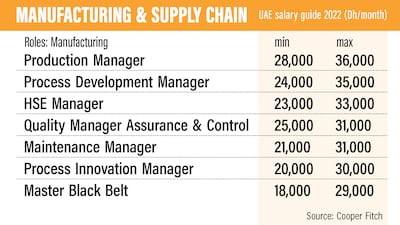
UAE salary guide 2022 -
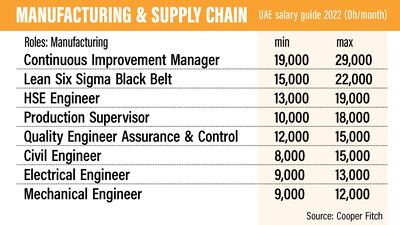
UAE salary guide 2022 -
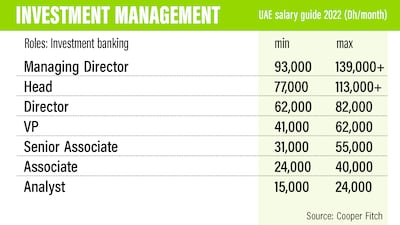
UAE salary guide 2022 -
UAE salary guide 2022 -
UAE salary guide 2022 -
UAE salary guide 2022 -
UAE salary guide 2022 -
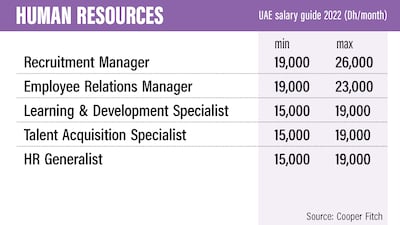
UAE salary guide 2022 -
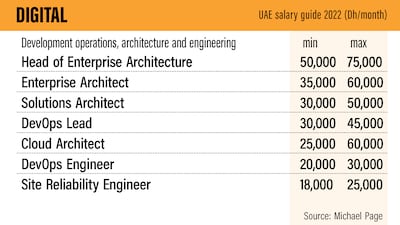
UAE Salary guide 2022 -
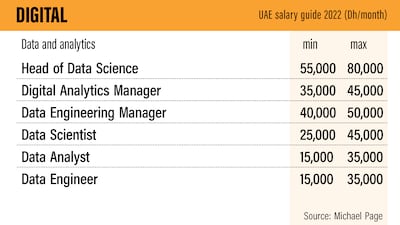
UAE Salary guide 2022 -
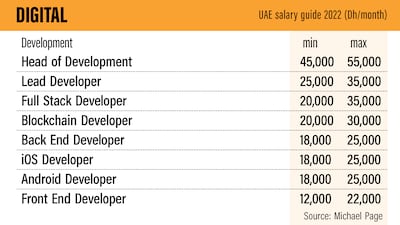
UAE Salary guide 2022 -

UAE Salary guide 2022 -
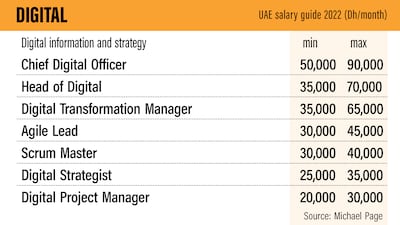
UAE Salary guide 2022 -
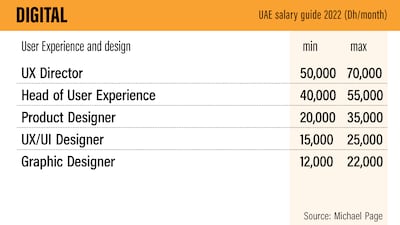
UAE Salary guide 2022 -
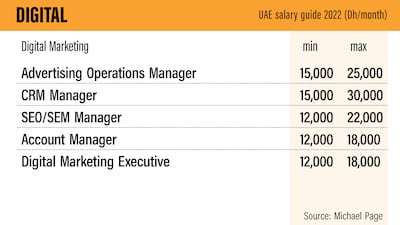
UAE Salary guide 2022 -
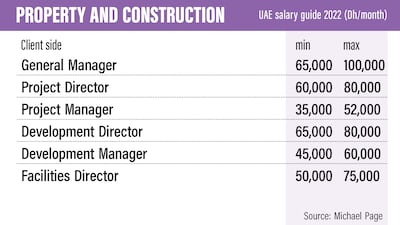
UAE Salary guide 2022 -
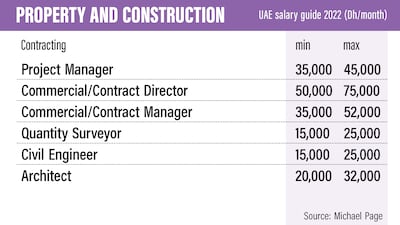
UAE Salary guide 2022 -
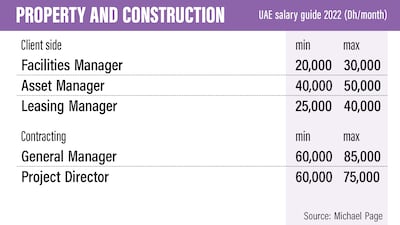
UAE Salary guide 2022 -

UAE Salary guide 2022 -
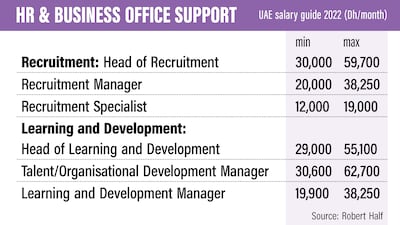
UAE Salary guide 2022 -
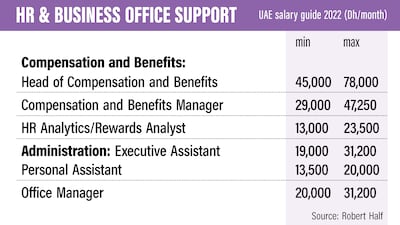
UAE Salary guide 2022 -
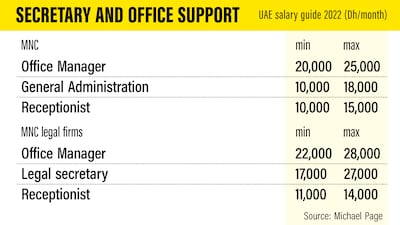
UAE Salary guide 2022 -
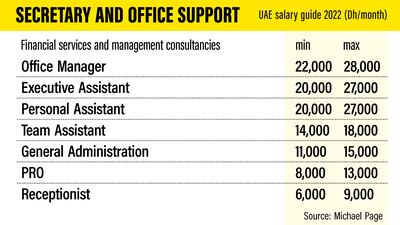
UAE Salary guide 2022 -
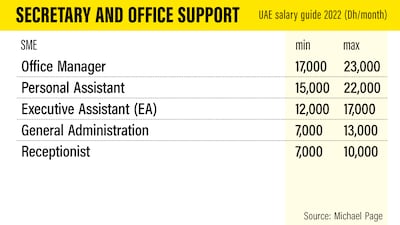
UAE Salary guide 2022 -
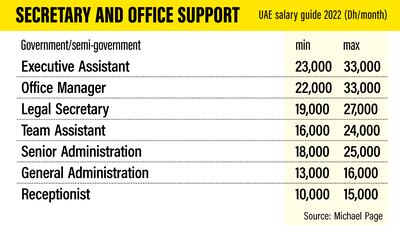
UAE Salary guide 2022 -
UAE Salary guide 2022 -
UAE Salary guide 2022 -
UAE Salary guide 2022 -
UAE Salary guide 2022 -
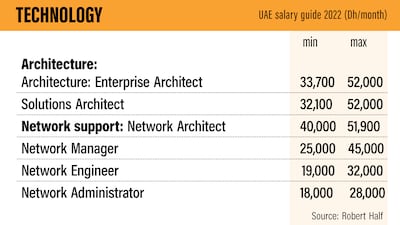
UAE Salary guide 2022 -
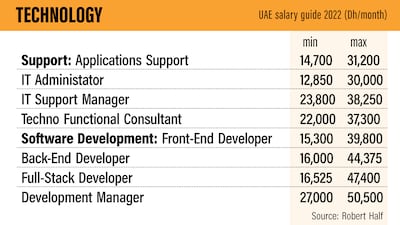
UAE Salary guide 2022 -
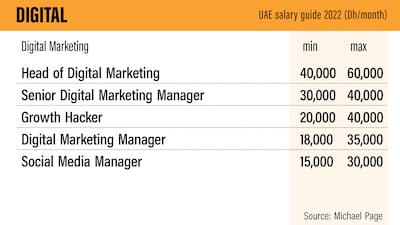
UAE Salary guide 2022 -
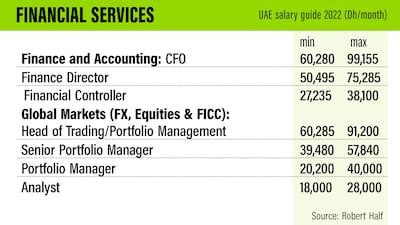
UAE Salary guide 2022 -
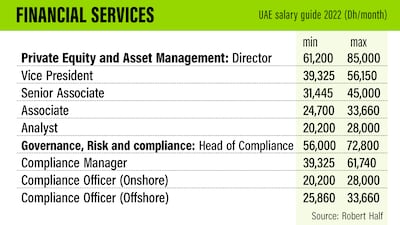
UAE Salary guide 2022 -
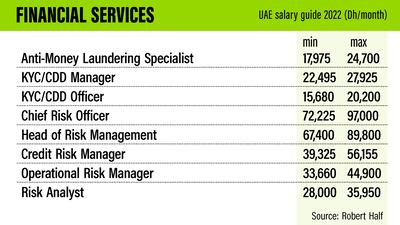
UAE Salary guide 2022 -
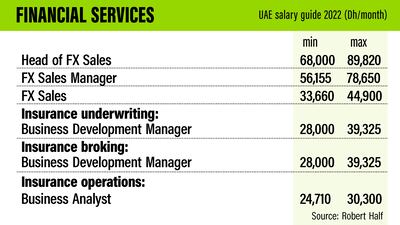
UAE Salary guide 2022 -
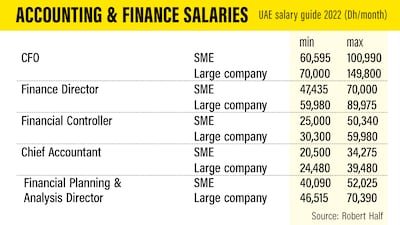
UAE Salary guide 2022 -
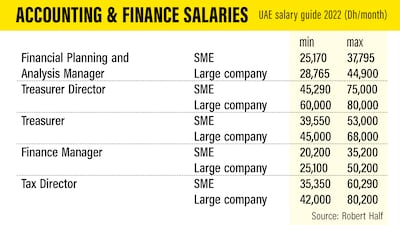
UAE Salary guide 2022 -
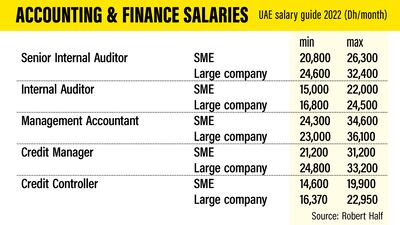
UAE Salary guide 2022 -
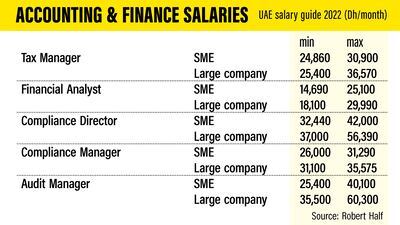
UAE Salary guide 2022 -

UAE Salary guide 2022


When it comes to the current stage of their businesses, 35 per cent of self-employed professionals are at the start-up phase, 27 per cent said their company is established and performing well, and 21 per cent said their business is not doing well.
The top concerns for UAE respondents while setting up their businesses include financing (56 per cent), establishing the right contacts (40 per cent) and the uncertainty of profit and income (36 per cent), the survey said.
Thirty per cent of respondents believe that innovation is key to succeeding as an entrepreneur, followed by employing the right people (24 per cent) and access to funding (22 per cent).
Meanwhile, the most popular sectors for entrepreneurs to launch a business include commerce, trade, retail, real estate, property development, e-commerce and consumer goods.

