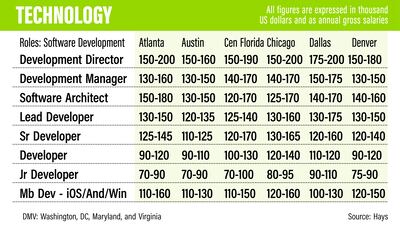
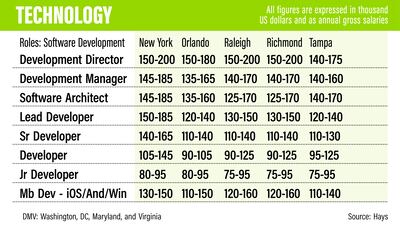
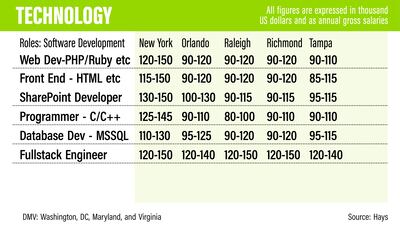
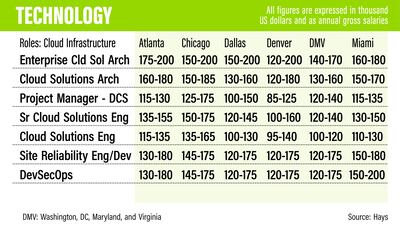
About four in 10 companies said they have expanded opportunities to work remotely to lessen pressure on their labour budget over the past year. Getty Images

Companies could save $206bn by adopting remote working and ease inflation pressures


  • English
  • Arabic

The rise of remote work could make the US Federal Reserve’s task of taming inflation a bit easier, while saving employers more than $200 billion, research has shown.

That’s because workers are willing to accept smaller pay increases for the convenience of working from home. In turn, that helps moderate business costs and slow what economists call the wage-price spiral — when companies pass higher expenses on to consumers in the form of higher prices.

About four in 10 companies said they have expanded opportunities to work remotely to lessen pressure on their labour budget over the past year, and a similar number expect to do so over the next 12 months, a working paper from the University of Chicago showed.

The authors found it would reduce wage growth by 2 percentage points over two years.

“This moderating influence lessens pressures and [modestly] eases the challenge facing monetary policymakers in their efforts to bring inflation down without stalling the economy,” the authors wrote.

The report's authors include Stanford University’s Nicholas Bloom, the University of Chicago Booth School’s Steven Davis and Brent Meyer, an economist at the Federal Reserve Bank of Atlanta.

The 2 percentage-point labour savings for employers translates to $206bn, a separate analysis conducted by Mr Davis said. That is based on the $10.3 trillion in total wages and salaries paid to US employees in 2021, figures from the Bureau of Economic Analysis showed.

Fed Chairman Jerome Powell said during June 22 congressional hearings that officials “anticipate that ongoing rate increases will be appropriate” to cool the hottest price pressures in 40 years”.

Steep interest rate rises could potentially tip the US economy into a recession, he said, and managing a so-called soft landing would be “very challenging”.

The authors made clear that their analysis is not “grounds for complacency” about near-term inflation pressures.

“Our evidence says only that the challenge is somewhat less daunting than suggested” by some economists, they wrote.

“The key thing is the reduction on inflation, which is a huge issue for Jerome Powell and setting interest rates,” Mr Bloom said.

The analysis could provide some macroeconomic support for remote-work advocates, who also cite previous research from Mr Bloom and other academics that have found the practice can improve job satisfaction and even lower quit rates without harming productivity.

In earlier research, Mr Bloom found that US workers would be willing to take a 6 per cent pay cut to work from home two three days a week.

On the other side, those pushing for workers to get back to the office often claim that collaboration and innovation can suffer if workers are not together enough.

The debate is playing out everywhere from Silicon Valley to Wall Street. Tesla chief executive Elon Musk has told his employees to get back to their desks or find work elsewhere, which unnerved employees at Twitter, the remote-friendly company Mr Musk wants to acquire.

Apple recently backed away from a plan to have workers in three days a week, after some staff complained. Goldman Sachs Group chief executive David Solomon has called remote work an “aberration”, while JPMorgan Chase chief Jamie Dimon has said it’s no substitute for in-person collaboration and idea generation.

The combined impact of higher borrowing costs and so-called quantitative tightening is expected to come at some cost to jobs. Unemployment was near a 50-year low at 3.6 per cent last month, but wage growth has not kept pace with inflation.

With fears of a recession mounting and employers starting to resort to hiring freezes or even layoffs, there is a growing sense that employees might need to get back to the office more often to stay in the good graces of their bosses.

Still, demand for remote work remains strong: FlexJobs, a job site focused on flexible work arrangements, attracted more than three million visits in May, an increase of 18 per cent compared with the same month last year, researcher Similarweb said.

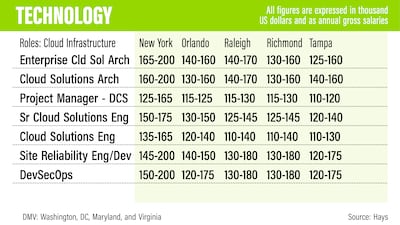
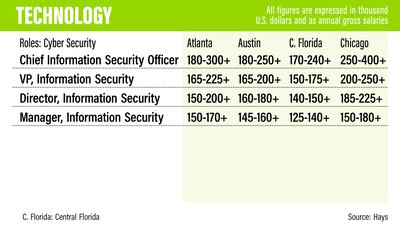
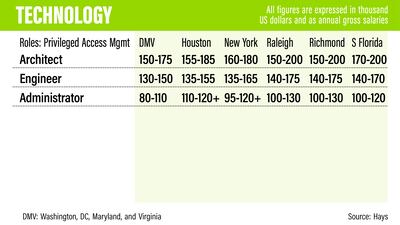
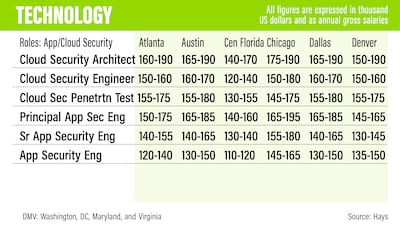
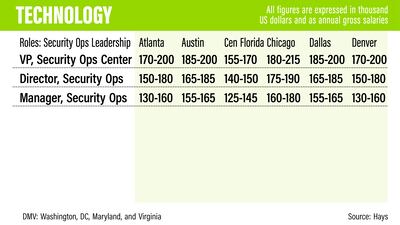
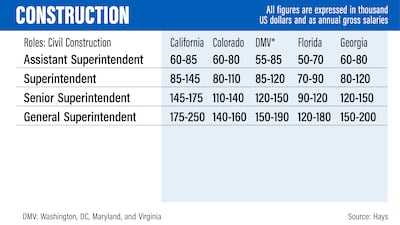
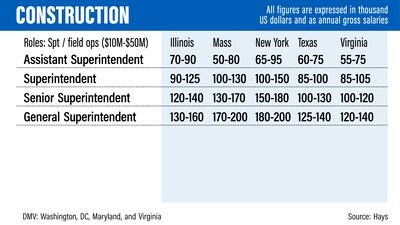
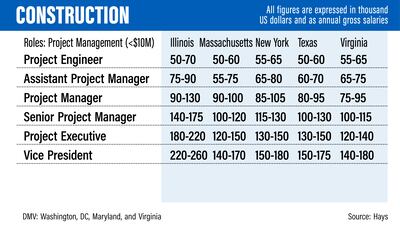
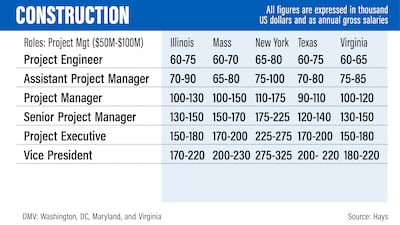
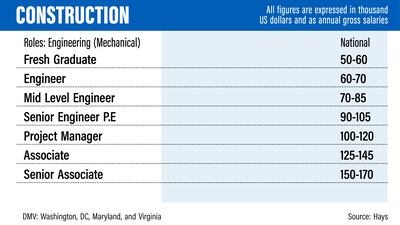
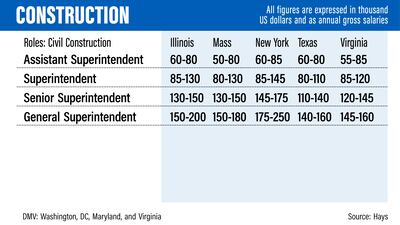
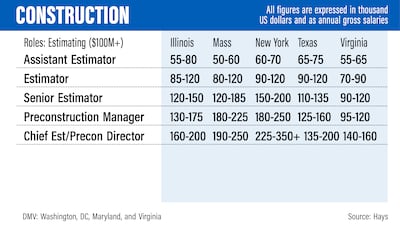
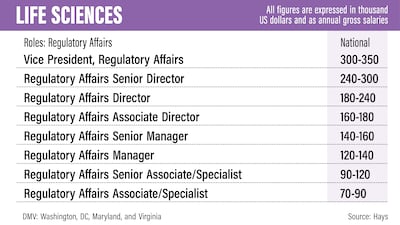
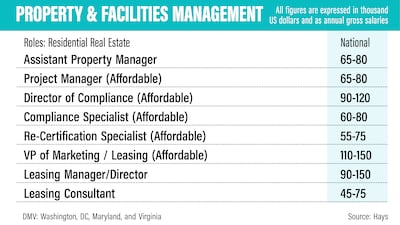
  • US salary guide 2022 - Hays
    US salary guide 2022 - Hays
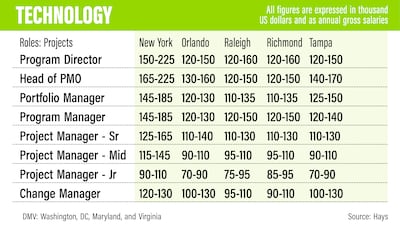
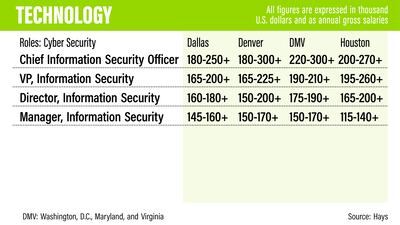
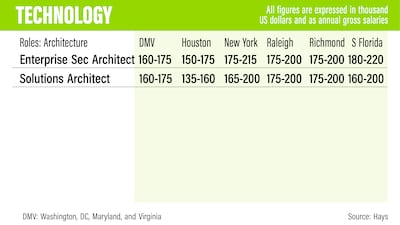
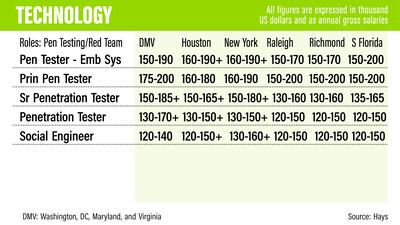
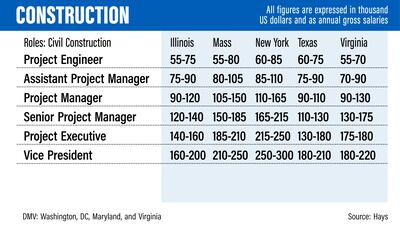
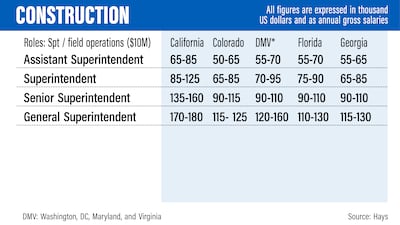
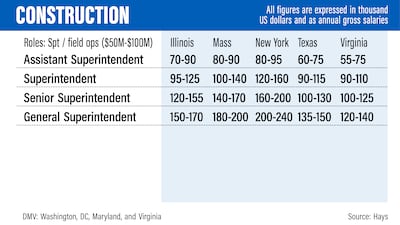
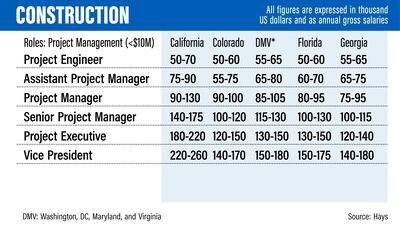
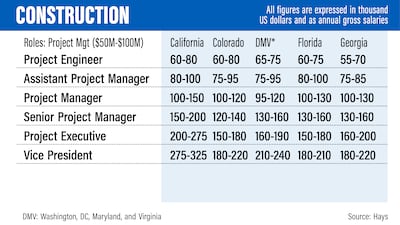
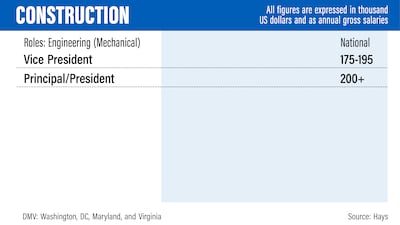
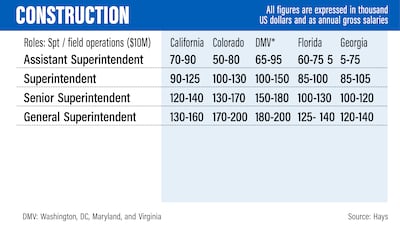
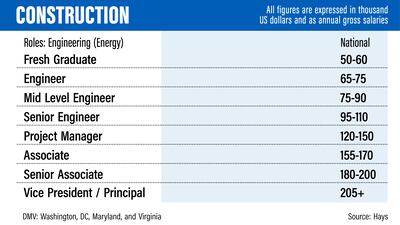
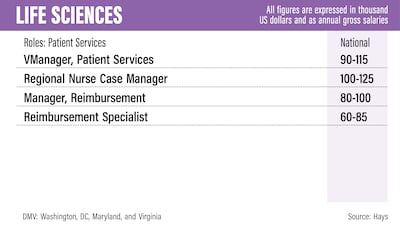
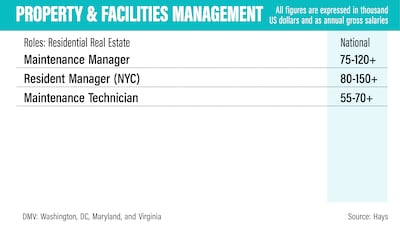
  • US salary guide 2022 - Hays
    US salary guide 2022 - Hays
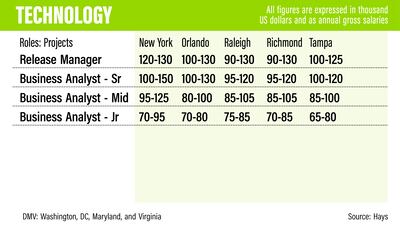
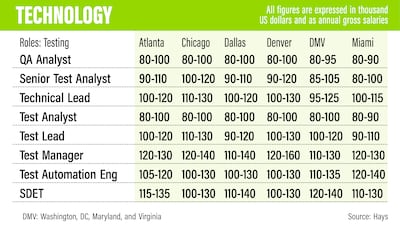
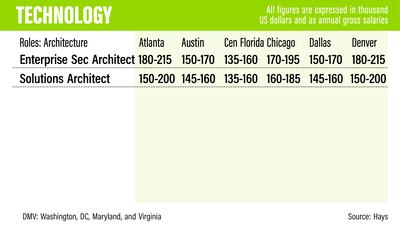
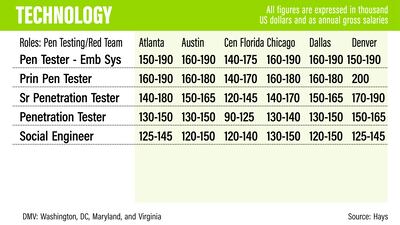
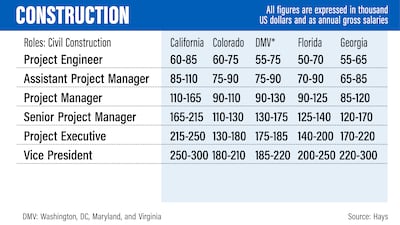
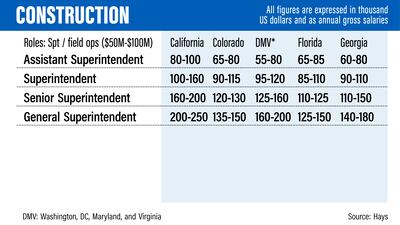
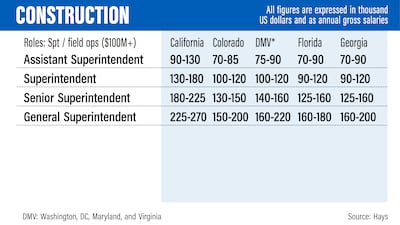
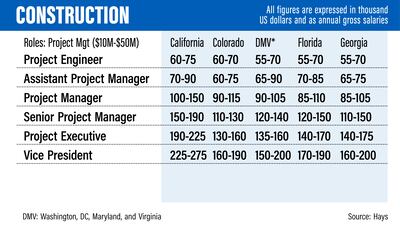
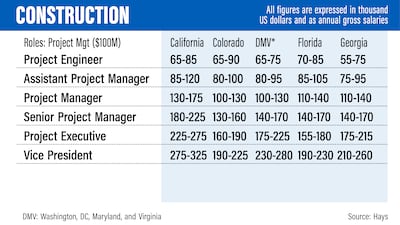
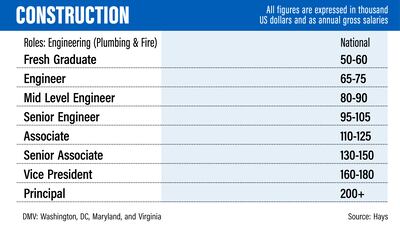
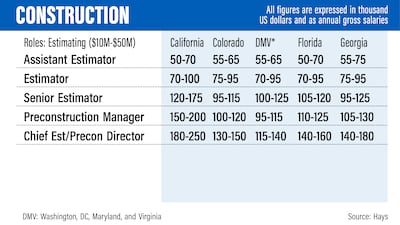
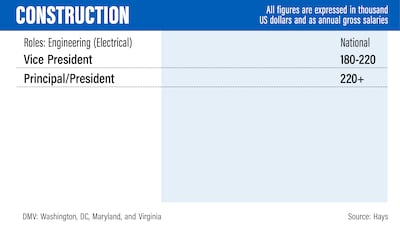
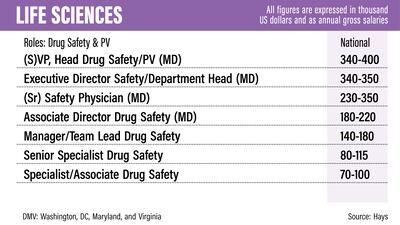
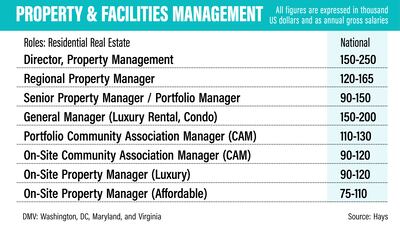
  • US salary guide 2022 - Hays
    US salary guide 2022 - Hays
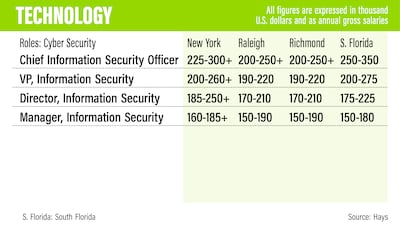
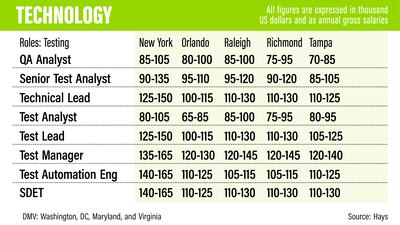
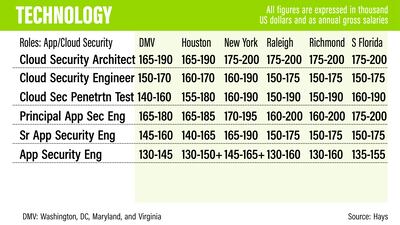
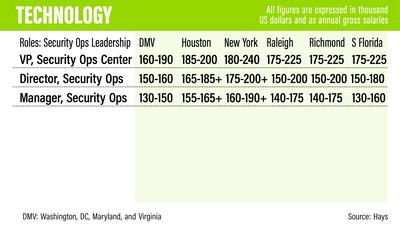
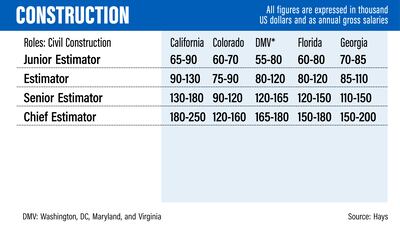
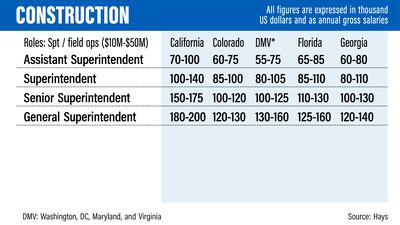
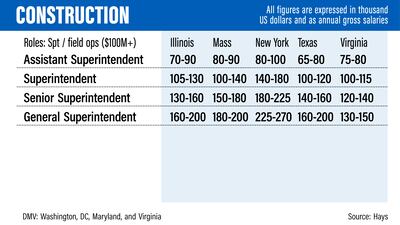
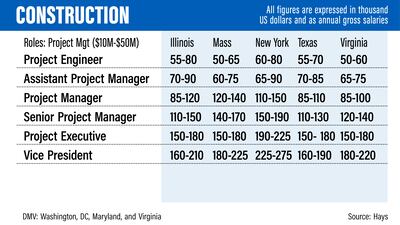
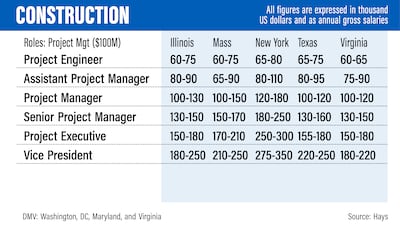
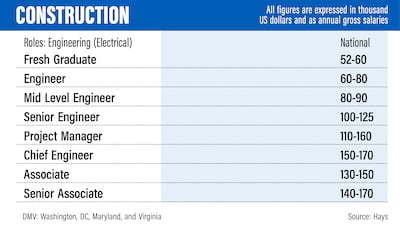
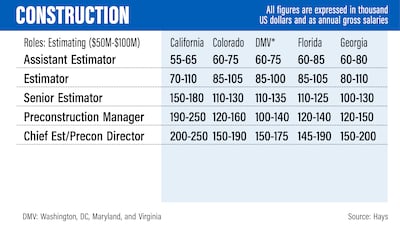
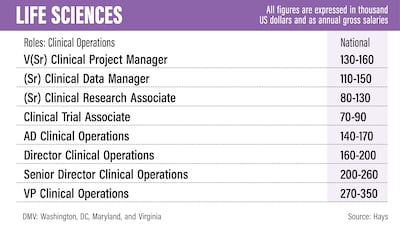
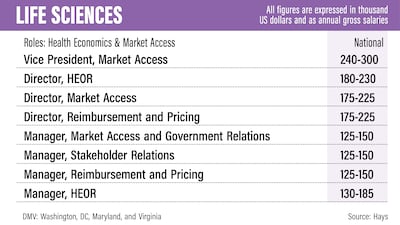
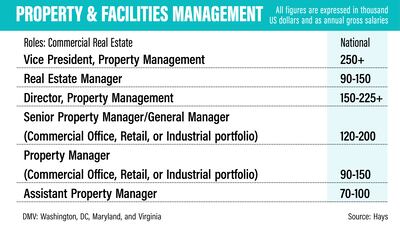
  • US salary guide 2022 - Hays
    US salary guide 2022 - Hays
  • US salary guide 2022 - Hays
    US salary guide 2022 - Hays
  • US salary guide 2022 - Hays
    US salary guide 2022 - Hays
  • US salary guide 2022 - Hays
    US salary guide 2022 - Hays
  • US salary guide 2022 - Hays
    US salary guide 2022 - Hays
  • US salary guide 2022 - Hays
    US salary guide 2022 - Hays
  • US salary guide 2022 - Hays
    US salary guide 2022 - Hays
  • US salary guide 2022 - Hays
    US salary guide 2022 - Hays
  • US salary guide 2022 - Hays
    US salary guide 2022 - Hays
  • US salary guide 2022 - Hays
    US salary guide 2022 - Hays
  • US salary guide 2022 - Hays
    US salary guide 2022 - Hays
  • US salary guide 2022 - Hays
    US salary guide 2022 - Hays
  • US salary guide 2022 - Hays
    US salary guide 2022 - Hays
  • US salary guide 2022 - Hays
    US salary guide 2022 - Hays
  • US salary guide 2022 - Hays
    US salary guide 2022 - Hays
  • US salary guide 2022 - Hays
    US salary guide 2022 - Hays

  • US salary guide 2022 - Hays

    US salary guide 2022 - Hays
  • US salary guide 2022 - Hays
    US salary guide 2022 - Hays
  • US salary guide 2022 - Hays
    US salary guide 2022 - Hays
  • US salary guide 2022 - Hays
    US salary guide 2022 - Hays
  • US salary guide 2022 - Hays
    US salary guide 2022 - Hays
  • US salary guide 2022 - Hays
    US salary guide 2022 - Hays
  • US salary guide 2022 - Hays
    US salary guide 2022 - Hays
  • US salary guide 2022 - Hays
    US salary guide 2022 - Hays
  • US salary guide 2022 - Hays
    US salary guide 2022 - Hays
  • US salary guide 2022 - Hays
    US salary guide 2022 - Hays
  • US salary guide 2022 - Hays
    US salary guide 2022 - Hays
  • US salary guide 2022 - Hays
    US salary guide 2022 - Hays
  • US salary guide 2022 - Hays
    US salary guide 2022 - Hays
  • US salary guide 2022 - Hays
    US salary guide 2022 - Hays
  • US salary guide 2022 - Hays
    US salary guide 2022 - Hays
  • US salary guide 2022 - Hays
    US salary guide 2022 - Hays
  • US salary guide 2022 - Hays
    US salary guide 2022 - Hays
  • US salary guide 2022 - Hays
    US salary guide 2022 - Hays
  • US salary guide 2022 - Hays
    US salary guide 2022 - Hays
  • US salary guide 2022 - Hays
    US salary guide 2022 - Hays
  • US salary guide 2022 - Hays
    US salary guide 2022 - Hays
  • US salary guide 2022 - Hays
    US salary guide 2022 - Hays
  • US salary guide 2022 - Hays
    US salary guide 2022 - Hays
  • US salary guide 2022 - Hays
    US salary guide 2022 - Hays
  • US salary guide 2022 - Hays
    US salary guide 2022 - Hays
  • US salary guide 2022 - Hays
    US salary guide 2022 - Hays
  • US salary guide 2022 - Hays
    US salary guide 2022 - Hays
  • US salary guide 2022 - Hays
    US salary guide 2022 - Hays
  • US salary guide 2022 - Hays
    US salary guide 2022 - Hays
  • US salary guide 2022 - Hays
    US salary guide 2022 - Hays
  • US salary guide 2022 - Hays
    US salary guide 2022 - Hays
  • US salary guide 2022 - Hays
    US salary guide 2022 - Hays
  • US salary guide 2022 - Hays
    US salary guide 2022 - Hays
  • US salary guide 2022 - Hays
    US salary guide 2022 - Hays
  • US salary guide 2022 - Hays
    US salary guide 2022 - Hays
  • US salary guide 2022 - Hays
    US salary guide 2022 - Hays
  • US salary guide 2022 - Hays
    US salary guide 2022 - Hays
  • US salary guide 2022 - Hays
    US salary guide 2022 - Hays
  • US salary guide 2022 - Hays
    US salary guide 2022 - Hays
  • US salary guide 2022 - Hays
    US salary guide 2022 - Hays
  • US salary guide 2022 - Hays
    US salary guide 2022 - Hays
  • US salary guide 2022 - Hays
    US salary guide 2022 - Hays
  • US salary guide 2022 - Hays
    US salary guide 2022 - Hays
  • US salary guide 2022 - Hays
    US salary guide 2022 - Hays
  • US salary guide 2022 - Hays
    US salary guide 2022 - Hays
  • US salary guide 2022 - Hays
    US salary guide 2022 - Hays
  • US salary guide 2022 - Hays
    US salary guide 2022 - Hays
  • US salary guide 2022 - Hays
    US salary guide 2022 - Hays
  • US salary guide 2022 - Hays
    US salary guide 2022 - Hays
  • US salary guide 2022 - Hays
    US salary guide 2022 - Hays
  • US salary guide 2022 - Hays
    US salary guide 2022 - Hays
  • US salary guide 2022 - Hays
    US salary guide 2022 - Hays
  • US salary guide 2022 - Hays
    US salary guide 2022 - Hays
  • US salary guide 2022 - Hays
    US salary guide 2022 - Hays
  • US salary guide 2022 - Hays
    US salary guide 2022 - Hays
  • US salary guide 2022 - Hays
    US salary guide 2022 - Hays
  • US salary guide 2022 - Hays
    US salary guide 2022 - Hays
  • US salary guide 2022 - Hays
    US salary guide 2022 - Hays
  • US salary guide 2022 - Hays
    US salary guide 2022 - Hays
The President's Cake

Director: Hasan Hadi

Starring: Baneen Ahmad Nayyef, Waheed Thabet Khreibat, Sajad Mohamad Qasem 

Rating: 4/5

Sun jukebox

Rufus Thomas, Bear Cat (The Answer to Hound Dog) (1953)

This rip-off of Leiber/Stoller’s early rock stomper brought a lawsuit against Phillips and necessitated Presley’s premature sale to RCA.

Elvis Presley, Mystery Train (1955)

The B-side of Presley’s final single for Sun bops with a drummer-less groove.

Johnny Cash and the Tennessee Two, Folsom Prison Blues (1955)

Originally recorded for Sun, Cash’s signature tune was performed for inmates of the titular prison 13 years later.

Carl Perkins, Blue Suede Shoes (1956)

Within a month of Sun’s February release Elvis had his version out on RCA.

Roy Orbison, Ooby Dooby (1956)

An essential piece of irreverent juvenilia from Orbison.

Jerry Lee Lewis, Great Balls of Fire (1957)

Lee’s trademark anthem is one of the era’s best-remembered – and best-selling – songs.

Global state-owned investor ranking by size

1.

United States

2.

China

3.

UAE

4.

Japan

5

Norway

6.

Canada

7.

Singapore

8.

Australia

9.

Saudi Arabia

10.

South Korea

Blonde
%3Cp%3E%3Cstrong%3EDirector%3A%20%3C%2Fstrong%3EAndrew%20Dominik%3Cbr%3E%3Cstrong%3EStars%3A%20%3C%2Fstrong%3EAna%20de%20Armas%2C%20Adrien%20Brody%2C%20Bobby%20Cannavale%3Cbr%3E%3Cstrong%3ERating%3A%20%3C%2Fstrong%3E3%2F5%3Cbr%3E%3C%2Fp%3E%0A
Voy!%20Voy!%20Voy!
%3Cp%3E%3Cstrong%3EDirector%3A%3C%2Fstrong%3E%20Omar%20Hilal%3Cbr%3E%3Cstrong%3EStars%3A%3C%2Fstrong%3E%20Muhammad%20Farrag%2C%20Bayoumi%20Fouad%2C%20Nelly%20Karim%3Cbr%3E%3Cstrong%3ERating%3A%3C%2Fstrong%3E%204%2F5%3C%2Fp%3E%0A
LUKA CHUPPI

Director: Laxman Utekar

Producer: Maddock Films, Jio Cinema

Cast: Kartik Aaryan, Kriti Sanon​​​​​​​, Pankaj Tripathi, Vinay Pathak, Aparshakti Khurana

Rating: 3/5

COMPANY%20PROFILE
%3Cp%3E%3Cstrong%3EName%3A%20%3C%2Fstrong%3EKinetic%207%3Cbr%3E%3Cstrong%3EStarted%3A%3C%2Fstrong%3E%202018%3Cbr%3E%3Cstrong%3EFounder%3A%3C%2Fstrong%3E%20Rick%20Parish%3Cbr%3E%3Cstrong%3EBased%3A%3C%2Fstrong%3E%20Abu%20Dhabi%2C%20UAE%3Cbr%3E%3Cstrong%3EIndustry%3A%3C%2Fstrong%3E%20Clean%20cooking%3Cbr%3E%3Cstrong%3EFunding%3A%3C%2Fstrong%3E%20%2410%20million%3Cbr%3E%3Cstrong%3EInvestors%3A%3C%2Fstrong%3E%20Self-funded%3C%2Fp%3E%0A

Founder: Ayman Badawi

Date started: Test product September 2016, paid launch January 2017

Based: Dubai, UAE

Sector: Software

Size: Seven employees

Funding: $170,000 in angel investment

Funders: friends

Mercer, the investment consulting arm of US services company Marsh & McLennan, expects its wealth division to at least double its assets under management (AUM) in the Middle East as wealth in the region continues to grow despite economic headwinds, a company official said.

Mercer Wealth, which globally has $160 billion in AUM, plans to boost its AUM in the region to $2-$3bn in the next 2-3 years from the present $1bn, said Yasir AbuShaban, a Dubai-based principal with Mercer Wealth.

Within the next two to three years, we are looking at reaching $2 to $3 billion as a conservative estimate and we do see an opportunity to do so,” said Mr AbuShaban.

Mercer does not directly make investments, but allocates clients’ money they have discretion to, to professional asset managers. They also provide advice to clients.

“We have buying power. We can negotiate on their (client’s) behalf with asset managers to provide them lower fees than they otherwise would have to get on their own,” he added.

Mercer Wealth’s clients include sovereign wealth funds, family offices, and insurance companies among others.

From its office in Dubai, Mercer also looks after Africa, India and Turkey, where they also see opportunity for growth.

Wealth creation in Middle East and Africa (MEA) grew 8.5 per cent to $8.1 trillion last year from $7.5tn in 2015, higher than last year’s global average of 6 per cent and the second-highest growth in a region after Asia-Pacific which grew 9.9 per cent, according to consultancy Boston Consulting Group (BCG). In the region, where wealth grew just 1.9 per cent in 2015 compared with 2014, a pickup in oil prices has helped in wealth generation.

BCG is forecasting MEA wealth will rise to $12tn by 2021, growing at an annual average of 8 per cent.

Drivers of wealth generation in the region will be split evenly between new wealth creation and growth of performance of existing assets, according to BCG.

Another general trend in the region is clients’ looking for a comprehensive approach to investing, according to Mr AbuShaban.

“Institutional investors or some of the families are seeing a slowdown in the available capital they have to invest and in that sense they are looking at optimizing the way they manage their portfolios and making sure they are not investing haphazardly and different parts of their investment are working together,” said Mr AbuShaban.

Some clients also have a higher appetite for risk, given the low interest-rate environment that does not provide enough yield for some institutional investors. These clients are keen to invest in illiquid assets, such as private equity and infrastructure.

“What we have seen is a desire for higher returns in what has been a low-return environment specifically in various fixed income or bonds,” he said.

“In this environment, we have seen a de facto increase in the risk that clients are taking in things like illiquid investments, private equity investments, infrastructure and private debt, those kind of investments were higher illiquidity results in incrementally higher returns.”

The Abu Dhabi Investment Authority, one of the largest sovereign wealth funds, said in its 2016 report that has gradually increased its exposure in direct private equity and private credit transactions, mainly in Asian markets and especially in China and India. The authority’s private equity department focused on structured equities owing to “their defensive characteristics.”

Will the pound fall to parity with the dollar?

The idea of pound parity now seems less far-fetched as the risk grows that Britain may split away from the European Union without a deal.

Rupert Harrison, a fund manager at BlackRock, sees the risk of it falling to trade level with the dollar on a no-deal Brexit. The view echoes Morgan Stanley’s recent forecast that the currency can plunge toward $1 (Dh3.67) on such an outcome. That isn’t the majority view yet – a Bloomberg survey this month estimated the pound will slide to $1.10 should the UK exit the bloc without an agreement.

New Prime Minister Boris Johnson has repeatedly said that Britain will leave the EU on the October 31 deadline with or without an agreement, fuelling concern the nation is headed for a disorderly departure and fanning pessimism toward the pound. Sterling has fallen more than 7 per cent in the past three months, the worst performance among major developed-market currencies.

“The pound is at a much lower level now but I still think a no-deal exit would lead to significant volatility and we could be testing parity on a really bad outcome,” said Mr Harrison, who manages more than $10 billion in assets at BlackRock. “We will see this game of chicken continue through August and that’s likely negative for sterling,” he said about the deadlocked Brexit talks.

The pound fell 0.8 per cent to $1.2033 on Friday, its weakest closing level since the 1980s, after a report on the second quarter showed the UK economy shrank for the first time in six years. The data means it is likely the Bank of England will cut interest rates, according to Mizuho Bank.

The BOE said in November that the currency could fall even below $1 in an analysis on possible worst-case Brexit scenarios. Options-based calculations showed around a 6.4 per cent chance of pound-dollar parity in the next one year, markedly higher than 0.2 per cent in early March when prospects of a no-deal outcome were seemingly off the table.

Bloomberg

UAE currency: the story behind the money in your pockets
ROUTE%20TO%20TITLE
%3Cp%3E%3Cstrong%3ERound%201%3A%3C%2Fstrong%3E%20Beat%20Leolia%20Jeanjean%206-1%2C%206-2%3Cbr%3E%3Cstrong%3ERound%202%3A%20%3C%2Fstrong%3EBeat%20Naomi%20Osaka%207-6%2C%201-6%2C%207-5%3Cbr%3E%3Cstrong%3ERound%203%3A%20%3C%2Fstrong%3EBeat%20Marie%20Bouzkova%206-4%2C%206-2%3Cbr%3E%3Cstrong%3ERound%204%3A%3C%2Fstrong%3E%20Beat%20Anastasia%20Potapova%206-0%2C%206-0%3Cbr%3E%3Cstrong%3EQuarter-final%3A%20%3C%2Fstrong%3EBeat%20Marketa%20Vondrousova%206-0%2C%206-2%3Cbr%3E%3Cstrong%3ESemi-final%3A%20%3C%2Fstrong%3EBeat%20Coco%20Gauff%206-2%2C%206-4%3Cbr%3E%3Cstrong%3EFinal%3A%3C%2Fstrong%3E%20Beat%20Jasmine%20Paolini%206-2%2C%206-2%3C%2Fp%3E%0A
Updated: June 25, 2022, 5:30 AM