

My landlord notified me of a 13 per cent annual rent increase 90 days before the expiry of the contract. However, the Real Estate Regulatory Agency’s rent calculator stipulates a rent increase of 5 per cent at lease renewal.
My landlord asked me to vacate the property when the lease ends if I am unwilling to pay the 13 per cent rent increase. He plans to serve me with an eviction notice and move into the property with his family next year. What do you advise? TM, Dubai
There are two points to cover here. Firstly, the rental increase. Any changes to a tenancy contract, including an increase in rent, has to be communicated in writing (email is OK), giving 90 days’ notice from the contract expiry date to all parties involved.
The allowable amount of increase is not determined by the landlord or tenant, or even the market price. Instead, it is determined by the Rera rent calculator. This can be found on the Dubai Land Department website.
Once all the required details are inputted, it calculates what the rent will be at renewal. Therefore, the fact that the landlord wants a 13 per cent increase is against the law, so you should refuse his demand at this stage.
However, it is important to note that the calculator is simply a guide. What you and your landlord agree on in terms of a rent increase is up to you both. When you don’t agree, the calculator can be used as an arbitrator.
It is important for the tenant and the landlord to keep a good business relationship for the foundation of future deals.
The second point to discuss is the landlord’s wish to use the property himself. This is legal and his right. He must serve you the statutory 12-month notice to vacate, which states this reason, and it should be sent through registered mail or notary public.
After you vacate, if you subsequently find out that he has re-let the property to someone else, you will be entitled to compensation.
A landlord is not allowed to re-let the unit for two years after evicting a tenant. You can file a case at the Rental Dispute Settlement Committee (RDSC) for this reason.
I rent a villa and renewed the lease in February this year. My landlord sold the property and the new buyer said he wants to live in the villa.
I received a formal 12-month notice to vacate on April 28, which was the date on the eviction letter signed by a notary public.
I want to contest this on the basis that the 12-month eviction notice should be served on the contract renewal date, not later.
Can I file a case in person at the RDSC or should I hire a lawyer? RJ, Dubai
When filing a case at the RDSC, there is no need to hire a lawyer and you can do it yourself.
While you are right that the 12-month eviction notice should be served upon expiry of the existing tenancy agreement as per Law 33 of 2008, some judges at the RDSC allow for the vacation notice to be served at any time during the contract.
Therefore, while it is your right to file a case, please be aware there is a chance that a judge could uphold the notice that was sent to you on April 28.
I sent my tenant a 12-month eviction notice through Dubai Courts in December 2021. Although the eviction date mentioned in the notice is December 2022, the rental contract is valid until July 2023.
What is the legally enforceable eviction date — December 2022 or July 2023? In case it is July 2023, do I have to file another eviction notice in July 2022? MH, Dubai
Law no 33 of 2008 states that the eviction notice of 12 months should be served upon expiry of the tenancy agreement.
That said, some landlords have served the notice at any time during the contract. It has been observed in the past that some judges at the RDSC have upheld this move.
However, as the law in the UAE is not set on precedent, I cannot confirm whether this will be the case for you if the tenant contests the date later by filing a case at the RDSC.
It is up to the presiding judge at the time of the hearing whether he or she accepts your 12-month eviction notice or requests you to serve it again in July 2022 for a further 12 months.
Mario Volpi is the sales and leasing manager at Engel & Volkers. He has worked in the property sector for more than 35 years, in London and Dubai. The opinions expressed do not constitute legal advice and are provided for information only. Please send any questions to mario.volpi@engelvoelkers.com
Dubai property apartment prices — May 2022
-
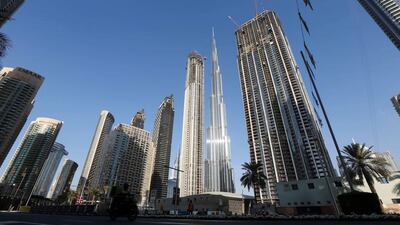
APARTMENT PRICES: Downtown Dubai rose by 0.7 per cent month-on-month in April to Dh2,034 per square foot. Reuters -
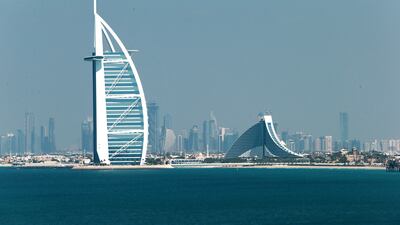
Jumeirah: Dh1,972 per square foot — up 3.5 per cent a month. The National -
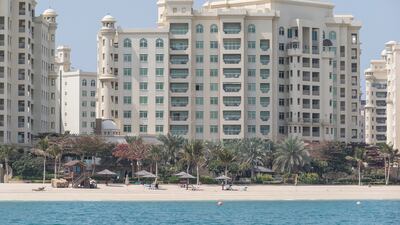
The Palm Jumeirah: Dh1,916 per square foot — up 4 per cent a month. Antonie Robertson / The National -
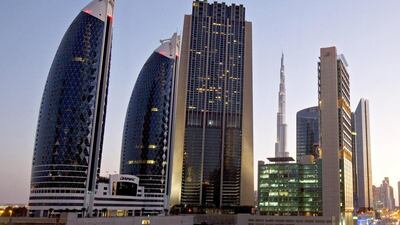
DIFC: Dh1,646 per square foot — up 1.2 per cent a month. Jeff Topping / The National -
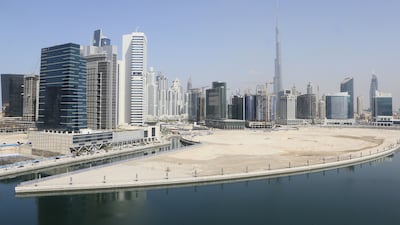
Business Bay: Dh1,502 per square foot — up 1.7 per cent a month. Sarah Dea / The National -
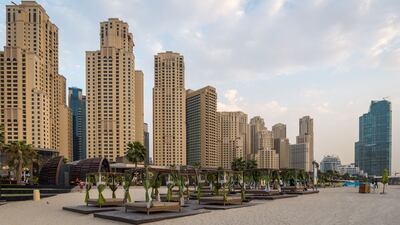
Jumeirah Beach Residence: Dh1,467 per square foot — down 2.2 per cent a month. Photo: LuxuryProperty.com -
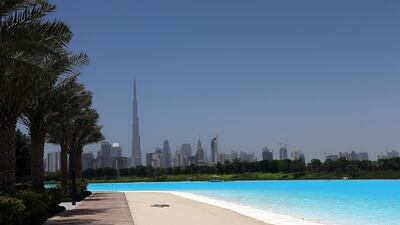
Mohammed bin Rashid City: Dh1,469 per square foot — down 0.2 per cent a month. Satish Kumar / The National -
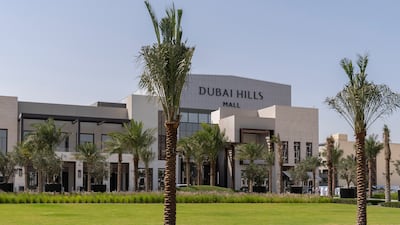
Dubai Hills: Dh1,448 per square foot — up 0.3 per cent a month. Photo: Emaar Malls Management -
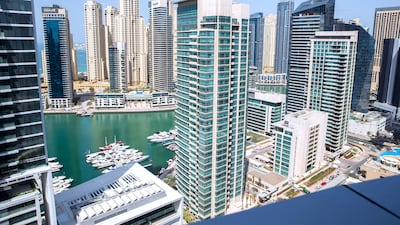
Dubai Marina: Dh1,366 per square foot — down 0.7 per cent a month. Victor Besa / The National -
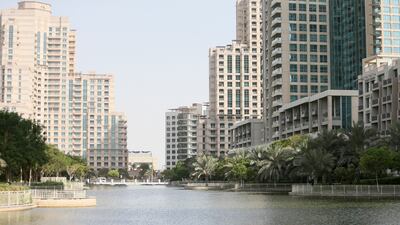
The Greens and The Views: Dh1,096 per square foot — down 0.6 per cent a month. Sarah Dea / The National -
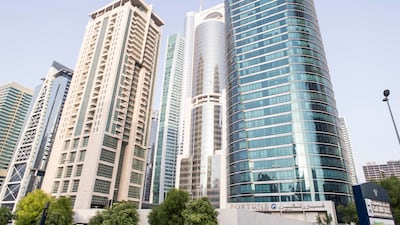
Jumeirah Lakes Towers: Dh983 per square foot — down 1.1 per cent a month. Antonie Robertson / The National -

Damac Hills: Dh978 per square foot — down 0.7 per cent a month. Pawan Singh / The National -
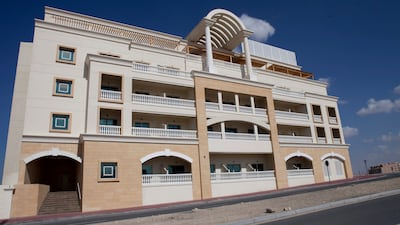
Jumeirah Village Circle: Dh896 per square foot — up 0.1 per cent a month. Razan Alzayani / The National -
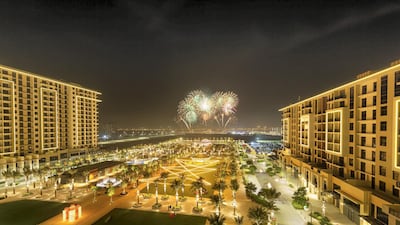
Town Square: Dh858 per square foot — down 1.9 per cent a month. -
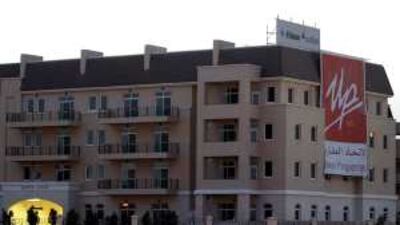
Motor City: Dh664 per square foot — down 0.7 per cent a month. -
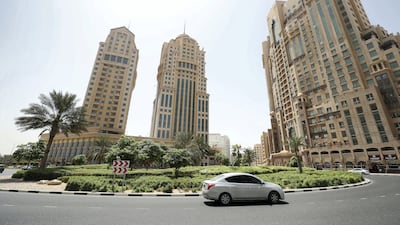
Dubai Silicon Oasis: Dh598 per square foot — down 0.7 per cent a month. Chris Whiteoak / The National -
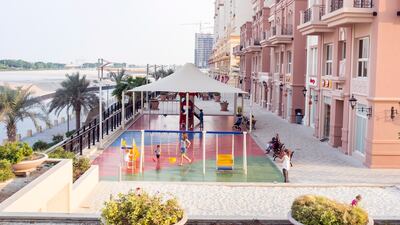
Dubai Sports City: Dh612 per square foot — down 1.1 per cent a month. Reem Mohammed / The National -
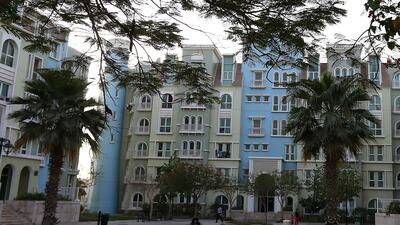
Discovery Gardens: Dh523 per square foot — down 2.2 per cent a month. Pawan Singh / The National -
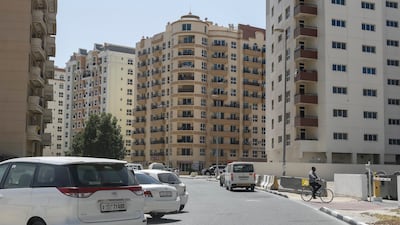
International City: Dh440 per square foot — down 0.6 per cent in a month. Antonie Robertson / The National



