


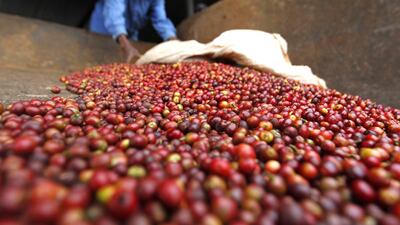
Coffee, once a reliable cash crop in Kenya, has been hard hit by the country’s erratic weather patterns. The Arabica bean, which accounts for 99 per cent of Kenya’s coffee, requires temperatures in the range of 18C to 21C for optimum production.
-
-
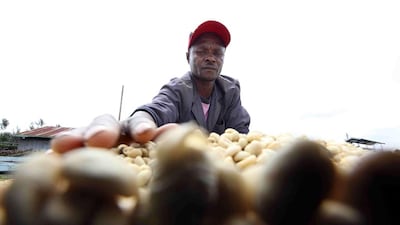
A worker spreads coffee beans to dry at a factory in Karatina. Kenyan beans from farms in the area and in neighbouring eastern provinces are sought after by global roasters who blend it with coffee from other nations. Noor Khamis / Reuters -
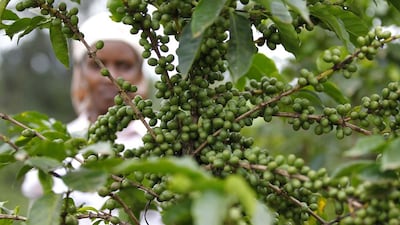
A farmer inspects coffee cherries at a plantation in Kienjege. Variations in weather conditions have seen a sharp decline in coffee output. Now Kenya has around 170,000 acres of land under the crop, producing about 50,000 tonnes annually. homas Mukoya / Reuters -
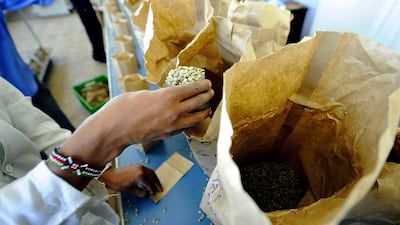
A worker sorts coffee beans according to quality at a factory in the Kenyan capital Nairobi. Tony Karumba / AFP -
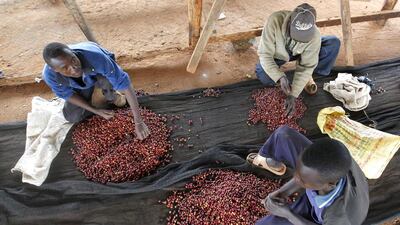
Workers sort coffee berries at a factory in Kienjege. Some Kenyan coffee farmers are losing their patience with coffee and are venturing into other enterprises or moving to cities. Thomas Mukoya / Reuters -
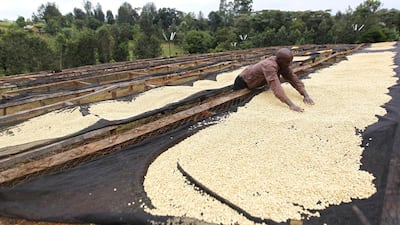
A farmer dries coffee beans at a factory in Kienjege. Kenyan coffee is cultivated on about 170,000 hectares with more than 600,000 small scale farmers each owning less than two hectares. There are 3,270 estates with farms of between two to 20 hectares. Thomas Mukoya / Reuters -
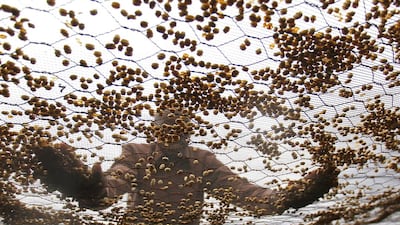
A farmer dries coffee beans at a factory in Kienjege. Farmers are diversifying into other cash crops such as banana and maize. Thomas Mukoya / Reuters -
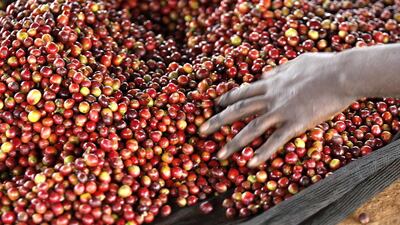
A worker sorts coffee berries at a factory in Kienjege. Kenyan beans are much sought after by roasters to blend with those of lower quality from other producing countries. Thomas Mukoya / Reuters -
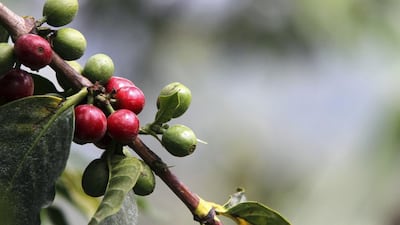
Kenya's earnings from coffee have taken a downward trend and now coffee ranks fourth after tourism, tea and horticulture. Noor Khamis / Reuters
In pictures: Bitter future for Kenya’s coffee producers
Most popular today

