Dubai received 9.88 million international visitors in the first six months of 2025, Crown Prince Sheikh Hamdan bin Mohammed said.
In a post on X, Sheikh Hamdan said the achievement reflects the vision of Sheikh Mohammed bin Rashid, Vice President and Ruler of Dubai, to position the emirate among the world's top three global tourism destinations, a target set under the Dubai Economic Agenda D33.
"The achievement has been driven by strong public-private partnerships and an effective global marketing strategy. A warm welcome to all our visitors – from the heart of the world – Dubai," Sheikh Hamdan said.
Dubai's Department of Economy and Tourism (DET) said the latest figure represents a 6 per cent year on year increase.
The data highlights Dubai's continuing growth as a global tourism hub, building on its record-breaking year of last year, when the city welcomed more than 18.72 million international visitors.
Tourism remains a cornerstone of Dubai's diversified economy, significantly contributing to the country's gross domestic product and job creation.
The Dubai Economic Agenda D33, launched in January 2023, aims to double the size of the emirate's economy to Dh32 trillion ($8.7 trillion) by 2033.
It features 100 transformational projects designed to make Dubai one of the world's top three cities for tourism, trade and investment. Enhancing visitor experiences and attracting global talent are central pillars of the agenda.
Source markets
Western Europe was the largest source market to Dubai and accounted for 22 per cent of visitors, followed by the CIS and Eastern Europe, and South Asia at 15 per cent each.
Combined, the GCC and Middle East and North Africa regions contributed 26 per cent of arrivals, with 1.51 million and 1.12 million arrivals, respectively.
Dubai's hotel sector achieved 80.6 per cent average occupancy, with 22.24 million room nights sold in the first six months of 2025, marking a 4 per cent increase from last year.
The average daily rate rose by 5 per cent, while revenue per available room increased by 7 per cent.
The emirate's accommodation portfolio reached 152,483 rooms across 822 establishments.
Helal Saeed Almarri, director general of DET, said Dubai's strong tourism performance "reflects the enduring strength and adaptability of our economic model, even amid persistent global headwinds".
Investments in luxury, wellness and experiential travel are helping sustain growth, he added.
Issam Kazim, chief executive of Dubai Corporation for Tourism and Commerce Marketing, said public-private partnerships and community engagement "have been instrumental in showcasing Dubai's destination offering to the world".
A year-round calendar of leisure, trade and MICE (meetings, incentives, conferences, and exhibitions) events have further diversified the city’s visitor base and generated significant economic impact, he added.
Infrastructure and sustainability
Under D33, Dubai has expanded its tourism offerings through the introduction of new attractions, cultural initiatives and infrastructure investments.
Significant developments, including theme parks, luxury resorts and expanded entertainment districts have strengthened Dubai's appeal to international travellers.
The government has also made efforts to enhance accessibility and sustainability in tourism, supporting inclusive destination certification and innovative urban projects, among others.
-
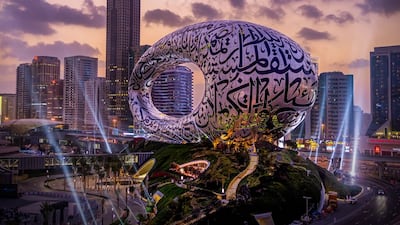
The Museum of the Future, with its remarkable architecture, has quickly become a highlight for visitors to Dubai. Photo: DTCM -
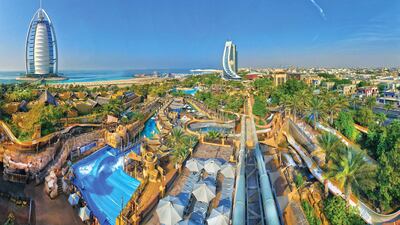
The Wild Wadi Waterpark in Jumeirah is one of the attractions that make Dubai a family-friendly destination. Photo: Wild Wadi -

The shops, cafes, bars and restaurants along Jumeirah Beach Residence in Dubai are popular among tourists. Photo: Reuters -
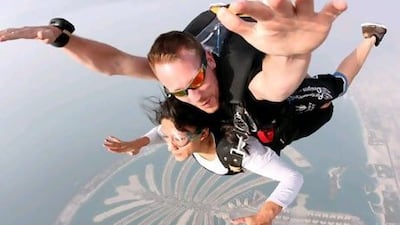
A jump at Skydive Dubai has become a must-do for daredevil visitors. Photo: Skydive Dubai -
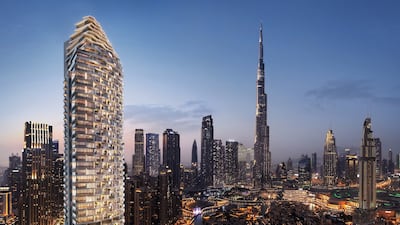
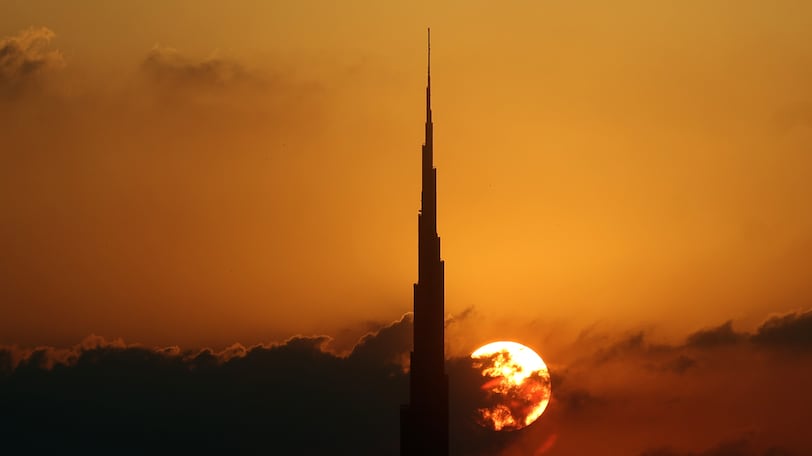
Admirers will say that the Burj Khalifa, the tallest tower in the world at about 830 metres, is Dubai's most famous tourist attraction. Photo: Dar Al Arkan -
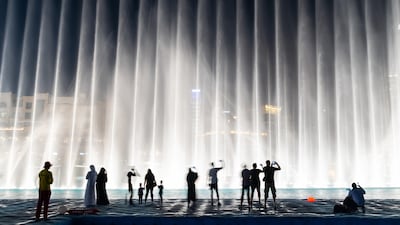
Visitors can enjoy an almost immersive experience of water and light at the Dubai Fountain. Photo: Alamy -

A visit to Dubai often involves a trip to Al Fahidi Fort, with its dhow installation to celebrate the Gulf's maritime history. Photo: Alamy -
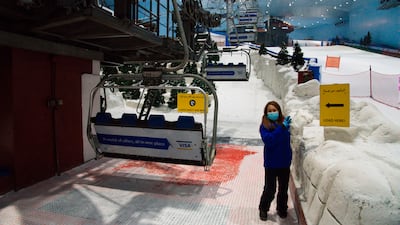
The ski lift at Ski Dubai inside the Mall of the Emirates. With its 22,500 square metres of skiiing, the centre is arguably one of the Gulf region's most eye-catching and unexpected attractions. Photo: AP -

Bluewaters Island, where the Ain Dubai wheel is located. Photo: Reuters -
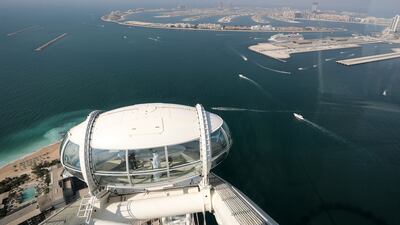
One of the pods on the Ain Dubai that offer visitors sweeping views of the city and Arabian Gulf waters. Chris Whiteoak / The National -
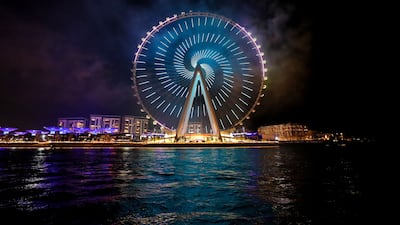
The Ain Dubai lights up. Chris Whiteoak / The National -

The Lost Chambers Aquarium at Atlantis, The Palm. Photo: Atlantis, The Palm


Combined with strong airline connectivity through Emirates and flydubai, these measures have positioned Dubai as a leading choice for leisure and business travellers alike.
With visitor numbers rising steadily, Dubai appears on track to surpass last year's record, advancing its goal of ranking among the world's top three global tourism destinations by 2033.

