


Saudi Arabia has signed 49 deals worth $925 million in the second quarter of 2022, as the Arab world’s largest economy continues to attract new investment into the country to diversify away from oil.
The deals were signed across sectors including advanced manufacturing, construction and real estate, information and communications technology, tourism, entertainment and sports.
The move will create 2,000 jobs, the Ministry of Investment in Saudi Arabia said on Sunday.
Some of the major deals include a $133.3m agreement between the Saudi Ports Authority and DP World to build a logistics park at Jeddah Islamic Port and a $37m funding round led by global finance major MasterCard into Saudi e-commerce firm HyperPay to expand the kingdom’s digital payment ecosystem.
“Despite global headwinds, we are seeing strong interest from global investors in diverse industries to partner with Saudi Arabia,” said the country's Minister of Investment, Khalid Al Falih.
The kingdom’s National Investment Strategy will “deliver on our Vision 2030 national objectives of seeing the private sector contribute 65 per cent to GDP [gross domestic product] and growing foreign direct investment to 5.7 per cent of GDP”, he added.
The National Investment Strategy, which was launched by Crown Prince Mohammed bin Salman in October, aims to attract 388 billion riyals ($103.47bn) in FDI annually, according to the state-run Saudi Press Agency.
Other investments signed by Saudi Arabia during the quarter include a strategic agreement with pharmaceutical multinational Novartis to grow Saudi Arabia’s biopharmaceutical capabilities, a $50m investment by Aramco’s Wa’ed Ventures into Saudi FinTech Wahed and a deal by Ma’aden to build the world’s largest solar-powered steam plant to be used to refine bauxite into alumina.
The latest data also highlights opportunities within Saudi Arabia’s tourism industry as the country focuses on building new tourism projects.
"The synergies between the National Investment Strategy and the National Tourism Strategy will see the development of a strong, attractive tourism product,” Mr Al Falih, said.
“While the global tourism industry remains subdued, tourism industry investors are showing strong interest in the potential of Saudi Arabia.”
-
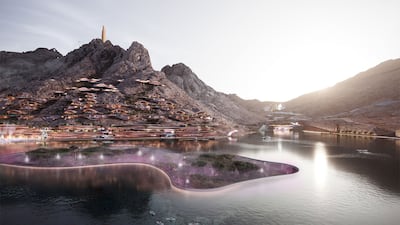
Trojena will open in 2026 as part of Saudi Arabia's megacity of the future. Photo: Neom -
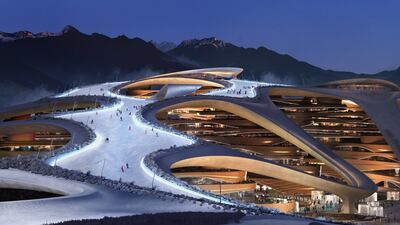
Trojena is designed to attract visitors, holidaymakers and winter sports enthusiasts from around the world. PA -
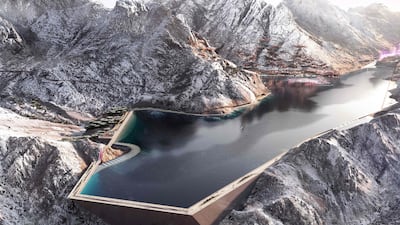
The design plan for Trojena, an area in Saudi Arabia's planned megacity of Neom chosen to host the 2029 Asian Winter Games. AFP -

The Line is also being built at Neom. It will be free of cars and streets and have zero carbon emissions. Photo: Neom -
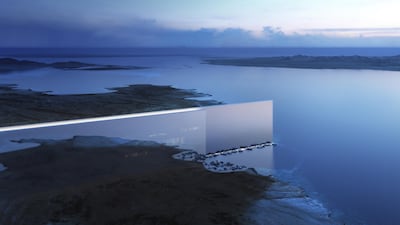
Neom chief executive Nadhmi Al Nasr said The Line would make use of artificial intelligence technology to the fullest. Photo: Neom -
Neom city will be powered by clean energy, officials say. Photo: Neom -
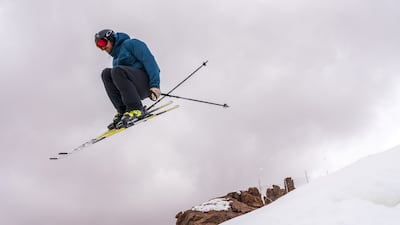
Trojena in Neom will host the first outdoor snow skiing destination in the GCC region. Photo: Neom -
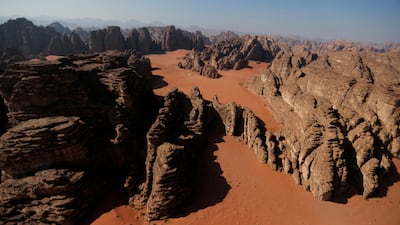
Neom lies in a desert bordering the Red Sea in Saudi Arabia. Reuters -
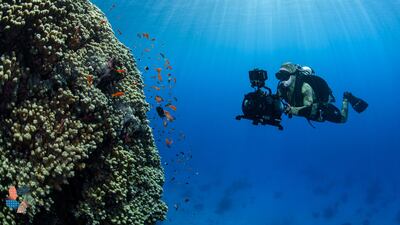
Architects say Neom will be designed to make the most of its environmental surroundings. Photo: Neom -
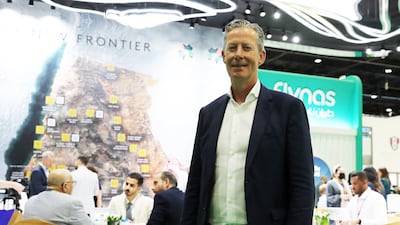
Andrew McEvoy, sector head for tourism at Neom, at Arabian Travel Market held at Dubai World Trade Centre. Pawan Singh / The National -
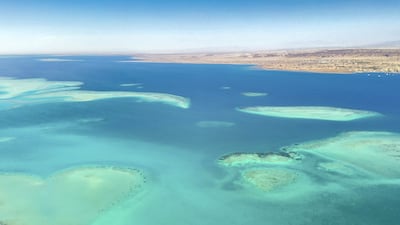
The $500bn Neom project in the Tabuk Province of north-western Saudi Arabia is supported by the kingdom's Public Investment Fund. Photo: Saudi Commission for Tourism and Natural Heritage


Saudi Arabia is developing a number of tourism projects, including Neom, a $500bn futuristic city comprising a nature reserve, coral reefs and heritage sites on a number of islands along the Red Sea, and Qiddiya, a huge entertainment and sports project.
The Red Sea Development Company, which is building a mega-tourism project on Saudi Arabia’s west coast, signed deals in May with hospitality groups Ritz-Carlton, Hyatt and Rosewood to develop luxury resorts. Radisson and Hilton also said that they are looking to open 20 and 59 new hotels in the kingdom, respectively.
The kingdom's national airline, Saudia, also said that it is adding 94 new destinations to bring visitors to Saudi Arabia, as new projects boost the kingdom's tourism potential.
Last week, Saudi Arabia said it set up a promotion authority to attract more regional and international investment.
Saudi Arabia, the world's leading oil exporter, recovered in 2021 from the coronavirus-induced slowdown, with economic activity picking up momentum this year as oil prices rose.
In the second quarter of this year, Saudi Arabia's economy grew nearly 12 per cent, according to flash estimates released by the kingdom’s General Authority for Statistics this week.

