


Bahrain's economy is expected to grow 3 per cent in 2022 on the back of higher oil prices and output and a rebound from the Covid-19 pandemic, according to a new study from the National Bank of Kuwait.
Fiscal balance in the Gulf country — which posted a 2.2 growth in its gross domestic product in 2021 — is projected to swing back into a surplus this year, well ahead of Manama's pandemic-delayed target of achieving a balance by 2024, NBK said in its macroeconomic outlook.
While economic output is expected to surpass pre-pandemic levels, high debt levels remain a concern. Any retreat in oil prices or an incomplete implementation of the country's fiscal balance programme (FBP) goals are risks for growth, the lender said.
Although Bahrain is one of the Gulf region’s most diversified economies, it could benefit even more than others from higher oil revenues given its particular financial vulnerabilities that the reform programme aims to address, NBK said.
"Indeed, the government could record its first fiscal surplus in 14 years in 2022, beating its [pandemic-delayed] target of balancing the budget by 2024," the lender said.
Things are looking up for Bahrain's economy as it implements a major FBP, which, NBK says, will drive the country's growth outlook in the medium term.
Last month, Moody's Investors Service revised its outlook for Bahrain to 'stable' from 'negative' as the country's economy benefits from high oil prices and the government continues its fiscal reforms.
The rating agency also affirmed the country's B2 long-term issuer and senior unsecured ratings. The change in outlook “reflects an easing of downside risks to Bahrain's ratings”, it said.
Manama's revised targets under the programme were based on a projected oil price of $60 per barrel in 2022 to 2024, which now looks "too pessimistic", according to NBK.
"We see the budget swinging from a deficit of 3.7 per cent of the GDP in 2021 to a small surplus this year and next. As well as the jump in oil revenues, non-oil receipts will be boosted to around 6.2 per cent of the GDP in 2022-2023 by the impact of higher VAT [value-added tax] and enhanced revenue collection," NBK said.
"The government also looks set to stick with FBP initiatives of rationalising spending, including reducing manpower and streamlining subsidies, reinforcing its commitment to reform. It is targeting spending of 20 per cent of the GDP by 2024, down from a recent peak of 28.7 per cent in 2020."
NBK forecasts Bahrain's non-oil growth at 3 per cent in 2022 — slightly better than last year — in part due to Covid-19-related restrictions largely lifted through the first quarter of 2022 and which have not been re-imposed.
The crucial financial sector — which comprises 20 per cent of the non-oil GDP — would benefit from stronger activity and higher interest rates, which, in turn, should help offset the drag on activity from fiscal consolidation measures, it added.
-
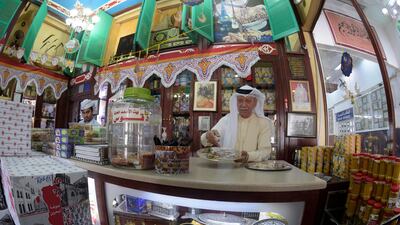
The month of Ramadan is a period of appreciation for traditional sweets in Bahrain. All photos: AFP -

Bahrainis with a sweet tooth have long been spoilt for choice with a wide array of dessert franchises, but traditional confectioners still hold their ground. -
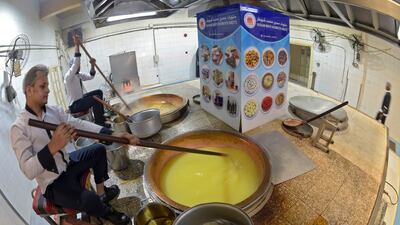
Workers prepare Halwa, a Bahraini sweet made primarily from sugar, corn starch, saffron and nuts at Hussain Showaiter Sweets at the Muharraq island store in northern Bahrain. -
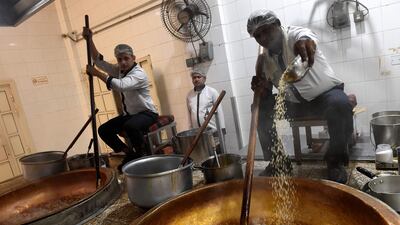
Bahraini confections are a fixture on tables for the iftar meal. -

Workers prepare sweet sambosa at Hussain Showaiter Sweets in northern Bahrain. -
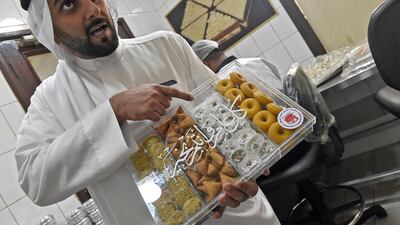
Muhana Fouad Hussain Showaiter, general manager at Hussain Showaiter Sweets and fifth generation member of the family-run business, shows special packaging introduced for Ramadan during a factory tour on Muharraq island. -
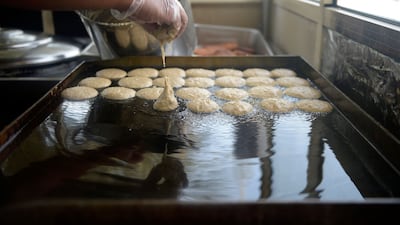
Saleh Al Halwachi, co-owner of Saleh Radhi Al Halwachi Sweets, makes Bahraini saffron and cardamom cakes known as khanfaroosh, at his shop in Jid Hafs village on the outskirts of the Bahraini capital, Manama. -
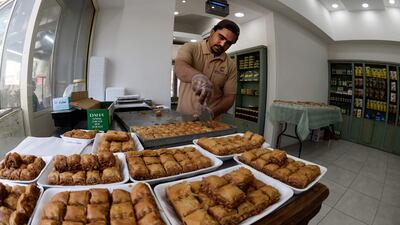
Confectioners are not averse to innovating to appeal to a younger clientele. -

An expert in Bahrain's popular heritage said that while innovative twists are popular, people still prefer 'sweets in their traditional form'. -

Saleh Radhi Al Halwachi sweet shop in Jid Hafs village on the outskirts of Manama.


The Central Bank of Bahrain — along with the banking regulators of Saudi Arabia, the UAE, Kuwait and Qatar — on May 5 increased its key policy interest rate on the one-week deposit facility by 50 basis points to 1.75 per cent from 1.25 per cent, following the Federal Reserve's move to raise its key rate by half a percentage point, the US central bank's most aggressive decision in 22 years.
Also raised were the overnight deposit rate to 1.5 per cent from 1 per cent, the four-week deposit rate to 2.5 per cent from 1.75 per cent and the lending rates to 3 per cent from 2.5 per cent.
"Higher interest rates could also worsen public sector debt dynamics. On the other side, higher oil prices or rapid and successful reform execution could improve non-oil growth and the government’s credit rating," NBK said.
The central bank earlier this month also set new rules governing crowdfunding-based activities as the country looks to open up more avenues of funding for smaller businesses and broaden the pool of liquidity.
Bahrain's tourism and hospitality segments are also expected to continue their recovery, while the hydrocarbon sector is projected to expand slightly in accordance with the planned oil production hikes by the Opec+ alliance.
Inflation in Bahrain surged to a six-year high of 3.2 per cent year-on-year in February, mostly driven by the doubling of VAT to 10 per cent from January. A combination of this, recovering demand and higher global commodity prices will push inflation to a still-moderate 3 per cent on average in 2022-23, NBK projected.

