Frozen conflicts sometimes rekindle but rarely melt away entirely.
Azerbaijan may have just achieved that, retaking the territory of Nagorno-Karabakh from Armenia. Defeat for Russia’s position in the Caucasus and a success for Turkey reconfigures power in this critical region of energy transit.
Nagorno-Karabakh, the “mountainous black garden”, was transferred to the Soviet republic of Azerbaijan by Joseph Stalin in 1923 despite its majority Armenian population.
After the collapse of the USSR, Armenia seized control of the territory and the interposed areas of Azerbaijan, with Russian support, in a protracted war from 1991 to 1993. Oddly, Iran also backed Yerevan, possibly fearing ethnic separatism among its large Azeri population. Supreme leader Ayatollah Ali Khamenei is himself half-Azeri.
The self-proclaimed Republic of Artsakh became one of several disputed lands around the former Soviet bloc, including South Ossetia and Abkhazia in Georgia and Transnistria in Moldova. This Russian playbook was then revived in its seizure in 2014 of Crimea and parts of Donetsk and Luhansk.
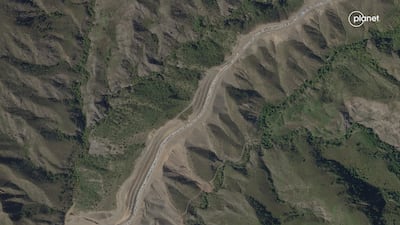
But landlocked Armenia, with its population of under 3 million, was always going to struggle to hold on against Azerbaijan, with more than 10 million people and strong oil and gas revenue. It missed the chance for a favourable diplomatic solution. In 2020, Azerbaijan waged a short war. It recaptured areas and reopened the Zangezur Corridor to its exclave of Nakhchivan.
At last September’s Shanghai Co-operation Organisation meeting in the Uzbek city of Samarkand, Central Asia leaders showed a marked lack of respect for Vladimir Putin. Azerbaijan’s President Ilham Aliyev even felt able to meet Ukrainian leader Volodymyr Zelenskyy in June.
Armenian Prime Minister Nikol Pashinyan also expressed support for Ukraine following the Russian invasion. Although he offered major diplomatic concessions to Azerbaijan, with Russian forces floundering in their war, Moscow needing to keep Azerbaijan friendly to safeguard its route from Iran, and Turkey in a strong diplomatic position, Baku decided it was time to strike again.
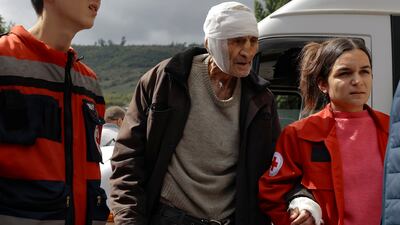
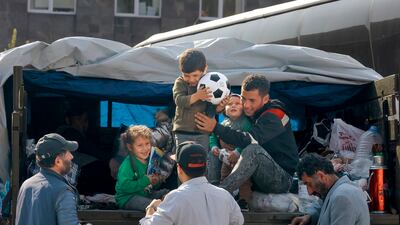
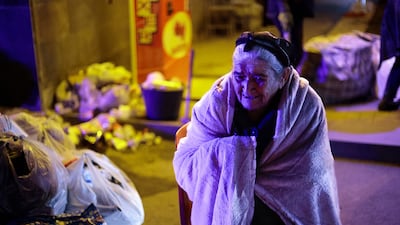
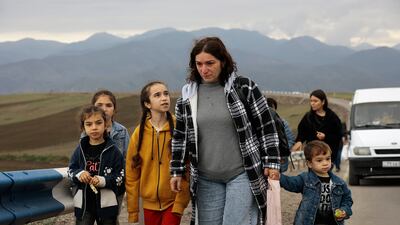
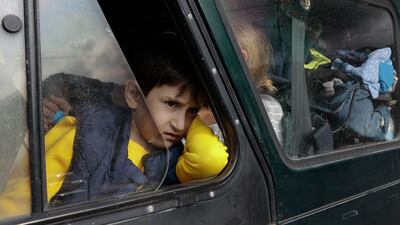
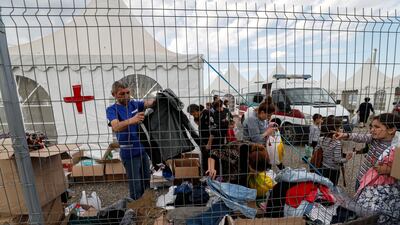
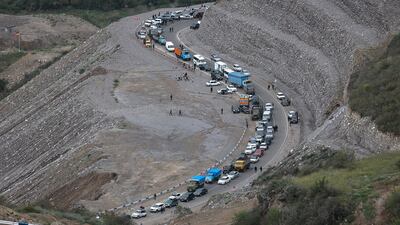
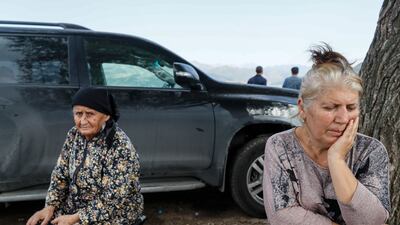
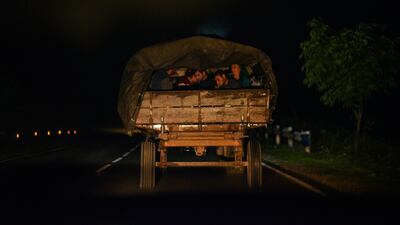
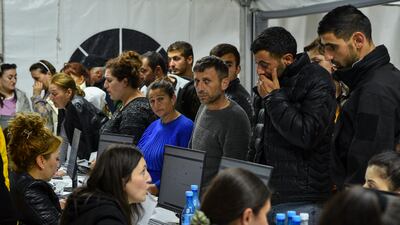
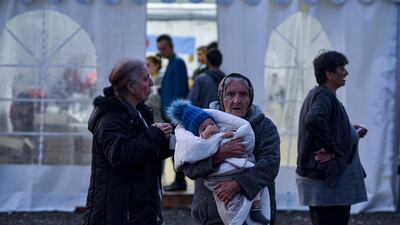
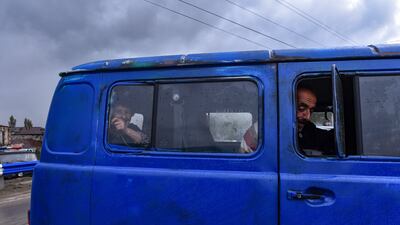
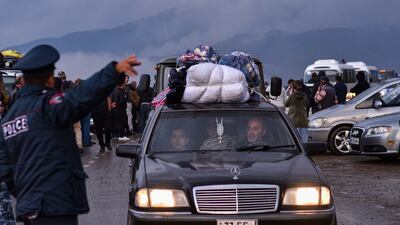
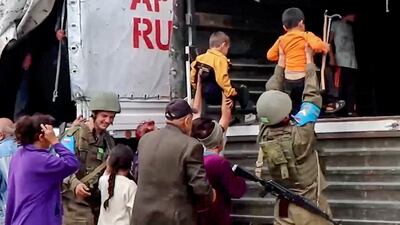
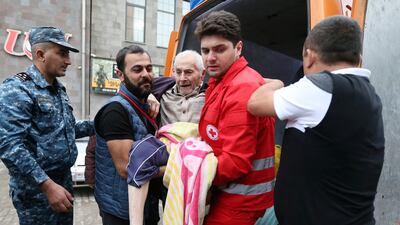
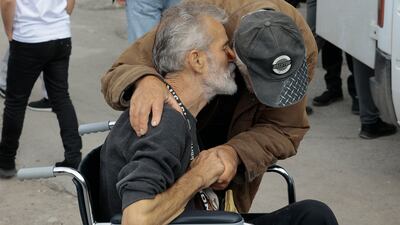
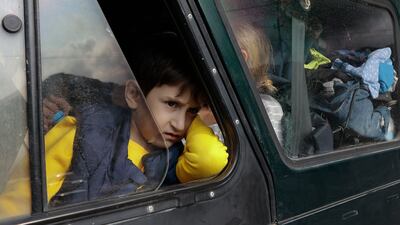
It appears to have regained control over all of Karabakh. Most of the population have fled and Artsakh’s government said it would dissolve itself. Russian “peacekeepers” remain, but their purpose now is unclear. As Nakhichivan adjoins Turkey, there is now a land bridge from Istanbul to Baku, and, across the Caspian, a route to the Turkic states of Central Asia.
Key oil and gas pipelines run from Azerbaijan through Georgia to Turkey and on to world markets.
Kazakhstan is seeking to expand its exports of oil via the Baku-Tbilisi-Ceyhan pipeline to diminish its reliance on the Caspian pipeline to Russia’s Black Sea port of Novorossiysk, worryingly close to the fighting in Ukraine, which suffered a shutdown last July allegedly for storm damage.
The Trans-Anatolian Pipeline (Tanap) opened in 2018, connecting to the Trans-Adriatic Pipeline which in 2020 began supplying Greece, Albania and Italy.
In January 2021, Turkmenistan and Azerbaijan finally resolved to develop the cross-border Dostluk (Friendship) oil and gasfield in the middle of the Caspian Sea.
That could, in turn, pave the way for the long-awaited Trans-Caspian pipeline to bring some of Turkmenistan’s gas resources westward.
Russian oil major Lukoil, which seemed likely to lead the development of Dostluk, may now be pushed out.
In July 2022, the European Commission signed a declaration with Baku to “aspire” to increase gas imports to at least 20 billion cubic metres per year by 2027, with current capacity at half that. In August, Adnoc agreed to buy a stake in the Absheron gasfield in the Caspian, operated by France’s TotalEnergies, which will feed an expansion of Tanap.
Turkey, which for long had minimal hydrocarbon resources, is now developing two sizeable fields in the Black Sea, and its state gas company Botaş just agreed to supply Romania.
Azerbaijan is also looking into green hydrogen production from wind and solar power, in co-operation with Masdar.
This is all very welcome to Europe as it seeks to replace Russian gas. But it means Brussels has limited diplomatic leverage over issues such as the rights of Armenians in Nagorno-Karabakh.
It has now exchanged reliance on Russia with a troubling need for Turkey as a transit state. Though a Nato member, Turkey under President Erdogan has not shied away from controversies.
Last Monday, Mr Erdogan and Mr Aliyev attended the groundbreaking for a new pipeline to supply Nakhchivan. That the two presidents would appear for the opening of what in itself is a small project signals Turkey’s aim to develop itself into a gas corridor, and its alignment in that with Baku. Mr Erdogan was explicit: “I’m very pleased to be with all of you as we connect Nakhchivan with the Turkish world.”
Gas from Iraq’s Kurdistan region would have to pass through Turkey, which is also a possible route for the bounty of the eastern Mediterranean. The shutdown of the Iraq-Turkey oil pipeline since March after an unfavourable arbitration ruling against Ankara is another reminder of its willingness to play tough.
As a transit state, Turkey has arguably even more leverage than a supplier such as Russia, since its direct earnings are relatively small, and it can therefore be more willing to lose them.
This realignment in the Caucasus also worries Iran, particularly given Azerbaijan’s links with Israel. While the EU is indecisive, America is focused elsewhere, Russia is struggling to cling on in Ukraine and Iran remains economically isolated, Turkey has seized its opportunity. Iran previously supplied some gas to Nakhichivan and Armenia, while Turkey is its most important export market. That is now all under threat.
Now, will Azerbaijan’s victory finally bring peace to the South Caucasus? Will parties to any of the other frozen conflicts take advantage of Moscow’s weakness, and reheat them? Will Turkey finally manage what it could not from the early 1990s, and build real physical links to the Central Asian states? And will Europe manage to integrate these changes into its energy security strategy, without compromising its ethical or environmental principles? This short war raises more difficult questions than it answers.
Robin M. Mills is chief executive of Qamar Energy and author of The Myth of the Oil Crisis

Match info:
Portugal 1
Ronaldo (4')
Morocco 0
Grand slam winners since July 2003
Who has won major titles since Wimbledon 2003 when Roger Federer won his first grand slam
Roger Federer 19 (8 Wimbledon, 5 Australian Open, 5 US Open, 1 French Open)
Rafael Nadal 16 (10 French Open, 3 US Open, 2 Wimbledon, 1 Australian Open)
Novak Djokovic 12 (6 Australian Open, 3 Wimbledon, 2 US Open, 1 French Open)
Andy Murray 3 (2 Wimbledon, 1 US Open)
Stan Wawrinka 3 (1 Australian Open, 1 French Open, 1 US Open)
Andy Roddick 1 (1 US Open)
Gaston Gaudio 1 (1 French Open)
Marat Safin 1 (1 Australian Open)
Juan Martin del Potro 1 (1 US Open)
Marin Cilic 1 (1 US Open)
COMPANY%20PROFILE%20
%3Cp%3E%3Cstrong%3EName%3A%3C%2Fstrong%3E%20Haltia.ai%0D%3Cbr%3E%3Cstrong%3EStarted%3A%3C%2Fstrong%3E%202023%0D%3Cbr%3E%3Cstrong%3ECo-founders%3A%3C%2Fstrong%3E%20Arto%20Bendiken%20and%20Talal%20Thabet%0D%3Cbr%3E%3Cstrong%3EBased%3A%3C%2Fstrong%3E%20Dubai%2C%20UAE%0D%3Cbr%3E%3Cstrong%3EIndustry%3A%3C%2Fstrong%3E%20AI%0D%3Cbr%3E%3Cstrong%3ENumber%20of%20employees%3A%3C%2Fstrong%3E%2041%0D%3Cbr%3E%3Cstrong%3EFunding%3A%3C%2Fstrong%3E%20About%20%241.7%20million%0D%3Cbr%3E%3Cstrong%3EInvestors%3A%3C%2Fstrong%3E%20Self%2C%20family%20and%20friends%26nbsp%3B%3C%2Fp%3E%0A
Specs
Engine: 51.5kW electric motor
Range: 400km
Power: 134bhp
Torque: 175Nm
Price: From Dh98,800
Available: Now
SPEC%20SHEET
%3Cp%3E%3Cstrong%3EProcessor%3A%3C%2Fstrong%3E%20Apple%20M2%2C%208-core%20CPU%2C%20up%20to%2010-core%20CPU%2C%2016-core%20Neural%20Engine%3C%2Fp%3E%0A%3Cp%3E%3Cstrong%3EDisplay%3A%3C%2Fstrong%3E%2013.6-inch%20Liquid%20Retina%2C%202560%20x%201664%2C%20224ppi%2C%20500%20nits%2C%20True%20Tone%2C%20wide%20colour%3C%2Fp%3E%0A%3Cp%3E%3Cstrong%3EMemory%3A%3C%2Fstrong%3E%208%2F16%2F24GB%3C%2Fp%3E%0A%3Cp%3E%3Cstrong%3EStorage%3A%3C%2Fstrong%3E%20256%2F512GB%20%2F%201%2F2TB%3C%2Fp%3E%0A%3Cp%3E%3Cstrong%3EI%2FO%3A%3C%2Fstrong%3E%20Thunderbolt%203%20(2)%2C%203.5mm%20audio%2C%20Touch%20ID%3C%2Fp%3E%0A%3Cp%3E%3Cstrong%3EConnectivity%3A%3C%2Fstrong%3E%20Wi-Fi%206%2C%20Bluetooth%205.0%3C%2Fp%3E%0A%3Cp%3E%3Cstrong%3EBattery%3A%3C%2Fstrong%3E%2052.6Wh%20lithium-polymer%2C%20up%20to%2018%20hours%2C%20MagSafe%20charging%3C%2Fp%3E%0A%3Cp%3E%3Cstrong%3ECamera%3A%3C%2Fstrong%3E%201080p%20FaceTime%20HD%3C%2Fp%3E%0A%3Cp%3E%3Cstrong%3EVideo%3A%3C%2Fstrong%3E%20Support%20for%20Apple%20ProRes%2C%20HDR%20with%20Dolby%20Vision%2C%20HDR10%3C%2Fp%3E%0A%3Cp%3E%3Cstrong%3EAudio%3A%3C%2Fstrong%3E%204-speaker%20system%2C%20wide%20stereo%2C%20support%20for%20Dolby%20Atmos%2C%20Spatial%20Audio%20and%20dynamic%20head%20tracking%20(with%20AirPods)%3C%2Fp%3E%0A%3Cp%3E%3Cstrong%3EColours%3A%3C%2Fstrong%3E%20Silver%2C%20space%20grey%2C%20starlight%2C%20midnight%3C%2Fp%3E%0A%3Cp%3E%3Cstrong%3EIn%20the%20box%3A%3C%2Fstrong%3E%20MacBook%20Air%2C%2030W%20or%2035W%20dual-port%20power%20adapter%2C%20USB-C-to-MagSafe%20cable%3C%2Fp%3E%0A%3Cp%3E%3Cstrong%3EPrice%3A%3C%2Fstrong%3E%20From%20Dh4%2C999%3C%2Fp%3E%0A
Mercer, the investment consulting arm of US services company Marsh & McLennan, expects its wealth division to at least double its assets under management (AUM) in the Middle East as wealth in the region continues to grow despite economic headwinds, a company official said.
Mercer Wealth, which globally has $160 billion in AUM, plans to boost its AUM in the region to $2-$3bn in the next 2-3 years from the present $1bn, said Yasir AbuShaban, a Dubai-based principal with Mercer Wealth.
“Within the next two to three years, we are looking at reaching $2 to $3 billion as a conservative estimate and we do see an opportunity to do so,” said Mr AbuShaban.
Mercer does not directly make investments, but allocates clients’ money they have discretion to, to professional asset managers. They also provide advice to clients.
“We have buying power. We can negotiate on their (client’s) behalf with asset managers to provide them lower fees than they otherwise would have to get on their own,” he added.
Mercer Wealth’s clients include sovereign wealth funds, family offices, and insurance companies among others.
From its office in Dubai, Mercer also looks after Africa, India and Turkey, where they also see opportunity for growth.
Wealth creation in Middle East and Africa (MEA) grew 8.5 per cent to $8.1 trillion last year from $7.5tn in 2015, higher than last year’s global average of 6 per cent and the second-highest growth in a region after Asia-Pacific which grew 9.9 per cent, according to consultancy Boston Consulting Group (BCG). In the region, where wealth grew just 1.9 per cent in 2015 compared with 2014, a pickup in oil prices has helped in wealth generation.
BCG is forecasting MEA wealth will rise to $12tn by 2021, growing at an annual average of 8 per cent.
Drivers of wealth generation in the region will be split evenly between new wealth creation and growth of performance of existing assets, according to BCG.
Another general trend in the region is clients’ looking for a comprehensive approach to investing, according to Mr AbuShaban.
“Institutional investors or some of the families are seeing a slowdown in the available capital they have to invest and in that sense they are looking at optimizing the way they manage their portfolios and making sure they are not investing haphazardly and different parts of their investment are working together,” said Mr AbuShaban.
Some clients also have a higher appetite for risk, given the low interest-rate environment that does not provide enough yield for some institutional investors. These clients are keen to invest in illiquid assets, such as private equity and infrastructure.
“What we have seen is a desire for higher returns in what has been a low-return environment specifically in various fixed income or bonds,” he said.
“In this environment, we have seen a de facto increase in the risk that clients are taking in things like illiquid investments, private equity investments, infrastructure and private debt, those kind of investments were higher illiquidity results in incrementally higher returns.”
The Abu Dhabi Investment Authority, one of the largest sovereign wealth funds, said in its 2016 report that has gradually increased its exposure in direct private equity and private credit transactions, mainly in Asian markets and especially in China and India. The authority’s private equity department focused on structured equities owing to “their defensive characteristics.”
How to help
Call the hotline on 0502955999 or send "thenational" to the following numbers:
2289 - Dh10
2252 - Dh50
6025 - Dh20
6027 - Dh100
6026 - Dh200
'Cheb%20Khaled'
%3Cp%3E%3Cstrong%3EArtist%3A%20%3C%2Fstrong%3EKhaled%3Cbr%3E%3Cstrong%3ELabel%3A%20%3C%2Fstrong%3EBelieve%3Cbr%3E%3Cstrong%3ERating%3A%3C%2Fstrong%3E%204%2F5%3C%2Fp%3E%0A
More from Neighbourhood Watch:
Blackpink World Tour [Born Pink] In Cinemas
Starring: Rose, Jisoo, Jennie, Lisa
Directors: Min Geun, Oh Yoon-Dong
Rating: 3/5
The biog
Favourite Emirati dish: Fish machboos
Favourite spice: Cumin
Family: mother, three sisters, three brothers and a two-year-old daughter
Avatar%3A%20The%20Way%20of%20Water
%3Cp%3E%3Cstrong%3EDirector%3A%20%3C%2Fstrong%3EJames%20Cameron%3C%2Fp%3E%0A%3Cp%3E%3Cstrong%3EStars%3A%20%3C%2Fstrong%3ESam%20Worthington%2C%20Zoe%20Saldana%2C%20Sigourney%20Weaver%3C%2Fp%3E%0A%3Cp%3E%3Cstrong%3ERating%3A%20%3C%2Fstrong%3E3.5%2F5%3C%2Fp%3E%0A
David Haye record
Total fights: 32
Wins: 28
Wins by KO: 26
Losses: 4
Match info
What: Fifa Club World Cup play-off
Who: Al Ain v Team Wellington
Where: Hazza bin Zayed Stadium, Al Ain
When: Wednesday, kick off 7.30pm
Alan%20Wake%20Remastered%20
%3Cp%3E%3Cstrong%3EDeveloper%3A%20%3C%2Fstrong%3ERemedy%20Entertainment%3Cbr%3E%3Cstrong%3EPublisher%3A%3C%2Fstrong%3E%20Microsoft%20Game%20Studios%3Cbr%3E%3Cstrong%3EConsoles%3A%3C%2Fstrong%3E%20PlayStation%204%20%26amp%3B%205%2C%20Xbox%3A%20360%20%26amp%3B%20One%20%26amp%3B%20Series%20X%2FS%20and%20Nintendo%20Switch%3Cbr%3E%3Cstrong%3ERating%3A%3C%2Fstrong%3E%204%2F5%3C%2Fp%3E%0A
Gender equality in the workplace still 200 years away
It will take centuries to achieve gender parity in workplaces around the globe, according to a December report from the World Economic Forum.
The WEF study said there had been some improvements in wage equality in 2018 compared to 2017, when the global gender gap widened for the first time in a decade.
But it warned that these were offset by declining representation of women in politics, coupled with greater inequality in their access to health and education.
At current rates, the global gender gap across a range of areas will not close for another 108 years, while it is expected to take 202 years to close the workplace gap, WEF found.
The Geneva-based organisation's annual report tracked disparities between the sexes in 149 countries across four areas: education, health, economic opportunity and political empowerment.
After years of advances in education, health and political representation, women registered setbacks in all three areas this year, WEF said.
Only in the area of economic opportunity did the gender gap narrow somewhat, although there is not much to celebrate, with the global wage gap narrowing to nearly 51 per cent.
And the number of women in leadership roles has risen to 34 per cent globally, WEF said.
At the same time, the report showed there are now proportionately fewer women than men participating in the workforce, suggesting that automation is having a disproportionate impact on jobs traditionally performed by women.
And women are significantly under-represented in growing areas of employment that require science, technology, engineering and mathematics skills, WEF said.
* Agence France Presse
Defending champions
World Series: South Africa
Women’s World Series: Australia
Gulf Men’s League: Dubai Exiles
Gulf Men’s Social: Mediclinic Barrelhouse Warriors
Gulf Vets: Jebel Ali Dragons Veterans
Gulf Women: Dubai Sports City Eagles
Gulf Under 19: British School Al Khubairat
Gulf Under 19 Girls: Dubai Exiles
UAE National Schools: Al Safa School
International Invitational: Speranza 22
International Vets: Joining Jack
Why seagrass matters
- Carbon sink: Seagrass sequesters carbon up to 35X faster than tropical rainforests
- Marine nursery: Crucial habitat for juvenile fish, crustations, and invertebrates
- Biodiversity: Support species like sea turtles, dugongs, and seabirds
- Coastal protection: Reduce erosion and improve water quality
Set-jetting on the Emerald Isle
Other shows filmed in Ireland include: Vikings (County Wicklow), The Fall (Belfast), Line of Duty (Belfast), Penny Dreadful (Dublin), Ripper Street (Dublin), Krypton (Belfast)
The Lost Letters of William Woolf
Helen Cullen, Graydon House
Results
Stage 7:
1. Caleb Ewan (AUS) Lotto Soudal - 3:18:29
2. Sam Bennett (IRL) Deceuninck-QuickStep - same time
3. Phil Bauhaus (GER) Bahrain Victorious
4. Michael Morkov (DEN) Deceuninck-QuickStep
5. Cees Bol (NED) Team DSM
General Classification:
1. Tadej Pogacar (SLO) UAE Team Emirates - 24:00:28
2. Adam Yates (GBR) Ineos Grenadiers - 0:00:35
3. Joao Almeida (POR) Deceuninck-QuickStep - 0:01:02
4. Chris Harper (AUS) Jumbo-Visma - 0:01:42
5. Neilson Powless (USA) EF Education-Nippo - 0:01:45
TEAMS
EUROPE:
Justin Rose, Francesco Molinari, Tyrrell Hatton, Tommy Fleetwood, Jon Rahm, Rory McIlroy, Alex Noren, Thorbjorn Olesen, Paul Casey, Sergio Garcia, Ian Poulter, Henrik Stenson
USA:
Brooks Koepka, Justin Thomas, Dustin Johnson, Patrick Reed, Bubba Watson, Jordan Spieth, Rickie Fowler, Webb Simpson, Tiger Woods, Phil Mickelson, Bryson DeChambeau ( 1 TBC)
COMPANY%20PROFILE
%3Cp%3E%3Cstrong%3ECompany%3A%3C%2Fstrong%3E%20Vault%3Cbr%3E%3Cstrong%3EStarted%3A%20%3C%2Fstrong%3EJune%202023%3Cbr%3E%3Cstrong%3ECo-founders%3A%20%3C%2Fstrong%3EBilal%20Abou-Diab%20and%20Sami%20Abdul%20Hadi%3Cbr%3E%3Cstrong%3EBased%3A%20%3C%2Fstrong%3EAbu%20Dhabi%3Cbr%3E%3Cstrong%3ELicensed%20by%3A%3C%2Fstrong%3E%20Abu%20Dhabi%20Global%20Market%3Cbr%3E%3Cstrong%3EIndustry%3A%20%3C%2Fstrong%3EInvestment%20and%20wealth%20advisory%3Cbr%3E%3Cstrong%3EFunding%3A%20%3C%2Fstrong%3E%241%20million%3Cbr%3E%3Cstrong%3EInvestors%3A%20%3C%2Fstrong%3EOutliers%20VC%20and%20angel%20investors%3Cbr%3E%3Cstrong%3ENumber%20of%20employees%3A%20%3C%2Fstrong%3E14%3Cbr%3E%3C%2Fp%3E%0A
Cricket World Cup League 2
UAE results
Lost to Oman by eight runs
Beat Namibia by three wickets
Lost to Oman by 12 runs
Beat Namibia by 43 runs
UAE fixtures
Free admission. All fixtures broadcast live on icc.tv
Tuesday March 15, v PNG at Sharjah Cricket Stadium
Friday March 18, v Nepal at Dubai International Stadium
Saturday March 19, v PNG at Dubai International Stadium
Monday March 21, v Nepal at Dubai International Stadium
Napoleon
%3Cp%3E%3Cstrong%3EDirector%3C%2Fstrong%3E%3A%20Ridley%20Scott%3Cbr%3E%3Cstrong%3EStars%3C%2Fstrong%3E%3A%20Joaquin%20Phoenix%2C%20Vanessa%20Kirby%2C%20Tahar%20Rahim%3Cbr%3E%3Cstrong%3ERating%3C%2Fstrong%3E%3A%202%2F5%3Cbr%3E%3Cbr%3E%3C%2Fp%3E%0A
The specs
Engine: 1.5-litre 4-cyl turbo
Power: 194hp at 5,600rpm
Torque: 275Nm from 2,000-4,000rpm
Transmission: 6-speed auto
Price: from Dh155,000
On sale: now
What is graphene?
Graphene is extracted from graphite and is made up of pure carbon.
It is 200 times more resistant than steel and five times lighter than aluminum.
It conducts electricity better than any other material at room temperature.
It is thought that graphene could boost the useful life of batteries by 10 per cent.
Graphene can also detect cancer cells in the early stages of the disease.
The material was first discovered when Andre Geim and Konstantin Novoselov were 'playing' with graphite at the University of Manchester in 2004.