


Follow the latest news on the earthquake in Turkey and Syria
The large earthquake that devastated Turkey and north-western Syria has killed more than 33,000 people, a number likely to rise much further.
Striking before dawn in cold winter conditions with apparently poor building construction and hitting parts of Syria already wrecked by a decade of war, the tremor is among the deadliest quakes of modern times.
The earthquake and its aftershocks are a reminder of the forces that have shaped the wider patterns of human settlement and economy across the Middle East. And they are a warning to be alert to unexpected seismic hazards and properly prepared for infrequent but well-known risks.
Watch: Aid from Iraqi Kurdistan arrives in Syria's Afrin
Tectonically, the affected zone is exceptionally complex. It comes at the meeting of the Arabian Plate and the Anatolian Plate, two of the smaller tectonic blocks that comprise the Earth’s rigid outer layer.
The Arabian Plate, originally part of Africa, split off along the lines of the Red Sea and Gulf of Aden to its south-west between 21 and 24 million years ago.
It is bordered on the west by the northern part of the African Plate, the eastern Mediterranean, along the Dead Sea fault. This break runs north to meet the East Anatolian fault. On the north-east, Arabia dives under parts of Turkey and central Iran at the Taurus and Zagros mountains.
The Arabian Plate is bent downwards, where it plunges beneath central Iran and eastern Turkey, while rain and snowmelt on the neighbouring mountains flows into the basin.
This creates the fertile Euphrates-Tigris valley, home of some of the earliest civilisations and the crucial waterway of the Gulf.
It also forms the geological conditions for the generation and accumulation of vast quantities of oil and gas, founding the region’s modern economy and shaping its politics.
The search for hydrocarbons and minerals has enormously advanced geological understanding — including where and why the region’s seismic hazards lie.
Arabia’s boundaries are zones of intense tectonic activity, while there are very few major tremors within the plate’s rigid interior, comprising the GCC countries and most of Yemen, Iraq and Jordan.
Though the UAE is geologically stable, it is not uncommon to feel shaking emanating from Iran, Pakistan and Afghanistan.
Arabia is moving northwards at about 15 millimetres per year. But this minuscule amount is not continuous — it occurs in jerks in different locations.
Field reports from the latest earthquake show roads and railways displaced by about three metres.
The quite small Anatolian Plate is being pressed westwards by this motion, like a watermelon seed squeezed between the fingers.
From the 1930s, there were a series of quakes along the North Anatolian fault, running south of and roughly parallel to the Black Sea coast. These culminated in the 1999 Izmit tremor east of İstanbul, which killed more than 17,000 people.
Efforts following the earthquake in Turkey and Syria continue — in pictures
-
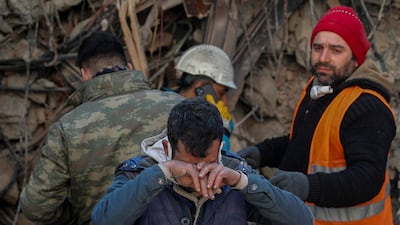
The brother of a survivor Gokhan Ugurlu, 35, who was pulled out of the rubble in Hatay, Turkey, reacts as a rescuer looks on. Reuters -
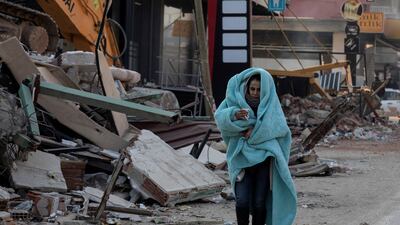
A woman walks past flattened buildings in a street in Hatay province, Turkey. Reuters -

A member of the army stands amid rubble in Kahramanmaras, Turkey. Reuters -
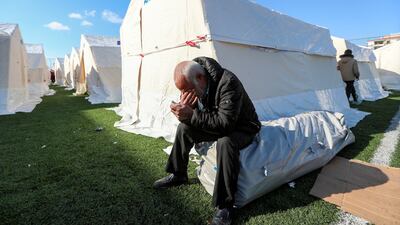
A man reacts while sitting outside a tent of a temporary accommodation centre set up on a football pitch in Gaziantep, Turkey. Reuters -
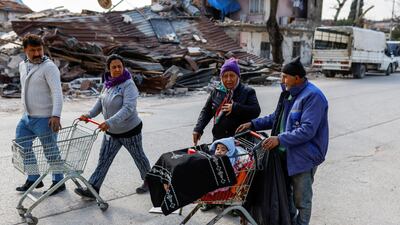
Earthquake survivors walk on a street in Hatay, Turkey. Reuters -
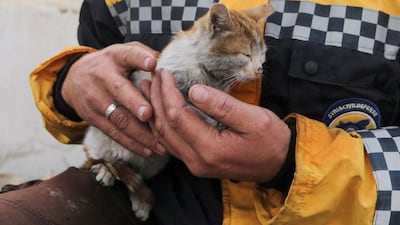
A White Helmets volunteer holds a rescued cat in the rebel-held town of Jandaris, Syria. Reuters -
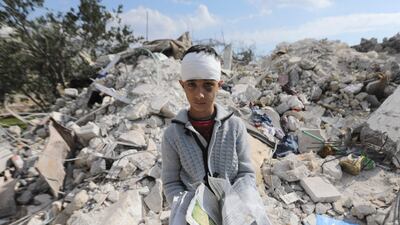
A Syrian boy, who lost his family in the deadly earthquake, stands amid the rubble of his family home in Jindayris. AFP -
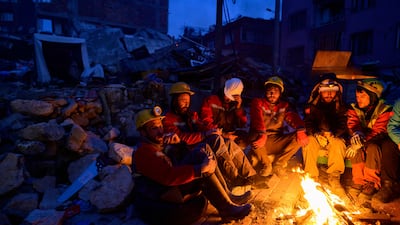
Rescuers sit by a bonfire in Hatay, Turkey. AFP -
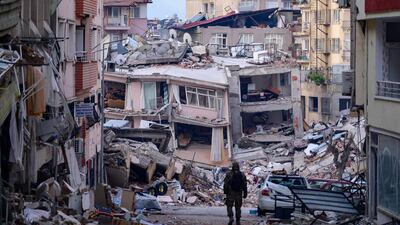
A Turkish soldier walks among destroyed buildings in Hatay. AFP -
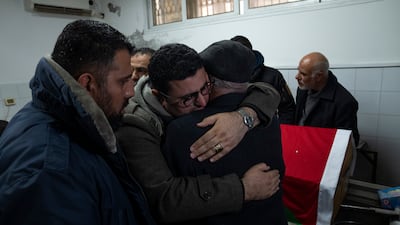
Relatives of Palestinian doctor Yusuf Darabeh, who died when the earthquake hit Turkey, comfort each other. AP Photo -
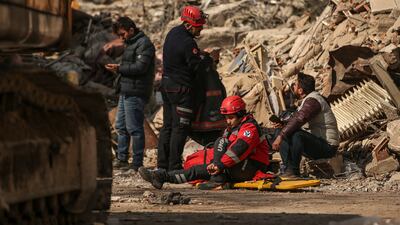
People stand by a collapsed building in Kahramanmaras, southern Turkey. AP Photo -
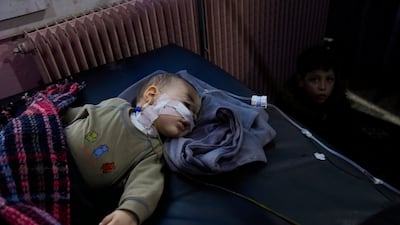
A child, injured in the earthquake, is treated at hospital in Bab Al Hawah, Syria. AP Photo -
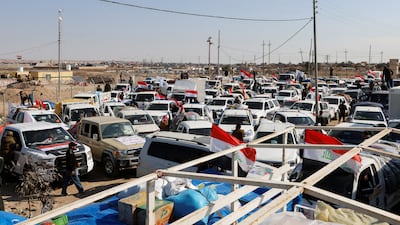
Vehicles containing aid from Hashid Shaabi (Popular Mobilization Forces) on the Iraqi side of the Iraq-Syria border. Reuters -
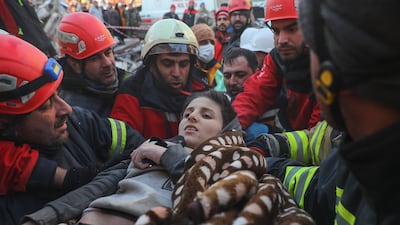
Rescuers carry Muhammed Alkanaas, 12, to an ambulance after five days under the rubble in Antakya, Turkey. AP -
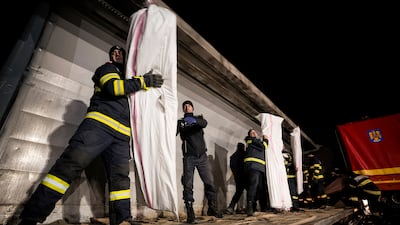
Romanian firefighters load a Turkey-bound train with emergency aid near Bucharest. AP -
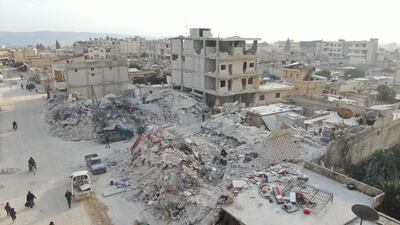
Collapsed buildings in Jandaris, Syria. Reuters -
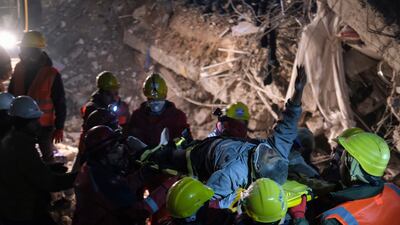
Abdulkerim Nano, 67, is rescued after five days under the rubble in in Kahramanmaras, Turkey -
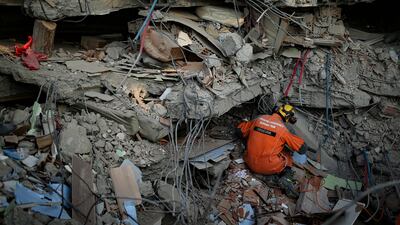
A Turkish rescue worker checks a collapsed building in Adiyaman. AP -
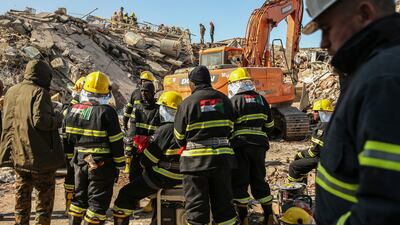
Rescuers in Adiyaman, Turkey. AP -
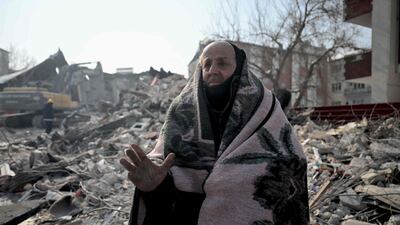
A resident in front of his collapsed building in the Elbistan district of Kahramanmaras. AFP -

Syrian refugees shelter in a public market in the Islahiye district of Gaziantep, Turkey. AP -
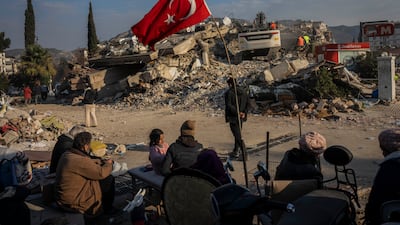
A family wait for the bodies of their relatives to be recovered in Antakya, Turkey. AP -
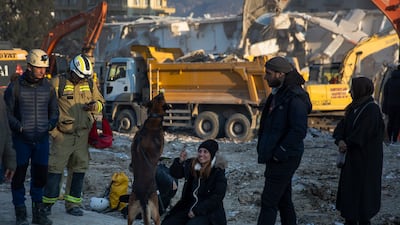
A woman plays with a sniffer dog in Antakya, Turkey. AP -

Collapsed buildings in Antakya, Turkey. AP -
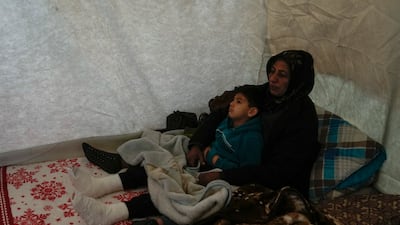
A Syrian woman takes care of her nephew Hasan Goayid, eight, in Islahiye district, Gaziantep. AP -

A Syrian child in a tent in the Islahiye district. AP -
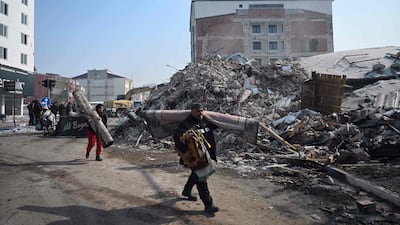
Collapsed buildings in the Elbistan district of Kahramanmaras. AFP -
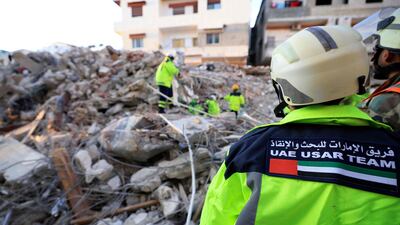
Emirati rescuers sift through the rubble of a collapsed building in the regime-controlled town of Jableh, northwest of the Syrian capital. AFP -
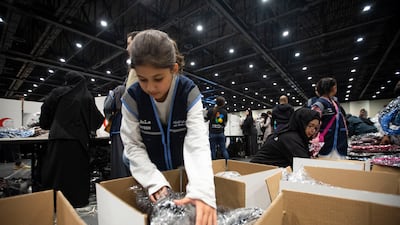
Volunteers at the Emirates Red Crescent 'Bridges of Goodness' campaign at the South Hall, Dubai Exhibition Centre at Expo City. Leslie Pableo for The National -
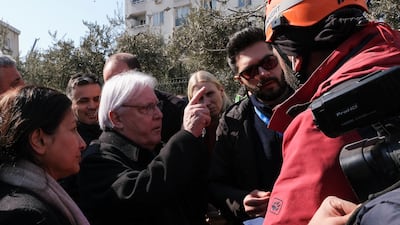
Martin Griffiths, UN Under Secretary General for Humanitarian Affairs and Emergency Relief Co-ordinator, in Maras, Turkey. Reuters -

Rescuers give water to a dog after a rescue operation in Hatay, southern Turkey. AP -
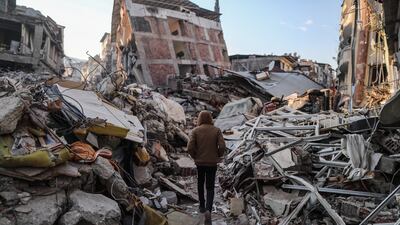
A deadly earthquake struck southern Turkey and northern Syria on February 6. EPA -
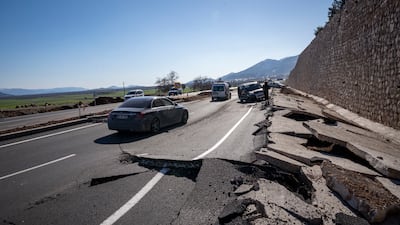
Fissures from the earthquake have crumpled the highway near Islahiyeh in Southern Turkey. Matt Kynaston / The National -
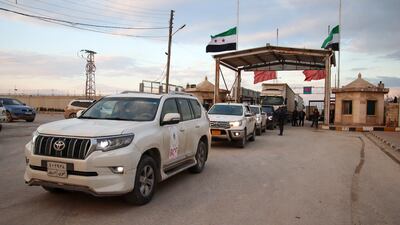
A Kurdish charity's aid convoy enters Syria through the Bab Al Salama crossing with Turkey, in the northern province of Aleppo. AFP -
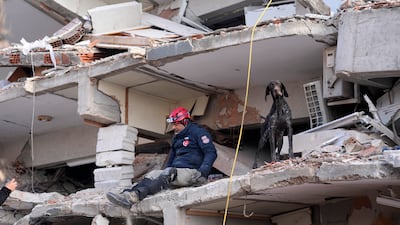
A rescuer with a sniffer dog searches in a destroyed building in Antakya, southern Turkey. AFP -
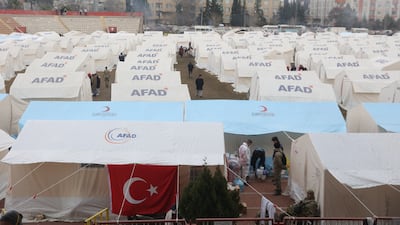
A makeshift camp erected in a stadium in the city of Kahramanmaras, southern Turkey. EPA -
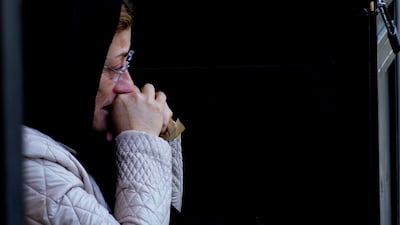
A woman mourns Turkish Cypriot victims of the earthquake, during a funeral procession in the Turkish occupied area in north-east coastal city of Famagusta, Cyprus. AP -
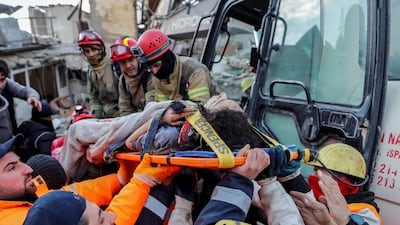
Rescuers carry survivor Rabia Ofkeli, 27, from the rubble in Hatay, southern Turkey. Reuters -
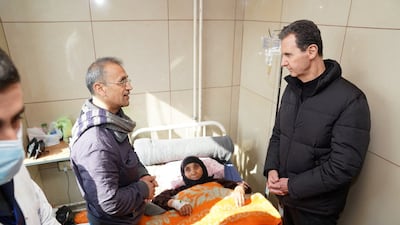
Syrian President Bashar Al Assad visits Aleppo university hospital. Reuters -
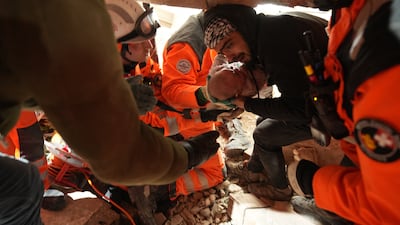
Members of the Swiss rescue team with a four-month-old girl, Abir, who was pulled out from the rubble in Antakya. AFP -
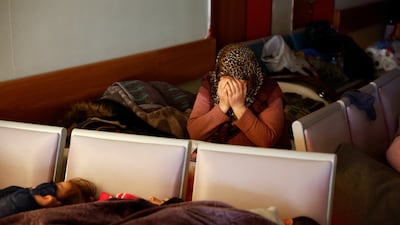
Survivors at a hospital in Kahramanmaras, Turkey. Reuters -
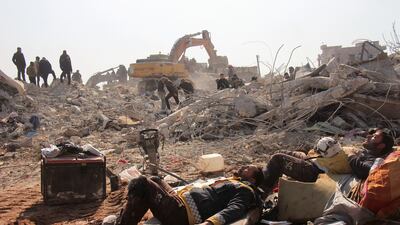
Members of the White Helmets during the fifth day of rescue operations in Jandaris, Syria. Reuters -
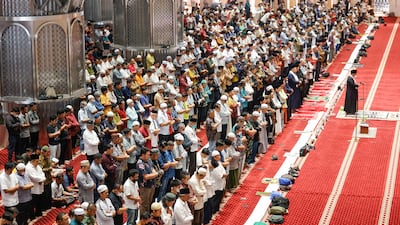
Indonesian Muslims perform a prayer for the victims at Istiqlal grand mosque in Jakarta. EPA -
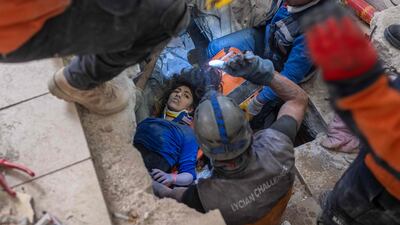
Emergency personnel conduct a rescue operation to save Melda, 16, from beneath the rubble of a collapsed building in Hatay, southern Turkey. AFP -
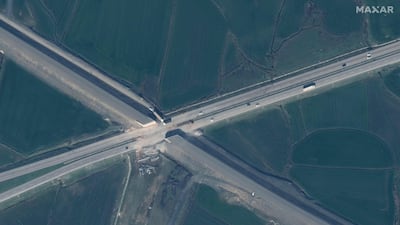
The earthquake caused a railbed overpass to collapse in Nurdagi, Turkey. AFP -
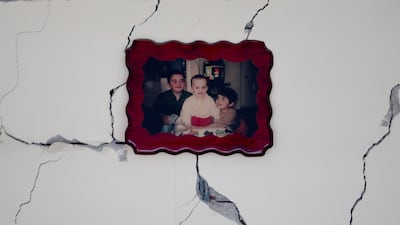
A framed picture on the cracked wall of a collapsed building in Kahramanmaras, south-eastern Turkey. EPA -
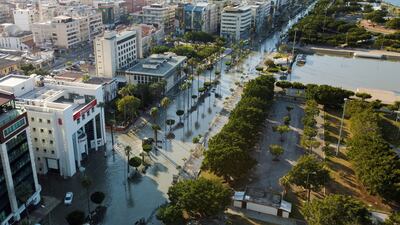
A coastal area of Iskenderun, Turkey, was flooded after the quake. Reuters -
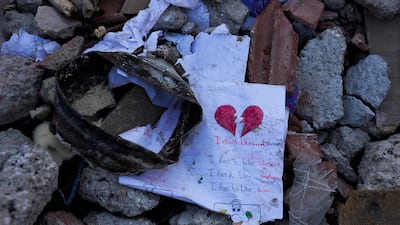
A sheet of paper lies among the rubble in Elbistan. AP -
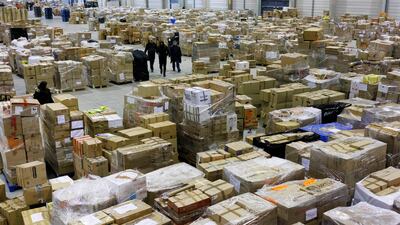
Relief supplies destined for earthquake survivors in Turkey, at a warehouse in Schoenefeld, near Berlin, Germany. AP -
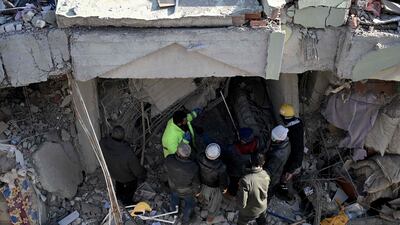
Rescuers search for survivors in the rubble of collapsed buildings in Kahramanmaras, three days after the earthquake struck. AFP -
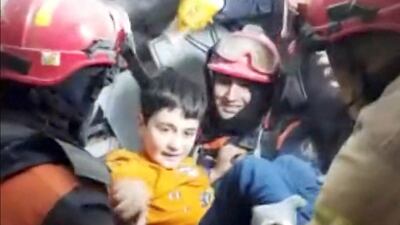
Rescuers with a child pulled out from under the rubble. Reuters -
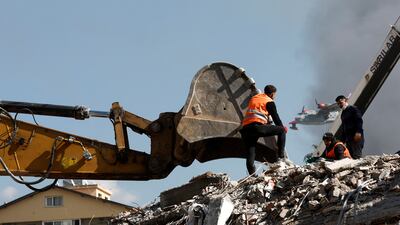
Rescuers rest on top of rubble as an aircraft drops water over a fire at the port in the quake-stricken town of Iskenderun. Reuters -

A rescue worker in Kahramanmaras, three days after a 7.8-magnitude earthquake struck south-east Turkey. AFP -
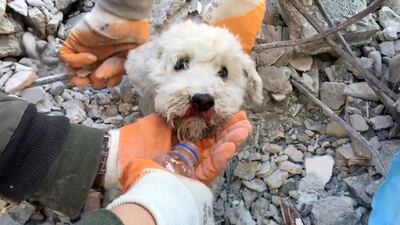
People try to pull out a dog trapped beneath the rubble in Iskenderun, Turkey. Reuters -
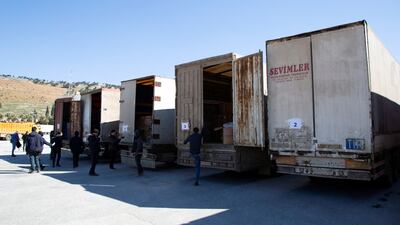
Lorries carrying humanitarian aid wait at Bab Al Hawa crossing on the Turkey-Syria border. Reuters -
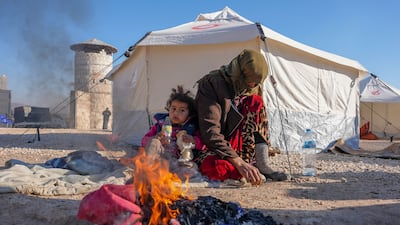
Syrians warm up by a fire outside a makeshift tent near the rebel-held town of Jindayris in Syria. AFP -
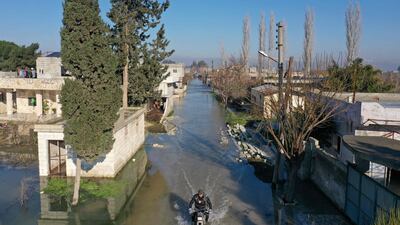
A dam on the Orontes river in Syria's rebel-held Idlib province collapsed after the quake, flooding the neighbourhood. AFP -
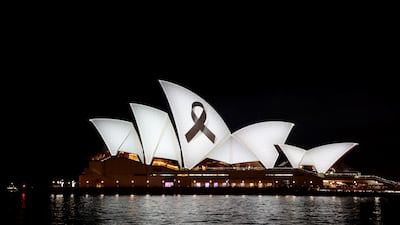
The sails of the Sydney Opera House lit with a black ribbon in remembrance and mourning of the earthquake victims. Getty -
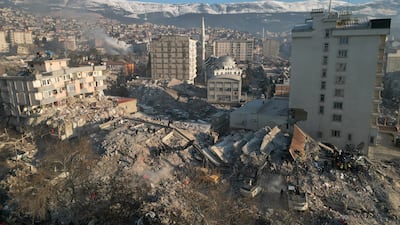
Smoke billows amid an expanse of collapsed and damaged buildings in Kahramanmaras, Turkey. Reuters -
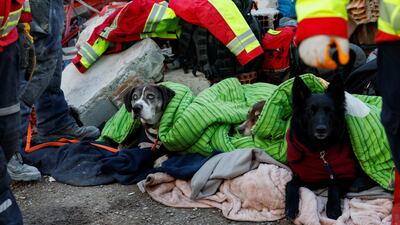
Dogs of the German International Search and Rescue team rest between operations in Kirikhan, Turkey. Reuters -
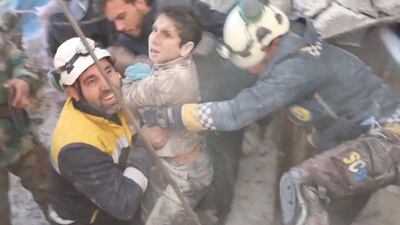
White Helmets volunteers rescue a child trapped beneath the rubble in Jandaris, Syria. Reuters -
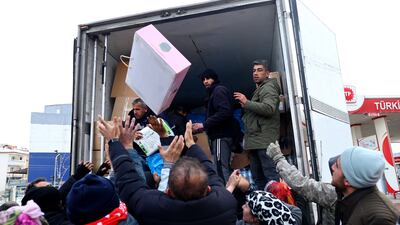
People gather to collect food and humanitarian aid in the Elbistan district of Kahramanmaras, south-east Turkey. EPA -
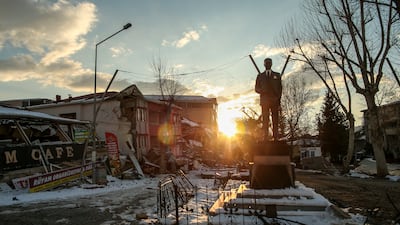
The statue of Mustafa Kemal Ataturk, founder of modern Turkey, is surrounded by damaged buildings in Adiyaman province. AP -
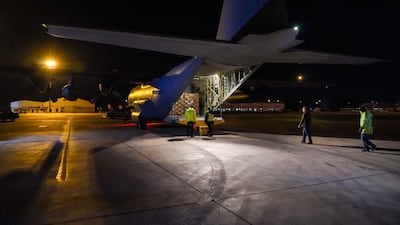
A plane carrying humanitarian air sent for earthquake survivors lands in Damascus. Mahmoud Rida / The National -
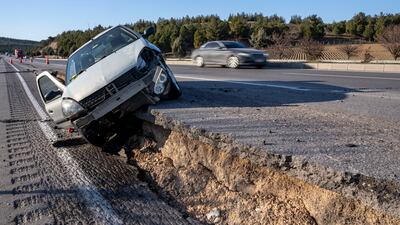
Motorway fractured by earthquake causes car crash near Kahramanmaras, Turkey. Matt Kynaston / The National -
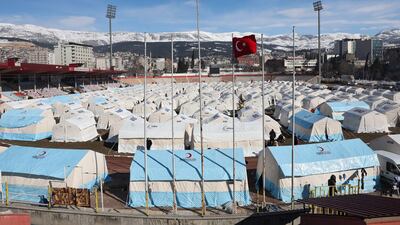
A tent camp has been set up at a stadium in south-eastern Turkish city of Kahramanmaras to shelter families whose homes were destroyed in the quake. AFP -
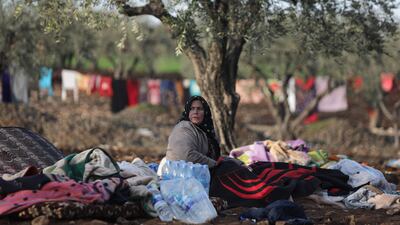
A displaced Syrian woman rests under a tree in a field on the outskirts of the rebel-held town of Jindayris. AFP


South of Istanbul, there is an ominous “earthquake gap”— a segment of the North Anatolian fault that has not moved for 250 years and could be ready for a major shock.
But since 1998, the main activity jumped to the East Anatolian fault with a series of moderate jolts, followed by Monday’s devastating breaks.
Although the epicentre of the first magnitude 7.8 event was near the city of Gaziantep, the break in the fault propagated hundreds of kilometres to the north-east. It occurred at a shallow depth, meaning surface shaking was worse and cut roads, rail, cables and pipelines.
Nine hours later, there was another, even shallower, large quake of 7.5 magnitude on a separate fault to the north, in an area where the Anatolian, Arabian and African plates meet.
This was probably promoted by the transfer of extra stress from the first quake, although the fault must already have been close to rupturing.
Stress is now concentrated at the ends of the broken faults, raising the risk of further quakes. A string of aftershocks, some quite powerful, have brought down already weakened buildings.
The borderlands of the Arabian Plate are no stranger to catastrophic earth movements.
The emperor Trajan narrowly survived a massive earthquake in 115 AD, which destroyed the city of Antioch. The city, one of the Roman world’s greatest, was then heavily struck in 526. Now, as Antakya, it has been ruined yet again.
Iran, a jumble of tectonic blocks squashed between the Arabia, Eurasia and Indian plates, is no stranger to tremors.
Its deadliest of modern days killed 50,000 in northern Iran in 1990, and 26,271 died in the ancient city of Bam in 2003.
The megacity of Tehran, built on the soft sediments washed down from the Alborz Mountains, faces a terrifying seismic risk which has led to periodic talk of moving the capital to the safer location of Isfahan.
Egypt generally seems tectonically quiescent.
But an unsuspected fault running from the Gulf of Suez rift zone, a branch of the Red Sea, lies buried under Nile sediments.
In October 1992, it ruptured near Cairo, in a moderately sized earthquake that was deadly and damaging because of the shaking of mostly older buildings on soft ground.
Another potentially dangerous fault, unknown until recently, underlies Beirut, possibly responsible for a major tremor of 551.
The Dead Sea fault, where it runs through Galilee and the Bekaa Valley, caused damaging shocks in 1202, 1759, 1837 and, well-remembered, 1956.
Crete, where the Mediterranean crust subducts under the island, was the source of huge tsunamis in 365 and 1303, smashing the Egyptian and Levantine coasts and dislodging the Great Pyramid’s white casing stone.
Another underappreciated risk is of a tsunami in the Gulf of Oman, triggered where the Indian Ocean Plate descends under the Makran coast of Iran and Pakistan.
Such an event struck about 1,000 years ago, with boulders of 100 tonnes deposited on the Omani coast by waves up to 50 metres high.
The testaments of past and present catastrophes illustrate the dangers, some well-known, others obscure.
The geological foundations that have built this region are more fragile than they might appear.
To limit the terrible human toll, Arabia’s borderlands need to set proper building standards, enforce them, warn rapidly of shocks and tsunamis, and be prepared to respond to emergencies.
Robin M. Mills is chief executive of Qamar Energy, and author of The Myth of the Oil Crisis

