


Dubai International Airport could exceed 2019 passenger traffic levels this year as a surge in travel demand continues unabated and defies stubbornly elevated ticket prices.
The airport could end the year with more than 90 million annual passengers, topping the 86.4 million handled in 2019, if it hits an average of 7.5 million monthly travellers through the remainder of 2023, Paul Griffiths, chief executive of Dubai Airports, told The National in an interview on Tuesday.
The state-owned airport operator had already raised its passenger forecast for this year to 83.6 million, up from an earlier estimate of 78 million, putting it “within striking distance” of its 2019 annual traffic.
“We've already increased our forecast by 5 million so far in the year and if we get a similar increase, it is possible that 2023 can break all passenger records,” Mr Griffiths said, citing robust growth and increasing capacity at Emirates airline, the reopening of the Chinese travel markets and the UAE's strong economic conditions.
“Hopefully, by the end of the year, we may be at an annual 90 million-plus passengers because we reached 7.3 million in March, the highest since January 2020, and if can go over 7.5 million as average through the year, then we can exceed pre-pandemic figures.”
Dubai International reached 95.6 per cent of its pre-pandemic passenger traffic in the first quarter of this year, prompting the upward revision in its annual forecast amid strong travel demand.
The airport handled 21.2 million passengers during the first three months of the year, up 55.8 per cent from the first quarter of 2022, Dubai Airports said on Tuesday.
It is the first quarter since the October-December 2019 period that average monthly passenger traffic at the airport has hit the seven-million mark, it said.
March was the busiest month in the first quarter with 7.3 million passengers, and also the highest monthly traffic figure since January 2020 when Dubai International recorded 7.8 million passengers.
The aviation sector, an important pillar of the emirate's economy, has made a strong rebound from the coronavirus-induced slowdown.
Last year, the airport remained the world's busiest for international passengers for the ninth year in a row, as long-haul travel demand surged, rankings by the Airports Council International showed last month.
Dubai Airports said it remained bullish about its outlook for the second quarter and the rest of the year, thanks to the coming local seasonal peaks and festive holidays.
-
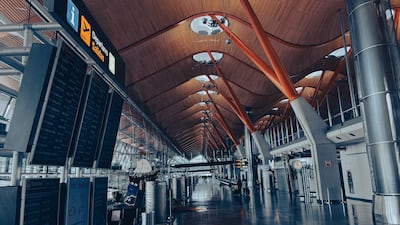
10. Madrid Airport rounds off the top 10. Unsplash -
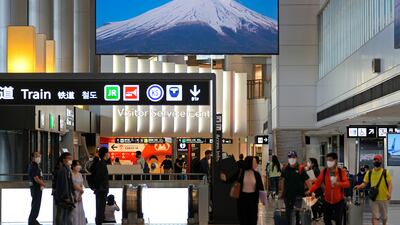
9. Narita International Airport near Tokyo is one of four Japanese airports in the world's top 20 ranking from Skytrax. AP -
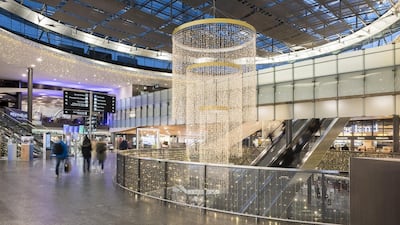
8. Switzerland's Zurich Airport ranks in the world's top 10. Photo: Zurich Airport -
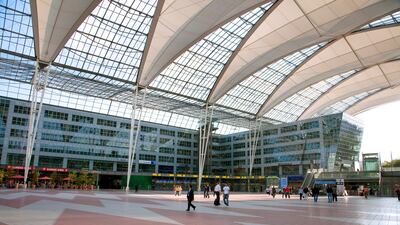
7. Munich International Airport in Bavaria, Germany. Corbis -
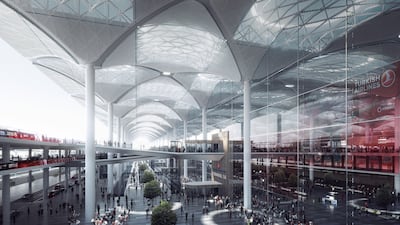
6. Turkey's Istanbul Airport opened in 2018 and was judged as the world's sixth best. Photo: Grimshaw -
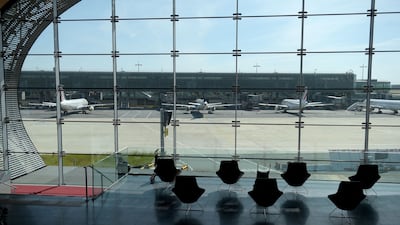
5. Paris Charles de Gaulle Airport came fifth globally and number one in Europe. AFP -
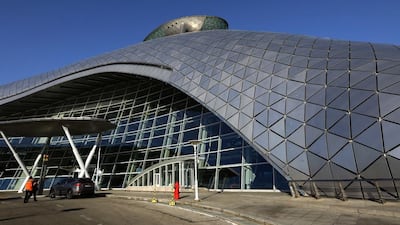
4. Incheon International in South Korea is the fourth best airport in the world. Getty Images -
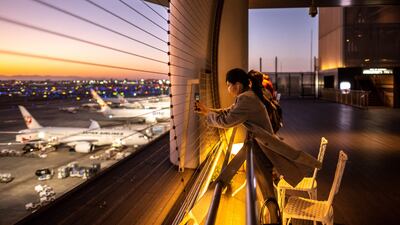
3. Haneda Airport in Tokyo ranked in third place. AFP -

2. Qatar's Hamad International Airport in Doha slipped from the top spot to second place in 2023. EPA -
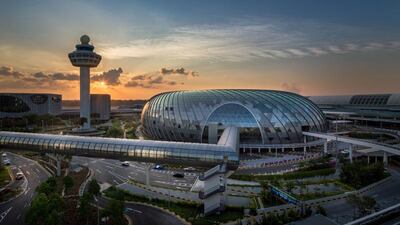
1. Singapore's Changi International Airport is the world's best airport in 2023, according to Skytrax. Photo: Changi Airport Group


Travel demand remains resilient due to the supply-demand dynamics stemming from the Covid-19 pandemic, Mr Griffiths said.
Two years of travel restrictions after the onset of Covid-19 created pent-up demand for leisure and business trips abroad, unleashing a surge in bookings after these curbs were removed.
“People want to get on a plane regardless of how much they have to pay,” Mr Griffiths said.
On the supply side, airlines retired older aircraft such as Boeing's 747s and cut thousands of jobs, making it more difficult to ramp up operations fast enough in response to the travel rebound.
“There's a dual pressure from the shortage in capacity because many planes have been removed from the skies and you've got a huge return in demand for travel”, creating a bubble that will take time to correct, he said.
Mr Griffiths expects supply chain problems faced by plane makers and long aircraft delivery backlogs to continue to constrain capacity. In the meantime, appetite for travel has remained resilient.
However, he said high oil prices and inflation rates would “eventually feed into the consumer market”.
“Once people have done a few trips and face the reality of their economic circumstances, they won't be able to afford as many trips,” Mr Griffiths said.
“There will be a balance over time. When will that be? We're OK for this year. But there will be enhanced competition, especially in transfer markets.”

Dubai's passenger traffic was dominated by people transiting through the global hub before the onset of the pandemic, but this is now skewed towards point-to-point traffic.
About 57 per cent of total traffic comprises direct flights while transit traffic accounts for the remainder, said Mr Griffiths.
“This is good for Dubai because the economic multiplier effect is greater. It's a positive trend, a more resilient aviation model and big contribution to city,” he said.
Dubai International is on track to remain world's busiest international hub for passengers for the 10th year in a row in 2023 as it is recovering “far faster” than other airports around the globe, he said.
Asked about plans to raise airport charges levied on airlines as other global hubs have done, Mr Griffiths said Dubai International was keeping its airport fees at competitive levels as most of its income was from non-aeronautical sources such as airport retail, food and beverages, and property income.
“We've deliberately kept fees to a minimum to attract airlines to DXB … we don't charge ridiculous amounts of money,” he said, adding that the cost of landing a Boeing 777 jet at the Dubai hub is a fifth of what is charged by London Heathrow.
Asked about the impact of the expansion of Emirates and Etihad Airways interline agreement last week, Mr Griffiths said that the increased flexibility and convenience for travellers could boost passenger traffic.

