


In Jabal Saraj, some 75 kilometres outside Kabul, an area short of industry and jobs, the locals are hoping that the relaunch of a cement plant built by Czech engineers in 1957 and closed down by the Taliban in 1995, can revive the industry after decades of war and destruction. But the outdated state-owned plant raises serious questions over whether it has a viable future unless a new, modern facility is built to replace it.
-
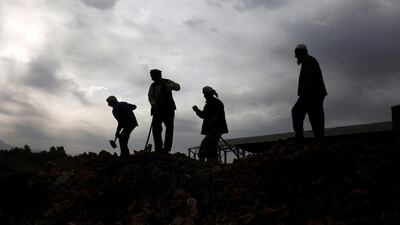
-
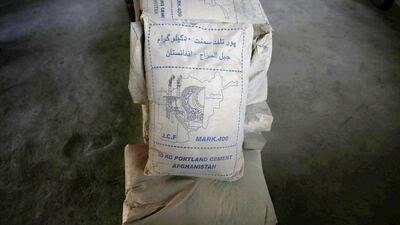
Sacks of cement sit ready for delivery. -
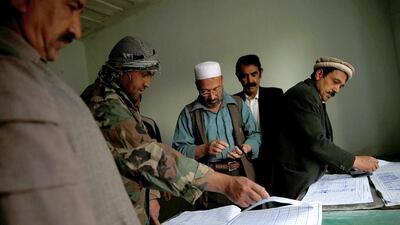
Factory workers sign in their attendance as they arrive for work. -
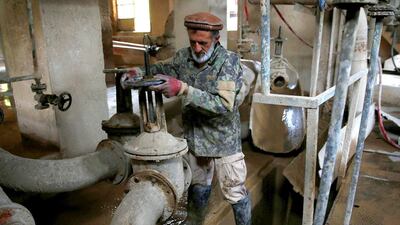
Dadullah, an employee at the factory, works on one of the old machines. -
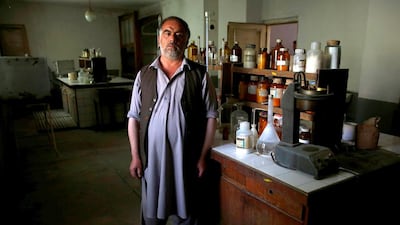
Posing for the photo is Khuda Daad, the head of the laboratory at the Jabal Saraj factory. -
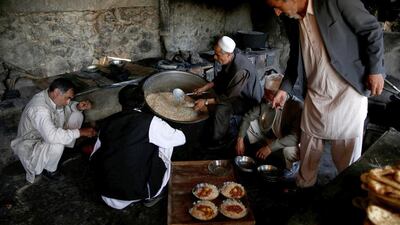
The kitchen staff busy themselves preparing lunch to be served to the factory workers. -
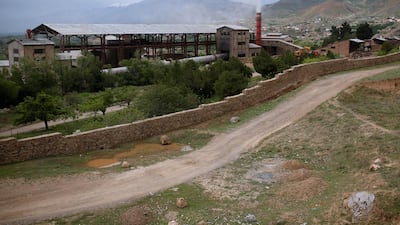
The Jabal Saraj cement factory is 75 kilometres north of Kabul, the capital city of Afghanistan. -
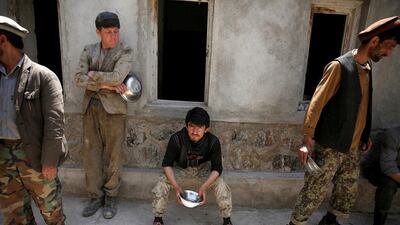
Workers waiting to be served during their lunch break. -
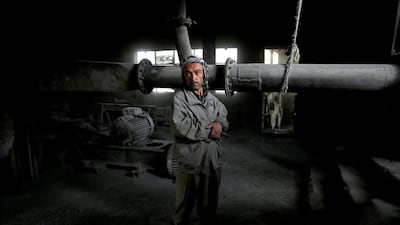
A factory worker takes a break. -
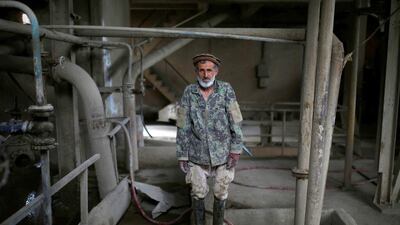
Worker Dadullah stands in for a photo. -
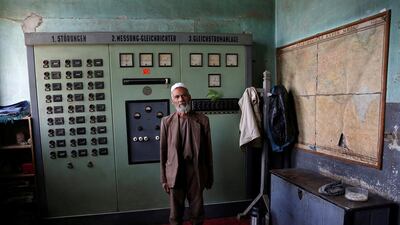
Abdul Salaam is an electrician at the Jabal Saraj factory. -
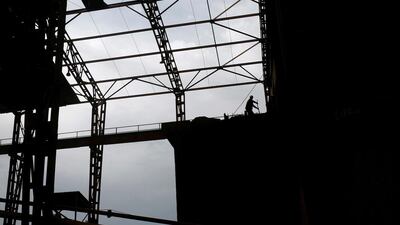
A worker shovels coal to power the big machines at the factory. -
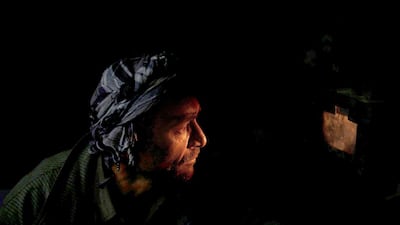
A worker peers through a hole at an oven at the cement factory. -
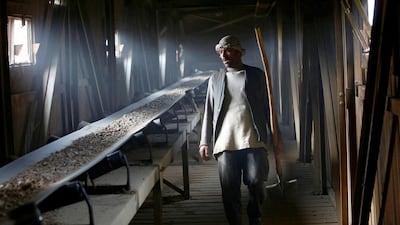
A worker observes a conveyer belt carrying broken rocks to be ground.
Afghanistan workers given hope from revived cement factory – in pictures
Most popular today

