


The Red Sea Development Company (TRSDC) is planning to sell luxury second homes on a new island as part of the second phase of the tourism project gradually begins to take shape.
About 800 residential units — a combination of villas and condos, in addition to hotels, a marina and a golf course — will be delivered, John Pagano, chief executive of the TRSDC, said in an interview on Monday on the sidelines of the Arabian Travel Market in Dubai.
“We're already moving into phase two of the Red Sea [project]. We've started on an island which is going to be a second home type of product,” he told The National. “That's been approved and we're moving forward with that.”
These high-end houses will go on sale “by 2023 or 2024", appealing to buyers from Saudi Arabia or the GCC looking for a second home that is relatively nearby and in a comparatively cooler climate, Mr Pagano added.
“[The] Saudis and the Saudi market will be a very strong market for us … we're offering something that nobody else really can offer,” he said.
“We control virtually all the islands on the Red Sea, so to be able to buy a real estate property on an island that is highly serviced. It's going to be a very unique proposition.
“This new project we will not start selling for another year or two because it's at the early design stages. The designs have been approved, now we're actually detailing the designs … you don't sell off-plan too far in advance.”
The Red Sea has summer temperatures that usually range between 30°C and 35°C, and second homes on the coast would be a short flight away for domestic or Gulf owners, he added.
-
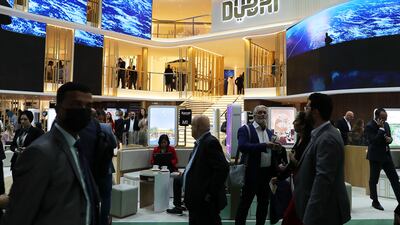
Visitors at the Dubai stand on the third day of the Arabian Travel Market held at Dubai World Trade Centre. Pawan Singh / The National -
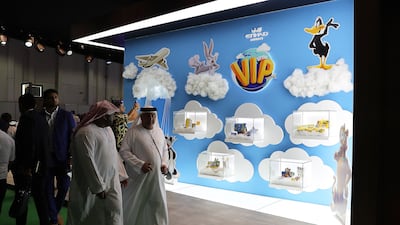
Visitors at the Etihad stand. Pawan Singh / The National -
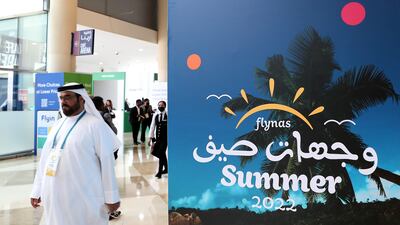
A Flynas advertisement on the first day of Arabian Travel Market. -

The Iraq stand. Pawan Singh / The National -
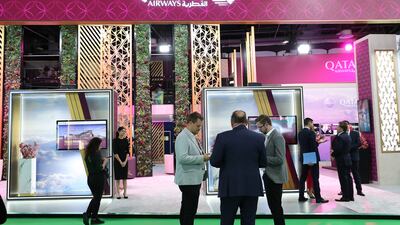
Visitors at the Qatar stand on the first day of Arabian Travel Market. -
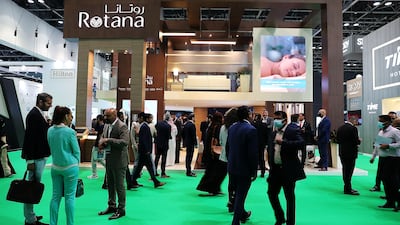
Visitors at the Rotana stand. Pawan Singh / The National -

Children's toys on display at the Emirates stand. Pawan Singh / The National -

The Neom stand. Pawan Singh / The National -
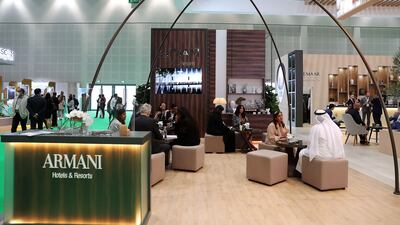
The Armani stand. Pawan Singh / The National -
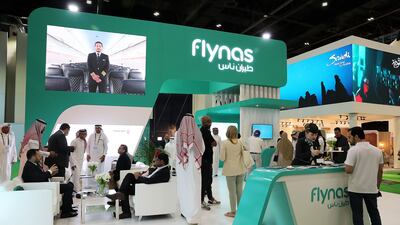
The Flynas stand. Pawan Singh / The National -
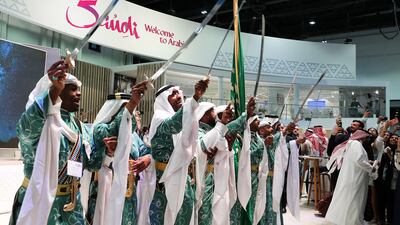
Performers dance at the Saudi Arabia stand on the second day of the Arabian Travel Market. Pawan Singh / The National -
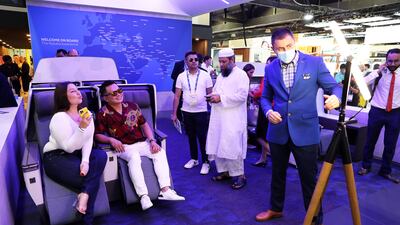
Visitors take photos at the flydubai stand. Pawan Singh / The National -
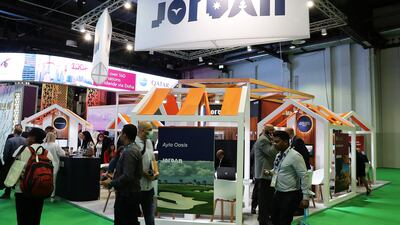
The Jordan stand. Pawan Singh / The National -
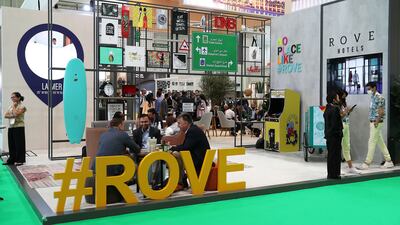
The second day of Arabian Travel Market welcomed visitors from around the world. Pawan Singh / The National -
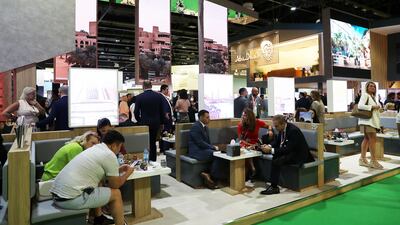
The event is considered a bellwether for the travel industry in the Middle East, offering an insight into the trends that will shape the year ahead. Pawan Singh / The National -
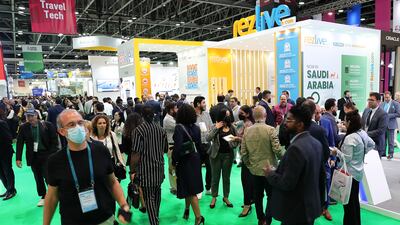
A total of 112 countries looking to revive their tourism numbers will be featured on the exhibition's show floor, from Japan to Jamaica and South Africa to Italy. Pawan Singh / The National -

People visit the South Africa stand at the Arabian Travel Market. Pawan Singh / The National -

A model of the Airbus A350-1000 at the Etihad stand on the first day of Arabian Travel Market held at Dubai World Trade Centre. All photos: Pawan Singh/The National -
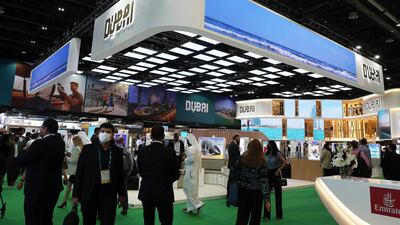
More than 1,500 exhibiting companies are taking part in the four-day tourism showcase that will welcome about 20,000 visitors. -
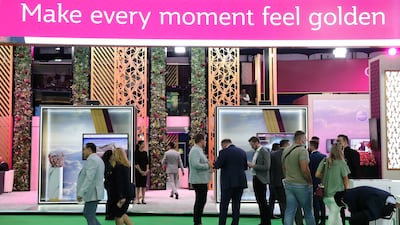
Travel and tourism are starting to show signs of recovery from the impact of the coronavirus pandemic, with many companies starting to ramp up their recruitment as countries reopen their borders. -
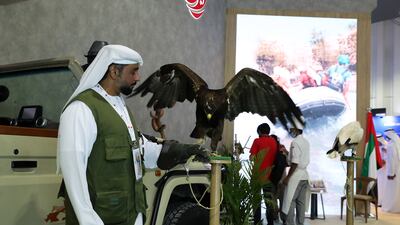
Staff from Al Ain Zoo showing some birds and reptiles at the Abu Dhabi stand. -
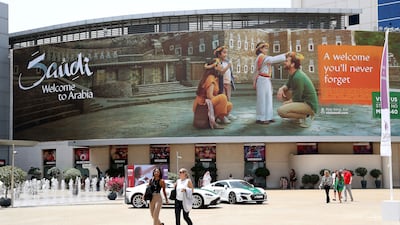
Saudi Arabia has a major presence at this year's Arabian Travel Market, including representatives from Neom, the kingdom's $500 billion futuristic mega city. -
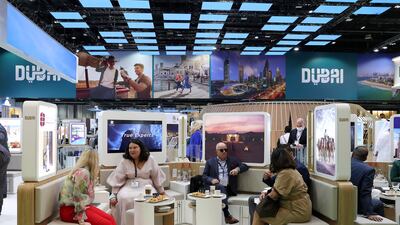
Arabian Travel Market is considered a bellwether for the travel industry in the Middle East, offering an insight into trends for the year ahead. -
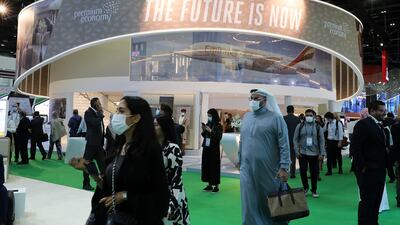
Emirates airline launched its premium economy cabin at Arabian Travel Market. -
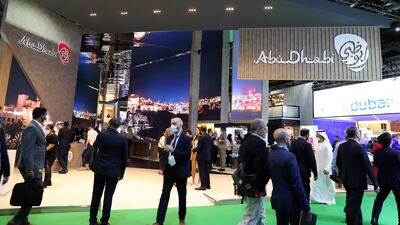
The Abu Dhabi stand at Arabian Travel Market was busy on the first day of the event. -

Artists showcasing handmade items at the Abu Dhabi stand. -

Staff from Al Ain Zoo introduce visitors to birds at the Abu Dhabi stand. -

Etihad Airways showcasing its economy class seats at Arabian Travel Market. -
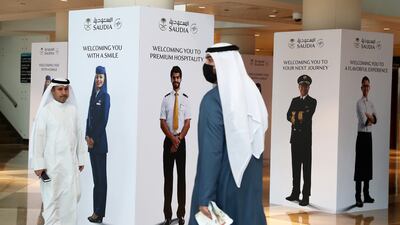
The soaring price of oil and the impact of the war in Ukraine are tempering the travel industry's expected resurgence. -
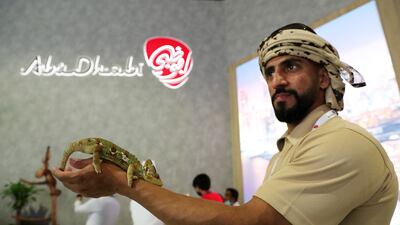
Staff from Al Ain Zoo show visitors reptiles at the Abu Dhabi stand. -
The Darina holidays stand on the first day of Arabian Travel Market held at Dubai World Trade Centre in Dubai. -
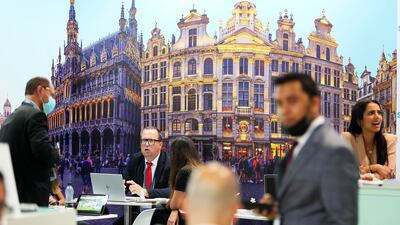
Visitors at the Brussels stand. -
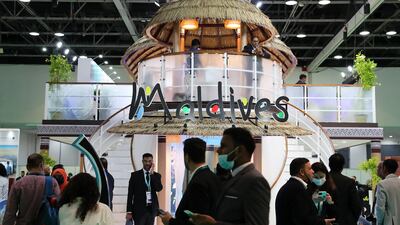
Visitors at the Maldives stand.


“I see it as a great opportunity for the GCC market as well as Saudi Arabia to have a home that is relatively close: from Dubai, it is a two-hour flight, and you can be in beautiful turquoise water. It's very different to the Arabian Gulf, the water quality and colour — it's a very different experience,” Mr Pagano said.
The Covid-19 pandemic has spurred sales of second homes as the ability to work remotely, alongside incentives such as visas for digital nomads and a desire to travel after a period of confinement, has boosted demand for a home-from-home, Knight Frank’s 2021 Global Buyer Survey showed.
About 33 per cent of respondents said they are more likely to buy a second home as a result of the pandemic, up from 26 per cent in 2020. The enhancement of lifestyle and the desire for a retreat was the key reason cited by home buyers.
Nearly two thirds of buyers said when looking for a second home abroad that they would be influenced by the local government's handling of the Covid-19 crisis.
chief executive of TRSDC
Laheq, the new island being developed by TRSDC primarily for second homes as part of its Red Sea tourism project, will feature 500 villas, 300 condos and 300 hotel rooms, Mr Pagano said.
“They'll be expensive, the market will ultimately decide what we can sell for, but look at what is happening in Dubai and that should be your clue,” he said. “We haven't settled on pricing yet.”
The level of interest from prospective home buyers for the residential units has been significant so far, Mr Pagano said.
“People are knocking on our door wanting to know when they can buy but we're keeping our powder dry for the moment,” he added.
“We're also getting a lot of investor interest from people wanting to invest in the hotel assets because, while we don't need the capital, the private sector wants to get involved and we're willing to work with them on a joint venture basis.”
Phase two of the Red Sea project will include the development of four to five additional islands, with TRSDC currently evaluating locations and types of experiences that will be complementary to phase one, with decisions to be made by the year-end.
The tourism destination's dedicated airport is “virtually done” on the airside and is in the process of obtaining a licence so it can be used later this year, he said.
“The lights are being installed right now on the runway.”
Phase one of the Red Sea project will be delivered by the end of 2023, while phase one of the Amalaa project will be completed by the end of 2024, according to Mr Pagano.
Together, the two projects are currently tendering contracts worth 7 billion Saudi riyals ($1.86bn) to 8bn riyals for hotels and infrastructure works, which will be awarded on an continuing basis, he said.
To date, about 800 contracts worth 25bn riyals have been awarded.
On average, 1bn riyals to 1.5bn riyals a month's worth of contracts need to be awarded for the projects to stay on track for completion, Mr Pagano said.
TRSDC, which last year signed nine management agreements with international hotel brands for the first phase of its luxury project, will announce three more such agreements in the pipeline this month, he said.
The company has had to adapt and explore different markets in the face of global supply chain bottlenecks, while inflation has translated into a 10 per cent cost increase, but this is a “blip” that it can absorb, Mr Pagano said.
The large-scale projects being developed by companies such as TRSDC are part of the kingdom's efforts to diversify its economy and cut its dependence on oil revenue. Development of non-oil sectors such as tourism are key planks of the kingdom's Vision 2030 economic transformation agenda.

